
Baby Constipation After Starting Solids: What to Track
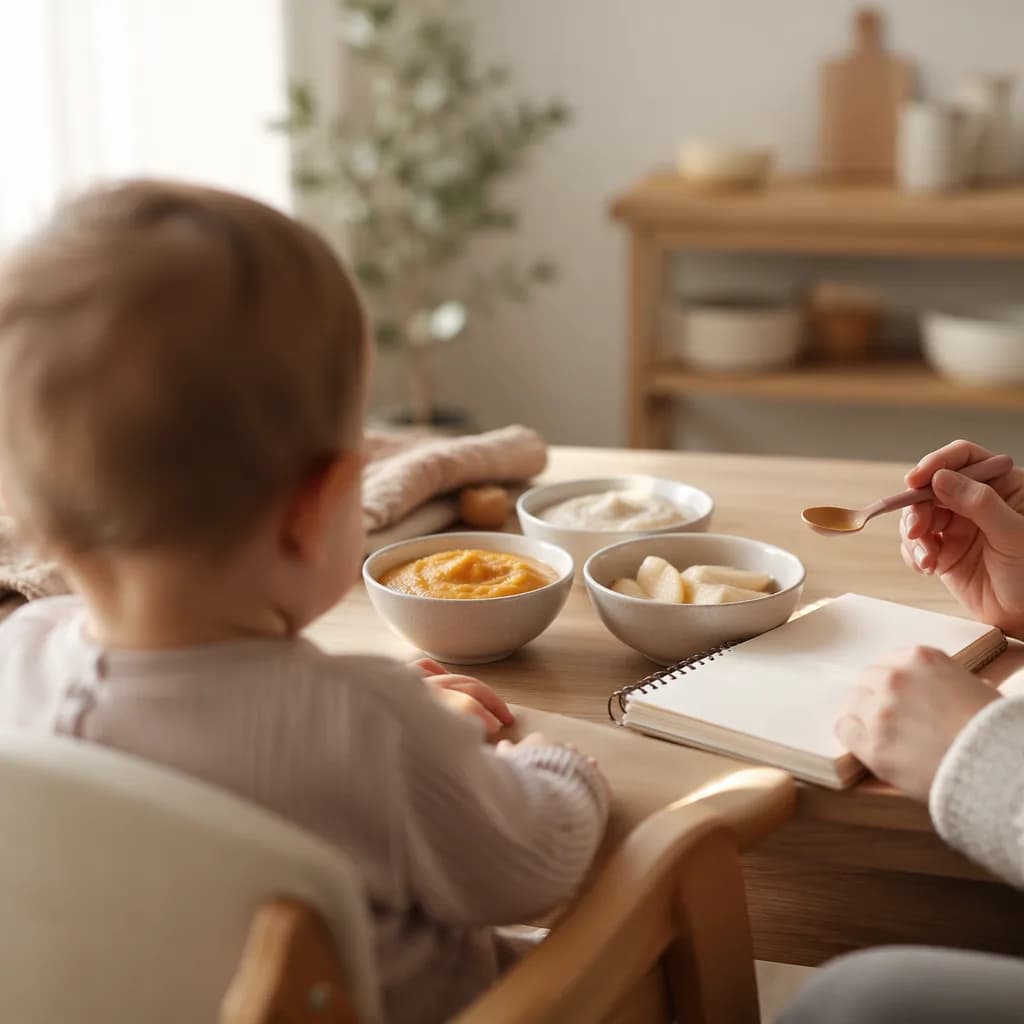
What changes after solids start
Once solids begin, baby poop can change pretty quickly. It may look thicker, darker, and smellier than the milk-only diapers you were used to. Some babies also poop less often after those first spoonfuls of cereal, vegetables, or fruit.
That change alone doesn’t always mean constipation.
A baby can grunt, turn red, pull their knees up, or push hard and still pass a soft stool. That’s often normal straining, especially while they’re learning how to coordinate all those muscles. It looks dramatic. Sometimes it sounds dramatic too. But if the poop is soft when it comes out, we usually pay more attention to the texture than the noise.
Constipation is more practical than mysterious: hard, dry, pellet-like stools, obvious pain with pooping, or fewer stools than usual paired with real discomfort. If your baby is crying with bowel movements, has a firm belly, or seems uncomfortable between diapers, that’s worth tracking closely and bringing up with your child’s provider.
Here’s a real-life kind of example. A baby who pooped every day on breast milk or formula may start pooping every 2-3 days after rice cereal or banana. That can feel alarming at first. But if the stool is still soft, it may simply be a new pattern. If it’s dry, hard, or comes out like little pellets, that’s more likely constipation.
Since milk still stays the main source of nutrition during the first year, it helps to keep feeding patterns steady while solids are introduced. If you’re sorting out amounts, these guides on how much milk a newborn needs by age and how much a newborn should eat can help, and this starting solids guide is useful when you’re checking readiness, first foods, and textures.
What parents should track each day
When constipation shows up after starting solids, a tiny daily log can save you from guessing. It doesn’t need to be fancy. Use a phone note, a feeding app, or a sheet of paper taped to the fridge.
Write down what your baby ate, about how much they actually swallowed, and the time of day. Mark whether the food was new or familiar. Since new foods are usually introduced one at a time, with four to five days before adding another, this makes it easier to spot patterns without blaming carrots after one tough diaper. If you’re still getting ready for first foods, this starting solids guide can help you think through signs of readiness, first foods, and safe textures.
Track diapers too. Note when your baby pooped, the texture, color, and size, plus whether they seemed uncomfortable. A quick note like “small, firm, dark brown, cried while pushing” tells you more than “bad poop.” You can also jot down if baby seemed gassy, had a firm belly, ate less than usual, woke more often, or cried during bowel movements.
Fluids matter, especially because breast milk or formula should stay the main source of nutrition for the first year. Keep a simple count of nursing sessions or bottles, and include small sips of water only if your baby’s age and pediatrician’s guidance make that appropriate. If bottle amounts are part of the puzzle, you may find these guides helpful: How Much Milk Does a Newborn Need by Age?, Bottle Feeding Newborn: Pace, Burp, and Amount Tips, and How Much Should a Newborn Eat? Age-by-Age Guide.
Look across several days. Maybe bananas show up near firmer stools, or maybe the bigger clue is that baby ate more solids and took less milk. One diaper is information. A few days of notes is a clearer story.
Common constipating foods for babies
Some foods can make stools firmer for some babies, especially right after starting solids. Common ones to watch include:
- Rice cereal
- Bananas
- Applesauce
- White bread
- Pasta
- Cheese
- Large amounts of low-fiber starches
These foods aren’t “bad.” You don’t need to ban bananas from your kitchen or feel guilty about serving pasta. The goal is simply to notice patterns. If your baby has banana once and poops comfortably, great. If they have banana three days in a row and start straining with hard stools, that’s useful information.
Portion size matters. Frequency matters too. A few bites of applesauce may be fine, while a full serving of applesauce plus white toast plus pasta in the same day may be a lot for a baby who already tends toward constipation.
Here’s a real-life example: rice cereal at breakfast, banana at lunch, and pasta at dinner may be too much firming food in one day for a baby prone to constipation. You might try swapping one of those for a fruit that can help loosen stools, like pears, peaches, plums, or prunes.
Iron-fortified baby cereal can sometimes get blamed when constipation shows up, but iron is important as babies begin solids. UCSF Benioff Children’s Hospitals notes that babies are beginning to need extra iron, and iron-fortified baby cereal is a good early solid food choice. Before stopping iron-fortified cereal, ask your pediatrician what makes sense for your baby.
If you’re still working out timing, readiness, and safe textures, our guide to Starting Solids: Signs, First Foods, Safe Textures can help. And remember, breast milk or formula stays the main source of nutrition during the first year, so feeding routines still matter alongside solids. If you’re reviewing amounts, these guides on how much a newborn should eat, newborn milk needs by age, and bottle feeding pace and burping may be useful.
Foods to help baby poop more comfortably
Constipation can show up after solids because your baby’s belly is learning a whole new job. New tastes, new textures, new stools. It’s a lot.
A simple phrase many parents remember is: P fruits often help, such as pears, peaches, prunes, and plums. UCSF also lists peaches, plums, pears, and prunes as fruits that can help loosen stools, and suggests adding a little prune juice to cereal if constipation becomes an issue.
A few baby-friendly foods to keep on your radar:
- Pears
- Peaches
- Prunes
- Plums
- Peas
- Beans
- Lentils
- Oatmeal
- Avocado
- Soft cooked vegetables
Serve them in a texture your baby is ready for. That might mean a smooth puree, a mashed food with a little more texture, or soft finger foods if your baby has the skills for that stage. If you’re still figuring out readiness signs and safe textures, this guide to starting solids, first foods, and safe textures can help you sort it out without overthinking every bite.
Go slowly with higher-fiber foods. Even foods that help poop move along can cause gas if you add too much too fast. A spoonful or two with a familiar meal is usually kinder than a whole bowl of something new.
One easy swap: trade rice cereal for oatmeal if your baby seems backed up. UCSF suggests trying another baby cereal, such as barley or oatmeal, when constipation happens. You could also stir mashed pear into a usual breakfast so the meal still feels familiar.
And keep the big picture steady. During the first year, breast milk or formula should remain the main source of nutrition, and UCSF recommends offering it before solids. If you’re also sorting out bottle amounts or feeding rhythms, you may like Bottle Feeding Newborn: Pace, Burp, and Amount Tips or How Much Should a Newborn Eat? Age-by-Age Guide.
How to adjust solids without overcorrecting
When constipation shows up after starting solids, it’s tempting to change everything at once. Try not to. Change one thing, then watch for a few days so you can actually see what helped.
A simple example: if bananas showed up three mornings in a row and stools got harder, pause or reduce bananas for a few days instead of removing cereal, fruit, vegetables, and new textures all at once. UCSF Benioff Children’s Hospitals notes that cereal, applesauce, and bananas can cause constipation for some babies, and suggests trying another cereal such as barley or oatmeal, or offering fruits like peaches, plums, pears, and prunes.
Keep the plate steady and boring in the best way. Offer a familiar food your baby already accepts, add a softer fruit or vegetable, and keep breast milk or formula as the main source of nutrition during the first year. If you’re still sorting out overall intake, these guides on how much milk a newborn needs by age and how much a newborn should eat can help you think through the milk side of feeding.
For babies around 6 months and older, ask your pediatrician whether small sips of water with meals make sense. Keep it small and meal-based. Solids are still practice, and milk feeds still matter.
Gentle body help can be useful too. Try bicycle legs during a diaper change, a little extra tummy time while your baby is awake, or a warm bath before bedtime. Nothing dramatic. Just comfort and movement.
Skip laxatives, suppositories, juice, or herbal remedies unless your baby’s doctor tells you to use them. If you’re still early in this stage, our guide to starting solids, first foods, and safe textures may help you adjust without guessing. And if bottles are part of your routine, paced bottle feeding tips can keep feeds calmer while you troubleshoot.
When to call the pediatrician
A few slower, firmer poops can happen after solids begin, especially while your baby is trying new foods and textures. UCSF Benioff Children’s Hospitals notes that cereal, applesauce, and bananas can cause constipation, and suggests trying options like oatmeal or barley cereal, a little prune juice or flax seed oil in cereal, or fruits such as peaches, plums, pears, and prunes.
Still, some signs deserve a call.
Call your pediatrician if you notice blood in the stool, repeated vomiting, fever, poor feeding, weight concerns, a swollen or hard belly, or severe pain with pooping. If your baby has no poop and is also vomiting, or their belly looks very distended, treat that as urgent and get medical advice right away.
Also call if stools stay hard and painful for more than a few days even after you’ve made gentle food changes. A baby who cries, strains hard, and then passes dry, pellet-like stool may need more help than a fruit swap can give.
Your notes can make the call much easier. Share what your baby ate, when symptoms started, how often they’re stooling, and what the poop looks like. A photo can help too, especially if you’re unsure whether there’s mucus, blood, or unusual color. If you’re still sorting out readiness and first-food choices, this starting solids guide can help you compare what you’re seeing at home.
Babies with medical conditions, prematurity, or feeding challenges may need earlier advice. And because breast milk or formula remains the main nutrition source during the first year, ask sooner if constipation is affecting intake. These feeding guides may help you track patterns: how much milk newborns need, paced bottle feeding tips, and how much newborns should eat.
Frequently Asked Questions
Is baby constipation after starting solids normal?
It can happen. Solids often make stools thicker and less frequent, but hard, dry, painful stools are constipation and should be tracked.
What does baby poop after solids usually look like?
It may be thicker, darker, smellier, and more formed. Bits of food can show up too, especially with vegetables or fruit skins.
Which foods are most constipating for babies?
Rice cereal, bananas, applesauce, white bread, pasta, cheese, and too many low-fiber starches can firm stools for some babies.
What foods help baby poop?
Pears, peaches, prunes, plums, peas, beans, lentils, oatmeal, avocado, and soft cooked vegetables may help soften stools.
Should I stop solids if my baby is constipated?
Usually no. Try adjusting the foods, offering more stool-softening options, and tracking patterns. Call the pediatrician if stools are painful or hard.
Can I give my baby water for constipation after solids?
For many babies around 6 months and older, small sips of water with meals may be okay. Ask your pediatrician what amount fits your baby.
When should I worry about baby constipation?
Call the pediatrician for blood in stool, vomiting, fever, a swollen belly, poor feeding, severe pain, or hard painful stools that continue.
Frequently asked questions
Is it normal for babies to poop less after starting solids?
What should I track if my baby seems constipated after solids?
Which baby foods can make constipation worse?
When should I call the pediatrician about baby constipation?
References
Sources
External research this article was grounded in.
- Rock-A-Bye Baby +More Nursery Rhymes - CoCoMelon - Videos For Kidskidvideo.org
- Starting Solid Foods | Patient Education | UCSF Benioff Children's Hospitalsucsfbenioffchildrens.org
- Constipation After Starting Solids What Parents Can Know | Enfamilenfamil.com
- Baby Games - Free Online Games For Kids - BabyGames.Combabygames.com
- Baby - Simple English Wikipedia, the free encyclopediasimple.wikipedia.org
Related reading
More from the journal → feeding
Newborn Feeding Cues: Hunger and Fullness Signs
Learn early newborn hunger cues, late feeding signs, and fullness signals so feeds feel calmer and you know when your baby has had enough.
11 min readAug 3, 2026- feeding
Bottle Feeding Newborn Basics for Calm Feeds
Newborn bottle feeding can feel messy at first. Learn hunger cues, typical amounts, pacing, burping, and when to call your pediatrician.
10 min readAug 3, 2026 - feeding
Breastfeeding Positions for Newborn Comfort
Comfortable breastfeeding starts with your body supported, baby tucked close, and a position that helps both of you relax into the latch.
11 min readAug 3, 2026