
Baby-Led Weaning vs Purees: Choosing First Foods Well

Baby led weaning vs purees at a glance
Baby led weaning means offering soft, graspable foods that your baby can pick up and self-feed. Think a ripe avocado wedge, a soft strip of banana, or a well-cooked piece of sweet potato that squishes easily between your fingers.
Purees for baby are smooth or mashed foods offered by spoon. You might spoon-feed, or you might preload the spoon and let your baby bring it to their mouth with help nearby. Both count.
Here’s the quick side-by-side:
| What you’re comparing | Baby led weaning | Purees |
|---|---|---|
| Control | Baby controls what goes in their mouth and how much | Caregiver guides the pace more, unless using a preloaded spoon |
| Texture exposure | Baby meets soft finger foods early | Baby starts with smooth or mashed textures, then moves thicker |
| Mess | Usually messier. Food gets explored with hands, face, tray, and sometimes hair | Often a little more contained, though still not tidy |
| Caregiver effort | Less spooning, more prep for safe shapes and soft textures | More spooning, blending, mashing, or packing small portions |
| Flexibility | Easy to share parts of family meals when safe | Easy to offer familiar tastes and adjust texture slowly |
The reassuring part: both starting solids methods can support healthy eating when they’re done safely. You’re not choosing a parenting identity. You’re choosing what works at Tuesday lunch.
Plenty of families mix both. Maybe breakfast is oatmeal on a preloaded spoon, lunch is soft pear slices, and dinner is mashed beans. If feeding already feels full because you’re nursing, pumping, or using formula, our Combination Feeding Guide for Breast Milk and Formula and Baby Feeding Schedule by Age for the First Year can help you see the bigger picture. For first bites, start with the Starting Solids Checklist for Baby's First Bites.
Readiness signs before starting solids
Most babies start solids around 6 months, but the calendar isn’t the whole story. Readiness is really about what your baby can do with their body, mouth, and attention at the table.
A baby may be ready for first foods when you’re seeing signs like:
- Sitting with support in a high chair or on your lap
- Good head and neck control
- Watching you eat and showing interest in food
- Bringing toys, hands, or other safe objects to their mouth
- Less tongue-thrusting, so food isn’t automatically pushed right back out
That upright sitting piece matters. When a baby can sit well with support and hold their head steady, they’re in a better position to move food around their mouth and swallow safely. A slumped, wobbly baby is usually telling us, “Not quite yet.”
If your baby was born prematurely, ask your pediatrician about using adjusted age for solids. Some babies need a little more time, and that’s okay.
It also helps to think of early solids as practice. Breast milk or formula still does the heavy lifting at first, while tiny tastes teach new skills and textures. If you’re balancing bottles, nursing, or both, our Combination Feeding Guide for Breast Milk and Formula can help you keep feeds steady while solids slowly join the day.
For a step-by-step prep list, keep the Starting Solids Checklist for Baby's First Bites handy. You can also compare timing with our Baby Feeding Schedule by Age for the First Year.
How baby led weaning works in real life
A first baby-led meal can be very simple. Think one strip of ripe avocado, a soft steamed carrot stick, or a piece of omelet cut so baby can grab it with their whole hand. You’re not building a tiny tasting menu. You’re giving baby a safe chance to touch, smell, squish, mouth, and maybe swallow a little food.
Texture matters most. Food should be soft enough that you can squish it between your fingers, large enough for baby to hold, and shaped in a way that lowers choking risk. Long, grabbable pieces are often easier at the beginning than tiny bits, because baby is still learning how hands, mouth, tongue, and food all work together.
Your job is steady and boring in the best way. Sit with baby. Eat your own food nearby if you can. Model chewing and swallowing. Offer the food, then let baby decide what happens next.
Try not to put food into baby’s mouth. It’s tempting, especially when the avocado keeps sliding onto the floor, but baby needs to control the pace. Some days they’ll gum a carrot for ten minutes. Some days they’ll mostly decorate the high chair. Both can fit into learning.
Families often like baby-led weaning because it can make mealtimes feel more shared. Baby gets to practice independence, join family meals, explore different textures, and stop when they’re done. If you’re still sorting milk feeds around solids, this Baby Feeding Schedule by Age for the First Year can help you see the bigger rhythm.
The hard parts are real too: mess, food waste, slower early intake, and worry when baby gags. A simple plan helps. Before you start, glance through a Starting Solids Checklist for Baby's First Bites, then keep the meal calm, short, and supervised.
How purees for baby work in real life
Purees can be a very practical way to start solids, especially if you’re feeling a little unsure about those first bites.
A simple first meal might be 1 or 2 teaspoons of iron-fortified oatmeal thinned with breast milk or formula, a small spoonful of mashed sweet potato, or smooth lentils blended until soft. Keep it calm. Sit baby upright, use a soft baby spoon, and expect more tasting than eating at first. If you’re still working out milk feeds alongside solids, our Combination Feeding Guide for Breast Milk and Formula can help you think through the day without overcomplicating it.
Responsive spoon-feeding matters. Offer the spoon near baby’s mouth, then wait. If baby opens their mouth or leans in, you can offer the bite. If baby turns away, pushes the spoon out, clamps their lips, fusses, or loses interest, pause or stop. The goal isn’t a finished bowl. It’s trust, practice, and a pleasant meal.
Purees shouldn’t stay completely smooth forever. Over time, you can move from silky purees to thicker mash, then soft lumps, soft finger foods, and eventually modified family foods. For example, lentils might start as a smooth puree, become a thicker mash, then be served as soft spoonable lentils alongside tiny pieces of soft cooked vegetables. The Starting Solids Checklist for Baby's First Bites is handy if you like having a simple readiness check before you begin, and a Baby Feeding Schedule by Age for the First Year can give you a loose rhythm.
Many families like purees because iron-rich foods can be easier to offer, there’s often less mess, intake can feel clearer, and nervous caregivers may feel more comfortable. That’s real.
The common bumps are real too: staying on smooth textures too long, doing all the work so baby becomes passive at meals, and having to prepare separate food. One small fix is to adapt what you’re already eating. If you made roasted sweet potato for dinner, mash a bit with breast milk, formula, or water. If you’re pumping during the workday, Pumping at Work: A Practical Guide for Parents may help you plan what milk is available for mixing into those early meals.
Safety: choking, gagging, and smart food prep
First foods can feel a little nerve-racking, especially if you’re comparing baby-led weaning with purees. The good news is that safe setup looks very similar either way: soft foods, an upright baby, and a grown-up close by.
Gagging and choking are not the same thing. Gagging is noisy. Your baby may cough, sputter, make faces, or push food forward with their tongue. It can look dramatic, but it’s part of learning how food feels in the mouth. Choking is quiet or nearly quiet because the airway is blocked. A baby who is choking may struggle to breathe, turn color, or be unable to cough or cry.
Some foods need extra care because their shape, texture, or firmness can make them harder for babies to manage. Avoid or modify:
- Whole grapes
- Popcorn
- Hard raw apple
- Chunks of hot dog
- Whole nuts
- Globs of nut butter
- Round coins of sausage
A few simple prep habits help a lot. Quarter grapes lengthwise instead of cutting them into rounds. Steam apple slices until they’re soft enough to squish between your fingers. Spread nut butter thinly on toast, rather than offering it by the spoonful. Skip round sausage coins, and cut sausage into thin strips or tiny pieces instead.
Baby should always eat seated upright and supervised. Not reclined in a bouncer. Not crawling around with food. Seated, steady, and watched.
It’s also smart for every caregiver to know infant CPR, whether you choose purees, finger foods, or a mix of both. Grandparents, babysitters, and daycare providers should be on the same page too. That’s not about feeding from a place of fear. It’s about being prepared, the same way we buckle a car seat every time.
If you’re getting ready for first bites, our Starting Solids Checklist for Baby's First Bites pairs nicely with a Baby Feeding Schedule by Age for the First Year. And if milk feeds are still changing in the background, the Combination Feeding Guide for Breast Milk and Formula can help keep the whole picture feeling manageable.
Nutrition needs with either first food approach
Baby-led weaning and purees can both work well. The bigger question is what’s on the spoon, tray, or tiny fist.
Iron-rich foods are a smart place to begin, whichever style you choose. Think soft shredded meat, mashed beans, lentils, eggs, tofu, or iron-fortified cereal mixed to a texture your baby can manage. With purees, that might look like lentils blended with a little breast milk or formula. With baby-led weaning, it might be a soft strip of omelet or very tender meat that’s easy to hold.
Zinc matters too, and many iron-rich foods also help cover that base. Healthy fats can come from foods like avocado, egg, or full-fat plain yogurt if your baby is already having dairy. Add varied produce as you go: soft pear, steamed carrot, mashed sweet potato, ripe banana, or well-cooked broccoli florets. No need to make every meal a nutrition project. A few simple foods, repeated often, are enough to build comfort.
Allergen introduction can fit either method. Thinned peanut butter stirred into oatmeal or yogurt works for spoon-feeding. A soft scrambled egg strip can work for baby-led weaning. The key is safe texture, close supervision, and introducing foods in a way that feels calm. If you’re getting ready for those first bites, our Starting Solids Checklist for Baby's First Bites can help you think through setup and safety.
A few guardrails stay the same: avoid honey before 12 months, and keep added salt and sugar limited. Babies don’t need adult-level seasoning, even if Grandma insists the beans taste “too plain.”
Breast milk or formula still does most of the nutritional heavy lifting through much of the first year. Solids are practice, learning, and gradual nutrition. If you’re mixing feeding types, the Combination Feeding Guide for Breast Milk and Formula and Baby Feeding Schedule by Age for the First Year can be useful next reads, especially if you’re also managing bottles, nursing, or pumping at work.
Can you combine baby led weaning and purees?
Yes, you can combine baby led weaning and purees. A mixed approach is common, practical, and often easier for real family meals.
Think of a simple lunch: mashed beans offered on a preloaded spoon, with soft tortilla strips and avocado wedges on the tray. Baby can bring the spoon to their mouth, squish the avocado, gum the tortilla, and explore different textures at the same meal. You’re still giving them chances to self-feed, but you’re also making it easier to offer filling, nutrient-dense foods in a form they can manage.
This can be especially helpful in the early weeks of solids, when babies are learning what food even is. Some foods naturally work better mashed. Others are easy to hold. Using both lets you meet baby where they are instead of forcing every food into one style.
The key is responsive feeding. With purees, that might mean holding out the spoon and waiting for baby to lean in or open their mouth. With finger foods, it means letting them touch, taste, drop, and pause. If they turn away, clamp their mouth, fuss, or lose interest, the meal can be done. No pushing bites. No “just one more.”
And no, mixing methods doesn’t confuse babies. Babies learn through repetition, variety, and safe practice. A spoonful of mashed sweet potato at breakfast and soft strips of ripe pear at lunch are both part of learning to eat.
If you’re getting ready for those first meals, our Starting Solids Checklist for Baby's First Bites can help you feel more prepared, and this Baby Feeding Schedule by Age for the First Year gives a helpful big-picture rhythm. Think of it like the flexibility in our Combination Feeding Guide for Breast Milk and Formula: feeding doesn’t have to be all-or-nothing to work well.
Which starting solids method fits your family?
Baby-led weaning and purees can both be perfectly reasonable ways to start solids. The better fit often comes down to your baby’s readiness, your comfort level, your daily schedule, your cleanup tolerance, and the foods your family already eats.
If dinner is usually rice, lentils, soft vegetables, stewed meat, or ripe fruit, baby-led weaning may feel natural because you can offer safe, modified pieces of family meals. If you like knowing exactly how much food is on the spoon, or you feel nervous watching gagging, purees may feel calmer at first. Some families do both from day one: mashed avocado at lunch, soft strips of banana at dinner.
Ask yourself a few practical questions:
- Do you want baby eating modified family meals with you?
- Are you anxious about gagging, even when food is prepared safely?
- Do you need options that are easy for daycare or a grandparent to offer?
- Are you okay with food on the floor, in the hair, and somehow inside the high chair straps?
- Would a predictable rhythm help? A guide like this Baby Feeding Schedule by Age for the First Year can make the day feel less scattered.
Your feeding plan also has to fit the rest of your life. A parent who is pumping during the workday may need simple evening meals and low-prep solids, so Pumping at Work: A Practical Guide for Parents can pair nicely with a realistic solids plan. If milk feeding is mixed, the Combination Feeding Guide for Breast Milk and Formula may help you keep the bigger picture steady.
Before the first bite, use a readiness check like the Starting Solids Checklist for Baby's First Bites. And if your baby has medical needs, poor growth, feeding delays, or any swallowing concerns, talk with your pediatrician or a feeding therapist before choosing a method.
You’re allowed to change course. Maybe you pictured soft broccoli florets and ended up happier with oatmeal on a spoon. Maybe purees felt too parent-led, and your baby did better with finger foods. That’s not failure.
Safe, responsive feeding matters more than the label on the method. Pick the approach that helps you stay calm, watch your baby closely, and enjoy the meal in front of you.
Frequently Asked Questions
Is baby led weaning better than purees?
Not always. Baby led weaning and purees can both work well when foods are safe, baby is ready, and caregivers follow baby's hunger and fullness cues.
Can I do baby led weaning and purees together?
Yes. Many families use both, such as offering mashed lentils on a preloaded spoon with soft avocado strips on the tray.
Do babies need teeth for baby led weaning?
No. Babies can mash very soft foods with their gums. Foods should be tender enough to squish between your fingers.
What are good first foods for baby?
Good first foods include iron-fortified cereal, soft meat, beans, lentils, egg, tofu, avocado, sweet potato, and soft cooked vegetables.
Are purees bad for oral development?
No, purees aren't bad. The key is moving from smooth purees to thicker, lumpier textures and soft finger foods as baby gains skill.
Does baby led weaning increase choking risk?
Research has not shown higher choking risk when foods are prepared safely and babies are supervised upright. Risky shapes and hard foods still need to be avoided.
Frequently asked questions
Is baby-led weaning better than purees?
Can I mix baby-led weaning and purees?
When is my baby ready to start solids?
What are safe first foods for baby-led weaning?
Do purees delay chewing skills?
References
Sources
External research this article was grounded in.
- The Only FREE Premium VPN | Get The Best Free VPN | UrbanVPNurban-vpn.com
- Rock-A-Bye Baby +More Nursery Rhymes - CoCoMelon - Videos For Kidskidvideo.org
- Baby - Simple English Wikipedia, the free encyclopediasimple.m.wikipedia.org
Related reading
More from the journal → feeding
Bottle Feeding Newborns: Positions, Pacing, Burping
Bottle feeding a newborn can feel fiddly at first. Here’s how to hold baby, pace feeds, burp well, and spot cues that mean slow down or pause.
13 min readJul 12, 2026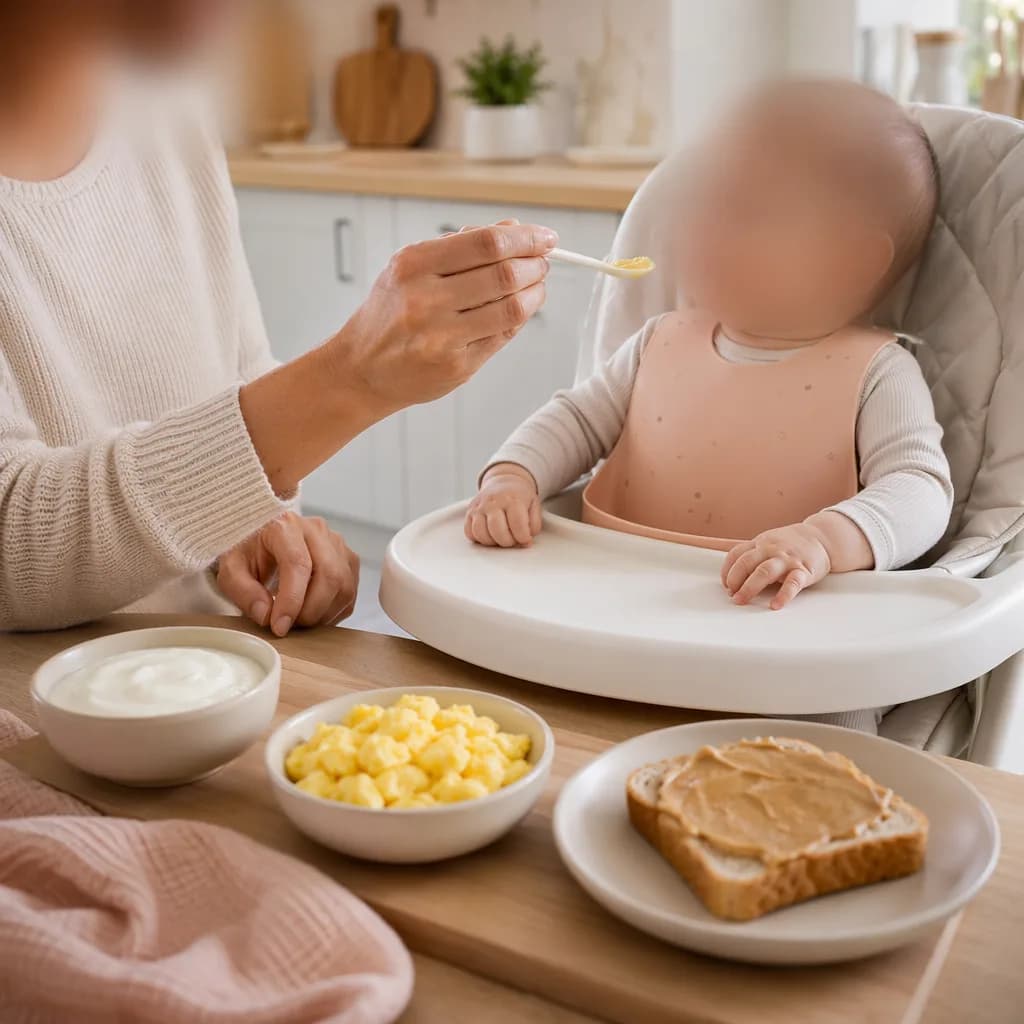 feeding
Introducing Allergens to Baby: Pediatrician Questions
A calm pediatrician question list for starting baby allergens, including readiness, high-risk signs, safe textures, reactions, and what to do next.
13 min readJul 9, 2026 feeding
Bottle Feeding Newborn: Amounts, Pace, Burps, Cues
A calm newborn bottle feeding guide with early amounts, paced feeding steps, burping tips, hunger cues, fullness cues, and when to call the doctor.
11 min readJul 6, 2026