
Common Newborn Skin Conditions: What Parents Can Do
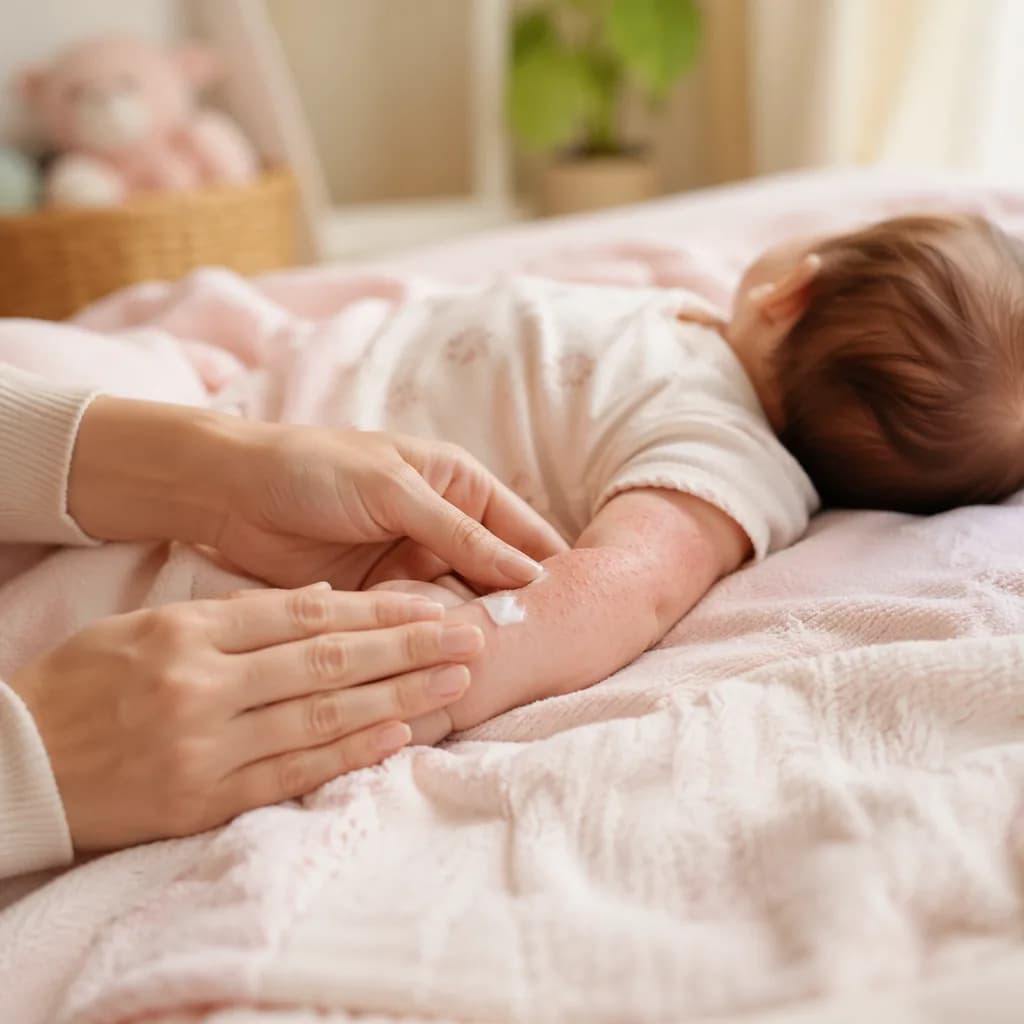
Why newborn skin looks different in the first weeks
Newborn skin has a lot of adjusting to do after birth. It’s thinner than adult skin, has less hair, and has less sweat and oil gland activity, which can make it more sensitive to rubbing, temperature changes, and everyday irritation. This is especially true for babies born early.
So if your baby’s skin looks a little surprising, you’re not alone.
In the first weeks, you might notice color changes, peeling, blotchy patches, or tiny temporary bumps. Some babies get bluish hands or feet when they’re cold or crying, then pink up again once they’re warm and settled. Others have a mottled, reddish-blue pattern on the trunk or limbs when the room is cool. These changes can look dramatic in the moment, especially at 2 a.m. under a bright nursery lamp, but many newborn skin conditions are innocent and temporary.
A gentle approach usually helps: keep baths simple, avoid scrubbing, dress your baby for the room temperature, and use soft fabrics against the skin. If you’re still in the name-and-nesting stage, browsing meanings like Aurora: meaning & origin or Tanmay Suresh Upadhyay: meaning & origin can be a sweet breather between diaper changes and skin checks.
Call your pediatrician promptly if your baby has a fever, spreading redness, blisters, pus, or seems unusually sleepy, hard to wake, or generally unwell. Trust that instinct. It’s always okay to ask.
Baby acne: what it looks like and what helps
Baby acne usually shows up as small red or white bumps on a newborn’s face, especially the cheeks, forehead, nose, or chin. It can feel alarming the first time you notice it, because newborn skin can look dramatic even when the condition itself is harmless.
It often appears around 2 to 4 weeks. Those early weeks are full of normal skin changes, and maternal hormones can play a part too. Newborn skin is thinner and more delicate than adult skin, so little bumps and redness can stand out more than you’d expect.
The care is simple. Wash your baby’s face with warm water, then pat it dry with a soft cloth. Don’t scrub. Skip acne washes, adult acne products, and heavy lotions unless your doctor tells you otherwise. More products can irritate newborn skin, even when we’re trying to help.
A real-life example: if your baby’s cheeks look redder after a feeding, gently wipe away milk or drool with warm water and keep the area dry. That one small habit can help prevent extra irritation, especially in those sweet cheek folds.
Call your baby’s doctor if the bumps look infected, spread widely, or last for several months. You should also ask sooner if your baby seems unwell or the rash just doesn’t look like typical baby acne to you. Parents notice patterns.
If you’re spending long feeding sessions reading baby name stories at 3 a.m., you might enjoy the calm meanings behind Aurora: meaning & origin or Tanmay Suresh Upadhyay: meaning & origin. Tiny distractions count.
Cradle cap: gentle ways to loosen flakes
Cradle cap can look a little alarming the first time you notice it. You might see greasy yellow, white, or brown scales on your baby’s scalp, eyebrows, or behind the ears. Sometimes it looks like stuck-on dandruff. Sometimes it looks thicker, almost like a waxy patch.
The reassuring part: cradle cap usually doesn’t hurt or itch. Your baby may seem completely unbothered by it, even while you’re quietly wondering if you should be doing something right away.
A gentle routine can help loosen the flakes without upsetting your baby’s skin:
- Rub a small amount of baby oil or mineral oil onto the scaly area.
- Let it sit briefly so the flakes can soften.
- Use a soft baby brush to loosen the scales with light strokes.
- Shampoo your baby’s hair afterward to wash away the oil and loosened flakes.
Keep the pressure feather-light. Baby skin is thinner and more delicate than adult skin, so “gentle” really means gentle here. Think of it like smoothing a tiny cowlick before a family photo, not scrubbing a pan after dinner.
Try not to pick at the flakes, even if one edge looks ready to lift. Picking can irritate the skin or leave tiny sores, which can make everything look redder and more uncomfortable.
If the area becomes very red, starts oozing, or the rash spreads beyond the usual spots, it’s time to check in with your baby’s doctor. Sometimes a medicated shampoo or prescription cream is needed, especially when regular gentle care isn’t enough.
And if you’re reading this during one of those late-night baby searches, maybe somewhere between skin questions and name ideas like Aurora: meaning & origin or Tanmay Suresh Upadhyay: meaning & origin, you’re in good company. Newborn skin brings up a lot of questions. Most of the time, calm, gentle care is the right first step.
Peeling, dry skin, and tiny white bumps
Newborn skin can look surprisingly flaky in the first weeks, especially around the wrists, ankles, hands, and feet. Babies born after their due date often peel more, which can make those tiny fingers and toes look almost over-washed. Most of the time, this is normal newborn skin adjusting after birth.
Tiny white bumps are common too. Milia can show up on the nose, cheeks, or chin, and they usually clear on their own. They can look like little pearls under the skin. Try not to squeeze them, even if they look tempting. Squeezing can irritate delicate skin and make things worse.
Keep skin care very simple. Short baths are enough, and you don’t need lots of bubbles, oils, or scented products. If you use a cleanser, choose a gentle, fragrance-free one and use just a small amount. After the bath, pat your baby dry instead of rubbing. For dry patches, a thin layer of plain moisturizer can help protect the skin without overwhelming it.
Skip adult creams unless your baby’s clinician recommends one. Newborn skin is thinner than adult skin, and strong ingredients can be too much.
It’s also worth watching the diaper area, since dry skin, rubbing, moisture, and irritation can overlap with diaper rash. Change diapers often, pat the area dry, and keep products simple there too.
And if you’re reading during a quiet contact nap while also saving baby name ideas, you might like Aurora: meaning & origin or Tanmay Suresh Upadhyay: meaning & origin.
Heat rash, drool rash, and diaper rash basics
Newborn rashes can look dramatic, and that can make a tired parent’s brain go straight to worry. The good news: many newborn skin changes are common, temporary, and manageable with simple care at home. Location gives us the first clue.
Heat rash usually shows up where sweat and warmth get trapped: skin folds, the neck, chest, back, or under snug clothing. If your baby feels warm or has been bundled, try cooling the room a little, removing one layer, and choosing soft, breathable cotton clothing. A good rule is to check the back of the neck or chest rather than tiny hands and feet, which can feel cooler for other reasons.
Drool rash tends to gather around the mouth, chin, cheeks, or neck folds. Even before teething, babies can be very drooly. Gently pat the skin dry instead of rubbing, change damp bibs often, and use a thin layer of barrier ointment on irritated spots. Think “thin shine,” not a thick frosting layer.
Diaper rash stays in the diaper area, where moisture and friction do their thing. Change diapers frequently, give your baby a little diaper-free air time when you can, and use a zinc oxide barrier cream to protect the skin. One real-life trick: lay baby on a towel after a change for a few minutes while you sing a song or read a name page like Aurora: meaning & origin. Tiny routines help.
Yeast can look different. Watch for a bright red rash, little spots around the edges, or redness tucked into skin folds that doesn’t improve after a few days of basic care.
Call your baby’s doctor if you see open sores, bleeding, pus, fever, or a rash that keeps getting worse despite gentle care. And if you’re already up at 2 a.m. searching baby names like Tanmay Suresh Upadhyay: meaning & origin, it’s okay to write down rash changes too. Clear notes make the call easier.
Birthmarks and color changes parents often notice
Newborn skin can surprise you. One morning you’re admiring tiny fingers, and then you spot a pink patch on an eyelid, a bluish-gray mark near the lower back, or a small red spot that you’re sure wasn’t there yesterday.
Many of these marks are common newborn findings. Parents often notice salmon patches on the eyelids or the back of the neck, Mongolian spots, and small red marks on the skin. Some birthmarks fade as babies grow. Some stay put. Others may change in size, color, or texture over time, which is why it helps to keep an eye on them without panicking.
A quick phone photo can be genuinely useful. Take one in natural light, then bring it up at the next well visit, especially if the mark looks different later. You can even jot a note in the same place you’re saving baby details, right next to name ideas like Aurora: meaning & origin or family-name notes such as Tanmay Suresh Upadhyay: meaning & origin.
Color changes are a little different. Newborns can look mottled when they’re cold, with a lacy red-blue pattern on the trunk or limbs. The simple fix is gentle warming: add a layer, hold baby skin-to-skin, or move away from a draft.
Call for urgent care if you see blue lips, gray-looking skin, or your baby is struggling to breathe. Those signs aren’t the same as harmless cold-related mottling, and they deserve immediate attention.
A simple newborn skin care routine
Newborn skin doesn’t need much. In fact, a boring routine is often the kindest one, especially while you’re sorting out common newborn skin conditions like dryness, tiny bumps, or mild redness.
Bathing two to three times a week is usually enough unless your baby is truly messy from spit-up, a diaper leak, or a very enthusiastic milk dribble. Use warm water, keep the bath short, and have a towel ready so your baby doesn’t get chilled. You don’t need bubbles, scrubbing, or a sink full of products. A small amount of gentle cleanser is plenty, and many baths can be mostly water.
Choose fragrance-free, dye-free products whenever you can. Newborn skin is thinner than adult skin, and it has less sweat and oil gland activity, so it can react dramatically even when nothing serious is going on. If a product smells like perfume, I’d skip it for now.
Laundry matters too. Use a mild detergent, avoid heavily scented fabric softeners, and rinse new clothes before the first wear. That tiny floral romper may look sweet, but leftover dye, finishing chemicals, or strong scent can be a lot for brand-new skin.
For clothing, soft cotton is a safe everyday choice. Dress your baby in one more layer than you’re wearing only if the room is cool. To check for overheating, feel the chest or back, not the hands and feet. Little hands can feel cool even when the baby is comfortable.
Keep it simple. Really.
A plain bath, clean cotton pajamas, and a quiet evening are enough. Some days, choosing a name like Aurora: meaning & origin or reading about Tanmay Suresh Upadhyay: meaning & origin may feel more complicated than baby skin care, and that’s okay. Simple care often works best.
When a rash needs the pediatrician
Most newborn rashes are common, harmless, and temporary, but some signs deserve quick medical help. Call your pediatrician urgently, or seek emergency care, if your newborn has a rash along with fever, poor feeding, unusual sleepiness, trouble breathing, purple spots, blisters, or swelling.
Those are the moments when we don’t wait and watch.
A same-day call is also a good idea if you notice pus, redness that’s spreading quickly, skin that feels warm or painful, or a new widespread rash in a baby younger than 1 month. Newborn skin can look dramatic even when something is mild, but young babies need a lower threshold for being checked.
For less urgent concerns, it’s still okay to ask. Maybe the rash is lasting longer than you expected. Maybe it keeps flaring up after baths or diaper changes. Or maybe you’ve read enough at 2 a.m. that your worry won’t settle. That counts too. Parents are allowed to need reassurance.
Before you call, take a few clear photos in natural light. A picture by a window often helps more than one under yellow bathroom lighting. Jot down anything new: soap, lotion, laundry detergent, diapers, wipes, medicine, or foods you’ve eaten if you’re breastfeeding. Tiny details can help your pediatrician spot a pattern.
And honestly, if your gut says something is off, call. You know your baby’s usual cry, usual feeding, and usual sleepy face better than anyone.
If you need a quiet little distraction while you wait for a call back, name meanings can be surprisingly soothing, like Aurora: meaning & origin or Tanmay Suresh Upadhyay: meaning & origin.
Frequently Asked Questions
What are the most common newborn skin conditions?
Common newborn skin conditions include baby acne, cradle cap, dry peeling skin, milia, heat rash, drool rash, diaper rash, and harmless birthmarks.
Does baby acne need treatment?
Usually no. Wash gently with warm water, pat dry, and avoid acne creams or scrubbing. Most baby acne clears on its own.
Can I pick flakes off cradle cap?
No. Picking can irritate the scalp. Soften flakes, brush gently with a soft baby brush, then shampoo.
How often should I bathe a newborn with dry skin?
Two to three baths a week is usually enough. Keep baths short, use warm water, and choose fragrance-free products.
When should I worry about a newborn rash?
Call the pediatrician for fever, blisters, pus, fast-spreading redness, purple spots, poor feeding, or a baby who seems unusually sleepy or sick.
Frequently asked questions
Is baby acne normal in newborns?
How can I treat cradle cap gently?
When should I call the doctor about my newborn’s skin?
References
Sources
External research this article was grounded in.
- Common (rapper) - Wikipediaen.wikipedia.org
- Newborn Skin: Common Skin Problems - PMCpmc.ncbi.nlm.nih.gov
- Newborn baby: Development, milestones & growth | BabyCenterbabycenter.com
- Newborn Care and Development 101whattoexpect.com