
How to Choose Bilingual Baby Names That Truly Fit
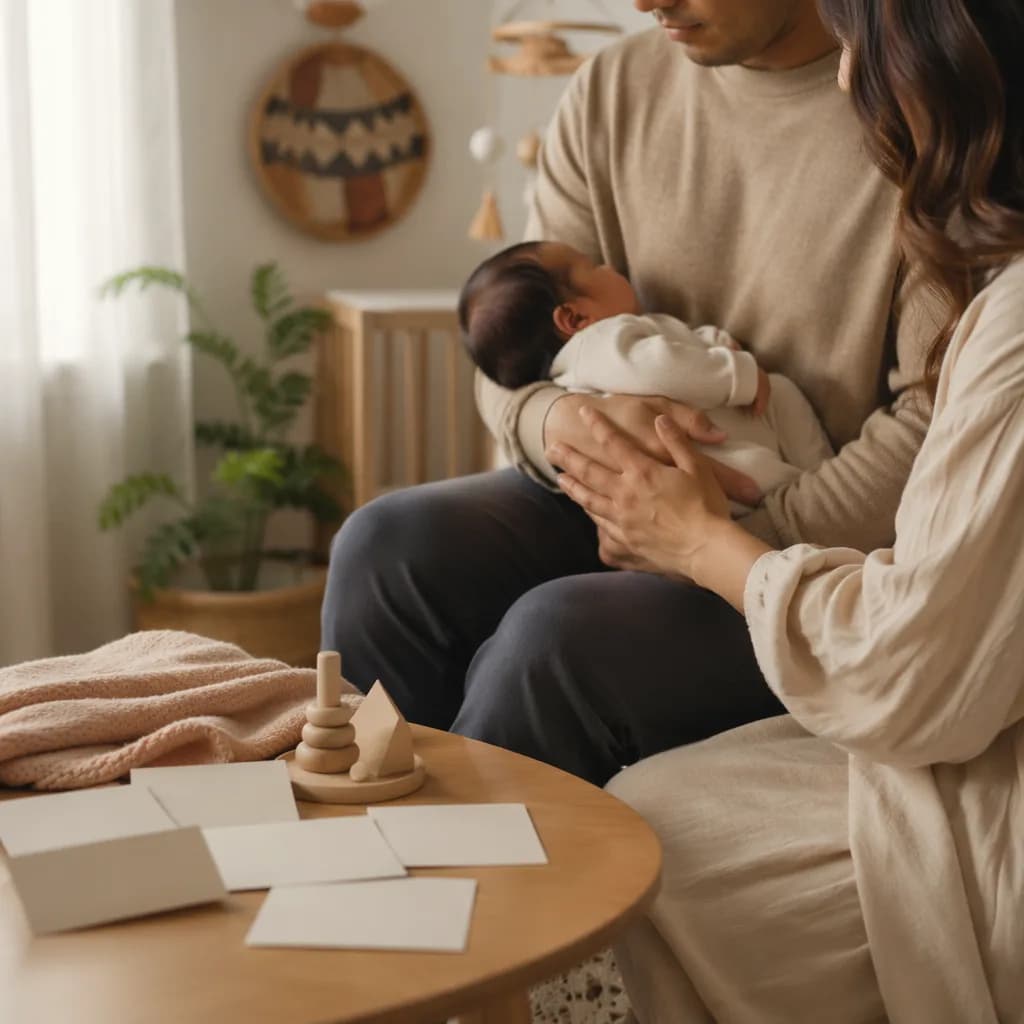
Start with the two languages your child will hear most
Begin by naming the languages as specifically as you can. Not just Spanish and English, but Mexican Spanish and American English. Not just Chinese and French, but Mandarin and French. Those details matter because pronunciation, nicknames, and even which sounds feel “easy” can shift from one family to another.
Then picture the name in real life.
Say it at home during breakfast. Say it when a teacher calls attendance. Imagine grandparents saying it with love, a religious leader reading it aloud, and the name printed on a passport, school form, or doctor’s chart. A bilingual name has to live in all those places, not just look pretty on a list.
This is where a short list helps. Choose baby names in two languages that feel natural in both settings, rather than names that only technically translate. For example, a name might exist in both languages, but if one side of the family would stumble every time they say it, it may not feel as easy day to day. Tools that find names shared across language lists can be a helpful starting point, but they’re still just idea-makers. Your ear matters more.
Also think about which language will shape pronunciation most often during childhood. If your child will spend weekdays in an American English-speaking school but weekends with Spanish-speaking grandparents, that rhythm may guide what feels right.
If you’re second-guessing a favorite, Baby Name Regret: What to Do When Doubt Hits can help you sort nerves from real concerns. And once the first name feels close, you can use How to Pick Middle Names That Flow Beautifully or Middle Names for Girls: Find One That Flows Well to balance sound, culture, and family meaning.
Some families also love looking at full-name examples, like Tanmay Suresh Upadhyay: meaning & origin, because it shows how layered a name can be. Take your time with that layering. Like building a calm newborn routine that flexes, the best choice usually comes from imagining ordinary days, not one perfect moment.
Test pronunciation with real people, not just name lists
Name lists are a helpful starting point, especially if you’re comparing two languages. But they can’t tell you what happens when Auntie says the name across the kitchen, or when your dad reads it from a text message and tries it out for the first time.
So before you settle, ask a few relatives or close friends in each language to say the name out loud without coaching. Don’t explain it first. Don’t say, “It’s pronounced like this.” Just show them the name and listen.
You’re not looking for perfection. You’re listening for patterns.
Some sounds are trickier across languages: a rolled R, the English TH, J sounds, X sounds, or vowel endings that shift depending on the speaker. A name may look simple on paper, then feel clunky in one side of the family. Or it may sound even sweeter than you expected.
Take Lucia. In English, one family might say loo-SEE-ah. In another language background, relatives might say LOO-syah or loo-CHEE-ah. None of those is automatically wrong. The real question is how you feel hearing them. Does it feel like a lovely family variation? Totally fine? Or does it make your shoulders tighten every time?
Also notice whether people shorten the name right away or turn it into something else. If everyone immediately changes Valentina to Vale, or Sebastian to Seb, that may be charming. It may also bother you. Better to find out now.
If you’re stuck between two names, try pairing each one with the middle name too. Flow can change everything, and our guide to How to Pick Middle Names That Flow Beautifully can help, especially alongside Middle Names for Girls: Find One That Flows Well.
And if doubt creeps in after all this testing, you’re not alone. Baby Name Regret: What to Do When Doubt Hits is there for that exact wobble. Names carry family, sound, and feeling, whether you’re choosing Lucia or exploring something as layered as Tanmay Suresh Upadhyay: meaning & origin.
Then let the decision breathe. Much like building a calm newborn routine that flexes, choosing a bilingual name works best when it has room for real life.
Check meaning, spelling, and slang in both languages
A bilingual name can look lovely on your list and still need a little stress test.
Start with meaning. Look up what the name means in each language you’re considering, and don’t stop at the first pretty definition you find. Some names carry older meanings, religious ties, or cultural links that may matter to one side of the family more than you expected. A name might feel sweet and modern in English, but formal, sacred, or strongly traditional in another language.
Then do the slightly awkward part: search for slang and sound-alikes. Say the name out loud in both languages. Say it fast. Say it with the last name. Ask yourself what a tired substitute teacher, a cousin, or a group of 9-year-olds might hear. You’re not trying to avoid every possible joke, because kids can rhyme anything. You’re just catching the obvious ones before they become daily friction.
Spelling deserves the same attention. Check accent marks, alternate spellings, and how the name may appear on passports, school forms, medical charts, and airline tickets. If one version uses an accent and another doesn’t, decide what you’ll use officially. Small choices can matter later.
For multicultural baby names, ask someone who actually grew up in that culture. Not just, “Can you pronounce this?” Ask, “Does this feel current, dated, very formal, or tied to one group?” That kind of feedback is hard to get from name lists alone. A tool like MixedName can give you names that appear in two languages, but real people can tell you how a name lands.
Also watch for names that seem simple on paper but invite constant correction. If you’re already feeling unsure, Baby Name Regret: What to Do When Doubt Hits can help you sort nerves from true concern.
And if the first name is doing a lot of cultural work, the middle name can bring balance. You might like How to Pick Middle Names That Flow Beautifully, Middle Names for Girls: Find One That Flows Well, or a meaning-rich example like Tanmay Suresh Upadhyay: meaning & origin. After all, once the baby is here, you’ll have plenty to think about, including tiny daily rhythms like How to Build a Calm Newborn Routine That Flexes.
Choose how much cultural connection you want the name to carry
Before you fall in love with a sound, get honest about what you want the name to do for your child.
Some parents want a name that clearly honors one side of the family. Maybe it’s a grandmother’s name, a saint name, or a name tied to a place your family still talks about at the dinner table. Other parents want a name that blends both backgrounds more quietly. And some want something widely international, a name that feels easy in many rooms without pointing strongly to one culture.
Names with shared roots can be a gentle middle ground. Anna, Maya, Adam, Leo, and Sofia appear across many languages, often with small pronunciation shifts rather than a total reinvention. That can make them feel familiar to relatives from different backgrounds while still giving your child a name that travels well.
Look beyond baby name lists, too. Family names, ancestral surnames, names from literature, music, faith traditions, or beloved stories can carry more meaning than a name chosen only because it looks pretty on paper. If you’re considering a longer cultural name, it can help to read through examples like Tanmay Suresh Upadhyay: meaning & origin and notice how meaning, sound, and family identity can sit together.
One gentle caution: don’t choose multicultural baby names only for style. If a name has a history, religious tie, or meaning you wouldn’t want attached to your child, pause. That pause now can save you from the kind of second-guessing many parents describe in Baby Name Regret: What to Do When Doubt Hits.
Also think about future siblings. If your first child has a strongly cultural name and your second has a very neutral one, will that feel right to you later? A middle name can balance things beautifully, especially if you’re pairing one heritage-forward name with one softer bridge name. These guides on how to pick middle names that flow beautifully and middle names for girls can help you test that rhythm.
You don’t have to solve your whole family story in one name. Some meaning can live in the first name, some in the middle, and some in the way you say it during ordinary days, like the quiet moments that come with a newborn routine that flexes.
Balance ease, identity, and family expectations
A bilingual baby name doesn’t have to be plain to be practical. A name can be easy for both sides of the family to say and still carry real history, sound, and meaning.
Start by separating true practical concerns from pressure. “My dad can’t pronounce the R sound in this name” is a practical concern. “My aunt thinks it sounds too modern” is pressure. Those are different problems, and they don’t deserve the same amount of weight.
Before you share your list widely, decide whose opinions matter most. For many parents, that’s the two of you, plus maybe grandparents if they’ll be deeply involved day to day. If you ask every cousin, group chat, and coworker, you may end up with a pile of reactions instead of clarity. And if doubt starts getting loud after you’ve chosen, Baby Name Regret: What to Do When Doubt Hits can help you sort normal second-guessing from a real mismatch.
If one side of the family struggles with a name, you still have options. Maybe there’s a nickname that feels natural in both languages. Maybe the middle name gives the other side a strong point of connection. Maybe an alternate pronunciation at home is fine, as long as you’re comfortable with it. If the middle spot is doing some of that family or language balancing, How to Pick Middle Names That Flow Beautifully is a helpful next read, and Middle Names for Girls: Find One That Flows Well has more focused ideas for daughters.
Then test the name across a whole life, not just a newborn announcement.
Say it as a teacher taking school roll call. Picture it on a 15-year-old’s sports roster or art project. Put it in a work email signature for a 45-year-old. Try it on a wedding invitation. Now hear a grandparent calling it across the kitchen while dinner’s getting cold.
That kitchen test is often the one that tells the truth.
You can also look at full-name rhythm and cultural fit the way you would with a name like Tanmay Suresh Upadhyay: meaning & origin, where each part contributes to the whole. The goal isn’t to please everyone. It’s to choose a name that your child can grow into, one that feels usable in daily life and still rooted in something real.
And once baby arrives, remember that names settle in with time, just like feeding rhythms and naps. A calm, flexible start helps everywhere, including the tiny routines around saying your baby’s name a hundred times a day. If you’re preparing for that stage too, How to Build a Calm Newborn Routine That Flexes is a gentle place to start.
Use middle names and nicknames with intention
Middle names can do quiet, beautiful work in a bilingual name.
If the first name feels easy across both languages, the middle name can carry a more specific piece of family history. Maybe you choose an international first name like Sofia, Luna, Layla, or Emma, then pair it with a middle name that belongs strongly to one side of the family. Or you might do the reverse: use a culturally specific first name, then choose a middle name that’s simple for both families to say. If you’re playing with rhythm, syllables, and family meaning, our guide to how to pick middle names that flow beautifully can help you hear the full name more clearly.
Try saying the whole name the way it’ll actually be used: first-middle-last, first-last, initials, and the “we’re late for school” version called from the hallway.
Nicknames deserve the same test. A nickname that sounds sweet in one language can feel clunky, funny, or too close to another word in the other. Say it with grandparents’ accents. Say it fast. Text it to a cousin and ask, “What would you naturally call this baby?”
Some children end up with one shared nickname across the whole family. Others have different affectionate names in each household or language, and that can be lovely too. A child named Natalia might be Nati with one side of the family and Lia with another.
Don’t force it, though. If the full name is the part you truly love, you’re allowed to let it stand. Nicknames often arrive on their own after the baby does, right alongside tiny routines, favorite songs, and all the flexible patterns we talk about in building a calm newborn routine that flexes.
Make a simple scoring list before you decide
Once you’ve gathered a few bilingual baby names, try taking the emotion down just one notch with a simple scoring list. Not forever. Just long enough to see what’s really working.
Pick five to ten names. Forty names will make you second-guess everything, especially if you’re balancing two languages, two families, and maybe two writing systems or accents. A shorter list is kinder to your brain.
For each name, rate it from 1 to 5 in a few clear categories:
- Pronunciation in both languages
- Spelling
- Meaning
- Cultural fit
- Family comfort
- Personal love
Then give extra weight to what matters most to you. Maybe pronunciation is the big one because both grandparents need to feel comfortable saying it. Maybe meaning matters more, especially if you’re drawn to names with layered roots, like the kind you’d see in Tanmay Suresh Upadhyay: meaning & origin. No name will score perfectly everywhere, and that’s okay.
After that, test your top three in real life. Say them out loud for a few days in ordinary sentences: “Maya, your socks are under the couch.” “Leo, time for bed.” “Amara, Grandma’s on the phone.” It feels silly for about ten seconds, then it gets useful.
You can also try each name with a middle name, especially if rhythm is the sticking point. These guides on how to pick middle names that flow beautifully and middle names for girls that flow well can help you hear the full name more clearly.
And then notice something quiet: which name do you keep coming back to when no one else is weighing in?
That pull matters. Doubt may still pop up later, and if it does, baby name regret is more common than many parents admit. For now, aim for steady, not perfect. The same way a newborn routine can flex, your naming process can leave room for both thought and feeling.
Bilingual names that often work across languages
Some names just travel well. They’re short, familiar, and easy for different relatives to say without too much explanation. That doesn’t mean they’ll sound exactly the same everywhere, but they often give families a good place to begin.
Short vowel names are usually the easiest starting point. Think Leo, Mila, Nina, Nora, and Eva. They’re brief, warm, and clear on paper. A grandparent reading the birth announcement or a teacher calling roll can usually make a solid first try.
Soft-ending names can feel gentle across languages, especially when they end in “a” or another open sound. Clara, Rosa, Mila, Nina, and Eva fit here. If you’re also thinking about rhythm with a second name, our guide to how to pick middle names that flow beautifully can help you hear the whole name out loud, not just the first name on its own. For girl-name pairings, you may also like Middle Names for Girls: Find One That Flows Well.
Biblical and classic names often have versions in many languages, which can make them feel familiar in more than one community. Daniel and Elias are good examples. Sami may also feel at home in families looking for a name with Arabic connections, depending on the community and pronunciation.
You’ll also find names with shared Latin, Greek, Hebrew, Arabic, or Sanskrit roots that appear in more than one naming tradition. The key is to check the actual name, not just the origin label. A name like Tanmay Suresh Upadhyay, for example, shows how much meaning, language, and family history can sit inside one full name.
Treat this list as a starting point, not a shortcut. Popularity and pronunciation still vary by country, region, and family. Before you decide, say the name with the people who’ll use it most: grandparents, cousins, close friends, maybe the sibling who’ll be shouting it across the living room.
And if doubt creeps in later, you’re not alone. Baby Name Regret: What to Do When Doubt Hits is there for that tender moment too, right alongside the newborn days when you’re figuring out a calm routine that can flex.
Frequently Asked Questions
What makes a baby name truly bilingual?
A bilingual baby name is easy enough to say, spell, and recognize in two languages while still feeling right for your family.
Should we choose one pronunciation or allow two?
Either can work. Choose one if consistency matters to you, or allow two if both pronunciations feel natural and respectful.
Are international baby names the same as bilingual baby names?
Not always. International baby names are used in many countries, while bilingual names specifically work well in your child's two languages.
How do we avoid choosing a name with a bad meaning?
Check trusted name sources, search slang in both languages, and ask native speakers who understand everyday use.
What if grandparents can't pronounce the name?
Decide if a gentle correction, family nickname, or middle name solves it. If the struggle feels constant, keep testing other names.
Can we use accent marks on official documents?
It depends on the country, state, or records system. Check birth certificate rules before choosing a spelling with accents.
Frequently asked questions
What makes a baby name bilingual?
Should we choose a name that is spelled the same in both languages?
How do we test pronunciation before choosing a bilingual name?
Is it okay if each side of the family says the name a little differently?
References
Sources
External research this article was grounded in.
Related reading
More from the journal → guides
How to Avoid Baby Name Regret Before and After Birth
Worried the baby name you chose might not feel right? Here’s how to test names before birth, handle doubts after, and know when a change makes sense.
16 min readJul 15, 2026 guides
Baby Name Popularity: Rankings, Trends, Regret
Baby name popularity can be helpful, but rank isn’t the whole story. Learn how trends, spelling clusters, local use, and name regret really work.
14 min readJul 11, 2026 guides
How to Make a Baby Name Shortlist You Actually Love
A calm, practical way to build a baby name shortlist you both genuinely like, without turning every name into a late-night debate.
11 min readJul 8, 2026