
Japanese Baby Names With Meanings and Pronunciation
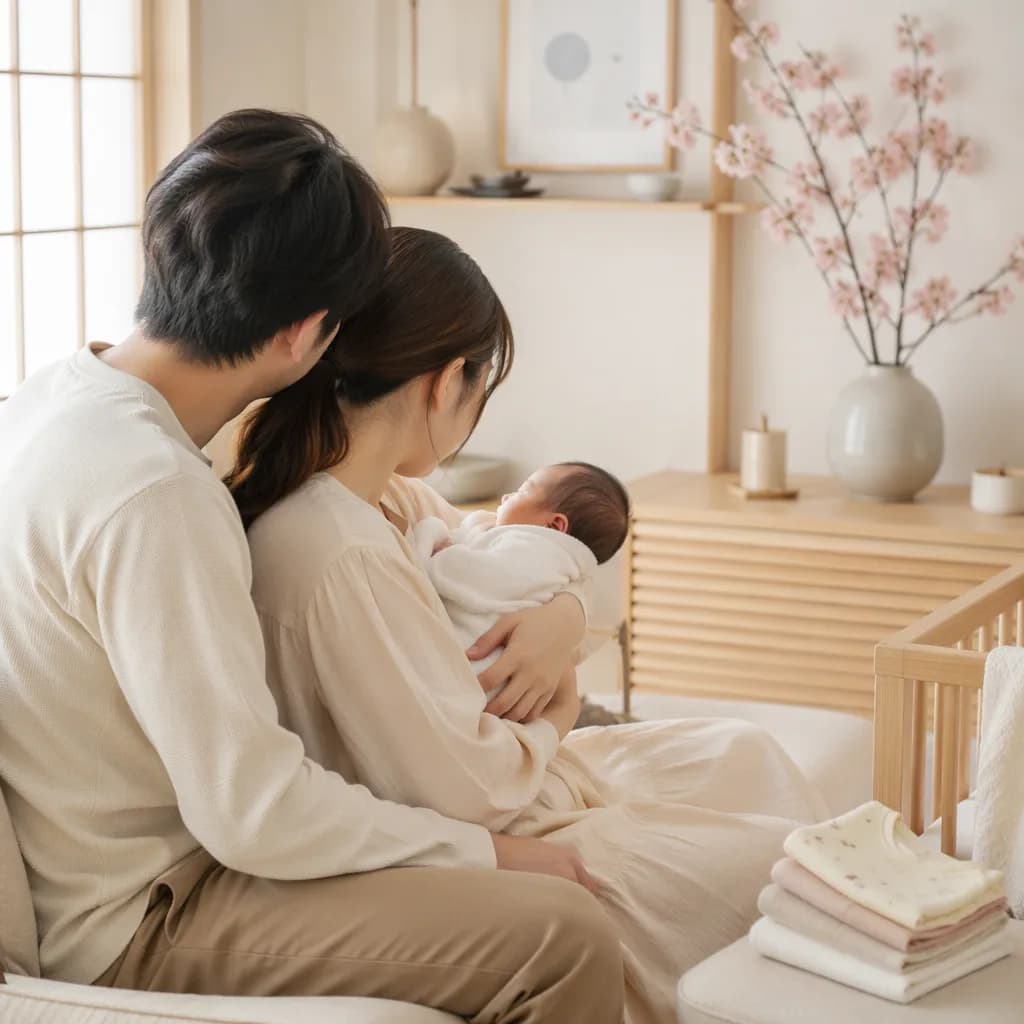
How Japanese baby names are usually chosen
Japanese baby names often carry meaning through kanji, sound, family preference, season, nature, or a hope parents have for their child. That’s part of what makes them feel so layered. A name may sound simple out loud, but the written form can add warmth, imagery, and family intention.
One key thing to understand: the same spoken name can have several kanji spellings. So the meaning can change even when the pronunciation stays the same. For example, Haru may be connected with spring, sunlight, or clear weather depending on the kanji a family chooses. The sound stays gentle and bright, but the feeling behind it can shift.
Many Japanese families also think carefully about details beyond meaning. Stroke count can matter. So can the visual balance of the given name with the surname, how natural the kanji look together, and whether other people will be able to read the name easily. A name that looks beautiful on paper but is constantly misread may feel tiring for a child later.
Nature names are especially loved in many lists of Japanese names, with meanings tied to flowers, sky, snow, land, ocean, and seasons. Sakura means cherry blossom, Yuki means snow, Sora means sky, and Daichi means great land. These names feel poetic without being fussy.
If you’re choosing a Japanese name from outside Japan, it’s absolutely okay to admire the beauty of the language and naming style. Just take the extra step to check the pronunciation, kanji meaning, and cultural context first. The same care applies across cultures, from Arabic baby names with strong meanings for boys and girls to names like Rami or Aurora, where sound and meaning both shape the choice.
Japanese girl names with sweet, strong meanings
Japanese girl names can feel light as spring, bright as sunshine, or quietly strong. Because Japanese writing can use kanji, hiragana, and katakana, the meaning of a name often depends on the kanji a family chooses. So names connected with love, flower, light, ocean, or spring may have more than one possible meaning.
Here are some lovely choices to keep on your list:
| Name | Pronunciation | Meaning or feel |
|---|---|---|
| Aiko | AH-ee-ko | A sweet, classic-feeling name. The meaning depends on the kanji chosen. |
| Akari | ah-KAH-ree | Bright and gentle in sound. Check the kanji for the exact meaning. |
| Hana | HAH-nah | Means “flower” (花). Simple, warm, and easy to love. |
| Haruka | hah-roo-kah | Soft and graceful. The meaning can vary by kanji. |
| Hina | HEE-nah | Means “sun, greens” (陽菜). Sunny, fresh, and sweet. |
| Ichika | EE-chee-kah | A pretty modern-sounding choice. Meaning depends on kanji. |
| Mei | MAY-ee | Means “bright, sprouting” (芽依). Small, lively, and full of new-beginning energy. |
| Mio | MEE-oh | Means “beautiful cherry blossom” (美桜). Delicate but not fussy. |
| Nanami | nah-NAH-mee | Means “seven seas” (七海). Gentle, flowing, and a little adventurous. |
| Rin | reen | Short and crisp. The meaning depends on kanji, which gives parents room to choose the feeling they want. |
| Sakura | sah-koo-rah | Means “cherry blossom” (桜). Familiar, floral, and deeply tied to natural beauty. |
| Sora | SOH-rah | Means “sky” (空). Open, airy, and peaceful. |
| Yui | YOO-ee | Means “bind, love” (結衣). Soft, affectionate, and very wearable. |
| Yuna | YOO-nah | Light and melodic. Look closely at the kanji, since the meaning can change. |
| Yuzuki | YOO-zoo-kee | Gentle and modern in style. The kanji choice will shape the meaning. |
If you’re drawn to names with strong meaning across cultures, you might also like browsing Arabic Baby Names With Strong Meanings for Boys and Girls. For a short, warm name, Rami: meaning & origin has a lovely feel, while Aurora: meaning & origin may appeal if you love bright, light-filled names.
Japanese boy names with brave, gentle, and bright meanings
Japanese boy names can feel strong without sounding harsh. Many have nature meanings, bright imagery, or a calm sense of character, and the meaning can shift depending on the kanji chosen. That’s one reason two boys can share the same spoken name while their written names carry different shades of meaning.
If you’re comparing names across cultures, it can help to say each one out loud at the breakfast table. “Kai, put your shoes on” feels very different from “Haruto, where’s your backpack?” Both can be lovely. One is just shorter and more familiar for many English speakers.
| Name | Pronunciation | Possible meaning or image | Style note |
|---|---|---|---|
| Akio | Ah-kee-oh | Bright, clear, or manly depending on kanji | Warm and classic, with an easy rhythm |
| Daiki | Dai-kee | Big tree, great brightness, or excellence | Strong and grounded |
| Haruto | Hah-roo-toh | Sun flying | Popular in Japan, bright and energetic |
| Hinata | Hee-nah-tah | Sunlight or sunny place depending on kanji | Gentle, warm, and nature-filled |
| Hiro | Hee-roh | Broad, generous, or abundant depending on kanji | Short, friendly, easy in English |
| Itsuki | Eet-soo-kee | Tree | Calm, handsome, and rooted |
| Kai | Kai | Ocean or shell depending on kanji | Very easy for English speakers to say |
| Kaito | Kai-toh | Ocean flying | Adventurous, fresh, and open-sky feeling |
| Kenji | Ken-jee | Strong, wise, or second son depending on kanji | Familiar, steady, and classic |
| Ren | Rehn | Lotus | Short, graceful, and simple to pronounce |
| Riku | Ree-koo | Land | Earthy and modern |
| Sota | Soh-tah | Sky, big, or thick depending on kanji | Popular in Japan, cheerful and open |
| Takumi | Tah-koo-mee | Artisan, skillful | Creative, capable, and refined |
| Yori | Yoh-ree | Trust, reliance, or virtue depending on kanji | Soft and uncommon |
| Yuto | Yoo-toh | Gentle person or person of virtue depending on kanji | Popular in Japan, gentle but strong |
For an English-speaking family, Kai and Ren may feel especially smooth because they’re short and familiar in sound. Haruto, Yuto, and Sota keep a more distinctly Japanese rhythm while still being easy to learn after one or two tries.
If you’re drawn to names with strength across cultures, you might also like our list of Arabic Baby Names With Strong Meanings for Boys and Girls. And if soft, bright meanings appeal to you, Rami: meaning & origin and Aurora: meaning & origin are lovely names to compare beside Japanese choices like Haruto, Hinata, and Kaito.
Gender-neutral Japanese names parents may love
Japanese names can feel wonderfully flexible, especially because meaning often depends on the kanji chosen. A name may sound neutral out loud, then lean more masculine or feminine once it’s written. Usage can also shift by region, generation, and family tradition, so it’s smart to look at the whole picture.
Here are some gender-neutral Japanese baby names parents may love:
- Aoi (Ah-oi), blue or hollyhock, 葵
- Haru (Hah-roo), spring or sunlight, 春
- Hikaru (Hee-kah-roo), light or radiance, 光
- Kaoru (Kah-oh-roo), often connected with fragrance
- Kei (Kay), a short, crisp name with many possible kanji choices
- Makoto (Mah-koh-toh), often associated with sincerity or truth
- Nao (Nah-oh), a gentle sound with several possible spellings
- Rei (Ray), another compact name whose feel changes with kanji
- Ren (Rehn), lotus, 蓮
- Rui (Roo-ee), soft and modern in sound
- Sora (Soh-rah), sky, 空
- Tsubasa (Tsoo-bah-sah), wings, 翼
- Yuki (Yoo-kee), snow, 雪
Some of these feel truly neutral to many ears. Others may lean masculine or feminine depending on spelling or common use. A good example is Yuki. It can be connected with snow, happiness, or other meanings depending on the kanji, so two children named Yuki may carry very different name stories.
If cultural fit matters to you, check how the name is usually received in Japan, not just how it looks on a baby name list. That extra step can save confusion later. And if you’re comparing names across cultures, you might also like Arabic Baby Names With Strong Meanings for Boys and Girls, Rami: meaning & origin, or Aurora: meaning & origin.
Japanese names meaning love, light, flower, and sky
A sweet way to browse Japanese baby names is to start with the feeling you want the name to carry. Love. Light. A flower opening in spring. A wide blue sky.
One gentle caution first: Japanese baby names with meanings should always be checked with the exact kanji, not just the romanized spelling. The same sound can be written different ways, and the meaning can change with the characters. That’s especially true for love-related names like Aiko, Manami, and Megumi. If one of those feels right, look closely at the kanji before you fall in love with it.
For light and brightness, names can feel warm without being too showy. Akari, Hikari, Haruki, and Mitsuki are lovely names to place on your list for this style. From the names we’ve covered, Akira means “bright, clear” (明), Hikaru means “light, radiance” (光), Haruto means “sun flying” (陽翔), and Hina means “sun, greens” (陽菜). Haru also has that soft seasonal glow, with the meaning “spring, sunlight” (春).
Flower and nature names are some of the easiest to picture. Hana means “flower” (花). Sakura means “cherry blossom” (桜), and Sumire means “violet flower” (菫). Ren means “lotus” (蓮), Aoi means “blue, hollyhock” (葵), and Kaede is another nature name parents often consider. These names feel rooted and visual, like you can imagine them written on a nursery wall.
For sky, ocean, and weather-inspired names, Sora means “sky” (空), while Kaito means “ocean flying” (海翔). Kai, Nami, Haru, and Hinata fit beautifully into this breezy, open category too. If you love names with a similar bright, airy feeling across cultures, you might also like Aurora: meaning & origin, or a short, gentle name like Rami: meaning & origin. For another naming tradition with strong symbolic choices, see Arabic Baby Names With Strong Meanings for Boys and Girls.
Pronunciation tips for Japanese baby names
Japanese pronunciation is usually gentler than English parents expect. The vowel sounds stay pretty steady, which helps a lot once you get the hang of them.
Here’s the simple version:
- a sounds like a in father
- i sounds like ee in machine
- u is a soft oo, often lighter than in English
- e sounds like e in met
- o sounds like o in go
Each syllable is usually spoken clearly. So Sakura is sa-ku-ra, not suh-KUR-uh. Haruto is ha-ru-to, with each part getting its little moment. This is one reason Japanese names can feel so clean and musical when spoken aloud.
A few examples:
| Name | Say it like |
|---|---|
| Aiko | ah-ee-ko |
| Haruto | ha-ru-to |
| Ren | rehn |
| Yui | yoo-ee |
| Hikari | hee-ka-ree |
Long vowels can be a little tricky, so go slowly here. A name like Yuto may sometimes be written or heard closer to Yuuto, depending on the romanization and spelling. That extra vowel sound can change the rhythm, almost like yuu-to instead of yu-to. If you love a name, check the kanji, spelling, and pronunciation together before deciding.
The Japanese r is another place parents sometimes pause. It isn’t exactly the English r, and it isn’t exactly l either. Please don’t panic. Most English speakers will naturally land somewhere close, and what matters most is that you choose the name with care and learn it respectfully.
Before you put any name on the birth certificate, listen to native speakers say it a few times. Say it with your surname. Whisper it, call it across the kitchen, imagine a teacher reading it at school.
If you’re comparing names across cultures, you might also like our lists of Arabic Baby Names With Strong Meanings for Boys and Girls, or individual name pages like Rami: meaning & origin and Aurora: meaning & origin.
Kanji, hiragana, and romanized names explained
Japanese names can look simple in English, but the writing system carries a lot of the meaning. Japanese uses kanji, hiragana, katakana, and romaji, and each one does a different job.
Kanji are Chinese characters used in Japanese writing. In names, kanji often carry the meaning, like flower, light, sky, lotus, or strong. Hiragana is one of Japan’s phonetic scripts, so it shows sound rather than a built-in picture meaning. Katakana is another phonetic script, often used for certain foreign words and names. Romaji is Japanese written with Latin letters, the alphabet English-speaking parents are used to seeing.
That’s why many parents first meet Japanese names in romaji: Sakura, Ren, Yuki, Aoi, Haruto. Romaji helps you say the name, but it doesn’t tell you the full meaning. It’s a little like seeing Rami or Aurora written in English letters. You can pronounce it, but you may still want the origin and meaning before you feel sure.
Aoi is a good example. You might see Aoi written as 葵, meaning hollyhock, and also connected with blue depending on the kanji and reading. So the meaning isn’t automatic from “Aoi” alone. The spelling in romaji gives the sound, while the kanji choice gives more of the name’s story.
Some names are written in hiragana, and those spellings can feel softer or simpler, especially for some girls’ names. Kanji, on the other hand, can add layered meaning and visual beauty.
One gentle caution: don’t choose kanji from a random chart and assume it works as a name. Ask a fluent Japanese speaker or use a reliable naming source, especially if the name will be part of your child’s real identity. Meanings matter, just as they do in traditions like Arabic baby names with strong meanings for boys and girls.
How to choose a Japanese name respectfully
Choosing a Japanese baby name can feel deeply personal, especially if you’re Japanese, part Japanese, raising a child with family ties to Japan, or simply drawn to the language and culture. Go slowly. A name can be beautiful on the page and still need a little more checking before it belongs on a birth certificate.
Start with the basics: meaning, pronunciation, kanji, and everyday use in Japan. Japanese uses a mix of kanji, hiragana, and katakana, and many names can carry different layers depending on the characters used. So if a name list says “Haru” means spring or sunlight, look at the kanji attached to that version. The sound matters, but the written form matters too.
Think about daily life as well. Say the full name out loud with your family surname. Try it in a classroom roll call, on a doctor’s form, and at a playground. If you live outside Japan, consider how often your child may need to correct pronunciation. Some families are comfortable with that. Others may want a name that travels more easily.
A concrete example: Sakura is often loved because of cherry blossoms. It’s a sweet, familiar name with the kanji 桜. Before using it, learn why cherry blossoms carry seasonal and cultural meaning in Japan, rather than choosing it only because the sound feels pretty.
Try not to pick a Japanese name just because it sounds cute if you’re unsure what it means or how it’s used. The same care applies across naming traditions, from Arabic baby names with strong meanings to individual name stories like Rami or Aurora.
Careful research isn’t overthinking. It’s one of the kindest ways to show respect.
Quick list of popular Japanese baby names
Japanese names are lovely to browse because the spoken name is only part of the story. The kanji can change the meaning, even when the pronunciation stays the same, so two children named Aoi or Haruto may have names with different written forms and slightly different symbolism.
Popularity also shifts year to year. Kanji trends can move quickly too, especially for names parents already love.
Japanese girl names
| Name | Pronunciation | Short meaning |
|---|---|---|
| Himari | Hee-mah-ree | Meaning varies by kanji |
| Tsumugi | Tsoo-moo-gee | Meaning varies by kanji |
| Mei | May-ee | Bright, sprouting |
| Ema | Eh-mah | Meaning varies by kanji |
| Sakura | Sah-koo-rah | Cherry blossom |
| Hina | Hee-nah | Sun, greens |
| Hana | Hah-nah | Flower |
| Yui | Yoo-ee | Bind, love |
| Mio | Mee-oh | Beautiful cherry blossom |
| Airi | Eye-ree | Love jasmine |
Japanese boy names
| Name | Pronunciation | Short meaning |
|---|---|---|
| Haruto | Hah-roo-toh | Sun flying |
| Minato | Mee-nah-toh | Meaning varies by kanji |
| Riku | Ree-koo | Land |
| Kaito | Kai-toh | Ocean flying |
| Daichi | Dai-chee | Great land |
| Shota | Shoh-tah | Soaring, big |
| Kenta | Ken-tah | Strong, healthy |
| Yuuto | Yoo-toh | Gentle person |
| Hiroto | Hee-roh-toh | Vast, big |
| Takumi | Tah-koo-mee | Artisan, skillful |
Gender-neutral Japanese names
| Name | Pronunciation | Short meaning |
|---|---|---|
| Aoi | Ah-oi | Blue, hollyhock |
| Sora | Soh-rah | Sky |
| Ren | Rehn | Lotus |
| Yuki | Yoo-kee | Snow |
| Haru | Hah-roo | Spring, sunlight |
| Akira | Ah-kee-rah | Bright, clear |
| Hikaru | Hee-kah-roo | Light, radiance |
| Itsuki | Eet-soo-kee | Tree |
If you’re comparing name styles across cultures, you might also like these strong Arabic baby names for boys and girls. For a softer cross-cultural feel, Rami and Aurora are sweet places to look next.
Frequently Asked Questions
What are some beautiful Japanese baby names with meanings?
Aiko can mean beloved child, Sakura is tied to cherry blossoms, Haruto may mean sun or light, and Ren can mean lotus, depending on kanji.
What is a good Japanese girl name for a baby?
Hana, Yui, Mei, Sakura, Akari, and Rin are lovely Japanese girl names. Each is short, warm, and fairly easy to pronounce.
What is a good Japanese boy name for a baby?
Haruto, Ren, Kaito, Riku, Yuto, and Kenji are strong choices. Their meanings can include sunlight, lotus, ocean, land, and wisdom.
Are Japanese baby names gender-neutral?
Some are. Aoi, Haru, Hikaru, Ren, Sora, Yuki, and Nao can be gender-neutral, though the kanji and common usage matter.
Why do Japanese names have different meanings?
Many Japanese names can be written with different kanji. The sound may stay the same, but the written characters can change the meaning.
How do you pronounce Japanese baby names correctly?
Say each syllable clearly and use simple vowel sounds. For example, Sakura is sa-ku-ra, and Aiko is ah-ee-ko.
Can I use a Japanese baby name if my family is not Japanese?
Yes, but choose with care. Check the meaning, pronunciation, kanji, and cultural context so the name is used respectfully.
Do Japanese baby names need kanji?
In Japan, names are often written in kanji, hiragana, or sometimes katakana. Outside Japan, many families use the romanized spelling.
Frequently asked questions
Why can one Japanese baby name have different meanings?
What should I check before choosing a Japanese name?
Are nature-inspired Japanese names common?
Can I use a Japanese baby name if I’m not Japanese?
References
Sources
External research this article was grounded in.
- Japanese language - Wikipediaen.m.wikipedia.org
- 600 Royal & Unique Japanese Names With Meanings For Boys & Girls - Zyra Nameszyranames.com
- Easy Japanese Learn Japanese | NHK WORLD-JAPANwww3.nhk.or.jp
Related reading
More from the journal → culture
Biblical Baby Names: Meanings, Origins, Rare Picks
A warm guide to biblical baby names, with meanings, origins, familiar favorites, rare picks, and faith-filled choices for boys and girls.
16 min readAug 3, 2026- culture
Irish Baby Names: Meanings, Pronunciations, Favorites
A warm guide to Irish baby names, with meanings, pronunciation help, and parent-friendly notes on names like Liam, Saoirse, Maeve, Finn, and Aoife.
18 min readAug 3, 2026 - culture
Irish Baby Names: Meanings, Pronunciation Tips
Irish baby names with meanings, pronunciation tips, spelling notes, and parent-friendly examples like Aoife, Saoirse, Niamh, Maeve, and Róisín.
15 min readAug 3, 2026