
Postpartum Recovery Essentials for the First Weeks
What to keep within arm's reach after birth
The first weeks after birth are full of tiny, repeated needs. Water. A snack. A clean burp cloth. Your phone charger. Something for soreness. It helps to gather those things before you’re pinned under a sleeping baby or trying to stand up carefully after a feed.
Set up one small basket near the bed or couch, wherever you’ll spend the most time recovering. Postpartum usually begins right after childbirth and often covers the first six to eight weeks, and your body is healing while you’re also caring for a newborn. Keeping basics close is one simple way to protect your energy. If you’re planning ahead, this pairs well with gentle routines from Postpartum Self Care Habits for the First Weeks.
A good recovery basket might include:
- A large water bottle
- Easy snacks, like granola bars or crackers
- Pain medicine approved by your provider
- Lip balm
- A long phone charger
- Burp cloths
- A small trash bag
- Nipple cream, if you’re breastfeeding
- A peri bottle, especially after a vaginal birth
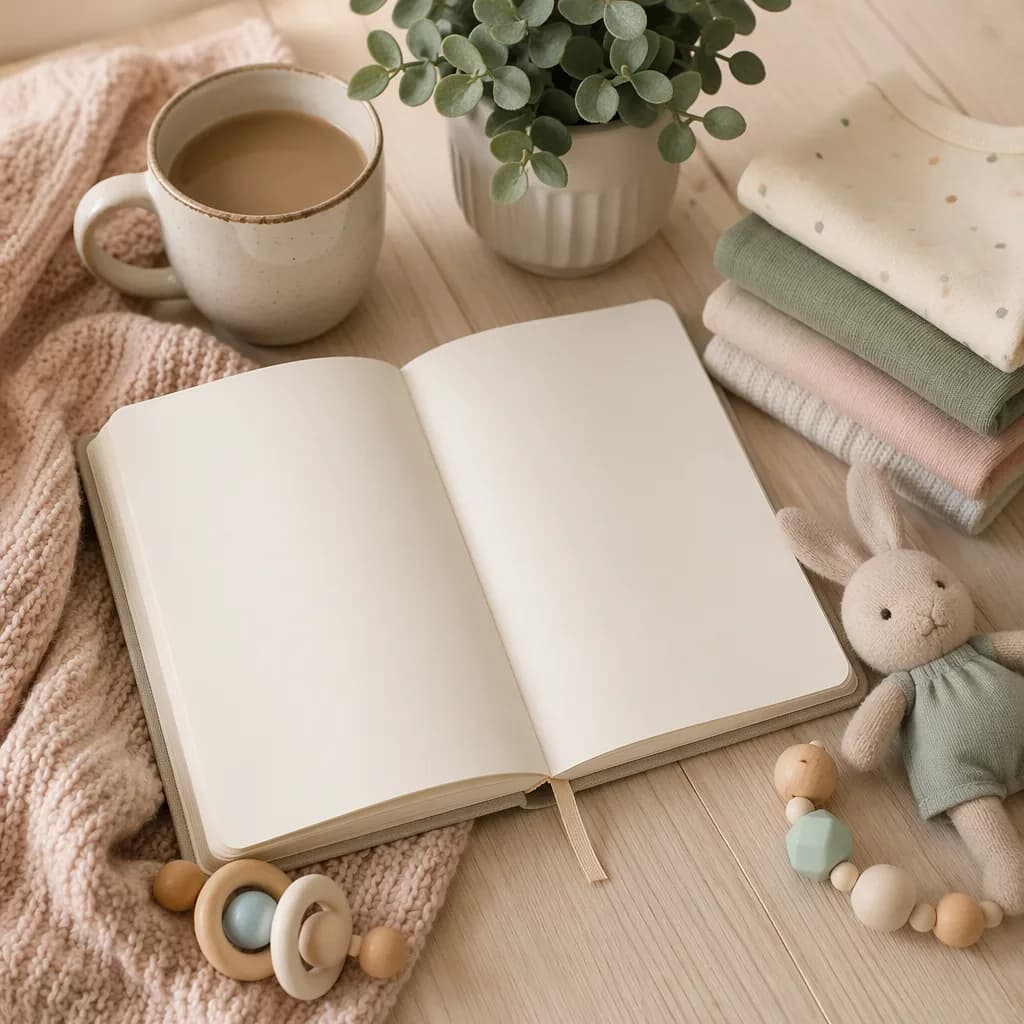
Add a notebook or a phone note, too. Use it for feeding times, medicine timing, diapers, and questions you want to ask your provider at postpartum checkups. Sleep deprivation makes even simple details slippery.
A real-life version: keep granola bars, ibuprofen, nipple cream, and a peri bottle in a handled caddy. Then you can move from bedroom to living room without hunting through drawers.
And if the tiredness starts feeling heavier than ordinary new-baby exhaustion, New Parent Burnout: Signs, Causes, and Small Fixes may help you name what’s going on.
Bathroom items for bleeding, stitches, and soreness
The most useful postpartum recovery essentials often live in the bathroom, especially during the first 1-2 weeks. That’s where you’re dealing with bleeding, peeing, stitches, soreness, and the slightly terrifying thought of that first bowel movement.
Before you come home, stock heavy-flow maternity pads or adult disposable underwear. Postpartum bleeding is expected as your uterus shrinks back down after birth, and you’ll want more absorbency than a regular period pad can usually offer. Choose unscented options if you can, since tender skin does not need extra irritation.
A peri bottle is one of those tiny things that can make a huge difference. Fill it with warm water and spray while you pee, especially if you had tearing or stitches. It helps reduce stinging and lets you clean the area without wiping hard. If you have more than one bathroom, put one in each.
Keep witch hazel pads, cooling pads, and a numbing spray nearby if your provider says they’re safe for you. These can help with cooling relief and tenderness around the perineal area. A sitz bath can also be soothing for swelling, hemorrhoids, and perineal soreness. Warm, not hot, is the goal.
Add stool softeners if your provider recommends them, and keep easy high-fiber snacks within reach. Think prunes, pears, oatmeal cups, or whole grain crackers. That first poop can feel scary, and anything that helps you avoid straining is worth having ready.
Put everything in a small bin right beside the toilet: pads, peri bottle, witch hazel pads, spray, clean underwear, stool softener, and a little trash bag. You shouldn’t have to bend, reach, or call for help every single time you go.
If you’re planning the whole first-week setup, pair this bathroom bin with a few gentle postpartum self care habits for the first weeks. And if the physical recovery feels heavier than you expected, this guide to postpartum recovery and what to expect in the first 6 weeks can help you sort what’s normal from what deserves a call.
Comfort items for C-section recovery
C-section recovery needs a slightly different care kit. Your belly is sore, your incision needs protection, and even small movements can feel bigger than expected in those first days.
Start with what touches your incision. Choose high-waisted underwear or disposable briefs that sit above the incision, not across it. Mesh underwear can be helpful because it’s stretchy, breathable, and easy to change with postpartum pads. If a waistband rubs, it’s not the one for right now.
A small pillow is one of those simple items that earns its spot fast. Keep it nearby so you can gently brace your belly when you cough, laugh, stand up, or ride in the car. That bit of support can make movement feel less sharp.
Clothes matter too. Loose pajama pants, soft nightgowns, and nursing tanks can help you avoid pressure on your lower belly while still making feeding and resting easier. Think soft, loose, and easy to pull on when you’re tired.
Set up a bedside station before you come home if you can. After a C-section, repeated stairs and extra trips across the house can be painful, especially while you’re also caring for a newborn. Keep water, snacks, pain relief approved by your provider, pads, a peri bottle, burp cloths, diapers, and your phone charger within reach. This kind of setup fits right in with gentle postpartum self care habits for the first weeks.
Ask your provider exactly how to clean and monitor your incision. Write down the signs that mean you should call, such as fever, increasing redness, drainage, or worsening pain. And if the exhaustion starts feeling heavy in a way sleep doesn’t fix, read through new parent burnout signs, causes, and small fixes. You deserve care too.
Nursing and pumping supplies that reduce friction
If you’re breastfeeding or pumping, a few after birth recovery items can make long feeding sessions feel less clumsy. Not fancy. Just close by.
Set up a small feeding basket anywhere you usually sit: the couch, your bed, the nursery chair. Add nipple cream, breast pads, and a clean burp cloth. If you’re changing breast pads often, that’s normal for many nursing parents, and it helps keep your skin from sitting in damp fabric. A tiny trash bag or wet bag nearby can save you from getting pinned under a sleeping baby with nowhere to put anything.
A supportive nursing pillow can be a real back-saver. It brings baby up to you instead of making you hunch forward for 30 minutes at a time. If you had a C-section, it can also add a soft buffer between your baby and your incision area while you’re still sore. For more on what your body may be doing during these weeks, this guide to postpartum recovery in the first 6 weeks is a helpful read.
Hydrogel pads may feel soothing on sore nipples. But sharp pain, bleeding, or pain that isn’t improving deserves support from a lactation consultant or your healthcare provider. You don’t have to grit your teeth through every latch.
For pumping, make one simple station: clean bottles, pump parts, milk storage bags, and a small cooler if your kitchen is far away. Middle-of-the-night pumping is hard enough without searching for a missing valve.
And keep a big water bottle with a straw within reach. Thirst can hit the second baby latches.
These little setups are part of protecting your energy, just like the small habits in postpartum self care and watching for new parent burnout.
Clothes and bedding that make healing easier
The best postpartum essentials for mom are usually the plainest ones: soft, washable, and easy to manage with one hand while you’re holding a baby, a water bottle, or a half-eaten piece of toast.
Think dark, loose bottoms that won’t press on a sore belly or perineum. Button-front pajamas are helpful for feeding, skin-to-skin time, and quick checkups on your own body. Nursing-friendly tops can mean actual nursing shirts, but a loose V-neck or stretchy tank can work too. Add cozy socks with grip, especially for those sleepy bathroom trips in the first weeks.
Postpartum can bring vaginal bleeding, milk leaks, swelling, hot flashes, and a level of tired that feels unreal. If you want a wider picture of what’s normal, this guide to postpartum recovery in the first 6 weeks can help you feel less surprised by your own body.
Protect the bed before you need to. Lay down an old towel or washable bed pad under your hips and chest area so night sweats, leaks, and bleeding don’t mean stripping the whole bed at 3 a.m.
Keep a spare set beside the bed: pajamas, underwear, and a pad. Put them in a small basket or tote. Future you will be grateful.
A lightweight robe is nice if visitors stop by, but don’t pick one that feels stiff or “presentable” at the cost of comfort. You should be able to nap in it, feed in it, and shuffle to the kitchen without thinking about it.
For more tiny setups that protect your energy, postpartum self care habits for the first weeks pairs well with this.
Food, hydration, and medicine basics
Postpartum recovery gets much harder when you’re underfed, dehydrated, or trying to remember medicine times on two broken hours of sleep.
Keep food boring and easy. That’s a compliment right now. Think muffins, cheese sticks, trail mix, boiled eggs, cut fruit, and peanut butter toast. Anything you can eat with one hand while holding a baby counts. A small basket by your bed or nursing chair can save you from realizing at 2 p.m. that you’ve only had coffee and three bites of toast.
Hydration matters too, especially if you’re sweating heavily or breastfeeding often. Keep a big water bottle nearby, and add electrolyte packets or coconut water if that helps you drink more. You don’t need a fancy system. You need drinks within reach.
Medicine is where sleepy brains can get messy. Use a medicine tracker on paper, in your phone, or taped to the fridge for pain relief, stool softeners, iron, prenatal vitamins, or any prescriptions. Write down the time, dose, and what you took. Don’t guess, especially if you’re taking more than one medicine. If you’re unsure, call your healthcare provider or pharmacist.
If friends ask what to bring, be direct: “A warm meal in a disposable container would help so much.” That’s often more useful than another baby outfit.
Food and medicine support are part of real recovery, not extras. If you’re also feeling stretched thin emotionally, this piece on new parent burnout may feel familiar. You might also like these gentle postpartum self care habits and a plain-language look at what to expect in the first 6 weeks.
What you probably don't need to buy
A postpartum care kit doesn’t need to look cute on a bathroom shelf to do its job. It needs to help you feel cleaner, softer, and a little less sore during those first hard days.
Before you order every spray, balm, pad, and gadget online, wait and see what your hospital or birth center sends home. Many parents come home with useful basics, like a peri bottle, mesh underwear, or large pads. If you buy duplicates ahead of time, some of them may never leave the bathroom cabinet.
Start simple: pads or disposable underwear, a peri bottle, pain relief your provider has approved, stool support if recommended, soft clothes that don’t dig in, easy snacks, and a big water bottle you’ll actually use. That’s enough for many first-week needs. For a clearer sense of what those early days can feel like, this guide to Postpartum Recovery: What to Expect in First 6 Weeks can help set expectations without making a huge shopping list.
Then add extras based on your actual recovery. Hemorrhoid care may matter. Nipple cream and breast pads may matter. Incision-friendly pants may matter after a C-section. Pumping supplies may matter later, or not right away.
The goal isn’t to be underprepared. It’s to protect your money, space, and brain. New parent life already comes with enough clutter, and New Parent Burnout: Signs, Causes, and Small Fixes is real. Keep the kit practical, then build from there.
Warning signs that need a call
Peri bottles, pads, sitz baths, and cooling sprays can make the first weeks more bearable. They’re useful. But they don’t replace medical care when something feels wrong.
Call your provider if bleeding soaks a pad in an hour, or if you pass clots larger than an egg. Also call for fever, chills, chest pain, shortness of breath, or a severe headache. Those aren’t symptoms to “wait out,” especially in the early postpartum days when your body is still healing and your provider is watching for complications.
You’ll also want help right away for calf pain or swelling on one side, worsening abdominal pain, foul-smelling discharge, or redness and drainage around a C-section incision. If you’re unsure, call anyway. A nurse would much rather talk through symptoms with you than have you sit at home worrying.
Your emotional symptoms count, too. If sadness, anxiety, rage, or scary thoughts feel intense or don’t let up, tell your provider. This is part of postpartum recovery, not a character flaw or something you have to hide. If worry feels too big, this guide on postpartum anxiety signs can help you put words to what’s happening. For the bigger picture, Postpartum Recovery: What to Expect in First 6 Weeks is a helpful companion.
If you’re worried about harming yourself or the baby, seek urgent help right away.
Write down your provider’s number, the after-hours line, and one trusted support person’s number. Put it on the fridge or next to your bed. Tiny practical steps like this matter, just like the habits in Postpartum Self Care Habits for the First Weeks and the gentle checks in New Parent Burnout.
Frequently Asked Questions
What are the most important postpartum recovery essentials?
Start with heavy pads or disposable underwear, a peri bottle, approved pain medicine, stool softener if recommended, soft clothes, snacks, water, and easy-to-reach supplies.
What should I put in a postpartum care kit?
Pack pads, peri bottle, witch hazel pads, cooling pads, numbing spray if approved, stool support, clean underwear, pain medicine, nipple cream, snacks, and a water bottle.
How long do I need postpartum recovery items?
Most parents use the basics heavily for the first 1-2 weeks, then taper down. Bleeding and soreness can last longer, so keep supplies available for 4-6 weeks.
Do I need different recovery items after a C-section?
Yes. Add high-waisted underwear, loose clothing, a belly support pillow, bedside supplies, and anything your provider recommends for incision care.
What should I keep in the bathroom after giving birth?
Keep pads or disposable underwear, peri bottle, witch hazel pads, cooling pads, numbing spray if approved, stool softener, wipes, and a small trash bag near the toilet.
Can I make my own postpartum essentials kit?
Absolutely. A simple basket with practical supplies works well and often costs less than a pre-made kit.
Frequently asked questions
What should I keep in a postpartum recovery basket?
What bathroom supplies help most after giving birth?
Do I need different supplies after a C-section?
How long does postpartum recovery usually take?
References
Sources
External research this article was grounded in.
- Postpartum: Stages, Symptoms & Recovery Timemy.clevelandclinic.org
- 31 Must-Have Postpartum Essentials for New Moms - illustrated Tea Cupillustratedteacup.com
- Postpartum period - Wikipediaen.m.wikipedia.org
- The Essentials List for After Birth Recovery — MissPoppins™misspoppins.io
Related reading
More from the journal →- wellness
Postpartum Anxiety: Signs, Support, and Help
Postpartum anxiety can feel like constant worry, checking, panic, or racing thoughts. Here’s how to spot signs and know when to get support.
11 min readAug 3, 2026 - wellness
Baby First Cold: Comfort Tips and Doctor Red Flags
Baby’s first cold can feel scary. Here’s how to ease congestion, support feeds, and spot the doctor red flags you shouldn’t wait on.
9 min readAug 3, 2026 - wellness
Postpartum Self-Care: Small Ways to Feel Like You Again
Postpartum self-care can be tiny and still count. Start with food, water, rest, hygiene, pain relief, and asking for help when you need it.
12 min readAug 3, 2026