Quick facts
Last updated June 2026
What it means
“Alina is a feminine name with several accepted meanings, including noble, bright, beautiful, light, truth, delicate, or soft. Durrani comes from Persian durr, meaning pearl, so the full name has a gentle, refined feeling with a strong Afghan-Persian historical surname.”
Alina Mehreen Durrani is a graceful Urdu name with a soft sound and a layered cultural feel. The first name, Alina, is used across several language traditions, which is part of its charm. In Germanic naming, Alina is connected to Aline and Adeline, names tied to nobility. Some sources also connect it with Slavic meanings such as bright or beautiful, with Greek links to light, truth, or Helen, and with Arabic meanings such as delicate or soft. For a parent, that gives Alina a lovely range: gentle without feeling weak, pretty without feeling fussy, and familiar enough to pronounce in many places. Mehreen sits beautifully in the middle. In Urdu-speaking families, it has the lyrical, Persian-influenced style many parents love: smooth vowels, a warm rhythm, and an elegant written form. Because the provided sources do not give a verified etymology for Mehreen, it is safest to treat it here as a culturally fitting Urdu middle name rather than attach an uncertain meaning to it. That honesty matters, especially with names families may carry with pride. Durrani adds history and dignity. The surname is of Persian origin and is derived from durr, meaning pearl, with the suffix -ani suggesting association or relationship. Historically, Durrani became the dynastic name of the Afghan empire founded by Ahmad Shah Durrani in the 18th century. That background gives the name a sense of preciousness, heritage, and regional importance. Put together, Alina Mehreen Durrani feels poised and bright. It moves easily from a family gathering where Urdu is spoken to an English-speaking classroom or workplace. It has softness in the first two names and strength in the surname, which is often the balance parents are hoping for.
Why parents love it
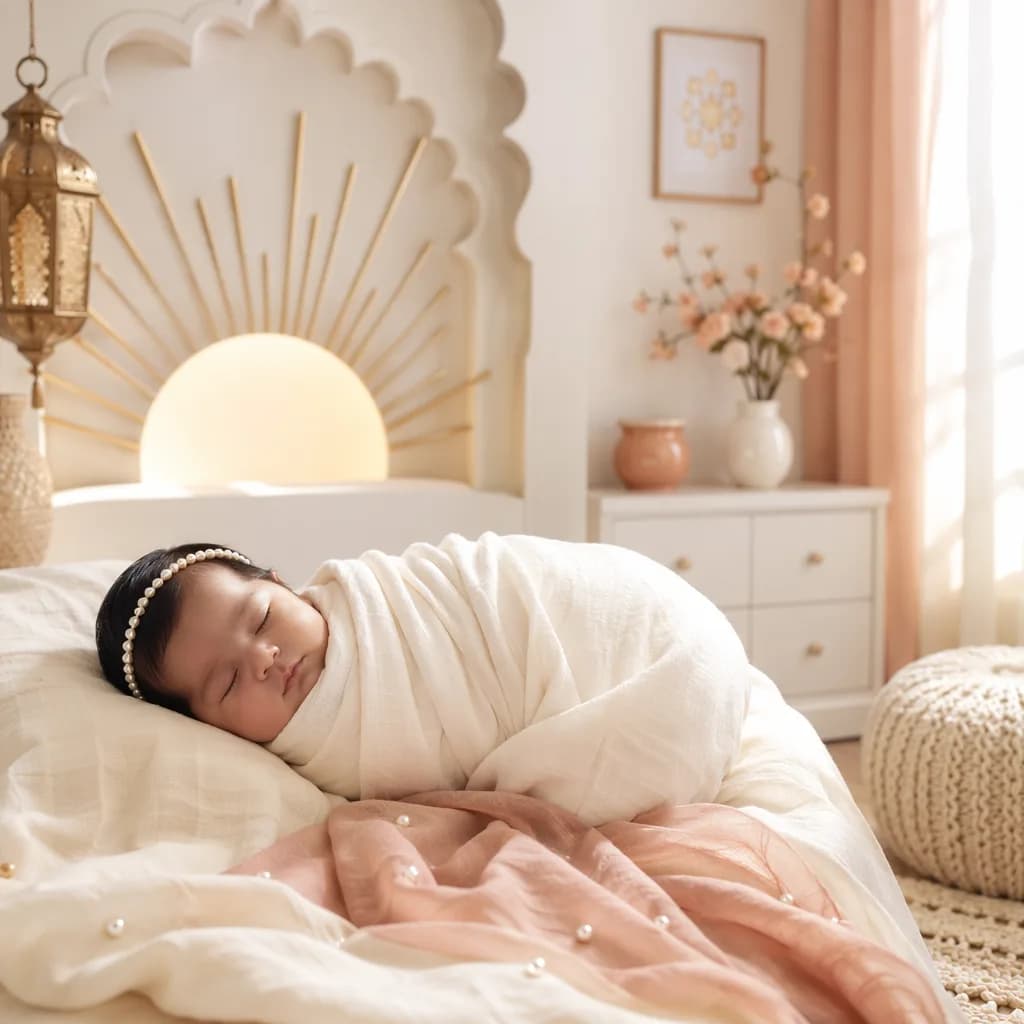
Parents often love Alina Mehreen Durrani because it gives a daughter both softness and stature. Alina is easy to say in English, Urdu, and many other languages, which is a real gift if your family lives across cultures or has relatives with different accents. A teacher can read it from a class list, and a grandparent can still say it with warmth. The meaning is another reason it works so well. Depending on the language tradition, Alina can suggest nobility, brightness, beauty, light, truth, delicacy, or softness. Those are gentle meanings, but they don’t feel flimsy. They feel like the kind of hopes parents whisper over a sleeping baby: be kind, be clear, be brave in your own quiet way. Mehreen adds a melodic Urdu middle, while Durrani gives the full name a pearl-like Persian meaning and a historical Afghan connection. The result is a name that sounds lovely on a little girl and still feels appropriate for an adult signing her name on a degree, a book, or a passport.
Heritage
Alina Mehreen Durrani fits naturally in an Urdu-speaking family, especially one that likes names with Persian, Arabic, and broader international echoes. Urdu names often carry beauty through both meaning and sound. Parents may choose a name because it looks elegant in Urdu script, works well in English, honors family taste, or carries a feeling of refinement. This name does all of that without feeling overly ornate. Alina is especially flexible. Because it appears in several naming traditions, it can feel familiar in South Asian, Middle Eastern, European, and English-speaking settings. In Arabic-related usage, its meanings of delicate or soft give it a tender quality. In European traditions, its links to noble, bright, beautiful, light, or truth add a clear, uplifting tone. Durrani brings a more specific cultural marker. It is tied to Persian durr, meaning pearl, and to the Durrani dynasty associated with Ahmad Shah Durrani, the 18th-century founder of the Durrani Empire and a central historical figure in Afghanistan. For families with Afghan, Pashtun, Pakistani, or broader Persianate cultural connections, the surname may feel weighty and recognizable. There is no religious taboo in the sources around the name Alina. As with many Urdu names, families may still ask elders about pronunciation, spelling in Urdu script, and how closely the name matches family heritage. That’s a loving step, not a problem.
Not enough popularity data to chart yet.
Alina’s Arabic-linked meanings of delicate and soft give the name a calm, tender feeling.
The name is sometimes connected with light, truth, and beauty, which makes it feel clear-eyed and hopeful.
Its Germanic connection to noble and its Durrani surname history give the full name a composed, graceful presence.
Alina travels well across languages, so it suits a child who may grow up between cultures, accents, and communities.
Durrani’s Persian pearl meaning and historical Afghan association add a sense of family depth and identity.
Original
علینہ مہرین درانی
Transliterations
Noor keeps the light-filled feeling of Alina and is short enough to balance the longer first name.
Yasmin adds a familiar Urdu and Persianate floral softness without making the name feel too frilly.
Mariam gives the name a classic, widely loved religious and cultural warmth.
Zoya brings a bright, modern sound that still feels comfortable in South Asian naming.
Safa is crisp and gentle, so it pairs nicely with Alina’s smooth vowels.
Pair two names and see how they sound, flow, and feel together.
Generate a soothing personalised bedtime story starring your child.
Reveal the life-path and destiny numbers hidden in a baby name.
Playful, name-based personality sketch to share with friends.
No stories for Alina Mehreen Durrani yet. Be the first!