Quick facts
Last updated July 2026
What it means
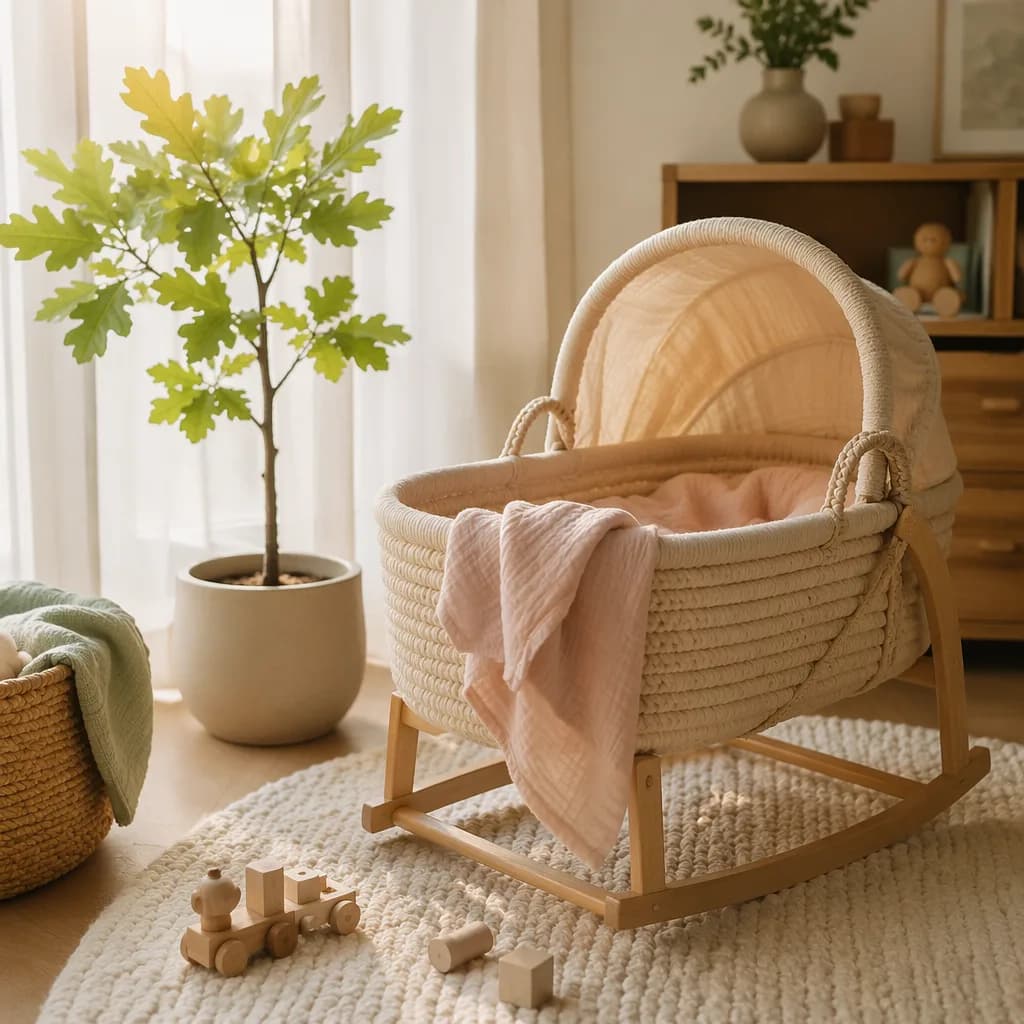
“Alona is a Hebrew girl name meaning "oak tree," from Alon, the Hebrew word for oak. It suggests strength, steadiness, endurance, and a grounded kind of beauty.”
Alona has a calm, rooted feeling, the kind of name that sounds gentle but carries real strength underneath. In Hebrew, Alona is the feminine form of Alon, from אלון, meaning "oak tree." That meaning gives the name a wonderfully sturdy image: a tree with deep roots, wide branches, and the quiet ability to last through changing seasons. For parents who like nature names but want something less common than Lily, Willow, or Rose, Alona has a lovely balance of softness and backbone. The oak meaning matters because it gives the name more than a pretty sound. An oak is often associated with endurance, protection, stability, and long life. Those ideas fit Alona beautifully. It feels like a name for a child who may be tender and thoughtful, but also steady in herself. You can picture it on a preschooler with a serious little face arranging blocks by color, and just as easily on an adult who knows her own mind. There are a few similar-looking names in other cultures, but they should be treated carefully. Some sources mention Slavic uses of Alona as a diminutive or adapted form with associations such as light or beauty. Others compare it to Alana or Alannah, names that may have different roots. Those connections are more about sound and spelling than one shared origin. For a Hebrew name page, the clearest and best-supported meaning is the oak tree meaning from Alon. Alona also has an international feel because it appears among notable women from Israel, Ukraine, the Philippines, and Germany. Still, its Hebrew identity is especially clear: Alona is written אלונה and is recognized as the feminine version of Alon. It is familiar enough to pronounce once heard, but uncommon enough that it still feels fresh.
Why parents love it
Parents love Alona because it manages to be strong and soft at the same time. The meaning, "oak tree," gives it substance right away. It isn't a vague pretty name. It has roots. It suggests a daughter who can grow tall, hold her ground, and offer warmth to the people around her. The sound is another reason it works so well. Ah-LOH-nah is smooth, open, and easy to say once you hear it. It has the friendly shape of names like Alana and Eliana, but it feels less expected. If you want a Hebrew name that isn't heard in every classroom, Alona is a thoughtful choice. It also ages nicely. Alona sounds sweet on a baby, lively on a school-age child, and composed on an adult. Nicknames like Lona, Loni, Ali, and Lola give you room to play, but the full name doesn't need much dressing up. A real example: if your last name is short and strong, such as Cohen or Marks, Alona gives the whole name a graceful rhythm without losing its steady center. It feels natural, meaningful, and quietly memorable.
Heritage
In Hebrew naming, Alona has a clear nature connection through Alon, meaning "oak tree." That gives it a different feeling from many floral names. It is less delicate and more grounded. An oak tree brings to mind shade, roots, age, patience, and strength, which are qualities many parents quietly hope their daughters will grow into. The name can feel especially meaningful for families who love Hebrew names but want something outside the most familiar choices. Alona is used as a feminine given name in Hebrew, and the original Hebrew spelling is אלונה. Because Alon is also used as a masculine name, Alona has an easy family relationship to it, much like a feminine form that keeps the original meaning intact. That can be sweet if there is an Alon in the family, or if parents simply like names that feel connected across generations. There is no widely cited religious taboo around using Alona. It is not a biblical name in the same direct way as Sarah, Miriam, or Rachel, so parents usually choose it for its Hebrew language roots and nature symbolism rather than for a specific scriptural namesake. That can actually be a plus for some families. It gives the name cultural warmth without feeling overly formal. Outside Hebrew-speaking and Jewish naming contexts, Alona may be confused with Alana, Alannah, or Ilona. A quick pronunciation reminder usually solves that. The name travels well because its sounds are open and simple, but its strongest cultural anchor remains Hebrew.
Not enough popularity data to chart yet.
Alona's oak tree meaning gives the name a calm, grounded quality that feels dependable without being heavy.
The soft vowel sounds in Alona make it feel warm and approachable, even with its strong meaning.
Because the oak is a symbol of endurance and deep roots, Alona naturally suggests someone who can bend, recover, and keep growing.
The name has a quiet, reflective sound, more graceful than flashy, which gives it a thoughtful feel.
Alona is uncommon in the United States, so it suits parents who like names that stand apart without feeling invented.
Original
אלונה
Transliterations
Miriam adds a classic Hebrew depth beside Alona's nature meaning.
Ruth is short, warm, and steady, which matches the oak tree feeling beautifully.
Mae keeps the full name light and easy to say.
Grace softens Alona's grounded strength with a familiar, gentle finish.
Yael gives the pairing a distinctly Hebrew sound while staying crisp and modern.
Claire brings brightness and clarity to Alona's earthy feel.
Pair two names and see how they sound, flow, and feel together.
Generate a soothing personalised bedtime story starring your child.
Reveal the life-path and destiny numbers hidden in a baby name.
Playful, name-based personality sketch to share with friends.
No stories for Alona yet. Be the first!