Quick facts
Last updated July 2026
What it means
“Bar is a Hebrew unisex name written בַּר. It can mean "son," from an Aramaic-origin word used in Hebrew, and it is also connected with Hebrew meanings such as "grain" and "pure, clean."”
Bar is a tiny name with a lot tucked inside it. In Hebrew, it is written בַּר and pronounced in one clean syllable, like "bahr." Behind the Name records Bar as both masculine and feminine in Hebrew use, which makes sense for parents who like names that feel simple, direct, and not boxed into one style. The meaning has a few layers. In some cases, Bar comes from Hebrew בַּר meaning "son," a word of Aramaic origin. You may recognize that pattern from names and phrases where bar marks a family relationship, especially in Jewish and Aramaic-influenced naming language. It has that spare, ancestral feeling: child of, son of, connected to a line. Bar also carries Hebrew meanings tied to "grain" and "pure, clean," from derivatives of the root בָּרַר, barar. Those meanings give the name a different kind of warmth. Grain can suggest nourishment, harvest, and simple daily bread. Pure or clean brings in clarity, honesty, and a bright, uncomplicated spirit. For a baby name, that combination feels grounded rather than showy. Because Bar is also an ordinary English word for a place where alcoholic drinks are served, English-speaking families may notice a double take. That does not erase the Hebrew name, but it is practical to think about. In Israel or Hebrew-speaking settings, Bar reads first as a name. In English-speaking places, you may want to pair it with a more familiar middle name, such as Bar Noam, Bar Eliora, or Bar Gabriel, so the Hebrew identity is clear on paper and in conversation. What makes Bar appealing is its balance. It is short, old, crisp, and meaningful. It feels modern because it is only three letters, but its roots are much older than current naming trends.
Why parents love it
Parents are often drawn to Bar because it does so much with so little. Three letters. One syllable. No complicated spelling. It is the kind of name a preschool teacher can read on the first try, but it still has real roots and a meaningful story behind it. If you want a Hebrew name that feels current without feeling invented, Bar is a lovely choice. Its meanings give you several emotional directions to love: "son" for family connection, "grain" for nourishment and groundedness, and "pure, clean" for clarity. That range is rare in such a small name. Bar can also be a good fit for families who want a unisex name that sounds strong on any child. It is not frilly, and it is not heavy. It has a bright, clipped confidence, a little like Kai or Lev, but with its own Hebrew identity. The one thing to consider is English context, since "bar" is also a common word. For some parents, that may be a dealbreaker. For others, especially families with Hebrew or Israeli ties, it is simply a quick explanation. Paired with a middle name like Noam, Eliora, Gabriel, or Tamar, Bar feels clear, warm, and complete.
Heritage
Bar sits in a meaningful place between Hebrew and Aramaic language history. The "son" sense is especially familiar in Jewish and Aramaic-influenced contexts, where bar can appear as a marker of relationship or lineage. For parents, that gives the name a strong family feeling without needing a long form. It says connection in the most compact way. The Hebrew meanings "grain" and "pure, clean" add a softer cultural texture. Grain is a basic image, but a rich one: food, growth, blessing, and the work of ordinary life. The purity sense feels clear and bright, the kind of meaning many parents like because it is gentle without being fussy. There is one practical cultural note for families outside Hebrew-speaking communities. In English, "bar" is a common noun for a place that serves alcoholic beverages. Some people will hear that first, especially if they have not met Bar as a Hebrew name before. That is not a taboo exactly, but it can be a classroom or playground conversation. A child named Bar may occasionally need to say, "It’s Hebrew," and then people usually get it. For Jewish families, Israeli families, or parents who love concise Hebrew names, Bar can feel wonderfully natural. It is easy to spell, easy to say, and rooted in real language. It also works well across genders, which gives it a fresh and flexible feeling while staying grounded in tradition.
Not enough popularity data to chart yet.
Bar’s meaning of "pure, clean" gives it a crisp, straightforward feeling.
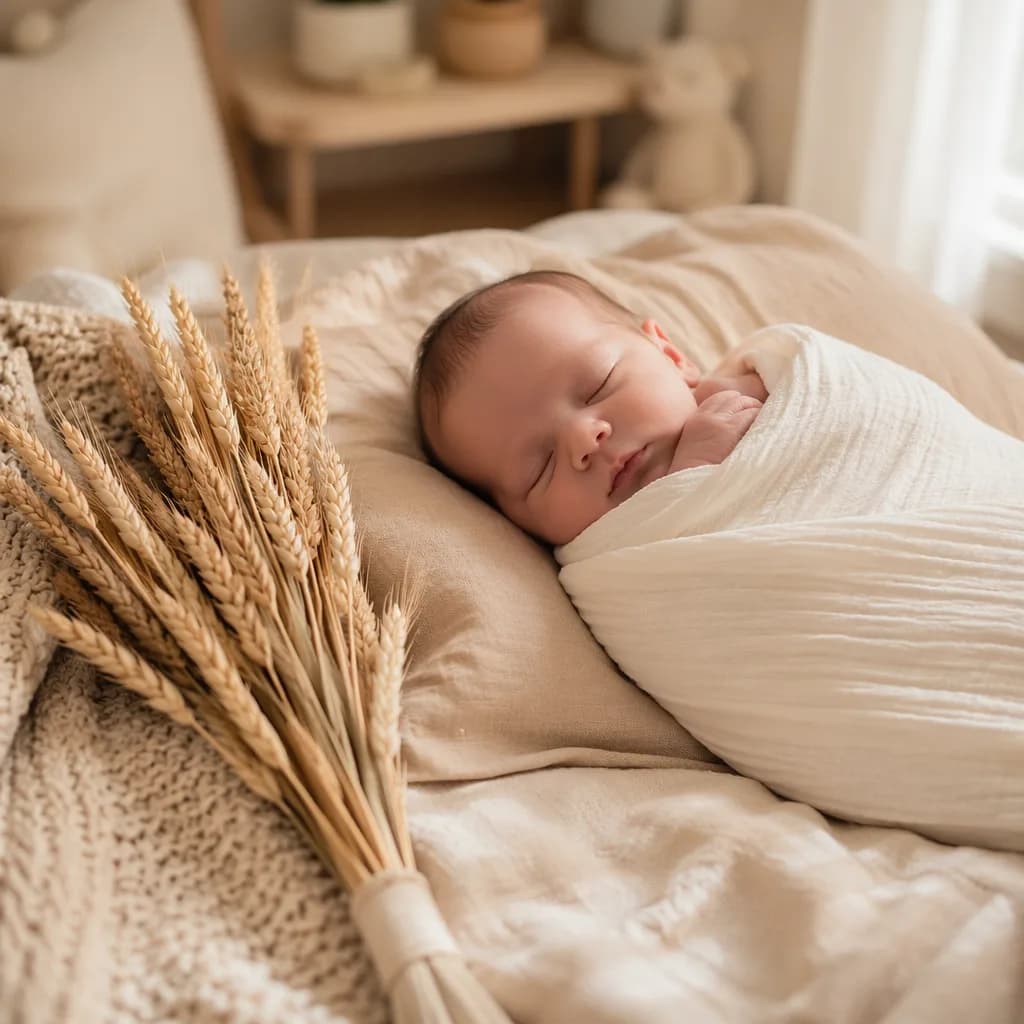
The Hebrew connection with "grain" makes the name feel practical, nourishing, and close to the earth.
Its "son" meaning points to family ties and a sense of belonging.
At only three letters and one syllable, Bar has a calm, uncluttered style.
Original
בַּר
Transliterations
Noam keeps the Hebrew feel and adds a gentle two-syllable rhythm.
Eliora gives the short first name a luminous, lyrical middle.
Gabriel adds a familiar biblical sound that balances Bar’s rare simplicity.
Tamar pairs well because both names are Hebrew, clear, and nature-adjacent in feel.
Lev makes a very compact Hebrew pairing with a strong, warm sound.
Pair two names and see how they sound, flow, and feel together.
Generate a soothing personalised bedtime story starring your child.
Reveal the life-path and destiny numbers hidden in a baby name.
Playful, name-based personality sketch to share with friends.
No stories for Bar yet. Be the first!