Quick facts
Last updated August 2026
What it means
“Birk is a Scandinavian boy name derived from Old Norse bjǫrk, meaning "birch tree." It has a crisp, nature-rooted feel, with associations of resilience, growth, and quiet strength.”
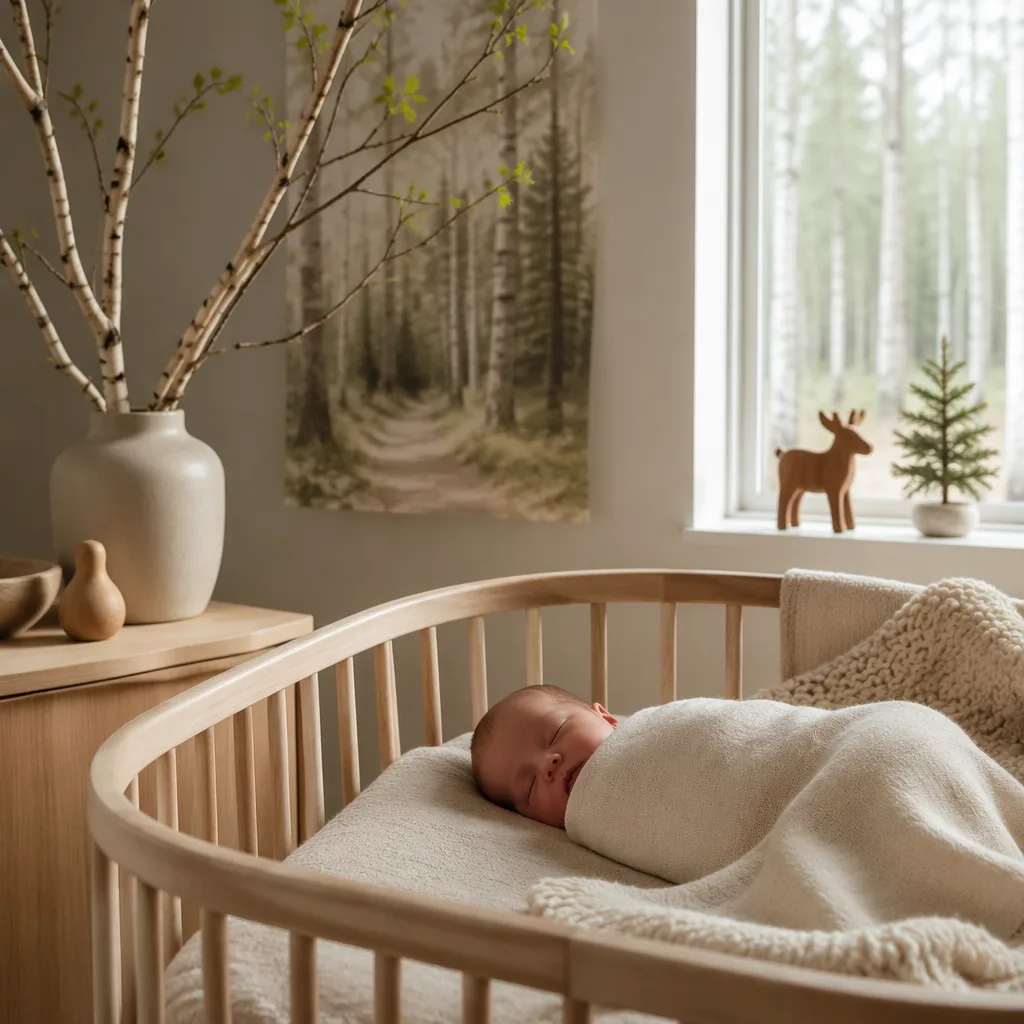
Birk is short, sturdy, and full of northern light. Its best-supported origin is Scandinavian and Old Norse, from bjǫrk, meaning "birch tree." That gives the name a very concrete image: pale bark, flexible branches, fresh leaves, and a tree that can thrive in cool climates. For a parent who loves nature names but wants something less expected than River or Rowan, Birk has that same outdoorsy heart in a sharper, more Nordic shape. The birch tree has long been easy to recognize across northern landscapes. It’s slender but tough, simple but beautiful. That makes Birk feel like a name with balance. It isn’t frilly. It doesn’t try too hard. Still, it carries a clear sense of life and renewal. A little boy named Birk might have a name that feels ready for muddy boots, wool sweaters, forest walks, and a bookshelf full of adventure stories. Birk is also used as both a surname and a masculine given name. The given-name bearers listed in available sources include men from Norway, Germany, and Canada, which fits the name’s broader northern European flavor. As a surname, Birk can have other roots too. One source notes German Birk as connected to Birke, meaning "birch tree," while a Jewish surname explanation connects it with Yiddish birkeh, meaning "book." Those surname meanings don’t replace the Scandinavian given-name origin, but they do show how compact names can gather different histories in different families. For pronunciation, Birk is usually one syllable: /bərk/, like "burk" with a soft, central vowel. In English-speaking families, it may sometimes be said closer to "berk," depending on accent. Either way, it’s quick to spell, easy to call across a playground, and memorable without feeling showy.
Why parents love it
Parents often love Birk because it does a lot with very little. Four letters. One syllable. A clear meaning. It feels strong on a birth announcement and still easy for a preschooler to write later on. The birch tree meaning is a big part of its charm. You can picture it right away: pale bark, slim branches, new green leaves. It’s a nature name, but it isn’t soft or overly sweet. Birk has backbone. It’s also a good choice if you want a Scandinavian name that isn’t already everywhere. Names like Soren, Leif, and Magnus have become more familiar to English-speaking parents, while Birk still feels fresh. That can be nice for a child. He gets a name with history, but he probably won’t be one of three Birks in his class. Birk pairs especially well with longer middle names. Birk Alexander. Birk Theodore. Birk Elias. The short first name gives the full name a clean, confident rhythm. If your family loves forests, northern roots, simple design, or names that feel quietly brave, Birk is easy to warm to. It’s rare, but not confusing. Distinctive, but not loud.
Heritage
Birk sits in that lovely category of Scandinavian nature names that feel grounded rather than decorative. Its meaning, "birch tree," gives it a connection to northern forests and to the practical beauty of trees that grow in cold places. The birch is often one of the trees people notice first in Nordic landscapes because of its pale bark and clean shape. That visual image gives Birk a calm, outdoorsy presence. There isn’t strong evidence in the provided sources that Birk carries a specific religious role, ceremony, or taboo. So it’s safest to think of it as a cultural and nature name rather than a name tied to one faith tradition. That can be a real gift for many families. It feels meaningful without feeling heavy. It can work for parents with Scandinavian roots, parents who love northern European names, or parents who simply want something short and natural. One practical cultural point: Birk is listed as both a surname and a masculine given name. In some places, people may first recognize it as a last name, especially because several known bearers have Birk as a surname. As a first name, though, it has clear use, including Norwegian footballer Birk Engstrøm and Norwegian footballer Birk Risa. That gives the name a real-life footing as a boy’s given name, not just a word or family name. It’s also a name that travels fairly well. Four letters. One syllable. No accents needed in English. The only small wrinkle is pronunciation, since some English speakers may rhyme it with "work," while others may say it more like "berk." A quick correction usually fixes that.
Not enough popularity data to chart yet.
Because Birk comes from the birch tree, the name naturally suggests a child who bends, adapts, and keeps growing.
Its short sound and tree meaning give Birk a steady, no-fuss feeling.
Birk is uncommon enough to feel self-possessed, like a name for a child comfortable standing a little apart.
The image of pale birch bark and fresh leaves gives the name a clean, clear energy.
With its Scandinavian outdoor feel, Birk sounds at home on forest paths, ski trails, and windswept beaches.
Original
Birk
Alexander adds length and classic polish to Birk’s short, outdoorsy sound.
Elias softens the strong final consonant and keeps the whole name warm.
Magnus leans into the Scandinavian feel while giving the name a bold rhythm.
Theodore brings a familiar, gentle balance to a rare first name.
Anders feels natural beside Birk and keeps the pairing clean and Nordic.
Julian adds a softer, lyrical middle to Birk’s crisp one-syllable start.
Pair two names and see how they sound, flow, and feel together.
Generate a soothing personalised bedtime story starring your child.
Reveal the life-path and destiny numbers hidden in a baby name.
Playful, name-based personality sketch to share with friends.
No stories for Birk yet. Be the first!