Quick facts
Last updated August 2026
What it means
“Crispin is an English boy name from a Latin nickname meaning “curly-haired.” It came into England through Norman influence and has an old saintly connection through St. Crispin.”
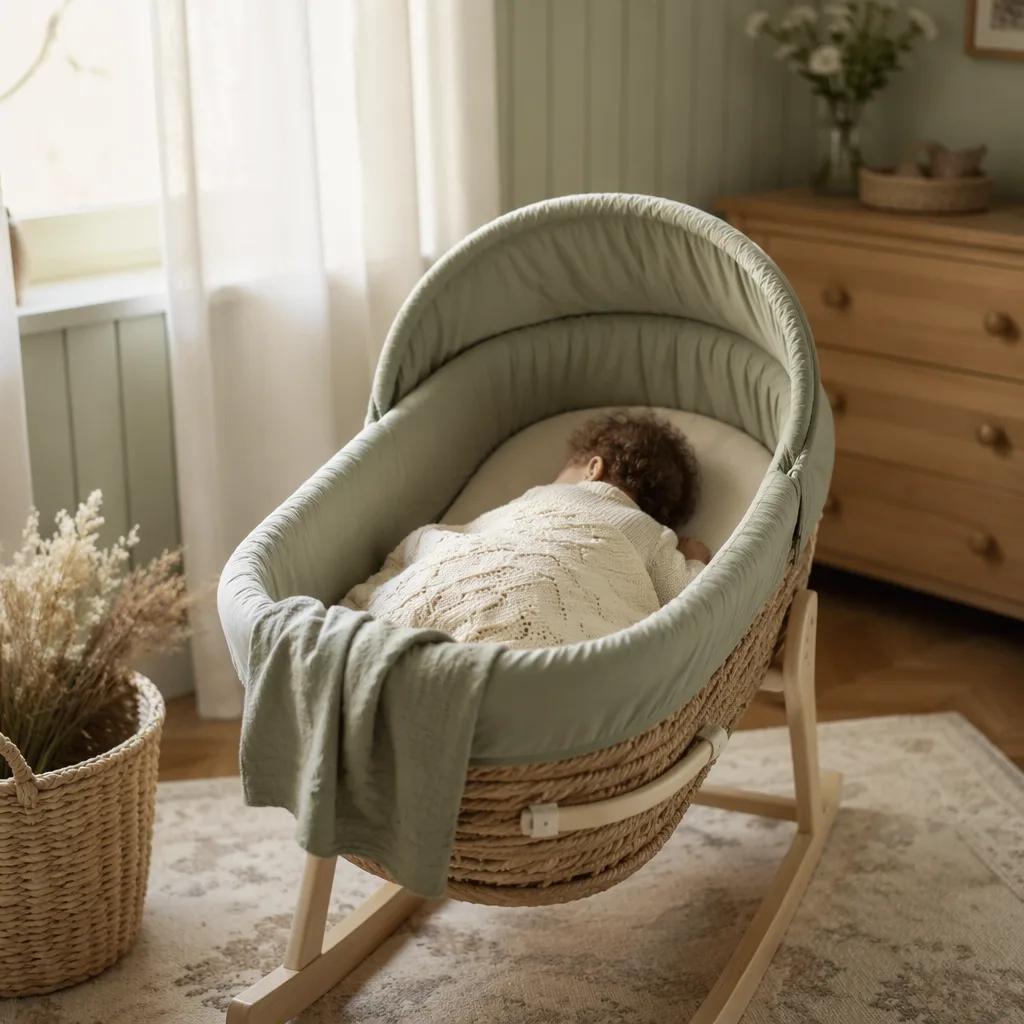
Crispin has the kind of meaning that feels easy to picture: “curly-haired.” It comes from a Latin nickname, and the English surname and given name were strengthened after the Norman Conquest of 1066, when Norman families brought names and naming traditions into England. The source history ties Crispin especially to England and Normandy, with the surname first found in Oxfordshire after lands at Cowley were granted following the Battle of Hastings. As a baby name, Crispin feels rare but not strange. It has a bright, tailored sound, with that crisp opening and gentle ending. You can imagine it on a child with springy curls, of course, but the meaning doesn’t have to be literal. Many old names began as nicknames for a visible trait, then grew into family names, saint names, and given names with much wider emotional meaning. Crispin now suggests character as much as appearance: lively, distinctive, a little scholarly, and quietly brave. The name also has medieval Christian roots through St. Crispin, who is traditionally associated with Soissons and is described in the source material as having been martyred in 285 AD. That saintly link helped the name gain popularity in the early Middle Ages. For parents who like names with age, texture, and a story behind them, Crispin sits in a sweet spot. It’s not a name you hear every day at the playground, but it’s easy to say, easy to spell, and grounded in real history. Crispin also works well in English because it feels complete without needing a nickname. Still, Cris and Kip are both friendly options if you want something softer for everyday use. It’s a name with a tidy shape and a warm old-world backbone.
Why parents love it
Parents often love Crispin because it feels rare without feeling invented. It has a real meaning, “curly-haired,” and a real historical path from Latin nickname to Norman-influenced English name. That gives it substance, which matters when you’re choosing something your child may carry for life. It also has a wonderful sound. Crispin is neat and bright at the start, then softer at the end. It’s polished, but not fussy. Picture calling “Crispin, shoes on!” by the back door. It works. Picture it on a school form, a wedding invitation, or a nameplate on an office door. It still works. The saintly connection may appeal to families who like Christian names but don’t want something widely used. The English surname history may appeal if you enjoy names with medieval texture. And if you simply want a boy name that stands apart from Liam, Henry, and Oliver while still feeling pronounceable, Crispin is a lovely candidate. It’s distinctive, but kind. That’s a hard balance to find.
Heritage
Crispin carries a mix of Norman, English, Latin, and Christian history. The name came into English use through Norman influence after 1066, and the family history source connects the Crispin surname with Oxfordshire, Cowley, William the Conqueror, and the Battle of Hastings. That gives the name a distinctly old English setting, even though its root is Latin. The religious connection is also central. Much of the name’s early medieval popularity is linked to St. Crispin, who was martyred at Soissons in 285 AD according to the source excerpt. For Christian families, that gives Crispin a saint-name quality without making it feel overly common or formal. It’s the sort of name that can quietly carry faith, history, and family tradition all at once. There are no special taboos attached to Crispin in the provided material. It may, however, feel more antique or literary than modern surname-style choices, so parents should be comfortable with its distinctive sound. Some people may first hear “crisp” in it, which can make the name feel bright, clean, and energetic. That isn’t a problem. If anything, it helps the name feel memorable. For a boy in an English-speaking family, Crispin is a gentle standout. It has real roots, a clear meaning, and a calm strength that doesn’t need to shout.
Not enough popularity data to chart yet.
Crispin feels uncommon in everyday English use, so it naturally suggests a child with an individual streak.
The crisp beginning gives the name a lively, alert sound that feels quick and clear.
Its medieval and saintly background gives Crispin a reflective, old-soul feeling.
The name’s long history in England gives it a grounded quality, even though it sounds fresh to many ears.
Original
Crispin
James gives Crispin a familiar, steady middle that balances its rare first-name style.
Arthur matches Crispin’s old English feeling and adds a warm, storybook strength.
Leo keeps the full name bright and short, which works nicely with Crispin’s two syllables.
Thomas softens the sharper opening sound and makes the name feel classic and approachable.
Edward gives the pairing a dignified traditional feel without making it too heavy.
Pair two names and see how they sound, flow, and feel together.
Generate a soothing personalised bedtime story starring your child.
Reveal the life-path and destiny numbers hidden in a baby name.
Playful, name-based personality sketch to share with friends.
No stories for Crispin yet. Be the first!