Quick facts
Last updated July 2026
What it means
“Cruz Andrea means “cross” paired with Andrea, a name from Greek roots meaning “manly” or “strong.” Together, it feels steady, faith-touched, and quietly brave.”
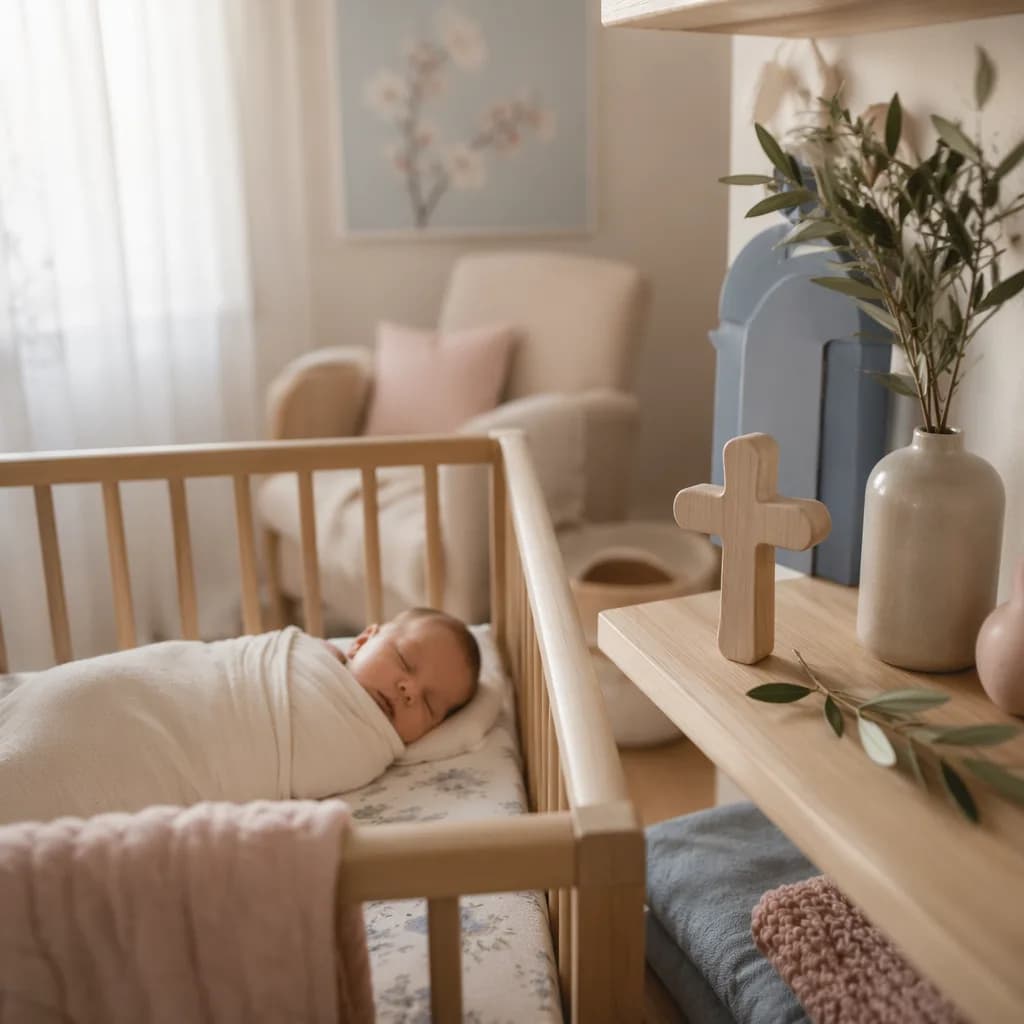
Cruz Andrea brings together two names with clear, old roots. Cruz comes from Spanish and Portuguese and translates directly to “cross” in English. Because of that, it carries a strong connection to Christian imagery, especially the cross as a sign of faith, sacrifice, protection, and hope. In Spanish-speaking families, Cruz can be heard as both a given name and a surname, which gives it that grounded, family-name feeling many parents like. Andrea has a different but equally classic background. It comes from the Greek word anēr, with the genitive form andrós, meaning “man” in the sense of an adult male. The related Greek name Andreas is tied to the andr- root, which is why Andrea is usually explained as “manly” or “strong.” What makes Andrea especially interesting for a baby name is its gender history. In many languages, Andrea is typically feminine. In Italian, Albanian, and Romansh usage, it can be masculine. That gives Cruz Andrea a truly unisex shape, especially for families who like names that don’t feel boxed in. As a Spanish unisex combination, Cruz Andrea has a beautiful balance. Cruz is short, crisp, and full of meaning. Andrea is longer, softer, and familiar across many cultures. Say them together and you get contrast: one syllable followed by three, a firm beginning followed by a flowing ending. It feels modern without being invented. Parents may also like that the two parts carry different kinds of strength. Cruz points toward conviction, memory, and spiritual identity. Andrea points toward courage and grown-up steadiness through its Greek root. For a child, that combination can feel like a blessing without being fussy: a name that says, “Stand tall, stay kind, remember where you come from.”
Why parents love it
Parents choose Cruz Andrea because it says a lot with very little fuss. Cruz is short, memorable, and meaningful. It has that strong single-syllable sound that works beautifully in a classroom, on a sports jersey, or at the top of a resume one day. Andrea brings softness and history, with roots connected to strength and a long record of use across cultures. The combination is especially appealing if you want a Spanish name that feels both familiar and distinctive. Cruz by itself can sound bold. Andrea by itself can sound graceful. Together, they meet in the middle. The full name has a steady rhythm: KROOS ahn-DREH-ah. It’s easy to say, but it doesn’t disappear into a crowd. It’s also a thoughtful choice for a family that wants a unisex name with substance. Andrea’s gender use changes by culture, while Cruz works well across gender lines too. That gives the name room. A child named Cruz Andrea can be sporty, bookish, artistic, serious, silly, or all of those things in one afternoon, as kids often are. If your family has Christian roots, Spanish or Portuguese heritage, or simply loves names with clean sound and deep symbolism, Cruz Andrea is a warm, confident option.
Heritage
Cruz has deep cultural and religious weight in Spanish and Portuguese-speaking communities because its literal meaning is “cross.” For many Christian families, the cross is not just a symbol on a wall or necklace. It represents faith, endurance, love, and protection. A child named Cruz may be named with that spiritual meaning in mind, or simply because the sound is clean and strong. Both reasons can be true in the same family. The name also has surname energy. In many Spanish-speaking communities, Cruz is familiar as a family name, and using surnames as first names can feel like a way to honor ancestry. A parent might choose Cruz because it appears somewhere in the family tree, or because it carries the feeling of heritage even when it is not a direct family surname. Andrea adds a cross-cultural layer. Since Andrea is common worldwide and can be feminine in many languages while masculine in some, it helps make Cruz Andrea feel open and flexible. In Spanish pronunciation, Andrea has three clear syllables, ahn-DREH-ah, which gives the full name a warm rhythm. There are no special taboos attached to Cruz Andrea from the provided sources, but families who are not religious may want to think about whether they’re comfortable with the Christian symbolism of Cruz. For some parents, that meaning is the main reason to choose it. For others, the name’s simplicity, Spanish character, and surname-style cool are enough.
Not enough popularity data to chart yet.
Cruz gives the name a grounded, one-syllable strength that feels calm under pressure.
Andrea’s Greek root is tied to strength, which gives the full name a courageous feel.
The cross meaning of Cruz can suggest a child with a thoughtful, values-centered side.
Andrea softens Cruz with a familiar, open sound that feels easy to love.
As a unisex Spanish combination, Cruz Andrea has a confident style that doesn’t need to follow the crowd.
Original
Cruz Andrea
Mateo keeps the Spanish feel and adds a gentle biblical warmth beside the crisp strength of Cruz.
Lucía brings a bright, lyrical sound that balances the grounded meaning of Cruz.
Rafael gives the full name a classic, artistic rhythm and works well with Andrea’s softer ending.
Sol is short and vivid, so it pairs nicely with Cruz without making the name feel heavy.
Isabel adds a traditional Spanish and international feel, which suits parents who want something timeless.
León adds boldness and a clear Spanish sound, giving the full name a confident finish.
Pair two names and see how they sound, flow, and feel together.
Generate a soothing personalised bedtime story starring your child.
Reveal the life-path and destiny numbers hidden in a baby name.
Playful, name-based personality sketch to share with friends.
No stories for Cruz Andrea yet. Be the first!