Quick facts
Last updated July 2026
What it means
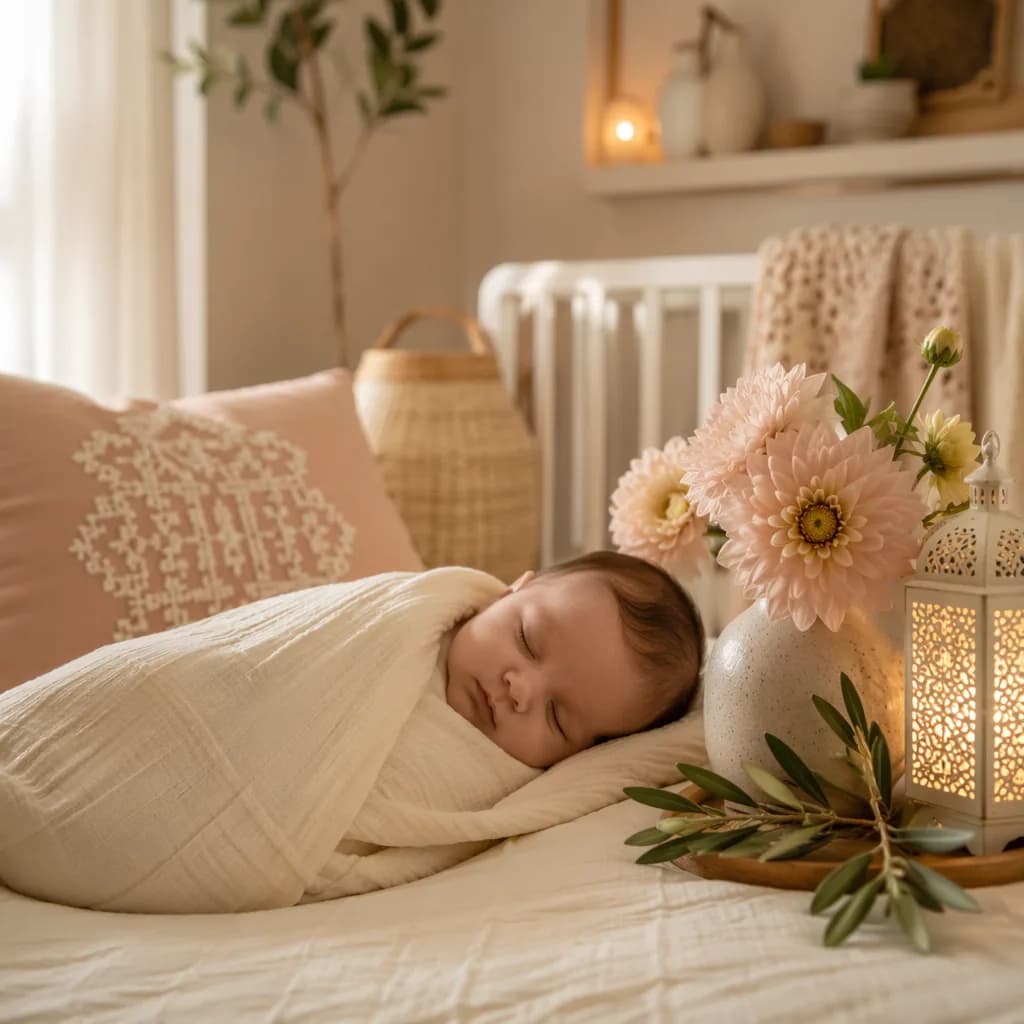
“Dalia is closely associated with the dahlia flower, a bright garden bloom in the Asteraceae family. Paired with Nour and Mansour, the full Arabic name reads with a warm sense of light, beauty, and family strength.”
Dalia Nour Mansour has the kind of sound many parents notice right away: soft at the beginning, luminous in the middle, and grounded at the end. Dalia is often connected in English-speaking settings with the dahlia flower. The dahlia is a genus of tuberous, herbaceous perennial plants in the Asteraceae family, the same broad plant family that includes familiar flowers such as daisies, sunflowers, chrysanthemums, and zinnias. Garden sources describe dahlias as late-season flowers that bloom from midsummer into fall, with colors that can include orange, pink, purple, red, white, and yellow. That gives the name Dalia a fresh, floral feeling without making it feel too delicate. For an Arabic girl’s name, Dalia also feels very natural because its spelling and rhythm fit beautifully beside Arabic names. Nour is widely used in Arabic naming and is often understood by families as “light,” a meaning that gives the full name a gentle inner glow. Mansour is a familiar Arabic family name and given-name form in many communities, often heard as a name with a strong, victorious feel. Together, Dalia Nour Mansour sounds elegant and complete: a floral first name, a radiant middle name, and a surname with real weight. One lovely thing about Dalia is that it travels well. In English, families may say DAH-lee-ah, DAL-yah, or DAY-lee-ah, depending on accent and habit. In Arabic-speaking families, it may be pronounced with a smoother, more open first vowel, closer to DAH-lee-yah. None of these feels strange. That flexibility can be a gift for a child growing up between languages, countries, or extended family traditions. The name can sit comfortably on a classroom cubby, a graduation program, and a family WhatsApp chat. It feels familiar, but still special.
Why parents love it
Parents love Dalia Nour Mansour because it feels soft, meaningful, and grown-up all at once. Dalia has the beauty of a flower name, but it isn’t overly sweet. Picture a little girl proudly writing “Dalia” on a school art project, then years later seeing the same name on a university application or office door. It still works. Nour gives the name its glow. It’s short, warm, and easy to say, and its association with light makes the full name feel hopeful without sounding dramatic. Mansour brings balance. It has a strong Arabic sound and gives the name a clear family identity. This is also a practical choice for a child who may move between cultures. Dalia is simple to spell, familiar enough that teachers won’t stumble for long, and distinctive enough that she may not share it with three other children in the same class. If your family wants an Arabic girl’s name that feels graceful in English too, Dalia Nour Mansour is a beautiful middle path: rooted, bright, and easy to love.
Heritage
Dalia Nour Mansour brings together a floral first name and Arabic naming style in a way that feels graceful and modern. The flower association is especially vivid: dahlias are known as showy garden flowers, often grown for their colorful blooms and used as cut flowers. They are described by garden sources as blooming from midsummer until the first autumn frosts, which gives the name a seasonal image of brightness that lasts after many spring flowers have faded. In Arabic-speaking families, names are often chosen for sound, meaning, faith, family continuity, and how they sit with the father’s or family name. Nour, commonly cherished as “light,” is especially beloved because light is a deeply positive image across many cultures and religious settings. It can suggest clarity, hope, warmth, guidance, and blessing without feeling heavy-handed. Mansour, as a surname, gives the full name a proud and established Arabic feel. There are no special taboos attached to Dalia from the supplied sources. One practical note for parents is pronunciation. English speakers may connect Dalia to Dahlia and pronounce it differently by region. Some will say DAH-lee-ah, while others may say DAY-lee-ah or DAL-yah. If your family prefers the Arabic-style DAH-lee-yah, it’s easy to model once and most people will pick it up. The name has a gentle cross-cultural advantage: it looks simple on paper, yet it carries family, language, and beauty in its full form.
Not enough popularity data to chart yet.
With Nour at the center of the name, Dalia Nour Mansour naturally carries an image of light and warmth.
The floral association of Dalia gives the name a poised, gentle quality without making it feel fragile.
Mansour adds a strong final note, balancing the softness of Dalia with a sense of confidence.
Dahlias are known for varied colors and forms, which makes the name feel expressive and artistic.
Dalia works comfortably across Arabic and English-speaking settings, giving the name an easy social flexibility.
Original
داليا نور منصور
Transliterations
This keeps the luminous meaning of Nour with a spelling many English speakers recognize quickly.
Mariam adds a classic Arabic and religiously familiar feel beside the softer floral first name.
Yasmin creates a lovely garden-like pairing, with two names that feel gentle and feminine.
Leen is short and smooth, so it gives Dalia a light, modern rhythm.
Amina brings a calm, trustworthy quality and pairs well with Dalia’s open vowel sounds.
Pair two names and see how they sound, flow, and feel together.
Generate a soothing personalised bedtime story starring your child.
Reveal the life-path and destiny numbers hidden in a baby name.
Playful, name-based personality sketch to share with friends.
No stories for Dalia Nour Mansour yet. Be the first!