Quick facts
Last updated June 2026
What it means
“Diya means “lamp” or “light,” drawn from the Indian word for an oil or ghee lamp used in prayer and festivals. It carries the feeling of warmth, wisdom, blessing, and light overcoming darkness.”
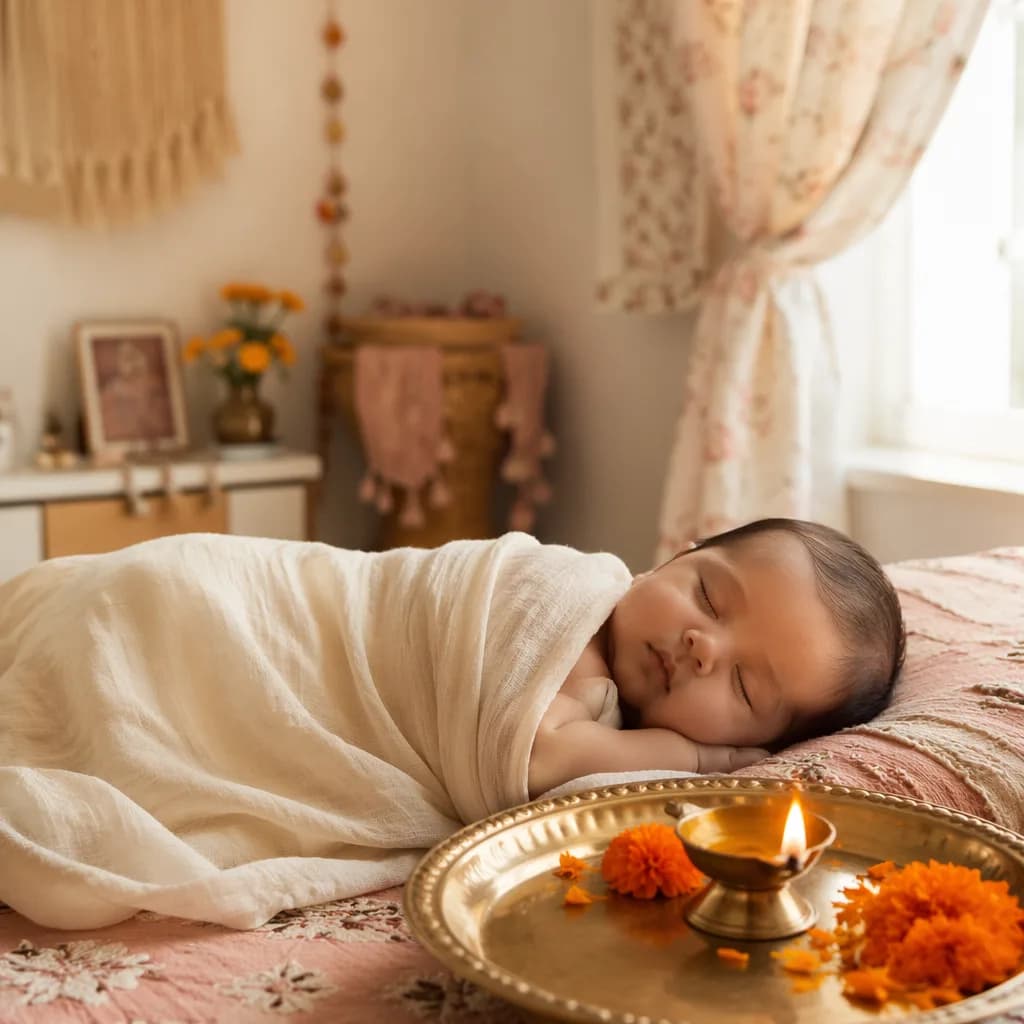
Diya is a short, radiant name with a meaning parents can picture right away: a small lamp glowing in the dark. In Indian usage, a diya is traditionally an oil or ghee lamp, often made from clay, brass, or silver, with a cotton wick. The word appears in forms such as diya, deeya, dia, deepa, deepam, deep, and deepak across Indian languages and transliteration styles. The Sanskrit form given in the source is Dīpam, and the Hindi form is Dīyā. For a Punjabi girl, Diya feels especially natural because it sits comfortably in South Asian naming traditions while still being easy to say in English-speaking settings. The beauty of Diya is that it’s both literal and symbolic. A diya is a real object you might see in a home, at a temple, near a rangoli design, or during Diwali. At the same time, its glow is associated with enlightenment, prosperity, knowledge, and wisdom. That gives the name a gentle spiritual depth without making it feel heavy. As part of the full name Diya Meera Bedi, the first name brings brightness and clarity. Meera adds a soft, lyrical middle sound, and Bedi gives the full name a crisp Punjabi surname ending. The whole combination has balance: Diya is light and open, Meera is melodic, and Bedi is neat and grounded. Parents often like Diya because it’s easy for grandparents, teachers, and friends to learn. It’s only two syllables, but it doesn’t feel plain. It has a clear meaning, a graceful sound, and a connection to family rituals many children grow up seeing with their own eyes. A child named Diya can hear, very simply, “Your name means light.” That’s a lovely thing to carry.
Why parents love it
Parents choose Diya because it says something beautiful without needing a long explanation. It means lamp or light, and that meaning is easy for a child to understand from very early on. You can point to a diya glowing during Diwali or a prayer at home and say, “That’s your name.” It also travels well. Diya is short, gentle, and readable in English, while still feeling deeply connected to Indian and Punjabi family life. A teacher can learn it quickly. A grandparent can say it with affection. A sibling can call out “Diyu” across the house and make it sound instantly sweet. For the full name Diya Meera Bedi, there’s a lovely rhythm. Diya brings brightness, Meera adds grace, and Bedi gives the name a confident Punjabi finish. It doesn’t feel overdone. It feels personal, warm, and clear. If you want a name with spiritual meaning, cultural familiarity, and everyday ease, Diya is a beautiful choice. It’s small in sound, but the image behind it is powerful: a steady flame, glowing through the dark.
Heritage
Diya has a strong cultural and religious setting in the Indian subcontinent because a diya is more than decoration. It is an oil or ghee lamp used in prayers, rituals, ceremonies, and festivals. The source notes that these lamps hold sacred prominence in Hindu, Sikh, Buddhist, and Jain prayers and traditions. That makes the name feel familiar across several Indian religious and cultural communities, including Punjabi families who value names with light, blessing, and warmth. During Diwali, diyas are especially visible. They are lit to mark the triumph of light over darkness and good over evil. A child may see rows of clay lamps placed near the doorway, around rangoli, or in prayer spaces at home. Because of this, the name Diya can feel deeply tied to memory: the smell of ghee, the careful lighting of a wick, grandparents reminding children to be gentle near the flame, and the warm glow of an evening puja. There is also a quiet etiquette around the symbol. Since diyas are used in sacred settings, many families treat them with care. They may avoid placing them carelessly on the floor where they could be kicked, or they may explain to children that the flame is not a toy. The name itself is not taboo, but its imagery is reverent. It suggests light, wisdom, prosperity, and hope, all in a small, everyday object that children can actually recognize.
Not enough popularity data to chart yet.
The meaning of a guiding lamp gives Diya a reflective, careful feeling, like a child who notices small details others miss.
Because a diya is associated with a soft, auspicious glow, the name naturally suggests kindness and emotional warmth.
Diya’s connection to light, knowledge, and wisdom gives it a lively, clear-minded energy.
The image of a simple clay lamp keeps the name humble and rooted, even with its beautiful symbolism.
Original
ਦੀਆ
Transliterations
Meera gives Diya a soft, musical middle name and keeps the full name Indian in sound.
Noor also means light in many South Asian naming contexts, so the pairing feels especially luminous.
Kaur gives the name a clear Punjabi and Sikh cultural feel for families who use it.
Simran has a gentle devotional tone and balances Diya’s short, bright sound.
Amara adds length and softness while keeping the whole name easy to say.
Pair two names and see how they sound, flow, and feel together.
Generate a soothing personalised bedtime story starring your child.
Reveal the life-path and destiny numbers hidden in a baby name.
Playful, name-based personality sketch to share with friends.
No stories for Diya Meera Bedi yet. Be the first!