Quick facts
Last updated August 2026
What it means
“Enguerrand is a medieval French boy name from the Germanic Engilram or Ingelram, commonly interpreted from elements linked to the Angles and “raven.” It carries an old, noble feel, with the raven giving it a watchful, intelligent edge.”
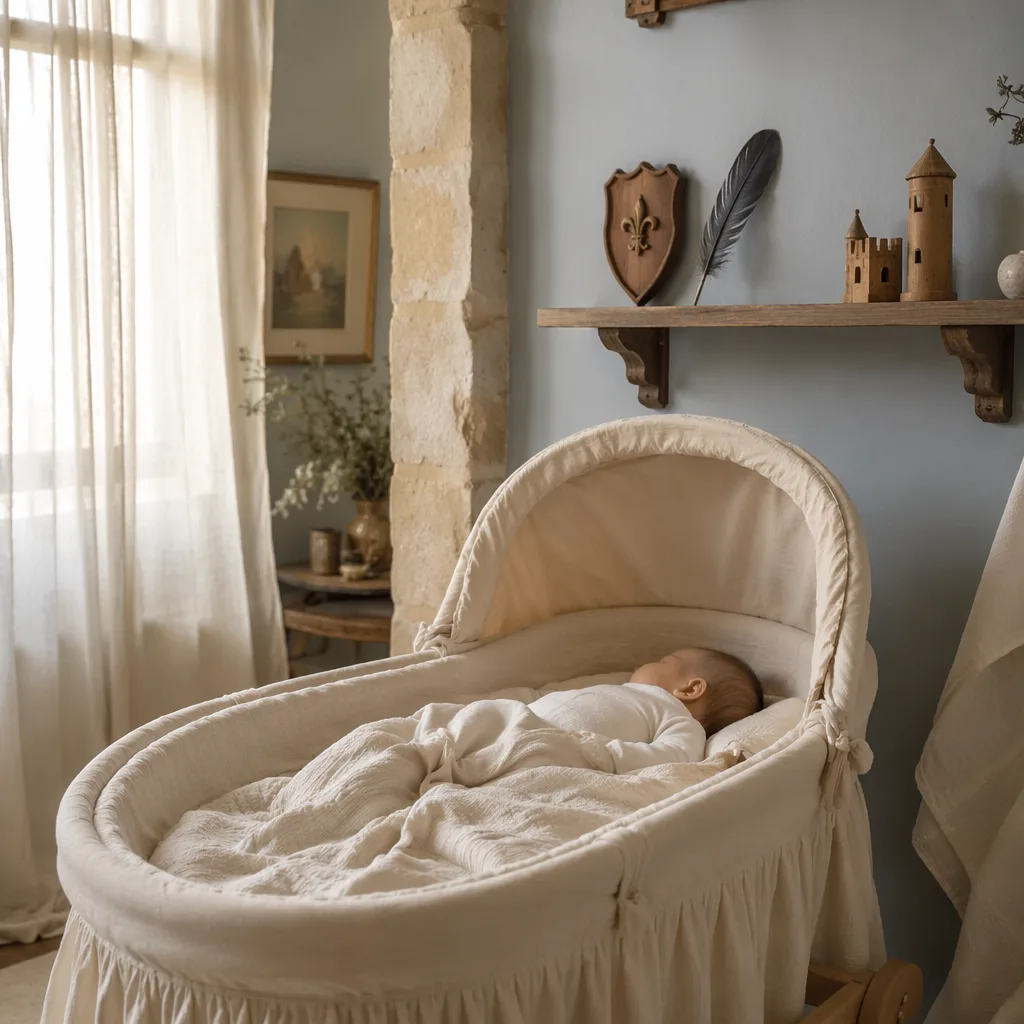
Enguerrand is the kind of name that feels as if it stepped out of a stone castle and straight into a family tree. It is French, but its roots reach back into older Germanic naming. The medieval French form Enguerran or Enguerrand comes from names recorded in forms such as Engilram, Engelram, Ingelram, Angilrammus, and Angalramnus. One early recorded bearer was Angalramnus, an 8th century bishop of Metz, which gives the name a very old paper trail. The usual explanation breaks the older name into Angil, connected with the tribal name of the Angles, and hramn, meaning “raven.” Some sources explain a related interpretation as “Ing’s raven” or “Ing’s messenger,” connecting the first element with Ing or Yngvi, a Germanic and Norse divine figure, and the raven with wisdom, prophecy, and messages. Because the source traditions are old and the name traveled through several languages, it’s safest to think of Enguerrand as a French medieval form of a Germanic raven name rather than as a name with one perfectly tidy modern meaning. That layered history is part of its charm. Enguerrand belonged to medieval noblemen in Picardy, and the name appears in the orbit of the powerful Lords of Coucy. It also connects, through Norman and later English use, to Ingram, a more familiar surname and given name in English. So Enguerrand has both grandeur and a family-name feeling. For parents, the appeal is very specific. This isn’t a soft background name. Enguerrand is rare, serious, and memorable. It suggests a child whose name has weight: clever like the raven, rooted in French history, and just unusual enough that people will probably ask, “Where does that come from?”
Why parents love it
Choose Enguerrand if you want a boy name with real presence. Some rare names feel recently invented, but this one doesn’t. It has centuries behind it: old Germanic roots, medieval French forms, noble bearers in Picardy, and a link to Ingram through later English use. That gives it depth without making it feel dusty. It’s also a wonderful choice for parents who love French names but want something beyond Louis, Jules, or Gabriel. Enguerrand has a grand sound, yet the nicknames can soften it at home. A small boy could be “Ran” in the kitchen and Enguerrand on a graduation program. That kind of flexibility matters. The meaning helps, too. A raven name can feel clever, watchful, and a little mysterious. If you’re drawn to nature meanings but don’t want something obvious, Enguerrand gives you that connection in a much older package. The main thing to know is that you’ll be teaching people how to say it. If that feels annoying, this may not be the name. But if you enjoy names with a story, Enguerrand gives your son one from day one.
Heritage
Enguerrand belongs most strongly to medieval France, especially the high medieval world of noble houses, bishops, manuscript culture, and old regional forms. The name is recorded in Old French as Enguerran or Enguerrand and was borne by noblemen associated with Picardy, including members of the Coucy line. That gives it a very particular cultural flavor: northern French, aristocratic, and historical rather than modern and everyday. There is also a religious thread, though Enguerrand is not mainly used as a devotional name today. One of the oldest related recorded forms, Angalramnus, belonged to an 8th century bishop of Metz. That tells us the name was used within Christian Europe early on, even though its roots are Germanic rather than biblical. For a Catholic or historically minded French family, that mix may feel familiar: an older European name carried by clergy, nobles, and artists over time. The raven element gives the name extra symbolic richness. Ravens have meant many things across cultures, from intelligence and watchfulness to omens and messengers. Parents don’t have to lean into the darker side of raven symbolism unless they want to. In a child’s name, it can simply feel sharp, observant, and beautifully old-world. There are no major modern taboos attached to Enguerrand in the sources provided. The practical issue is pronunciation. Outside French-speaking settings, people may stumble at first, so it helps if you love teaching the name gently: “It’s French, ahn-geh-RAHN.”
Not enough popularity data to chart yet.
The raven meaning gives Enguerrand a watchful, intelligent feeling, like a child who notices small details before speaking.
Its medieval roots and noble associations make the name feel grounded rather than trendy.
Enguerrand stands apart in a classroom, which can suit a child with a strong sense of self.
The name carries bishops, noblemen, and artists in its background, giving it a naturally cultured tone.
Original
Enguerrand
Louis is classic and easy to say, which balances Enguerrand’s rare medieval strength.
Paul is short, warm, and familiar, giving the full name a calm rhythm.
Arthur shares a chivalric feeling without competing with the French history of Enguerrand.
Luc keeps the middle spot crisp and simple, which helps a long first name breathe.
Étienne keeps the pairing distinctly French and polished.
Pair two names and see how they sound, flow, and feel together.
Generate a soothing personalised bedtime story starring your child.
Reveal the life-path and destiny numbers hidden in a baby name.
Playful, name-based personality sketch to share with friends.
No stories for Enguerrand yet. Be the first!