Quick facts
Last updated August 2026
What it means
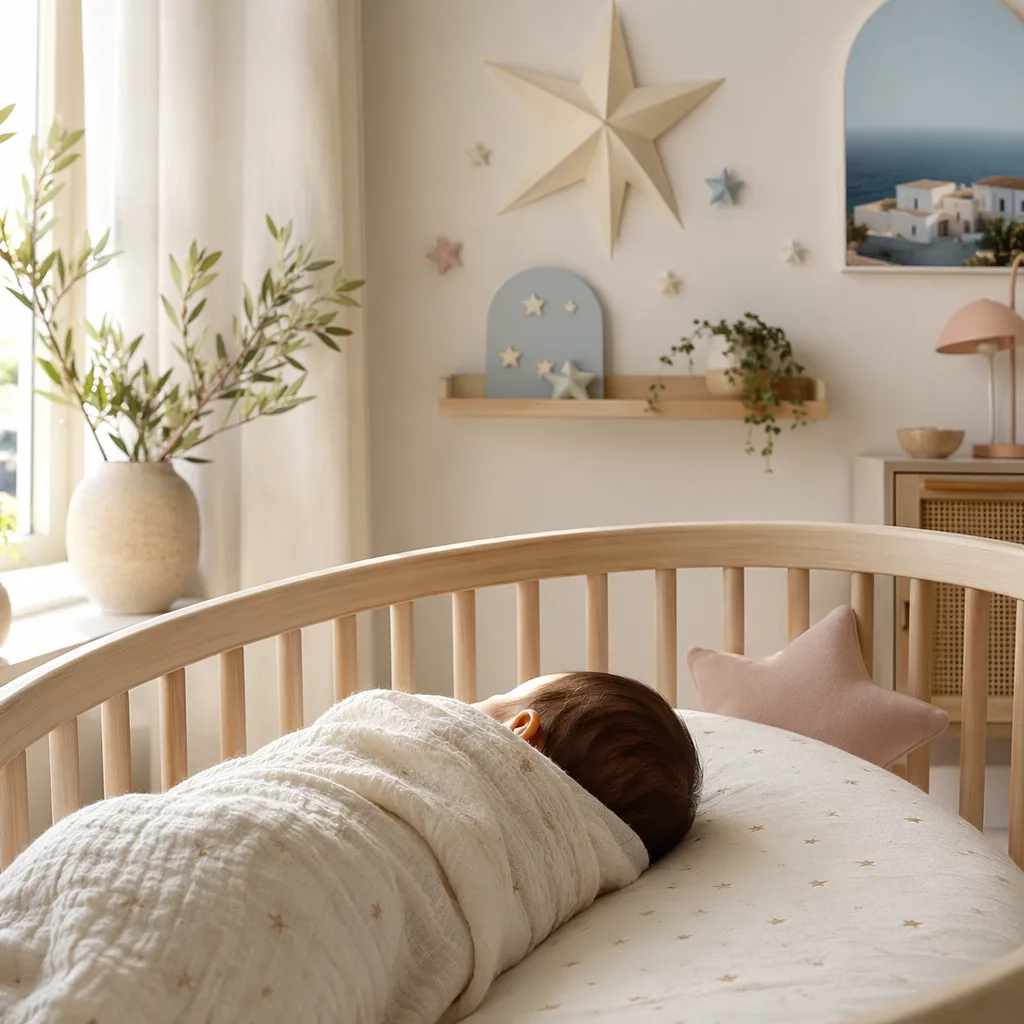
“Estela is a Spanish girl name meaning "star." It is a Spanish variation of Estelle, with a clear, luminous sound.”
Estela comes from Spanish usage and is understood as a variation of Estelle, a name associated with the meaning "star." That meaning gives Estela an immediate tenderness. It feels bright without being flashy, graceful without sounding too formal. If you picture calling it across a playground, Estela has a lovely rhythm: Es-te-la. It starts softly, rises in the middle, and lands gently at the end. For Spanish-speaking families, Estela feels familiar and elegant. It has the warmth of names ending in -a, but it stands apart from more common choices like Isabella, Elena, or Camila. It also travels well. English speakers may instinctively say eh-STEL-ah or ehs-TEH-lah, while Spanish pronunciation gives each vowel a clean sound: ehs-TEH-lah. Either way, the name keeps its shape and charm. Because Estela is connected to Estelle, parents may also notice a wider family of star-related names: Estelle, Estella, Stella, and Estrella. Each has a slightly different personality. Stella is short and crisp. Estrella is directly Spanish for "star" and has a more dramatic feel. Estela sits in the middle. It is softer than Stella and simpler than Estrella, which can make it feel especially wearable. The star meaning is easy to love because it does not need much explanation. It can suggest guidance, hope, distance, beauty, and steadiness. A star is small from where we stand, but it shines anyway. For a child, that image can feel quietly powerful: someone with her own light, her own path, and a name that reminds her she can be seen.
Why parents love it
Parents love Estela because it feels meaningful right away. A name that means "star" has an easy sweetness, the kind you can imagine in a bedtime story or tucked into a birthday card years from now. It is pretty, but it is not frilly. It has substance. Estela is also a lovely choice for bilingual families. In Spanish, ehs-TEH-lah sounds clear and musical. In English, it still feels accessible because people may recognize its connection to Estelle, Estella, or Stella. That makes it a name that can move between grandparents, teachers, cousins, and future coworkers without losing its identity. Another reason to consider Estela is its gentle rarity. Nameberry lists Estela at number 914 in the U.S. Top 1000, so it is used, but it is not everywhere. Your daughter probably will not share it with three other children in her class. And the nicknames are sweet. Este, Esti, Ella, and Stella all work, depending on the child’s personality. Estela gives you options without feeling complicated.
Heritage
Estela is most naturally placed in Spanish-language naming. It has a polished, classic feeling, but it is not one of the heavily used Spanish names many parents hear every day. That balance can be appealing for families who want something recognizable, feminine, and a little unexpected. The name’s star meaning gives it a gentle symbolic pull across cultures. Stars often appear in family stories, lullabies, prayers, flags, poetry, and art as signs of guidance or hope. Estela does not require a religious background, and it is not tied to a single religious tradition in the source material. That makes it flexible. A Catholic family, a secular family, or a bilingual family could all use Estela comfortably for different reasons. There are no special taboos widely attached to the name in the provided sources. The main thing parents may want to think about is pronunciation. In Spanish, the first vowel is a clean "eh" and the stress falls on the second syllable. In English-speaking settings, some people may connect it with Estelle or Estella and adjust the sound slightly. That is usually easy to correct with one friendly sentence: "It’s ehs-TEH-lah." Estela also carries a little literary and civic weight through real bearers such as Argentine author and translator Estela Canto and Argentine human rights activist Estela Barnes de Carlotto. Those associations give the name a mature, intelligent feeling without making it feel heavy for a child.
Not enough popularity data to chart yet.
Because Estela means "star," the name naturally suggests someone with a quiet, steady light.
Its soft Spanish vowels and balanced three-syllable rhythm give the name an elegant, composed feeling.
Estela has a literary tone, helped by namesakes such as Argentine author and translator Estela Canto.
The star image feels calm and guiding, like a light that stays visible even from far away.
Original
Estela
Marisol keeps the Spanish warmth and adds a sunny, lyrical sound.
Carmen gives the name a grounded, classic Spanish pairing.
Rose is short and familiar, so it lets Estela stay the star of the full name.
Ines has a crisp, elegant sound that pairs well with Estela’s soft ending.
Luz means light in Spanish, creating a sweet celestial feeling with Estela’s star meaning.
Beatriz adds vintage Spanish charm and a strong final consonant sound.
Pair two names and see how they sound, flow, and feel together.
Generate a soothing personalised bedtime story starring your child.
Reveal the life-path and destiny numbers hidden in a baby name.
Playful, name-based personality sketch to share with friends.
No stories for Estela yet. Be the first!