Quick facts
Last updated August 2026
What it means
“Falk is a Germanic name meaning "falcon." It comes from Old High German and is cognate with the word falcon, giving it a crisp, nature-rooted strength.”
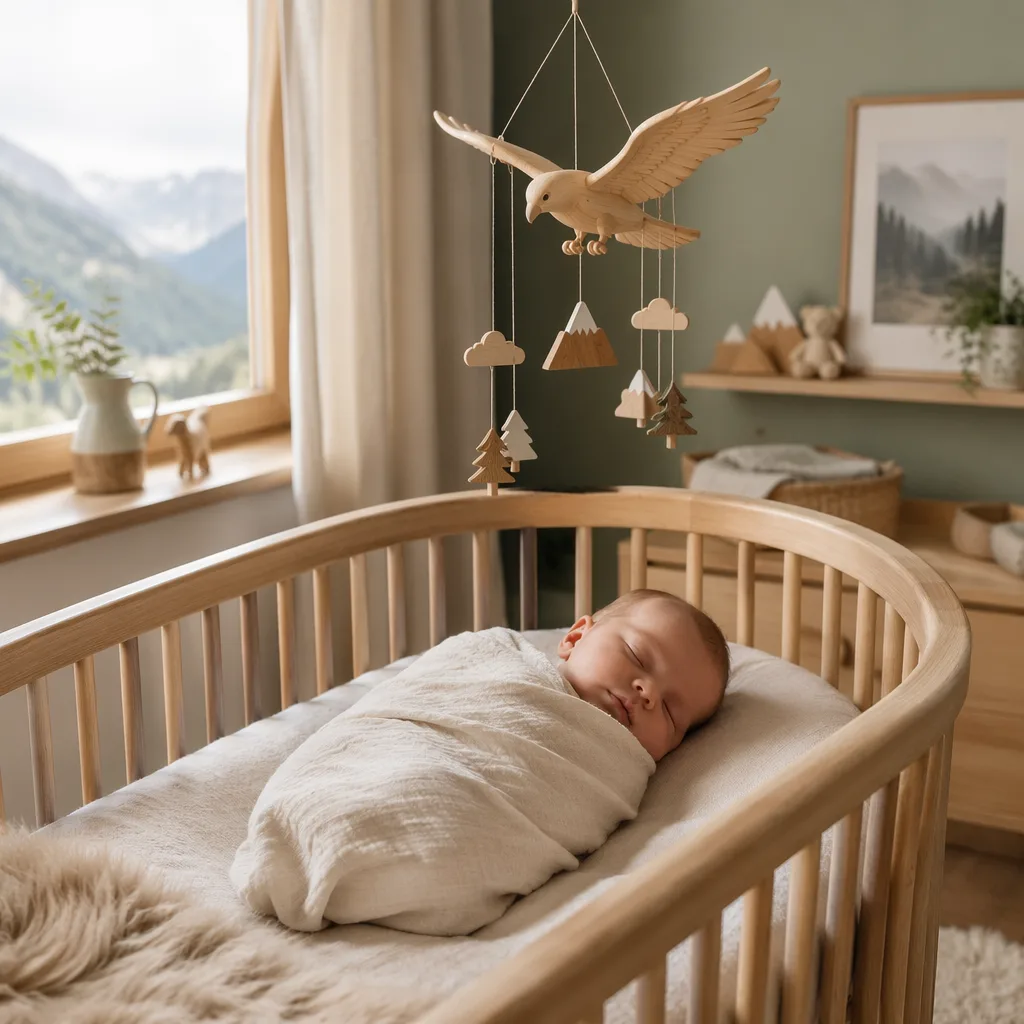
Falk is one of those short names that carries more than its size suggests. Its meaning is "falcon," drawn from Germanic roots, especially the Old High German word "falko." The name is also linked with Old Norse and Middle High German forms, and it sits naturally in Northern European naming history. If you like names that feel outdoorsy without sounding soft, Falk has that clean, alert quality. The falcon itself gives the name much of its character. Falcons are known for speed, sharp eyesight, and skill in the air. Because of that, the name can suggest focus, quickness, confidence, and watchfulness. In older societies where falconry mattered, a falcon could also be connected with status, training, and discipline. Some uses of Falk may have grown as a surname for someone associated with falcons or falconry, though it also stands well as a given name. Falk has German and Scandinavian associations, so it may appeal to families with German, Nordic, or broader Northern European heritage. It feels especially at home beside names like Otto, Lars, Henrik, Conrad, and Soren. It is simple to spell, but it still has a distinctive shape on paper. There are related forms and variants such as Falck, Falke, Falco, Valke, Valcke, and Faulk. Falco may feel more Latin or international to many English-speaking parents, while Falke looks more visibly German. Falk, though, is the leanest form. Four letters. One syllable. A strong final K. It has a surname style that many modern parents like, but its meaning keeps it from feeling plain. For a boy, Falk feels steady, bright-eyed, and quietly brave.
Why parents love it
Parents who choose Falk usually like names that feel clear and strong right away. There is no fuss here. Falk is four letters, one syllable, and easy to remember, but it still has a real history behind it. Its meaning, "falcon," gives it a vivid picture: sharp eyes, quick movement, and calm control. It is also a good fit if you want a German name that does not sound too formal in everyday life. A baby Falk can become a teenager Falk, then an adult Falk, without the name feeling cute or overly serious at any stage. It pairs nicely with longer middle names, especially German or European classics like Matthias, Johannes, Adrian, or Leopold. Another reason parents may love Falk is that it feels uncommon without being complicated. You might have to say it once, but you probably won’t have to spell it twice. For a family drawn to nature names, surname-style names, or heritage names with a clean modern edge, Falk is a small name with a watchful, courageous heart.
Heritage
Falk is rooted in Germanic and Northern European naming traditions, with a meaning tied directly to the falcon. That nature connection matters. Many old Germanic names drew strength from animals, elements, and qualities admired in daily life, and the falcon is an especially vivid image: keen-sighted, swift, controlled, and independent. The name does not carry a major religious requirement or a widely recognized sacred meaning, so it usually works as a cultural, family, or style choice rather than a faith-specific one. That can be helpful for parents who want a German name with history but no heavy religious expectation attached to it. It has a sturdy, old-world feel without sounding ornate. Because Falk is also used as a surname, some people may first think of it that way. In English-speaking settings, Peter Falk, the actor known for his profession as an actor and comedian, may come to mind as a famous surname bearer. In German contexts, Falk is more immediately understandable as a name connected to "falcon." There are no common taboos attached to the name in the sources provided. The main practical point is pronunciation. English speakers may say it like "fawk" or make the L very soft, while German pronunciation keeps it compact and clear. If you love strong one-syllable names, that small explanation is usually easy: "It’s Falk, like falcon."
Not enough popularity data to chart yet.
The falcon meaning gives Falk a sharp, attentive feeling, like a child who notices the small details others miss.
Falk has a spare, self-contained sound that suits a boy with a confident streak and his own ideas.
Its bird-of-prey image brings to mind courage, speed, and the willingness to act when the moment is right.
The single syllable and firm K ending make the name feel grounded rather than flashy.
Original
Falk
Matthias softens the short, strong sound of Falk while keeping a German-friendly feel.
Elias adds warmth and rhythm after Falk’s crisp one-syllable start.
Johannes gives the name a traditional, substantial middle with clear European roots.
Adrian balances Falk with a smooth, familiar sound that works well across languages.
Leopold makes the full name feel grand and old-world without crowding Falk.
Pair two names and see how they sound, flow, and feel together.
Generate a soothing personalised bedtime story starring your child.
Reveal the life-path and destiny numbers hidden in a baby name.
Playful, name-based personality sketch to share with friends.
No stories for Falk yet. Be the first!