Quick facts
Last updated July 2026
What it means
“Gefen is a Hebrew unisex name meaning “vine” or “grapevine.” It has a gentle, natural feel and points to growth, fruitfulness, and abundance.”
Gefen is one of those names that feels simple at first, then keeps getting richer the longer you sit with it. In Hebrew, Gefen means “vine” or “grapevine,” a meaning that gives the name a warm connection to nature, growth, and the idea of something living that stretches, roots, and bears fruit. It’s short, only five letters, but it doesn’t feel abrupt. The soft G, the open middle sound, and the quiet ending give Gefen a calm, grounded sound. As a baby name, Gefen is used for both boys and girls. Source material describes it as Hebrew in origin and unisex in use, with the meaning “vine.” One source also notes the related spelling Geffen. That spelling may feel more familiar to some English speakers because the double F makes the pronunciation feel clearer on paper, while Gefen stays closer to the clean, compact Hebrew-style form. The name’s meaning gives parents a lot to love without making the name feel overly decorative. A grapevine isn’t showy in the same way a flower name might be. It’s useful, enduring, and deeply connected to the land. It climbs. It holds on. It produces sweetness with time. For a child, that imagery can feel quietly hopeful: a name that suggests patience, resilience, nourishment, and the steady joy of watching someone grow into themselves. Gefen also has a modern style because it’s brief, vowel-rich, and gender-neutral. It sits nicely beside other Hebrew nature names and gentle contemporary names, but it still feels uncommon in English-speaking settings. If you like names that are meaningful without being frilly, spiritual without being heavy, and distinctive without being hard to say, Gefen has a lovely balance.
Why parents love it
Parents often fall for Gefen because it has that rare mix of softness and substance. It’s short enough to fit on a lunchbox label, easy enough for grandparents to learn, and meaningful enough to grow with a child. The meaning, “vine” or “grapevine,” brings in imagery of roots, reaching, sweetness, and abundance. That’s a lot for five letters to carry. Gefen also feels nicely gender-neutral. It doesn’t lean heavily toward one style, so it can suit a quiet child, a bold child, a serious kid, or the one who spends Saturday morning making a fort out of every couch cushion in the house. It gives them room. If your family has Hebrew roots, Gefen may feel especially warm because it comes directly from Hebrew language and nature imagery. If you don’t, it can still be a respectful choice when you love its sound, understand its origin, and appreciate its meaning. It pairs beautifully with both Hebrew and English middle names, from Gefen Noa to Gefen Rose. Best of all, it feels uncommon without feeling invented, which is a sweet spot many parents are hoping to find.
Heritage
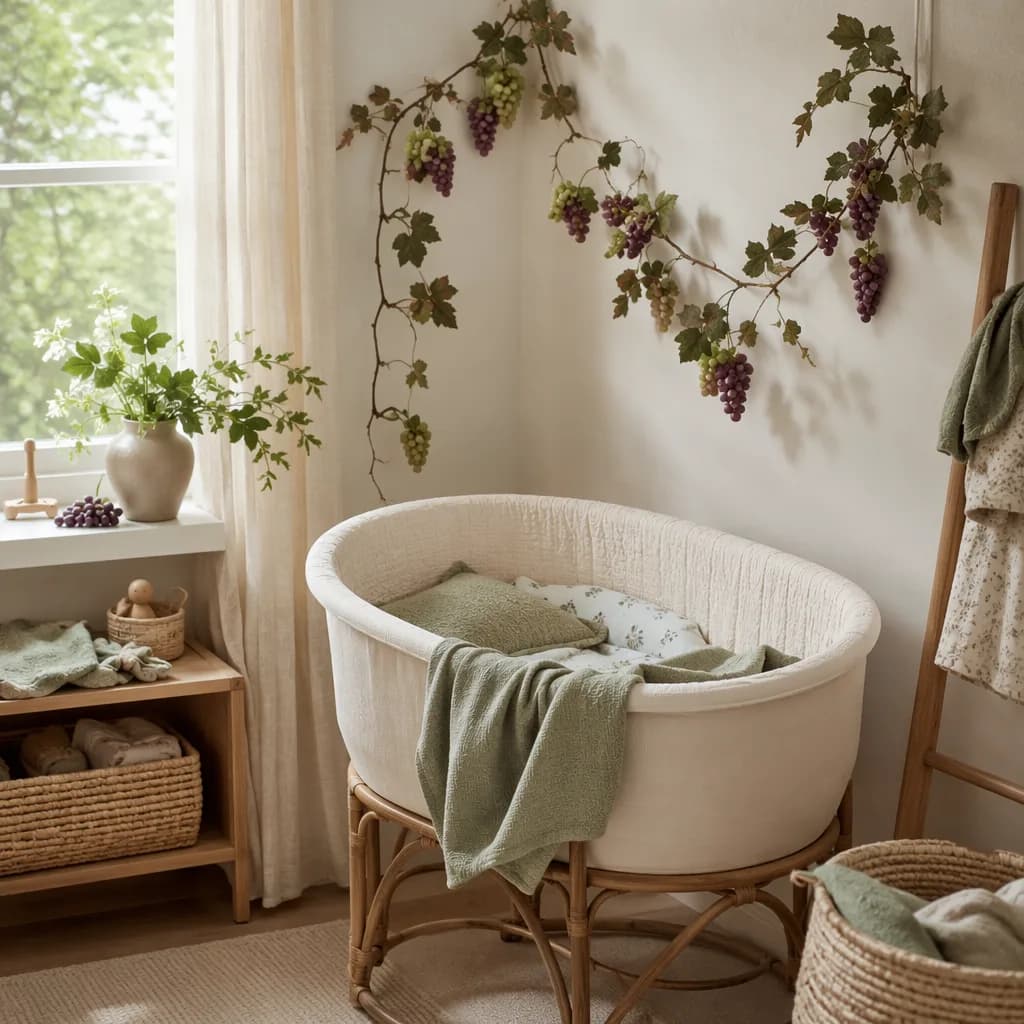
Gefen comes from Hebrew, where its meaning, “vine” or “grapevine,” gives it a natural cultural warmth. The source notes connect the vine with prosperity, blessings, growth, fertility, and abundance in Hebrew culture. That makes the name feel especially full-hearted for parents who want something rooted in language and land, rather than a name chosen only for sound. The grapevine is a particularly rich image in Jewish and Hebrew cultural life because grapes and wine are tied to celebration, blessing, and family ritual. While the provided sources do not frame Gefen as a biblical name or attach it to one specific religious figure, the meaning itself carries a familiar symbolic weight: fruitfulness, continuity, and the sweetness that comes from patient growth. For many families, that’s enough. The name doesn’t need to announce itself loudly to feel meaningful. There are no taboos in the provided material around using Gefen. It’s described as a Hebrew unisex name, so it can work comfortably for a son, a daughter, or a child whose parents simply prefer a gender-neutral choice. Outside Hebrew-speaking communities, parents may need to correct pronunciation once or twice, especially if someone tries to say it with a hard “gee” sound. But GEH-fen is straightforward once heard. Because Gefen is also a common Hebrew word, it may feel more direct and nature-based than some names that only have distant historical meanings. That can be part of its charm. It’s a name you can picture: green leaves, twisting stems, clusters of grapes, and a sense of life taking hold.
Not enough popularity data to chart yet.
Gefen’s meaning, “vine,” gives it an earthy steadiness that feels calm and rooted.
Because grapevines are associated with fruitfulness and abundance, the name carries a caring, life-giving feeling.
A vine grows by holding on and reaching upward, which gives Gefen a quiet sense of strength.
The soft sounds in GEH-fen make the name feel kind, approachable, and easy to say.
Gefen is uncommon in the United States, so it feels memorable without being complicated.
Original
גפן
Transliterations
Noa keeps the pairing short, Hebrew, and gentle.
Elias adds a classic, melodic rhythm after the crisp first name.
Rose gives the nature meaning a familiar English-language bridge.
Ari is brief and bright, making the full name feel warm and lively.
Eliana brings length and softness, balancing Gefen’s compact shape.
Jude adds a simple, grounded sound that doesn’t compete with Gefen.
Pair two names and see how they sound, flow, and feel together.
Generate a soothing personalised bedtime story starring your child.
Reveal the life-path and destiny numbers hidden in a baby name.
Playful, name-based personality sketch to share with friends.
No stories for Gefen yet. Be the first!