Quick facts
Last updated July 2026
What it means
“Hina Koharu is a Japanese girl name pairing Hina with Koharu, a name that can mean “small spring” or “heart spring” depending on the kanji. Koharu is also written 小春, a compound associated with a warm late-season period.”
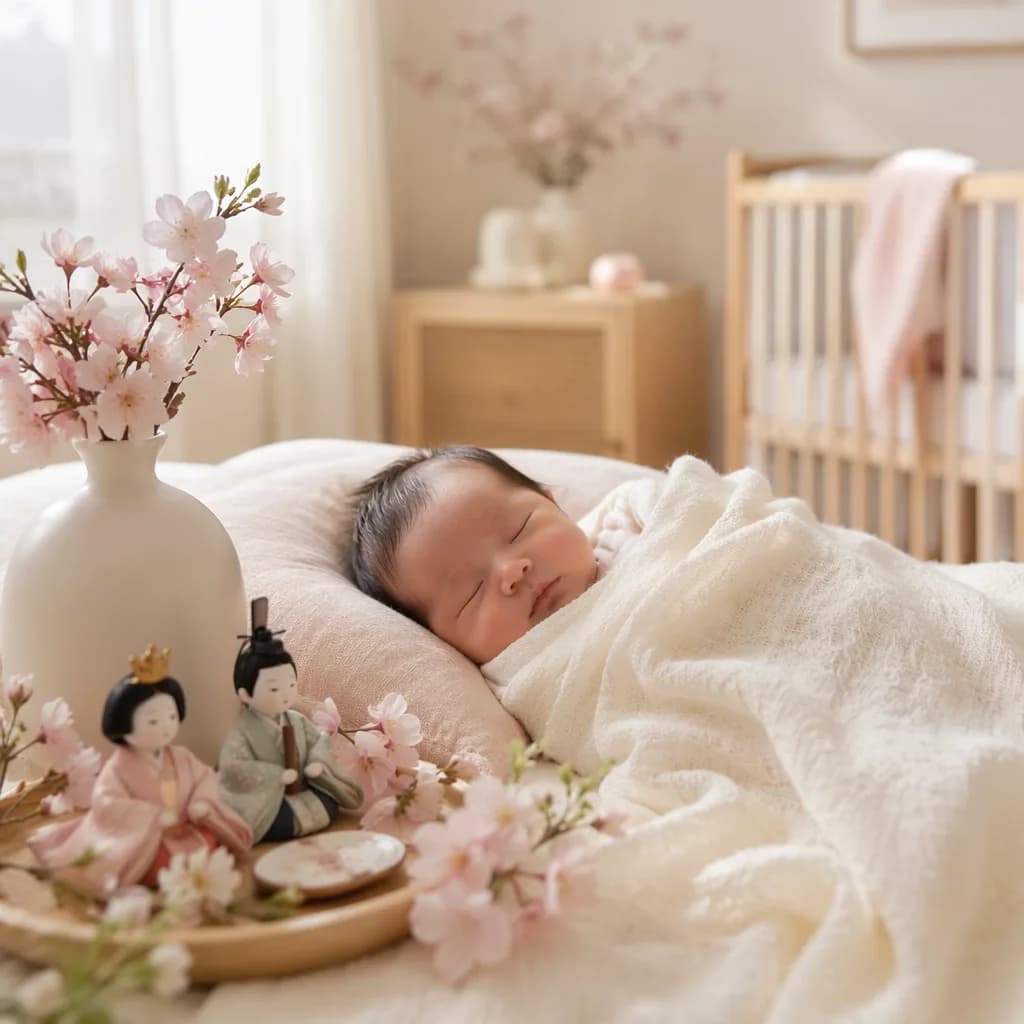
Hina Koharu has a soft, springlike feeling, especially because of Koharu. In Japanese, Koharu can be written with several kanji combinations, so the meaning depends on the characters a family chooses. Behind the Name gives two common readings: 小, pronounced ko, meaning “small,” or 心, also read ko in this name, meaning “heart,” combined with 春, haru, meaning “spring.” That gives Koharu the gentle images of “small spring” or “heart spring.” The written form 小春 is also a Japanese compound word connected with a late-season warmth, often understood as a little return of spring in cooler weather. That makes the name feel tender without being flimsy, like a sunny patch on a chilly afternoon. Hina is not covered in the supplied Japanese etymology source, so it’s best to treat its exact Japanese name meaning as dependent on kanji choice rather than assigning one fixed meaning. For parents considering Hina Koharu, that flexibility can be part of the appeal. Japanese names often carry meaning through their written characters, and the same sound can be written in different ways to express a family’s hopes, style, or seasonal feeling. There are also cultural echoes around the sound Hina in Japan because hina dolls are displayed for Hinamatsuri, Girls’ Day, on March 3. These dolls are ceremonial figures set out by families with prayers for a daughter’s health, happiness, and good future. That doesn’t make Hina and the dolls the same thing as a name origin, but it does give the full name Hina Koharu a very feminine, seasonal atmosphere for many parents who love Japanese culture. Outside Japan, Hina also appears in Polynesian mythology as the name assigned to a number of female deities, often powerful figures connected with the moon, sea, or other domains. That is a separate cultural context, but it adds another layer for families who appreciate names with wide, gentle resonance across cultures.
Why parents love it
Parents love Hina Koharu because it feels gentle without feeling plain. The sound is clear: HEE-nah ko-HAH-roo. It has that soft vowel flow many Japanese names are known for, but it still has shape and presence when you say the full name out loud. Koharu brings the strongest documented meaning. Depending on the kanji, it can suggest “small spring” or “heart spring,” and the written form 小春 is tied to a warm late-season feeling. That’s such a sweet image for a child: warmth arriving when the air is cool, a little brightness at just the right time. Hina adds a graceful opening. For families who know Japanese seasonal traditions, the sound may call to mind hina dolls and Hinamatsuri, when families display ceremonial dolls and wish for girls’ health and happiness. That makes the name feel cared-for from the start. It’s also a good choice if you want a name that can be intimate at home and elegant on paper. Hina, Haru, and Koko all make easy nicknames, while Hina Koharu keeps its full lyrical beauty.
Heritage
Hina Koharu feels especially tied to spring, girlhood, and family hopes because of the pieces surrounding it. Koharu is clearly Japanese in use, with kana forms こはる and コハル and kanji possibilities such as 小春 and 心春. Since kanji shape meaning, two children named Koharu may share the same sound while carrying different written messages. One family might choose 小春 for the image of a small, gentle spring. Another might choose 心春 for a warmer “heart” feeling. The Hina part has a cultural echo through Hinamatsuri, the Japanese Girls’ Day festival held on March 3. Hina dolls are displayed during this season as symbolic guardians, with families wishing for a daughter’s health, happiness, and prosperous future. If you’ve ever seen a tiered display with elegant imperial-style dolls, that’s the kind of image many people associate with hina dolls: careful, beautiful, and protective. For a daughter, that association can feel quietly lovely. There is one practical point for parents outside Japan. Japanese names are often personal to the chosen kanji, so it’s wise to decide whether you want the name mainly for its sound, its written Japanese form, or both. If you have Japanese family, a Japanese-speaking elder or native speaker can help you choose characters that feel natural. In Polynesian traditions, Hina is also the name of several female divine figures, so families with those ties may hear the name differently. Both contexts deserve care and respect.
Not enough popularity data to chart yet.
Koharu’s spring imagery gives the name a gentle, sunny feeling, like a child who brings softness into a room.
The possible 心 character in Koharu, meaning “heart,” makes the name feel emotionally aware and caring.
The Hina sound and its seasonal association with Hinamatsuri give the full name a poised, delicate quality.
A name connected with family wishes, health, and happiness feels grounded in care rather than flash.
Spring names often suggest light returning, which gives Hina Koharu a hopeful, open-hearted mood.
Original
ひな こはる, ヒナ コハル, 小春, 心春
Transliterations
Mae is short and gentle, so it doesn’t crowd the soft rhythm of the Japanese name.
Rose adds a familiar floral note for English-speaking families while keeping the name graceful.
June has a warm seasonal feel that sits nicely beside Koharu’s spring meaning.
Elise gives the full name a lilting finish and works well in bilingual settings.
Noelle adds a softer, longer ending for parents who want a more formal full-name sound.
Pair two names and see how they sound, flow, and feel together.
Generate a soothing personalised bedtime story starring your child.
Reveal the life-path and destiny numbers hidden in a baby name.
Playful, name-based personality sketch to share with friends.
No stories for Hina Koharu yet. Be the first!