Quick facts
Last updated July 2026
What it means
“ʻIlima is a Hawaiian name meaning “ʻilima blossom,” referring to the small golden flower of the native mallow plant, Sida fallax. The flower is strongly associated with Oʻahu, lei-making, warmth, honor, and affection.”
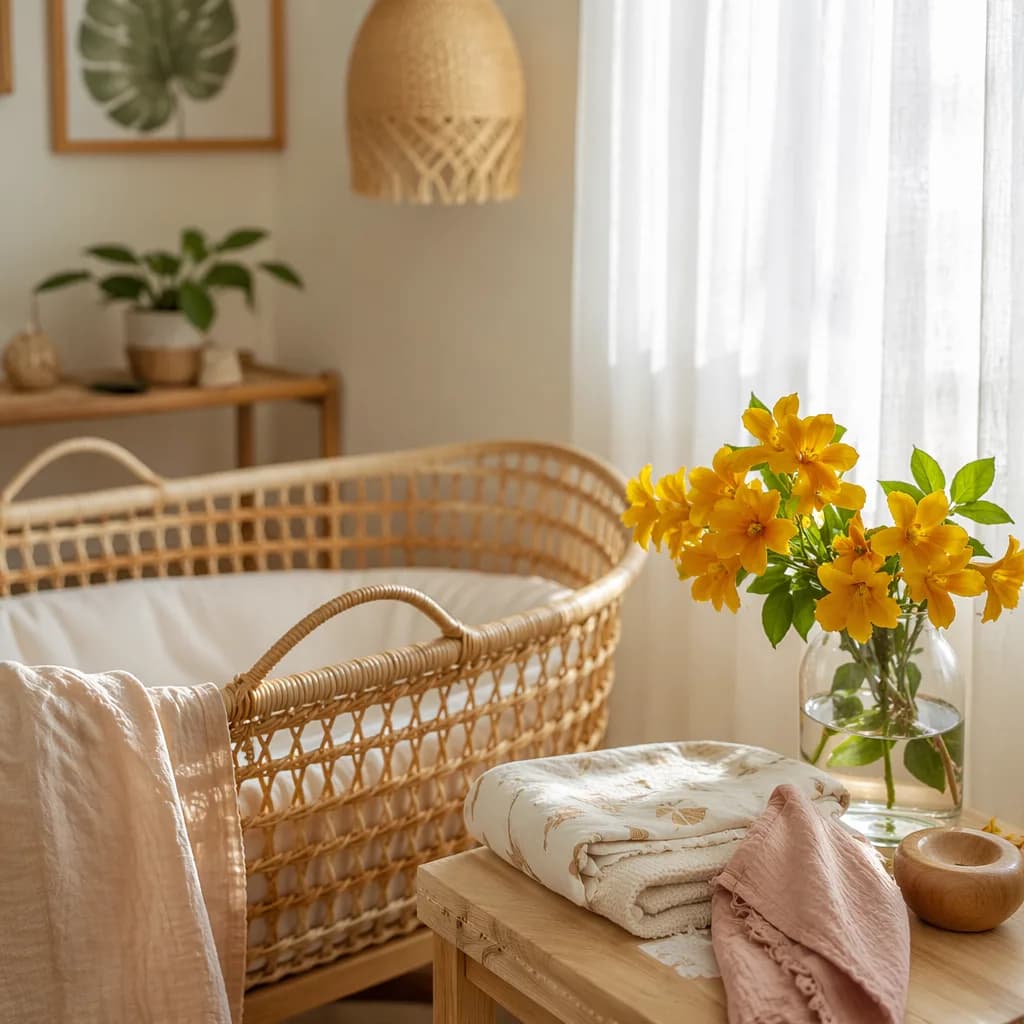
ʻIlima is one of those names that feels gentle at first, then becomes richer the longer you sit with it. In Hawaiian, ʻilima refers to a native mallow plant, Sida fallax, known for its small golden-yellow blossoms. As a baby name, it carries the image of the ʻilima flower itself: bright, delicate, sunlit, and deeply tied to place. The spelling with the ʻokina, ʻIlima, is the Hawaiian form. You may also see Ilima without the ʻokina, especially in English-language records or baby name lists. The ʻokina is not decorative. It marks a real sound in Hawaiian, a glottal stop, and keeping it can be a meaningful way to honor the name’s language and origin. The flower has a special place in Hawaiian culture. Source material identifies ʻilima as the official island flower of Oʻahu, and notes that its blossoms have been used in lei-making. These lei can require thousands of tiny flowers, which gives the name a feeling of patience, care, and devotion. It’s not flashy in the loud sense. It’s luminous. For parents, ʻIlima may feel like a name with softness and quiet strength. The plant is described as thriving in different Hawaiian environments, from coastal areas to higher ground, so the name can suggest resilience as well as beauty. It also has a sweet, open sound: ee-LEE-ma. That rhythm is easy to say once learned, but still rare enough to feel distinctive. Because ʻIlima is specifically Hawaiian, it deserves thoughtful use. For families with Hawaiian heritage, it can feel like a tender connection to language, land, and tradition. For families outside the culture, it’s wise to learn the pronunciation, understand the flower’s significance, and use the name with respect rather than treating it as just an unusual floral choice.
Why parents love it
Parents are often drawn to ʻIlima because it feels both tender and rooted. It has the sweetness of a flower name, but it isn’t common like Lily or Rose. The sound is light and musical: ee-LEE-ma. Once you know it, it’s easy to love. The meaning is especially lovely. ʻIlima points to a small golden blossom used in Hawaiian lei-making and recognized as Oʻahu’s flower in the source material. That gives the name a feeling of welcome, care, and celebration. Picture a child’s name that carries sunshine without shouting for attention. That’s ʻIlima. It’s also a name with responsibility. The ʻokina matters, the pronunciation matters, and the Hawaiian origin matters. For a family with Hawaiian heritage, ʻIlima can be a deeply personal way to honor language and place. For another family, it asks for real respect and learning. If you want a name that is rare, warm, and connected to nature, ʻIlima is beautiful. It feels peaceful on a baby, graceful on a teenager, and dignified on an adult.
Heritage
ʻIlima has a cultural weight that goes beyond a pretty flower name. The ʻilima blossom is identified in the source material as the official island flower of Oʻahu, and it has a long association with lei-making. A lei made from ʻilima can take thousands of tiny golden blossoms, so the name naturally brings to mind patience, skilled hands, celebration, and affection. The flower is also connected with aliʻi, or Hawaiian royalty, in the source excerpts. That does not mean every child named ʻIlima is being given a royal title, but it does give the name an honored, ceremonial feeling. One cited hālau, Pua Aliʻi ʻIlima, translates its name as “Royal ʻIlima Blossom,” showing how the flower can appear in Hawaiian cultural and hula contexts with dignity and layered meaning. For many Hawaiian names, spelling and pronunciation matter because they carry language, not just style. The ʻokina at the beginning of ʻIlima represents a glottal stop. Dropping it may happen in English use, but families who want to honor Hawaiian language will usually try to include it and say the name carefully. There is no religious taboo in the provided sources, but there is a cultural courtesy here. If you’re choosing ʻIlima without Hawaiian roots, take time to learn what the flower means, how it’s pronounced, and why Oʻahu’s floral symbols matter. That kind of care turns admiration into respect.
Not enough popularity data to chart yet.
ʻIlima’s meaning comes from a small golden blossom, giving the name a soft and tender feeling.
The ʻilima plant is associated in the source material with thriving across different Hawaiian environments, which gives the name quiet strength.
Its golden flower imagery makes the name feel sunny, affectionate, and welcoming.
Because ʻilima blossoms are used in delicate lei-making, the name suggests care, patience, and beauty.
Original
ʻIlima
Transliterations
Rose gives the name a familiar floral partner while letting ʻIlima stay distinctive.
Grace matches the name’s gentle, ceremonial feeling.
Noelle adds a soft, lyrical finish that flows well after three syllables.
Mae is short and warm, giving ʻIlima a sweet, easy balance.
Lehua continues the Hawaiian floral feeling for families who want a strongly nature-rooted pairing.
Pair two names and see how they sound, flow, and feel together.
Generate a soothing personalised bedtime story starring your child.
Reveal the life-path and destiny numbers hidden in a baby name.
Playful, name-based personality sketch to share with friends.
No stories for ʻIlima yet. Be the first!