Quick facts
Last updated July 2026
What it means
“Kalina is a Polish girl name meaning "viburnum," a flowering shrub with clusters of blossoms and bright berries. It feels botanical, Slavic, and quietly distinctive.”
Kalina is one of those names that feels gentle on the ear and rooted in something real. In Polish, kalina refers to the viburnum, a flowering shrub known for rounded clusters of small flowers and, in many varieties, red berries. That gives the name a soft nature meaning without sounding like a modern word name. It has the freshness of Lily or Rose, but with a clearly Slavic sound and a little more mystery outside Poland. For parents with Polish heritage, Kalina can feel especially satisfying because it is easy enough to say in English while still carrying a true Polish identity. The usual English-friendly pronunciation is kah-LEE-nah, with three clear syllables. In Polish, the middle sound is a bit lighter and more palatal, but most families using the name internationally settle naturally into kah-LEE-nah. Nameberry lists Kalina as Polish and gives the meaning "viburnum." The same source also notes it as a variation of Karen, so you may see both explanations in baby-name references. For a Polish name page, the plant meaning is the most culturally specific and the most useful one for parents choosing the name because of its Slavic roots. The name has a graceful shape: K gives it a crisp beginning, while the -lina ending makes it feel lyrical and familiar beside names like Alina, Melina, and Karolina. It is not a name everyone in the classroom will already have, but it does not feel hard to wear. That balance is a big part of Kalina’s charm. It sounds pretty, but not fussy. Distinctive, but not complicated. If you love nature names and want something with Polish texture, Kalina is a lovely place to land.
Why parents love it
Parents love Kalina because it gives you so much in one tidy, musical name. It has a real nature meaning, viburnum, so it feels fresh and outdoorsy without sounding like a newly invented botanical name. It also has Polish roots, which can make it a meaningful choice for a family honoring heritage, a grandparent, or a connection to Poland. Kalina is easy to picture on every age. A preschooler called Kali, a teenager who prefers Lina, an adult who uses the full Kalina at work. It grows well. That matters more than people think when they are staring at a hospital bracelet or a birth certificate form. It is also rare enough to feel special in many English-speaking places, but not so unusual that people freeze when they see it. The pronunciation kah-LEE-nah is intuitive once heard, and the spelling is clean. No extra letters. No complicated accent marks needed in everyday English use. If you like Alina, Karolina, Lena, or Mila but want something less expected, Kalina gives you that same softness with a brighter, more distinctive edge.
Heritage
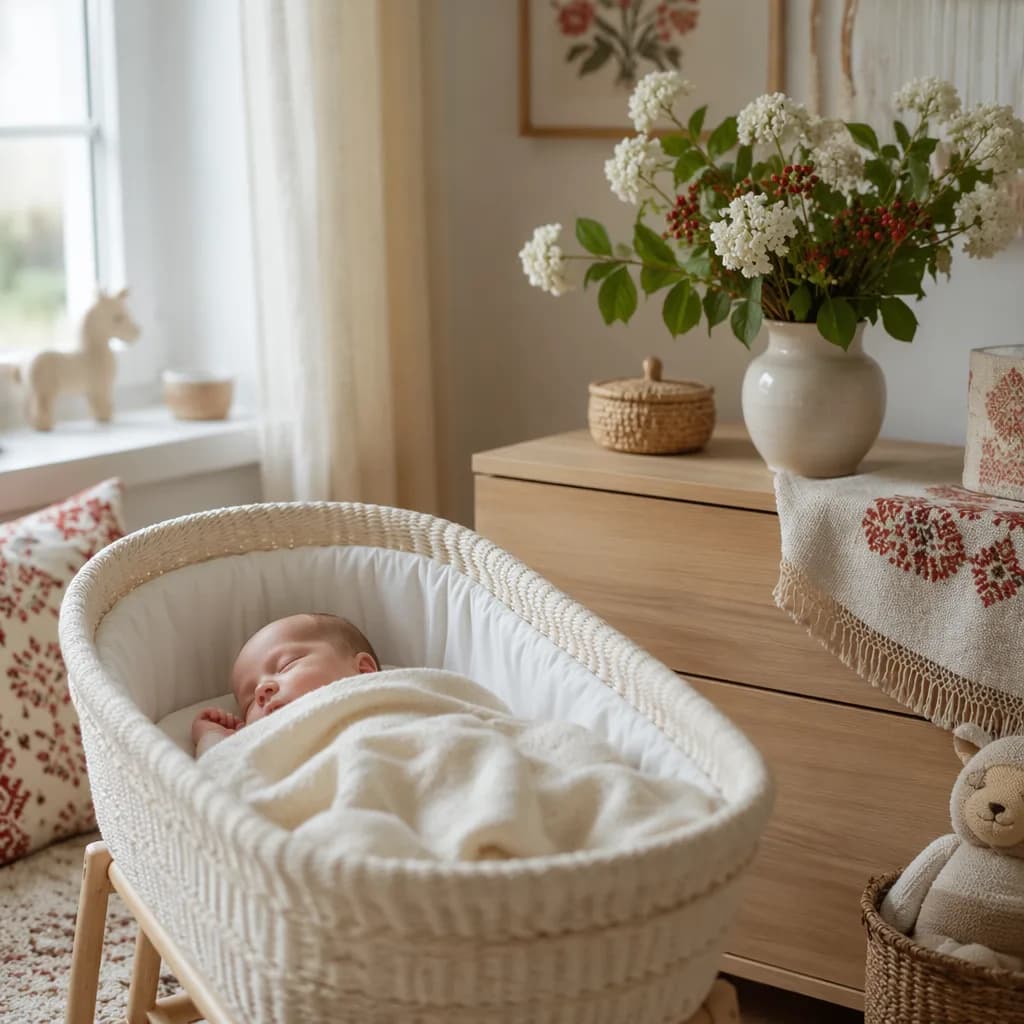
Kalina sits comfortably in the family of Slavic nature names, especially for Polish families who like names connected to plants, seasons, and the countryside. Since kalina means viburnum in Polish, the name can bring to mind a flowering shrub rather than an abstract virtue or a borrowed classic. That makes it feel grounded. You can picture it: white blossoms in spring, red berries later in the year, a name that has color and shape. There is no major religious rule or taboo attached to Kalina in the provided sources. It is not presented as a saint’s name or a biblical name, so parents usually choose it for sound, heritage, and meaning rather than for a formal religious association. That can be a plus for families who want a name that works across different faith backgrounds, or for parents who simply want something Polish without choosing a strongly church-linked name. Culturally, Kalina also has a familiar Slavic rhythm. It shares the soft -lina ending found in names that travel well across languages, while the K beginning keeps it bright and memorable. In Poland, Nameberry’s data lists Kalina at number 72 in 2025, which suggests it is recognizable there. In the United States, it is much rarer and is not shown with a US Top 1000 rank in the provided data. So a child named Kalina may have a name that relatives in Poland recognize, while still sounding uncommon in an English-speaking classroom.
Not enough popularity data to chart yet.
Kalina’s flowing -lina ending gives the name a soft, elegant sound without making it feel overly formal.
Its meaning, viburnum, ties the name to a real plant, which gives it a calm and earthy feeling.
Kalina is familiar in shape but uncommon in many English-speaking settings, so it stands out gently.
The kah-LEE-nah pronunciation has open vowel sounds that make the name feel friendly and approachable.
Original
Kalina
Transliterations
Rose keeps the botanical feeling going and gives the full name an easy English rhythm.
Mae is short and sweet, which lets Kalina remain the clear star of the name.
Sofia pairs beautifully with Kalina’s Slavic sound while feeling familiar across many languages.
Grace adds a classic, calm note to the more distinctive first name.
Elise brings a light, polished finish and avoids making the full name feel too long.
Pair two names and see how they sound, flow, and feel together.
Generate a soothing personalised bedtime story starring your child.
Reveal the life-path and destiny numbers hidden in a baby name.
Playful, name-based personality sketch to share with friends.
No stories for Kalina yet. Be the first!