Quick facts
Last updated August 2026
What it means
“Lorna is a feminine name said to have been created by R. D. Blackmore for the heroine of his 1869 novel Lorna Doone. Blackmore appears to have drawn it from the Scottish place name Lorn or Lorne.”
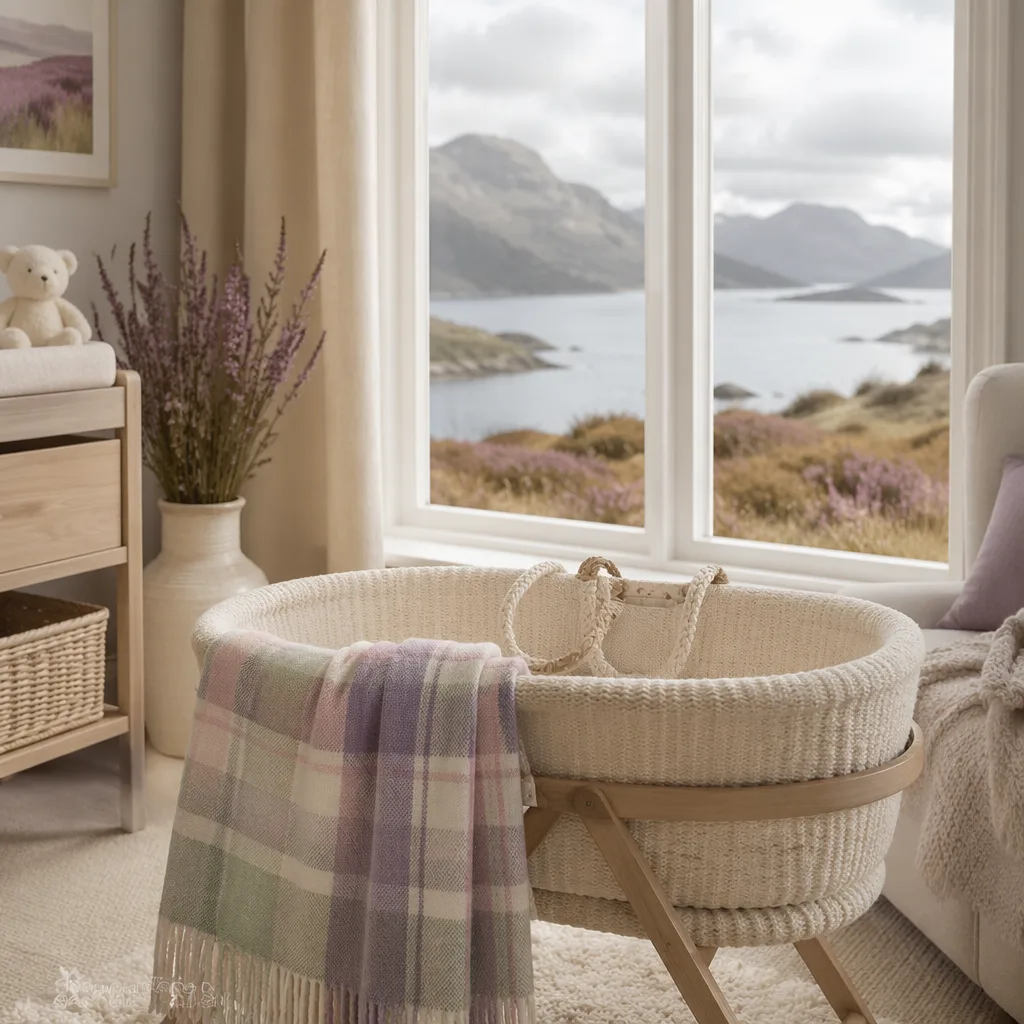
Lorna has one of those origin stories that feels almost like a family keepsake. It is widely said to have been coined by the English novelist R. D. Blackmore for Lorna Doone, the heroine of his 1869 novel of the same name. Rather than coming down through centuries as a traditional saint's name or royal name, Lorna seems to have entered baby-name life through literature, which gives it a gentle, romantic quality without making it feel frilly. The Scottish link matters. Blackmore appears to have derived Lorna from the place name Lorn or Lorne, a name associated with Scotland. So while Lorna became familiar through an English novel, its sound and likely root point back to Scottish geography. For parents who like names with a sense of landscape, Lorna can feel quietly coastal and northern: simple, grounded, and a little windswept. Because it began as a literary given name, Lorna does not have a single ancient meaning like "grace" or "light." Its meaning is better understood as "from Lorn" or "connected with Lorn/Lorne," with the added cultural layer of Lorna Doone. That can be a lovely thing. Some parents prefer a name that doesn't over-explain a child before she's even here. Lorna gives you history and atmosphere, but it leaves plenty of room for the person wearing it. The name's shape helps too. Two syllables. Clear sounds. A soft ending. It feels familiar without being everywhere, and it fits easily beside both traditional Scottish names and classic English names. A baby Lorna could have sisters called Isla, Fiona, or Alice, and the set would feel natural.
Why parents love it
Parents often love Lorna because it feels familiar without feeling common. It is easy to say, easy to spell, and still has a story tucked inside it. If you've ever stood in a bookstore and felt pulled toward names with a bit of history, Lorna has that quiet magic. The name's literary connection gives it charm, while its likely link to the Scottish place name Lorn or Lorne keeps it grounded. It doesn't sound trendy or overly styled. It sounds like a name a child can grow into: soft for a baby, clear for a school-age child, and graceful on an adult. Lorna also plays nicely with many middle names. Lorna Mae feels sweet. Lorna Catherine feels classic. Lorna Skye gives the Scottish feeling a little more room. And because the name is only two syllables, it works with both short and longer surnames. If you want a girl name that isn't shouting for attention, Lorna is a lovely choice. It has warmth, shape, and substance. It feels like the kind of name people remember because it has character, not because it's trying too hard.
Heritage
Lorna's cultural significance is tied most strongly to literature and Scottish place-name heritage. The name is said to have been invented for Lorna Doone, the heroine of R. D. Blackmore's 1869 novel. That gives it a special kind of backstory: it is not just a name found in records, but a name introduced to many readers through a named character. For a parent who loves books, that can feel personal without being showy. Its Scottish association comes through Lorn or Lorne, the place name Blackmore appears to have used as inspiration. Because of that, Lorna often feels Scottish in style even though its life as a given name is closely linked to a Victorian-era novel. It sits in that sweet spot between place name and literary name. There is no widely established religious tradition attached to Lorna in the provided sources. It is not presented as a biblical name, a saint's name, or a name with specific ritual use. That usually makes it easy for families from different backgrounds to use. It does not carry obvious religious taboos in the source material, and its sound is gentle enough to travel well in English-speaking settings. The source material also notes a National Lorna Day held annually on 30 April, described as having started in Staffordshire and later being recognized more widely. For a child named Lorna, that gives the name a small, cheerful calendar detail. Not every name gets its own day, and this one does it without feeling overly formal.
Not enough popularity data to chart yet.
Lorna fits a child whose name carries a quiet bookish charm because it is closely linked with the heroine of Lorna Doone.
Its likely connection to the Scottish place name Lorn or Lorne gives it a steady, landscape-rooted feeling.
The soft ending and two-syllable rhythm make Lorna feel calm and approachable.
Lorna is familiar enough to pronounce, but uncommon enough that it still feels individual.
Original
Lorna
Mae keeps the full name sweet and simple, with a soft vintage feel.
Grace adds a classic middle-name polish without taking attention from Lorna.
Skye echoes Scottish place-name style and gives the name a fresh, airy lift.
Catherine brings a traditional, grown-up balance to Lorna's literary softness.
Rose is short, familiar, and gentle beside Lorna's round first syllable.
Elizabeth gives Lorna a formal classic partner for a name that feels timeless.
Pair two names and see how they sound, flow, and feel together.
Generate a soothing personalised bedtime story starring your child.
Reveal the life-path and destiny numbers hidden in a baby name.
Playful, name-based personality sketch to share with friends.
No stories for Lorna yet. Be the first!