Quick facts
Last updated June 2026
What it means
“Margarida is the Portuguese form of Margaret, meaning “pearl.” It comes through Latin and Greek from an older Persian word for pearl.”
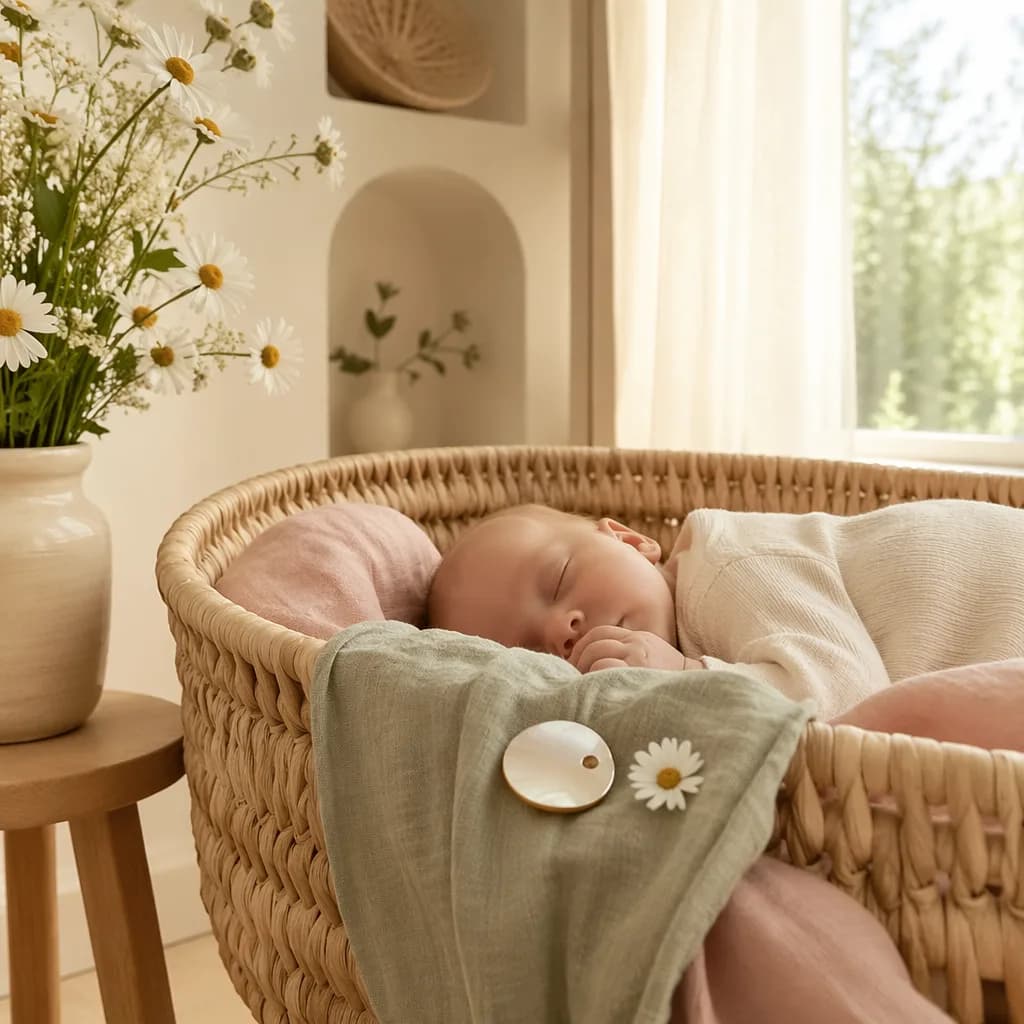
Margarida has that lovely mix parents often hope for: graceful, familiar in feeling, and still distinctive if you live outside a Portuguese-speaking community. Its meaning is “pearl,” a small image with a lot of tenderness tucked inside it. A pearl suggests patience, rarity, quiet beauty, and something precious formed over time. For a child, that gives the name a gentle kind of strength, not flashy, but deeply felt. The name belongs to the wider Margaret family. According to the source material for Margarita, the Latin form came from the Greek word for pearl, which was borrowed from Persian. The same family of names includes Margaret in English, Margherita in Italian, Marguerite in French, Margareta in Swedish, Margaretha in Dutch, Margarida in Portuguese, and Margarete in German. So Margarida sits in a long international line, but it keeps a specifically Portuguese sound and spelling. One sweet detail is that the related form Margarita is also the word for the daisy flower in Spanish, Greek, and other languages. That does not make Margarida literally “daisy” in Portuguese from the source we have, but it does give the name family a bright, floral association in nearby cultures. You may hear pearl first, flower second, and either way the feeling is gentle and classic. For pronunciation, English speakers may first pause at the middle of the name, but it becomes easy once you say it a few times: mar-gah-REE-dah. In Portuguese, the “r” and vowel sounds can vary by region and accent, so a family in Lisbon may say it a little differently from a family in Brazil. Still, the shape is clear, musical, and warm.
Why parents love it
Parents choose Margarida because it feels meaningful without trying too hard. The pearl meaning is simple enough for a child to understand, but it still has depth. You can imagine telling her, “Your name means pearl,” while fastening tiny shoes before preschool, and then telling her again years later before a graduation or a big first day. It’s also a beautiful choice for Portuguese families, Portuguese-speaking households, or anyone who loves names with European history and a softer rhythm. Margarida has the familiar bones of Margaret, but it doesn’t sound like every other name on the playground in many English-speaking places. That can be a real gift. Distinctive, yes. Difficult, no. The sibling pairings are easy, too. Margarida and Beatriz sound polished and sisterly. Margarida and João feel warmly Portuguese. Margarida and Clara have a bright, gentle balance. If you like names that sound traditional but still alive, this one gives you room to build a whole family set around that style. The nickname options are practical. Rita is the cleanest and most established short form from the related Margarita family, while Marga or Dida can feel more homey. So she can be Margarida on a birth announcement, Rita at soccer practice, and Dida to the people who know her best.
Heritage
Margarida is a Portuguese member of one of Europe’s most enduring name families. Because it is related to Margaret, Marguerite, Margherita, and Margarita, it can feel both rooted and widely understandable. That’s especially useful for families with Portuguese heritage who want a name that travels. A grandmother may recognize its traditional feel, while a teacher in an English-speaking classroom can still learn it without too much trouble. The name’s pearl meaning carries a naturally tender symbolism. Pearls have long been associated with beauty, value, and patience, and you don’t need to dress that up too much. It’s the kind of meaning a child can grow into. At age five, it may sound pretty and sing-songy. At sixteen, it may feel elegant. As an adult, Margarida has presence without sounding severe. Religiously and culturally, the broader Margaret name family has been used across Christian Europe for centuries, though the provided sources do not give a specific saint or religious figure for Margarida itself. It is safest to describe Margarida as culturally Portuguese and historically connected to the international Margaret family, rather than attaching it to a particular tradition without evidence here. There are no obvious taboos in the source material connected with Margarida. The main practical consideration is pronunciation. If you live in a place where Portuguese names are uncommon, you may need to model it once: “It’s mar-gah-REE-dah.” After that, most people can manage it. Nicknames also help. Rita is listed as a traditional short form of the related name Margarita, and it works naturally for Margarida too.
Not enough popularity data to chart yet.
Margarida’s pearl meaning gives it a calm, polished feeling that suits a child with quiet confidence.
The name feels patient and reflective, more like a handwritten note than a loud announcement.
Its Portuguese rhythm and open vowel sounds make Margarida feel affectionate and approachable.
Because it belongs to the long Margaret name family, Margarida has a classic backbone beneath its softer sound.
Original
Margarida
Luz is short and luminous, which balances Margarida’s longer, traditional sound beautifully.
Isabel has a classic Iberian feel, so the full name sounds elegant without feeling fussy.
Sofia is familiar in many languages, giving the pairing a soft international ease.
Clara means bright in feeling and sound, and its crisp ending keeps the name from becoming too heavy.
Leonor adds a regal, literary tone that pairs well with Margarida’s old-world grace.
Rosa brings a simple floral note, sweet and grounded next to the pearl meaning of Margarida.
Pair two names and see how they sound, flow, and feel together.
Generate a soothing personalised bedtime story starring your child.
Reveal the life-path and destiny numbers hidden in a baby name.
Playful, name-based personality sketch to share with friends.
No stories for Margarida yet. Be the first!