Quick facts
Last updated June 2026
What it means
“Mei is a feminine Chinese name that can mean “beautiful” when written 美 or “Chinese plum” when written 梅. It is also used in Japanese, where its meaning changes depending on the characters chosen.”
Mei is a short, luminous name with a great deal of meaning held inside one graceful syllable. In Chinese, Mei is commonly associated with the character 美, meaning “beautiful,” and with 梅, meaning “Chinese plum.” Because Chinese given names are tied closely to the characters selected by a family, Mei is not just a sound but a small piece of written symbolism. A child named Mei may carry a meaning connected to beauty, elegance, natural charm, or the quiet strength of the plum blossom. The plum is especially evocative because it blooms in the cold, giving the name a feeling of resilience as well as loveliness. Mei is also used in Japanese, where it may be written with different kanji, such as combinations that can include ideas like “sprout,” “garment,” “bright,” or “reliant,” depending on the written form. It can also be written in hiragana or katakana. This makes Mei a cross-cultural East Asian name: simple to say, but rich in written possibilities. For a Chinese girl, the name is especially clear and elegant in Mandarin romanization, with 美 and 梅 being two of its most recognizable character associations. One of Mei’s great strengths is its balance. It feels gentle without being fragile, international without losing cultural roots, and minimalist without feeling plain. In English-speaking settings, Mei is often pronounced like “may,” which makes it accessible for many families while still preserving its distinctive spelling and heritage. Parents may be drawn to Mei because it carries a naturally positive meaning, whether they are imagining beauty of character, the poetic image of plum blossoms, or a name that feels peaceful, bright, and enduring. It is a name that can grow easily with a child, from a sweet baby name to a poised adult name.
Heritage
In Chinese naming traditions, the written character matters deeply. The same romanized sound, Mei, can represent different characters and therefore different meanings. 美 gives the name the direct meaning “beautiful,” while 梅 refers to the Chinese plum. This makes Mei a lovely example of how Chinese names often combine sound, visual form, and family intention. A parent choosing Mei may be choosing not only a pleasant pronunciation, but also a character that expresses hope, admiration, or a connection to nature. The plum meaning is especially meaningful in a broad East Asian cultural context because plum blossoms are admired for blooming in winter or early spring. While it is best not to reduce the name to one fixed symbol for every family, the image often suggests perseverance, freshness, and beauty that appears even in difficult conditions. Mei can therefore feel both delicate and strong. There are no broad religious rules or taboos attached to the name Mei in the provided sources. As with many Chinese names, the main cultural consideration is choosing the intended character carefully and confirming the pronunciation in the family’s language or dialect. Families using the name outside Chinese-speaking communities may also want to explain that Mei is not simply a creative spelling of May, but a name with its own written forms and meanings. That explanation can become a gentle way for a child to share her heritage and the thought behind her name.
Not enough popularity data to chart yet.
Mei’s association with beauty gives it a poised, elegant feeling that suits a child with a gentle presence.
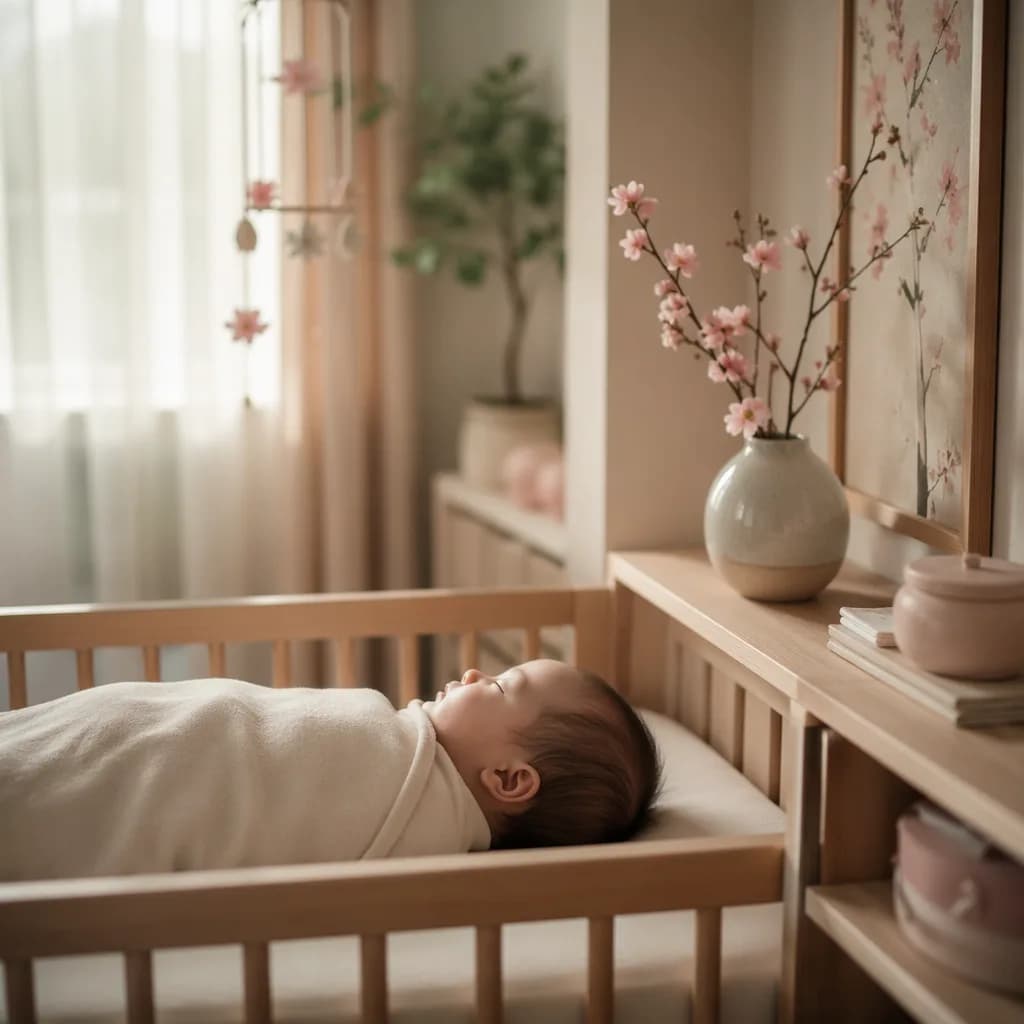
When connected with the plum character 梅, the name suggests blossoms that appear in cold seasons, a lovely image of quiet strength.
Its soft sound and simple pronunciation make Mei feel approachable, affectionate, and easy to love.
Because the meaning depends on the chosen Chinese character, Mei feels intentional and carefully selected.
Original
美 / 梅
Transliterations
The longer, classic middle name gives balance to Mei’s compact elegance.
Lillian adds a soft floral feeling that pairs beautifully with Mei’s natural imagery.
Isabelle brings a romantic, flowing rhythm after the crisp one-syllable first name.
Victoria adds strength and formality, creating a graceful full-name style.
Celeste gives the combination a bright, airy quality while keeping the sound refined.
Pair two names and see how they sound, flow, and feel together.
Generate a soothing personalised bedtime story starring your child.
Reveal the life-path and destiny numbers hidden in a baby name.
Playful, name-based personality sketch to share with friends.
No stories for Mei yet. Be the first!