Quick facts
Last updated August 2026
What it means
“Oluwanishola is a Yoruba name that can be understood as a God-centered name connected with honor, wealth, or blessed standing. With Adeyinka and Bamigboye, the full name has a regal, prayerful feel.”
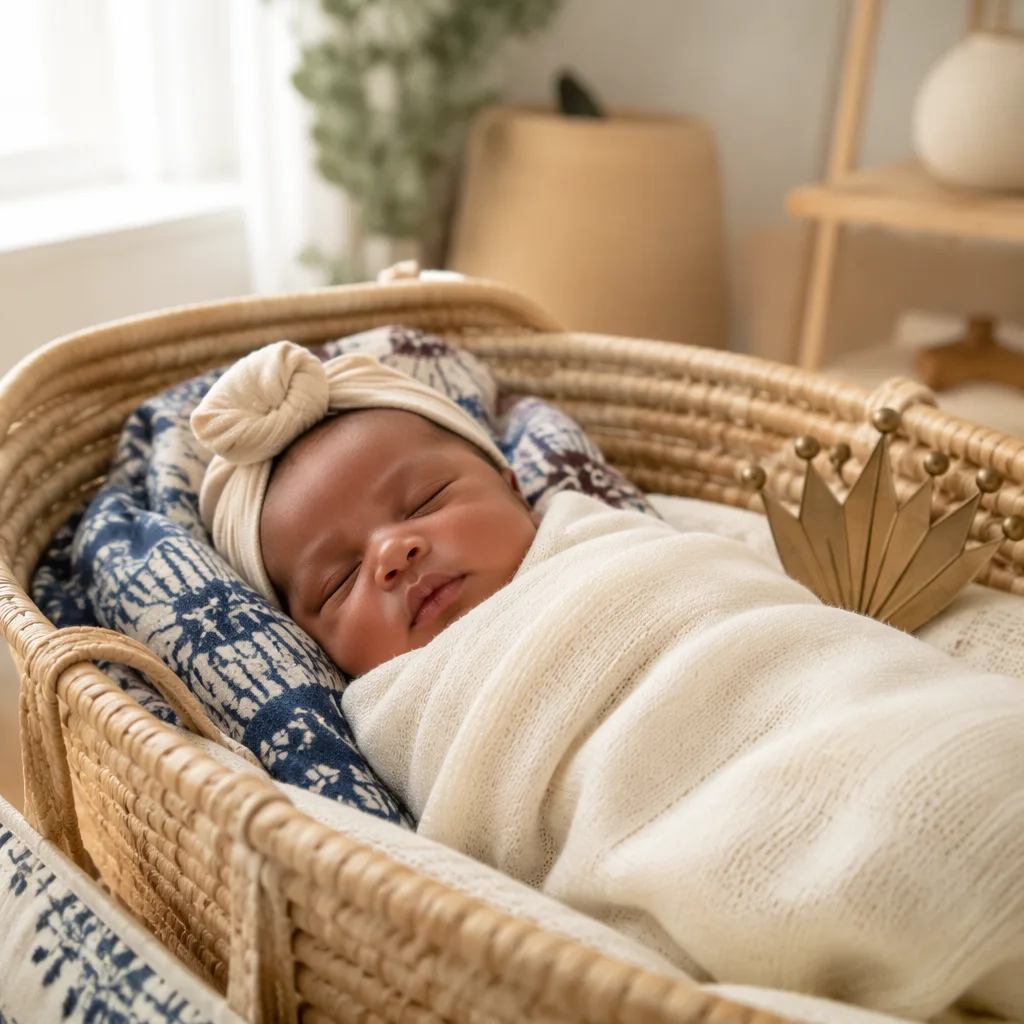
Oluwanishola Adeyinka Bamigboye is the kind of name that feels full at the first hearing. It carries the rhythm of Yoruba naming, where a name often does more than identify a child. It can tell a family story, speak a prayer, remember a season, or place a child inside a wider circle of faith and kinship. Oluwanishola is best read as a theophoric Yoruba name, meaning it includes a reference to God. The opening element, Oluwa, is widely used in Yoruba God-centered names. In everyday family life, names with Oluwa often feel tender and declarative, like a parent saying, “God is present in this child’s story.” The later part of the name suggests honor, wealth, dignity, or blessed status, depending on family spelling and interpretation. Because Yoruba names can shift slightly in meaning with tone marks and local usage, a family elder’s explanation matters. If this is your family name, that home explanation is the one to keep close. Adeyinka adds a beautiful royal layer. It is commonly associated with the idea of the crown surrounding or encircling someone. In Yoruba name traditions, ade means crown, and crown names often point to dignity, leadership, family pride, or a link to honored lineage. Bamigboye has a strong, older Yoruba feel too, with a sense connected to being helped to carry rank, title, or honor. Put together, Oluwanishola Adeyinka Bamigboye sounds like a name for a child who is received with gratitude and expected to stand with grace. For a baby, this full name gives parents several choices. You can use Oluwanishola in full for ceremonies and official moments, then use Shola, Nisha, Olu, or Yinka at home. That flexibility is one of its quiet strengths. It’s formal when it needs to be, affectionate when you’re calling across the kitchen, and deeply rooted all the way through.
Why parents love it
Parents love Oluwanishola Adeyinka Bamigboye because it feels like a name with roots under it. It isn’t light or throwaway. It sounds like something a child can grow into. There’s also a lovely balance here. Oluwanishola brings faith and blessing. Adeyinka brings crown language and dignity. Bamigboye adds family weight, almost like a reminder that honor is carried with help, care, and community. If you want a name that can sit beautifully in a naming ceremony, on a school form, at graduation, and later in professional life, this one has that range. It’s long, yes. But long names can be a gift. A child can have Oluwanishola for full formal use, Shola for everyday warmth, Yinka for a family nickname, or Olu for something simple and sweet. That gives them room to choose how they want to be known in different settings. For families with Yoruba heritage, choosing this name can be a way to keep language and story alive. For mixed-heritage families, it can give a child a strong link to one side of their roots while still offering friendly nickname options. It’s meaningful, musical, and deeply personal.
Heritage
In Yoruba culture, names are often chosen with real care. A name may reflect faith, birth circumstances, family hopes, ancestral memory, social standing, or gratitude after a difficult season. Oluwanishola fits comfortably within that pattern because it begins with Oluwa, a familiar God-centered element in Yoruba names. For many Christian Yoruba families, Oluwa names are heard as direct acknowledgments of God’s presence, mercy, or blessing. For other families, the wording may still carry a broad reverence for the divine and for a child’s place in the family story. This full name also carries the dignity of crown and title language through Adeyinka and Bamigboye. Yoruba names that include ade, meaning crown, are especially resonant because crowns and chieftaincy titles have deep cultural weight in Yoruba societies. They can suggest honor, responsibility, public respect, and continuity with family or community heritage. Bamigboye adds to that feeling. It has the sound of a family name that might be proudly carried across generations. One gentle caution for parents outside the culture: Yoruba names are tonal. Tone marks are often left out in English writing, but tones can affect meaning. If you have Yoruba-speaking relatives, ask them to say the name slowly and explain the family meaning. Record it. Let grandparents, aunties, or uncles tell the story. That gives the child something richer than a spelling on a birth certificate. It gives them a voice to inherit.
Not enough popularity data to chart yet.
The crown and honor imagery in the full name gives it a composed, respected feeling.
Oluwanishola feels rooted in faith and family, which gives the name a steady center.
Nicknames like Shola, Nisha, and Yinka make the long formal name feel close and affectionate.
The name sounds like a blessing spoken with intention, not a choice made casually.
Its layered meaning suggests a child carried by heritage, prayer, and expectation.
Original
Oluwanishola Adeyinka Bamigboye
Grace is short, gentle, and faith-filled, so it balances the longer Yoruba first name nicely.
Ade keeps the crown imagery close while giving the full name a crisp middle-name sound.
Joy is bright and simple, a lovely match for a name that already carries gratitude and blessing.
Ire means goodness or blessing in Yoruba usage, and it pairs naturally with the name’s prayerful tone.
James gives the full name a familiar English-language anchor while letting Oluwanishola remain the star.
Naomi has a soft, warm sound that sits well beside the rounded vowels of Oluwanishola.
Pair two names and see how they sound, flow, and feel together.
Generate a soothing personalised bedtime story starring your child.
Reveal the life-path and destiny numbers hidden in a baby name.
Playful, name-based personality sketch to share with friends.
No stories for Oluwanishola Adeyinka Bamigboye yet. Be the first!