Quick facts
Last updated June 2026
What it means
“Pinelopi is a Greek girl name and a variation of Penelope, often connected with the meaning "weaver." Its meaning is also described as uncertain, with possible links to weaving or to the Greek word for a duck or water bird.”
Pinelopi is a Greek form and spelling variation of Penelope, a name most parents meet through Greek mythology and Homer’s Odyssey. The meaning most often attached to it is "weaver," and that fits the story beautifully: Penelope, wife of Odysseus, is remembered for her patience, intelligence, and steady hands at the loom while she waited for her husband to return. If you like names with a quiet kind of strength, Pinelopi has that feeling built in. The etymology is a little more layered than a single neat answer. Some sources connect Penelope with Greek words related to weaving, such as "pene" meaning web, paired with elements that may suggest an eye or unraveling. That gives the name its familiar poetic meaning: weaver, or one who works with thread. Other explanations point to "penelops," a Greek word that can mean duck or refer to a water bird sacred to the ancient Greeks. So while "weaver" is the meaning many baby-name lists use, the deeper origin is best treated as traditional rather than absolutely settled. Pinelopi feels especially Greek because of its spelling and sound. In English-speaking settings, Penelope is the more familiar form, while Pinelopi keeps a closer visual and cultural tie to Greek usage and pronunciation. It has four clear syllables, a bright ending, and a graceful rhythm: pee-neh-LO-pee. For parents, the appeal is more than myth. Pinelopi carries images of patience, craft, loyalty, and cleverness. It’s not a wispy name. It has backbone. A child named Pinelopi could grow into Penny, Popi, Poppy, Pip, or use the full name proudly when she wants something distinctive and unmistakably Greek.
Why parents love it
Parents who choose Pinelopi are often looking for something meaningful, feminine, and clearly connected to Greek culture. It has the lovely mythic depth of Penelope, but the spelling feels more distinctive, especially if you want a name that nods to heritage without needing a long explanation every time. The sound is gentle and musical: pee-neh-LO-pee. It has that bright final "ee" ending children often wear easily, but the full name still feels grown-up. Picture it on a preschool cubby label as Popi, then years later on a graduation program as Pinelopi. It can stretch beautifully. The meaning is another reason it stays with parents. "Weaver" is a soft image, but not a weak one. It suggests patience, detail, creativity, and the ability to make something lasting one thread at a time. That’s a wonderful idea to tuck into a child’s name. Pinelopi also gives you nicknames with very different moods. Penny is friendly, Poppy is cheerful, Nellie is vintage, and Popi feels sweet and Greek. If you love Penelope but want a spelling that feels closer to Greek usage, Pinelopi is a thoughtful, graceful choice.
Heritage
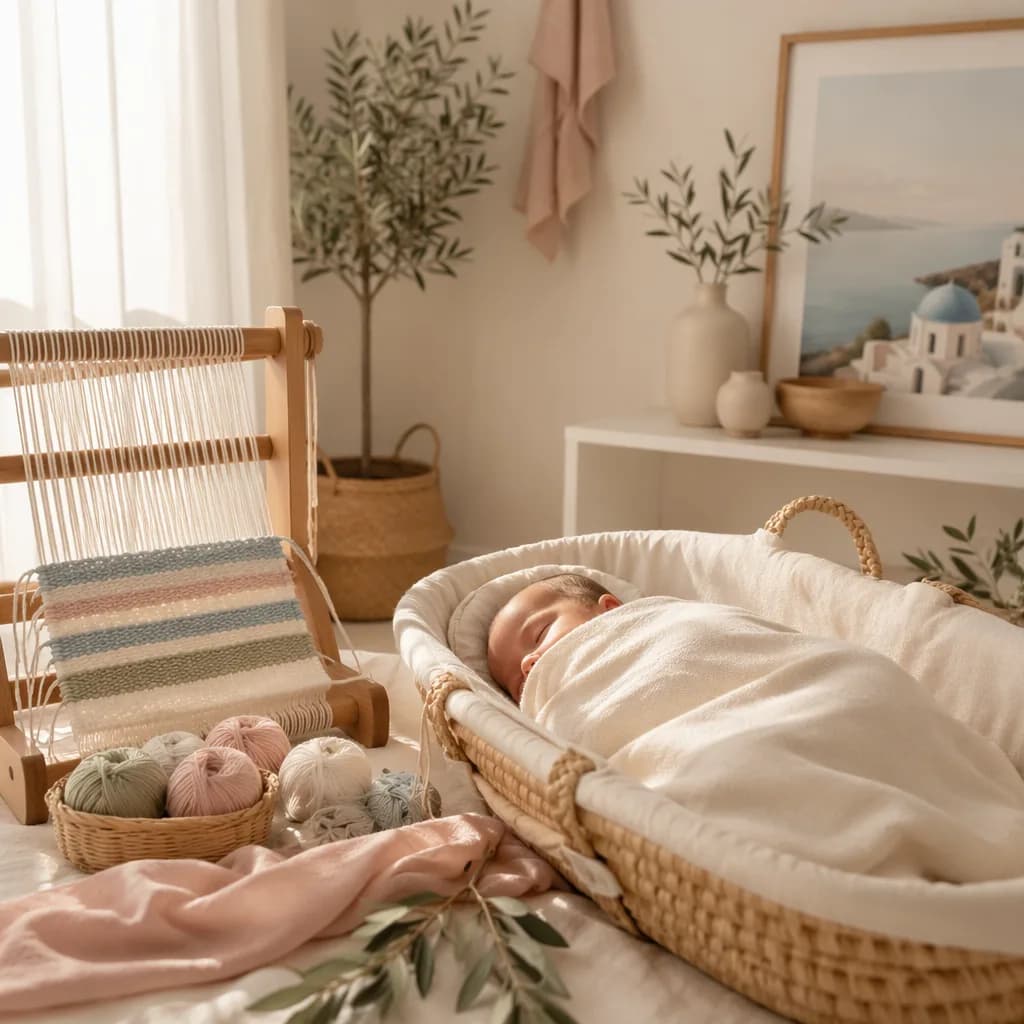
Pinelopi’s cultural weight comes from Penelope of Greek mythology, one of the central figures connected with Homer’s Odyssey. She is remembered as the faithful wife of Odysseus, but that shorthand can undersell her. In the story, Penelope is clever, strategic, and emotionally strong. While suitors pressure her to remarry, she delays them through her weaving, saying she must finish her work first, then undoing parts of it to buy more time. That image gives the name its long association with patience and skill. For Greek families, Pinelopi can feel both traditional and warm. It belongs to the same family as Penelope, but the spelling Pinelopi signals a Greek identity more clearly than the English form. It’s the kind of name that may feel familiar at home and distinctive abroad, especially in classrooms where Penelope is known but Pinelopi is rare. There is no major taboo attached to the name in the provided sources, and it is used as a feminine given name. Its mythological background is cultural rather than specifically religious. Parents who prefer saint names or strictly biblical names may see it as literary and classical instead. For families drawn to Greek heritage, storytelling, or names with a patient, thoughtful feel, Pinelopi has a lovely rootedness without sounding heavy.
Not enough popularity data to chart yet.
The name’s link to Penelope’s long, careful waiting gives it a calm and steady feeling.
Because Pinelopi is tied to weaving, it naturally suggests hands-on imagination and thoughtful craft.
The mythological Penelope is remembered for devotion, which gives the name a faithful, grounded tone.
Penelope’s weaving plan in the Odyssey shows quiet strategy rather than loud force.
Pinelopi carries the feeling of someone who can wait, adjust, and keep going under pressure.
Original
Πηνελόπη
Transliterations
Grace softens the length of Pinelopi and gives the full name an easy English flow.
Sophia shares Greek roots and adds a familiar, elegant balance.
Claire is crisp and simple beside the four-syllable rhythm of Pinelopi.
Iris keeps the pairing bright, Greek-leaning, and easy to say.
Mae gives the name a short, sweet finish that feels warm and wearable.
Pair two names and see how they sound, flow, and feel together.
Generate a soothing personalised bedtime story starring your child.
Reveal the life-path and destiny numbers hidden in a baby name.
Playful, name-based personality sketch to share with friends.
No stories for Pinelopi yet. Be the first!