Quick facts
Last updated July 2026
What it means
“Ruslan is a masculine name of Turkic origin meaning "lion." In Russian use, it carries a literary, heroic feeling thanks to the classic poem Ruslan and Ludmila.”
Ruslan is one of those names that feels strong without sounding harsh. Its usual meaning is "lion," traced to the Turkic word arslan, also seen as aslan, meaning lion. That gives the name a clear image right away: courage, steadiness, dignity, and a little golden warmth. For a parent who likes names with backbone, Ruslan has a lot to offer. The name has deep roots in the meeting place between Turkic and Slavic cultures. One important older form is connected with Tatar names such as Uruslan or Yeruslan, which appear in medieval Russian folktales about the legendary hero Yeruslan Lazarevich. Those stories helped carry the name into the Slavic world, where it later became much more widely recognized. In Russian culture, Ruslan is especially tied to Alexander Pushkin's 1820 narrative poem Ruslan and Ludmila. Pushkin's work gave the name a romantic, adventurous literary glow. Instead of feeling like only an ancient hero's name, Ruslan became a name that could sit comfortably in Russian naming tradition. For an English-speaking family, Ruslan is distinctive but not difficult. It has two syllables, a clean ending, and a pronunciation that people can learn quickly: roos-LAN. It also travels fairly well because it doesn't rely on sounds that are rare in English. The spelling looks complete and balanced, with the soft beginning of "Rus" and the firm landing of "lan." The name's meaning makes it easy to love, but its cultural story gives it extra depth. Ruslan isn't just "lion" in a decorative sense. It has folk-tale roots, literary presence, and a long association with brave central characters. That's a lot of history in six letters.
Why parents love it
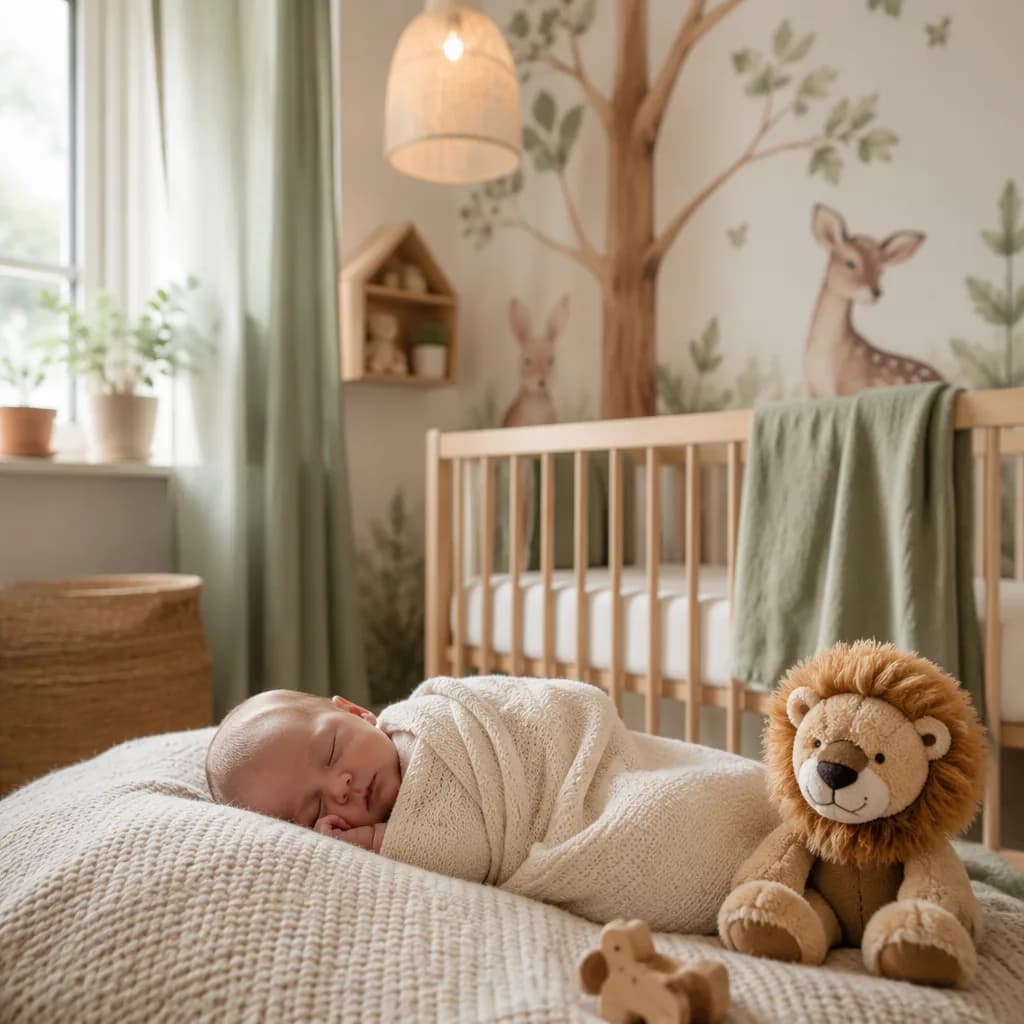
Parents often come to Ruslan because it has real presence. It sounds strong from the first syllable, but it isn't blunt or bulky. The meaning, "lion," is easy to explain to a child someday, maybe while reading a bedtime story about brave animals or talking about courage before the first day of school. Ruslan also has a lovely cultural layer. It belongs to Russian naming tradition, but its roots reach into Turkic language and folktale material. Then Pushkin's Ruslan and Ludmila gives it a literary shine. That combination makes the name feel old and alive at the same time. If you live in an English-speaking place, Ruslan can be a sweet spot name. It isn't common, so your son probably won't share it with three kids in his class. Still, it's only six letters, easy to spell once seen, and clear to pronounce after one correction: roos-LAN. Nicknames like Rus, Rusik, and Lan give you options at home. Ruslan suits parents who want something meaningful, masculine, and a little unexpected. It has roots. It has story. It has a warm, brave sound.
Heritage
Ruslan has a special place in Russian naming because it sits at the crossroads of Turkic origin and Slavic literary tradition. The name's roots point back to arslan, the Turkic word for "lion," and to older Tatar-linked forms such as Uruslan or Yeruslan. Those forms appear in medieval Russian folktale material around the hero Yeruslan Lazarevich, which helped the name move into the Slavic imagination before it became a familiar given name. For many Russian speakers, the strongest cultural association is Alexander Pushkin's Ruslan and Ludmila, published in 1820. Pushkin's poem is a major literary reference, and its title character gives the name a brave, romantic, storybook quality. Parents who choose Ruslan may like that it feels masculine and grounded, but also cultured and poetic. Ruslan is not a religious name in the narrow sense. It is not primarily tied to a saint, scripture, or a specific religious ceremony in the way some traditional Christian, Muslim, or Jewish names are. Because its background is linguistic, folkloric, and literary, it can feel usable across families with different beliefs, especially in Russian-speaking, Turkic, Central Asian, and diaspora settings. There are no broad taboos attached to the name in the sources provided. The main thing to know is pronunciation. In English, people may guess RUSS-lan at first, while the more name-specific pronunciation is roos-LAN. A quick correction usually handles it.
Not enough popularity data to chart yet.
The lion meaning gives Ruslan a naturally courageous, steady-hearted feeling.
Its link to Pushkin's Ruslan and Ludmila adds a literary softness to an otherwise strong name.
The firm two-syllable rhythm makes Ruslan feel practical, clear, and dependable.
Because the name is uncommon in the United States, it has a confident, self-possessed sound.
Original
Руслан
Transliterations
James gives the bold Russian first name a familiar, steady English-language anchor.
Mikhail keeps the pairing strongly Slavic and gives it a warm, traditional sound.
Leo quietly echoes Ruslan's lion meaning without making the full name feel too heavy.
Alexander adds a classic feel and gently nods to Alexander Pushkin's literary connection.
David is simple, familiar, and balanced beside Ruslan's more distinctive style.
Pair two names and see how they sound, flow, and feel together.
Generate a soothing personalised bedtime story starring your child.
Reveal the life-path and destiny numbers hidden in a baby name.
Playful, name-based personality sketch to share with friends.
No stories for Ruslan yet. Be the first!