Quick facts
Last updated August 2026
What it means
“Sampaguita means “the Philippine national flower.” It refers to Jasminum sambac, the small white jasmine blossom beloved in Filipino culture.”
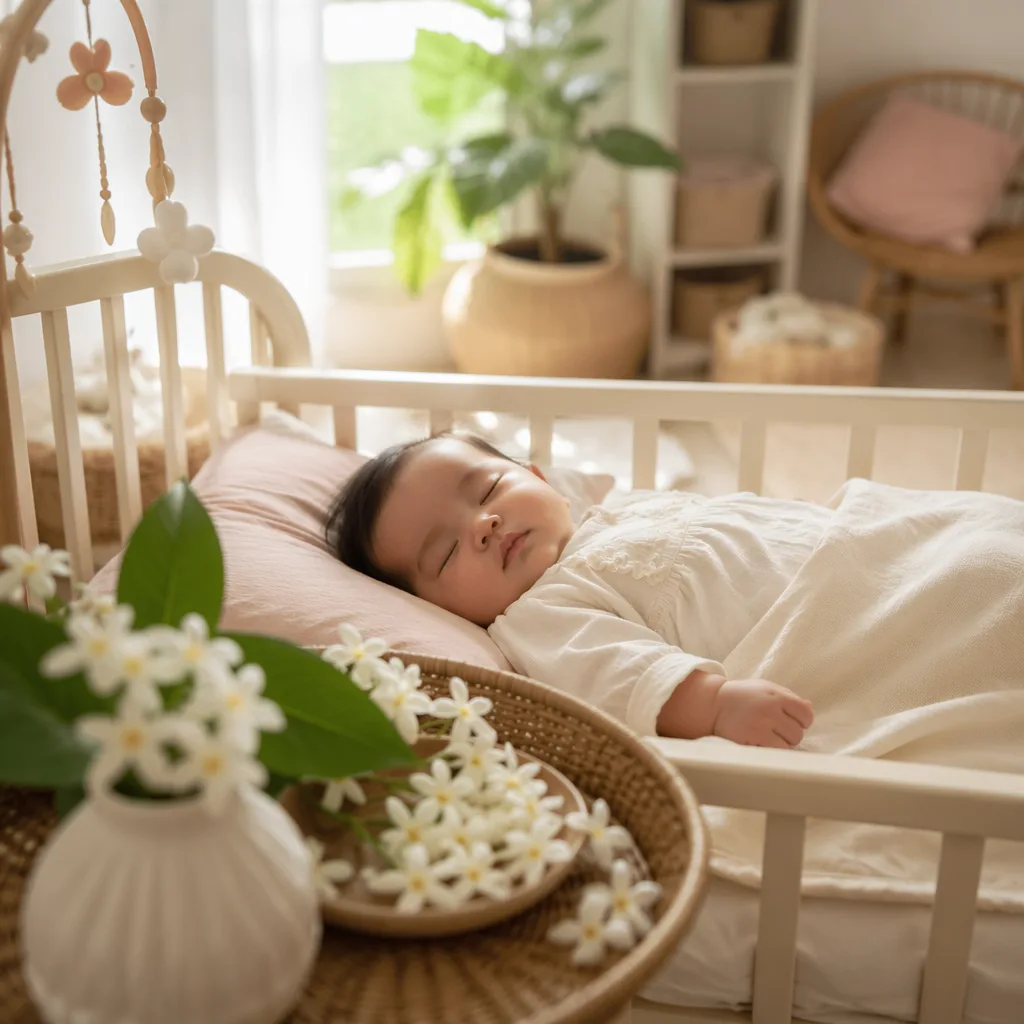
Sampaguita is a name with a very clear Filipino heart. It comes from the local name for Jasminum sambac, a fragrant white jasmine also widely known as Arabian jasmine. In the Philippines, sampaguita is more than a pretty flower. It is officially recognized as the national flower, and that gives the name a feeling of home, memory, and quiet pride. The meaning most often given for Sampaguita as a baby name is “the Philippine national flower.” That sounds simple at first, but it carries a lot. The flower itself is small, white, and star-shaped, with a scent that can fill a room or drift through a street market from a string of garlands. Because of that, the name has a lovely contrast: gentle in appearance, unmistakable in presence. A popular explanation connects sampaguita with the phrase “sumpa kita,” meaning “I promise you.” This is usually shared as part of a romantic legend rather than a strict linguistic certainty, so it’s best treated as cultural storytelling. Still, it gives the name an emotional layer many families find beautiful: devotion, loyalty, and a promise kept. For a Filipino girl, Sampaguita can feel deeply rooted without sounding common. It has the rhythm of a flower name, like Magnolia or Camellia, but it’s far more specific to Filipino identity. It may be a bold choice for everyday use because it is long and distinctive, yet its built-in nicknames make it friendly: Sam, Sampa, Pagi, Guita, or Gigi could all work at home. The name also has a soft strength. The flower is often associated with purity, simplicity, devotion, and resilience in Filipino cultural writing. If you want a name that feels fragrant, national, and full of feeling, Sampaguita is hard to forget.
Why parents love it
Parents love Sampaguita because it doesn’t feel borrowed or vague. It points straight to the Philippines, to a real flower, and to a shared cultural image many families can picture instantly: small white blossoms, a sweet scent, a garland offered with care. That’s a lot for one name to hold. It’s also a brave name in the best way. Sampaguita is longer than many modern baby names, so it has presence. You won’t hear it on every playground. Still, it isn’t cold or difficult once people learn the rhythm: sahm-pah-GEE-tah. It sings. For Filipino parents, or families wanting to honor Filipino heritage, the name can feel especially personal. It says, “This is where we come from,” without needing explanation every single time. For mixed-culture families, it can be a beautiful bridge name, especially with a short middle name like Mae, Luz, or Grace. And the nicknames help. A baby can be Sampaguita on her birth certificate, Sam at soccer practice, Gigi with cousins, and Sampa at home. That flexibility matters. The full name stays meaningful, while everyday life stays easy.
Heritage
Sampaguita has special meaning in the Philippines because it is the country’s national flower. The bloom itself, Jasminum sambac, is a jasmine species known for its small white flowers and strong sweet scent. In Filipino life, sampaguita is often connected with garlands, welcomes, prayer, remembrance, and celebration. A child with this name carries a word many Filipino families already know by smell before they ever think of it as a baby name. The flower’s symbolism is gentle but not weak. Cultural writing about sampaguita commonly links it with purity and simplicity, partly because of its white petals and modest size. It is also tied to devotion and fidelity, especially through the well-known “sumpa kita” story, which is usually presented as a legend about a promise. Parents who love names with meaning may find that part especially moving, as long as it’s understood as folklore rather than proven etymology. There is also a devotional feeling around the flower. Sampaguita garlands are associated in the Philippines with prayerful spaces and meaningful occasions, so the name can sound reverent without being tied to one single religious rule. There are no widely cited naming taboos around Sampaguita in the provided sources. The main consideration is practical: it is a long, culturally specific name, so families outside Filipino communities may need to teach pronunciation kindly and often.
Not enough popularity data to chart yet.
The name’s connection to the sampaguita flower and the “sumpa kita” promise legend gives it a loyal, steadfast feeling.
Sampaguita is tied to a small white jasmine blossom, so the name naturally suggests softness and grace.
Its long rhythm and strong Filipino identity make Sampaguita stand out in a classroom or on a family tree.
Cultural descriptions often connect the flower with quiet strength, which gives the name a sturdy emotional center.
Because sampaguita is associated with welcome, garlands, and the scent of home, the name feels affectionate and open.
Original
Sampaguita
Mae keeps the full name sweet and easy to say, especially with a long first name.
Rose creates a gentle floral pairing while staying familiar and simple.
Luz means light in Spanish, a lovely match for a bright white flower name used in Filipino culture.
Elise adds a soft, polished sound after the four-syllable first name.
Isabel has a classic warmth that pairs well with the name’s national and floral roots.
Grace highlights the name’s sense of purity, simplicity, and quiet beauty.
Pair two names and see how they sound, flow, and feel together.
Generate a soothing personalised bedtime story starring your child.
Reveal the life-path and destiny numbers hidden in a baby name.
Playful, name-based personality sketch to share with friends.
No stories for Sampaguita yet. Be the first!