Quick facts
Last updated July 2026
What it means
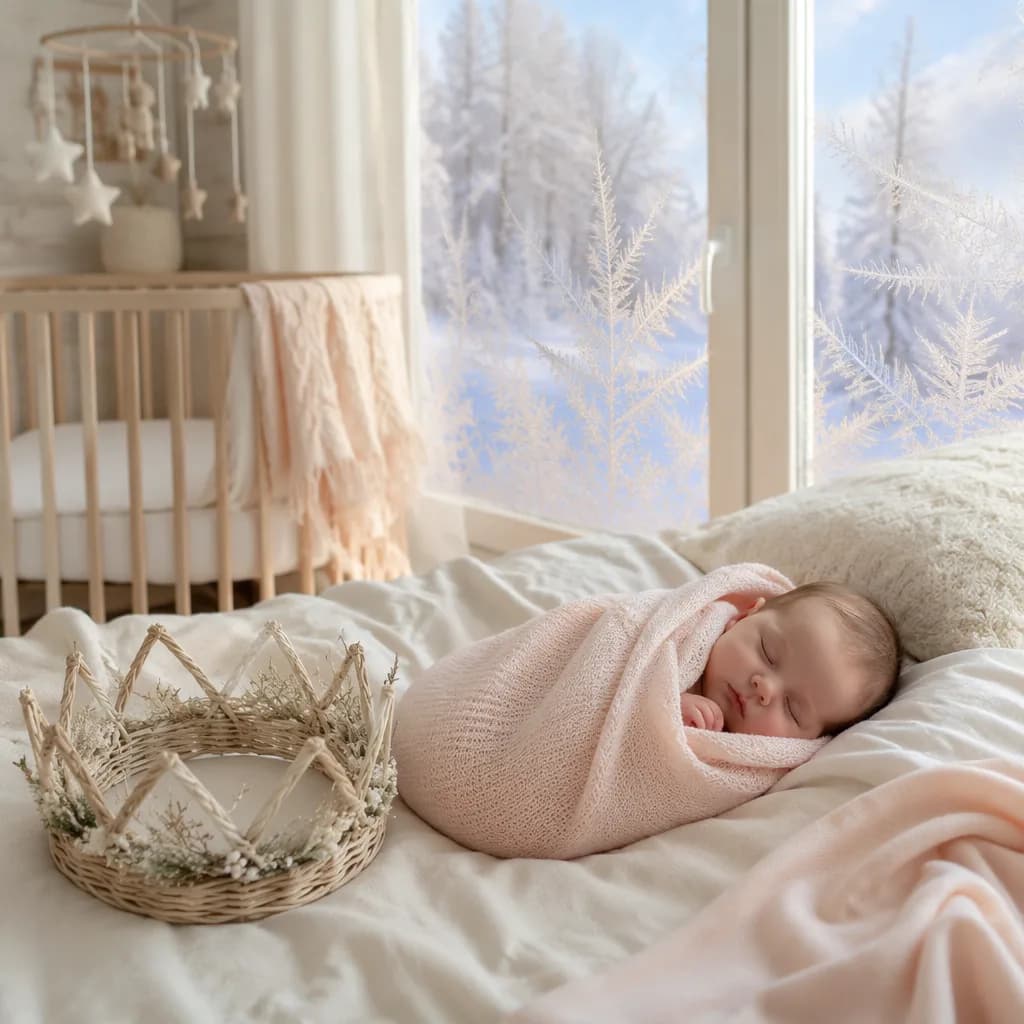
“Stefaniya is the Russian form of Stephanie, traditionally connected with the Greek idea of a crown or wreath. Andreevna means “daughter of Andrey,” and Morozova is a feminine Russian surname linked with Moroz, meaning “frost” or “cold.””
Stefaniya Andreevna Morozova has the full, graceful shape of an East Slavic name: given name, patronymic, and family name. Stefaniya is the Russian spelling and sound pattern often used for Stephanie. In traditional name use, Stephanie is associated with the Greek word for a crown or wreath, the kind given as an honor. For parents, that gives Stefaniya a feeling of dignity without making it feel stiff. It sounds formal on a birth certificate, but it also has soft, everyday nickname options. Andreevna is a patronymic, a very familiar part of Russian naming customs. It tells you that the child’s father is named Andrey. So Stefaniya Andreevna means Stefaniya, daughter of Andrey. In Russian culture, this middle element is more than decoration. It is used in polite address, school settings, workplaces, official documents, and moments when respect matters. A teacher might say “Stefaniya Andreevna” to sound courteous and adult, while family might use a shorter nickname at home. Morozova gives the name its wintry finish. The source material traces Morozova to the Slavic male name Moroz, translated as “Frost,” from an Old Russian word meaning “cold.” The ending -ova marks the feminine family-name form in Russian. So the full name gently balances honor and season: Stefaniya brings the image of a crown, Andreevna ties her to family, and Morozova adds the crisp strength of frost. There is a lovely rhythm here too: Ste-fa-NI-ya An-DRE-ev-na Mo-RO-zo-va. It is long, yes, but Russian full names often are. The length gives it presence. For daily life, a child could be Stefaniya at school, Stefa with cousins, or Fanya with grandparents. That flexibility is one reason names like this can feel both traditional and very livable.
Why parents love it
Parents often love Stefaniya because it gives a daughter room to grow. It is sweet enough for a little girl called Stefa in the kitchen, serious enough for an adult called Stefaniya Andreevna at work, and distinctive enough that it won’t blur into every other name on the class list. The full Russian form has real structure. Stefaniya carries the graceful crown association. Andreevna ties her to her father, Andrey, in the familiar East Slavic way. Morozova brings that wintry surname image from Moroz, meaning frost or cold. Together, the name feels like a family story, not just a pretty sound. It also travels better than you might expect. English speakers may need one gentle correction at first, but the sounds are learnable: stye-FAH-nee-yah. If your family has Russian heritage, the name can honor that clearly. If you are raising a child between cultures, Stefaniya offers both formality and softness, with nicknames ready for everyday life.
Heritage
Stefaniya Andreevna Morozova follows East Slavic naming customs, where a person commonly has a given name, a patronymic, and a surname. For a Russian girl, Andreevna identifies her as the daughter of a father named Andrey. This is not usually treated like a Western middle name that parents freely choose for sound. It has a family function, and it can carry a strong sense of connection across generations. In everyday Russian life, the full given name plus patronymic is often used as a respectful form of address. A child may hear only Stefaniya at home, but as an adult she might be called Stefaniya Andreevna by colleagues, students, neighbors, or officials. That pattern can feel formal to English-speaking ears, but in Russian it is ordinary and polite. The surname Morozova also sits comfortably inside Russian naming tradition. The source excerpt connects Morozova with Moroz, meaning “Frost,” and notes its presence in Russia, Ukraine, Belarus, and other parts of the former Soviet Union. The feminine -ova ending is typical for many Russian surnames carried by women. A male relative would commonly use Morozov. There are no major taboos around the name in the provided source material. The main thing for parents outside Russian-speaking communities is pronunciation. If you love the name, it helps to decide early how you want people to say it in English, then write it clearly on school forms and birthday invitations.
Not enough popularity data to chart yet.
Stefaniya’s traditional crown meaning gives the name a composed, grown-up feeling.
Andreevna places family connection right in the middle of the name, which gives it warmth and history.
Morozova’s frost connection adds a crisp, steady image that suits a child with quiet strength.
The full name has music in it, with soft vowels and clear stress points that make it memorable when spoken aloud.
Original
Стефания Андреевна Морозова
Transliterations
Elena keeps the Russian-friendly sound while making the full name a little lighter.
Vera is short, clear, and calm beside the longer Stefaniya.
Marina shares the soft vowel rhythm and feels natural in Slavic and international settings.
Rose gives English-speaking families a simple floral pairing without competing with the Russian full name.
Claire adds a crisp, bright sound that balances the length of Stefaniya.
Pair two names and see how they sound, flow, and feel together.
Generate a soothing personalised bedtime story starring your child.
Reveal the life-path and destiny numbers hidden in a baby name.
Playful, name-based personality sketch to share with friends.
No stories for Stefaniya Andreevna Morozova yet. Be the first!