Quick facts
Last updated August 2026
What it means
“Teresa Camila Barros is a graceful Portuguese girl name built from Teresa, a form of Theresa, and Camila. Teresa brings a saintly, literary feel, while Camila adds a soft, melodic middle note.”
Teresa Camila Barros has the calm, old soul sound many Portuguese families love: clear vowels, gentle rhythm, and a name that feels familiar without feeling plain. Teresa is the most historically grounded part of the name. It is a form of Theresa used in Portuguese, Spanish, Italian, Catalan, Polish, Lithuanian, Finnish, German, Swedish, Norwegian, Danish, and English. Because the deeper ancient origin of Theresa is debated in many name references, the safest meaning here is simply this: Teresa is the Portuguese form of Theresa, carrying the long cultural memory of that name rather than one certain literal definition. That uncertainty can actually make Teresa feel more spacious. Parents aren’t boxed into one tiny meaning. Instead, the name has gathered meaning through use: devotion, strength, learning, service, and steadiness. Saint Teresa of Ávila, the 16th-century Spanish nun, gives the name a thoughtful and reforming spirit. Saint Teresa of Calcutta, better known as Mother Teresa, gives it an association with care for the poor in India and public compassion. Those are big associations, but the name itself still feels wearable on a child. It can be serious in a chapel, friendly in a classroom, and elegant on a graduation program. Camila softens Teresa beautifully. The repeating a endings in Teresa Camila make the full name sing, especially in Portuguese pronunciation. It has that open, sunlit sound: Te-re-sa Ca-mi-la. Camila is also widely recognizable across Portuguese and Spanish speaking communities, which helps the full name travel well. Barros gives the complete name a firmly Portuguese family-name shape. Together, Teresa Camila Barros feels polished, warm, and cross-generational. It sounds like a name for a girl who could be tender at home, capable at school, and quietly impressive as an adult.
Why parents love it
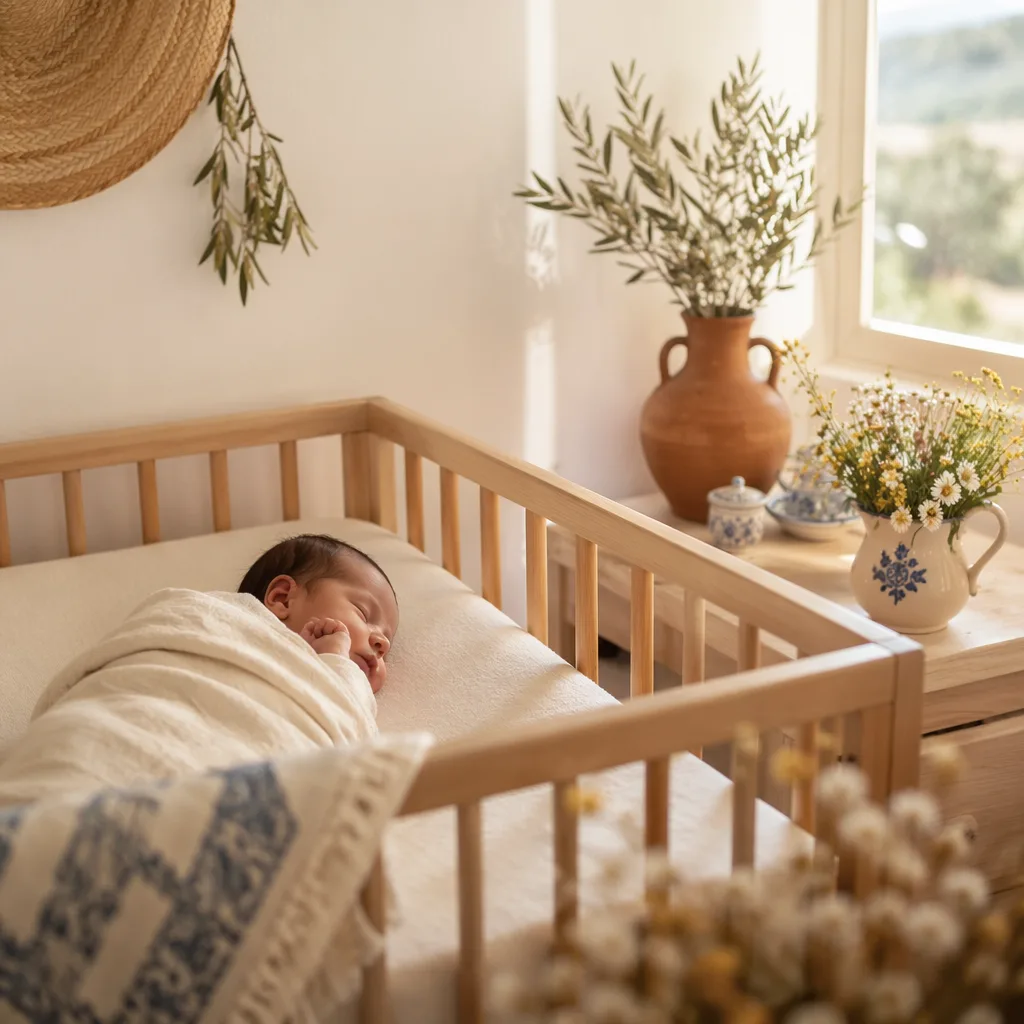
Parents often love Teresa Camila Barros because it has two gifts at once: tenderness and substance. Teresa is familiar in Portuguese, but it doesn’t feel overused or flashy. It has a grown-up dignity that can carry a child through every age. You can picture baby Teresa curled up in a blanket, teenage Teresa signing a school project, and adult Teresa walking into a room with quiet confidence. Camila gives the name lift. It adds melody, warmth, and a more modern sound, so the full name doesn’t feel too formal. Say it out loud: Teresa Camila Barros. The rhythm is balanced, with soft vowels in the front and a strong Portuguese ending in Barros. There’s also comfort in a name with good history. Teresa is connected with women remembered for faith, writing, reform, and service. You don’t have to choose the name for religious reasons, but if those associations matter to your family, they’re there. And if you simply want a name that sounds kind, intelligent, and beautifully Portuguese, Teresa Camila Barros does that naturally.
Heritage
Teresa has especially strong Christian and Catholic resonance because of two widely known saints. Saint Teresa of Ávila was a 16th-century Spanish nun who reformed Carmelite monasteries and wrote spiritual books, so the name can suggest discipline, intelligence, and deep faith. Saint Teresa of Calcutta, better known as Mother Teresa, was an Albanian missionary who worked with the poor in India. She took her religious name in honor of the French saint Thérèse of Lisieux, the patron of missionaries. For families with Catholic roots, Teresa can feel like a name with a prayer tucked inside it. In Portuguese use, Teresa also feels traditional rather than trendy. It belongs comfortably beside names like Maria, Isabel, Clara, and Helena. It has the kind of dignity that works on a baby, a teenager, and a grandmother. The diminutive Teresinha is especially sweet in Portuguese, the sort of name a family might use at home when a child is small or when an auntie is being affectionate. There isn’t a known taboo around using Teresa in Portuguese naming culture, but some parents may feel the saintly associations are strong. That can be a blessing if you want a name with moral weight. If you prefer something lighter, pairing it with Camila helps. Camila brings softness and contemporary familiarity, while Teresa keeps the name rooted.
Not enough popularity data to chart yet.
Teresa’s saintly associations give the name a caring, service-minded feeling.
The link to Saint Teresa of Ávila, a spiritual writer and reformer, gives the name a reflective tone.
Teresa has been used across many languages, which makes it feel grounded and dependable.
Camila adds a flowing, musical quality that softens the full name.
Teresa Camila Barros has a gentle sound, but its history gives it backbone.
Original
Teresa Camila Barros
Maria adds a classic Portuguese and Catholic touch while keeping the full name gentle.
Sofia brings a polished, familiar sound that pairs smoothly with the open vowels in Teresa and Camila.
Inês gives the name a crisp Portuguese finish after the softer flow of Teresa Camila.
Helena has the same graceful, traditional mood and makes the name feel especially elegant.
Luz is short and bright, a lovely balance for a longer full name.
Pair two names and see how they sound, flow, and feel together.
Generate a soothing personalised bedtime story starring your child.
Reveal the life-path and destiny numbers hidden in a baby name.
Playful, name-based personality sketch to share with friends.
No stories for Teresa Camila Barros yet. Be the first!