Quick facts
Last updated August 2026
What it means
“Urszula is the Polish form of Ursula, from Latin ursa, meaning "bear," often understood as "little bear." It has a warm, old-world sound with a strong, protective feeling.”
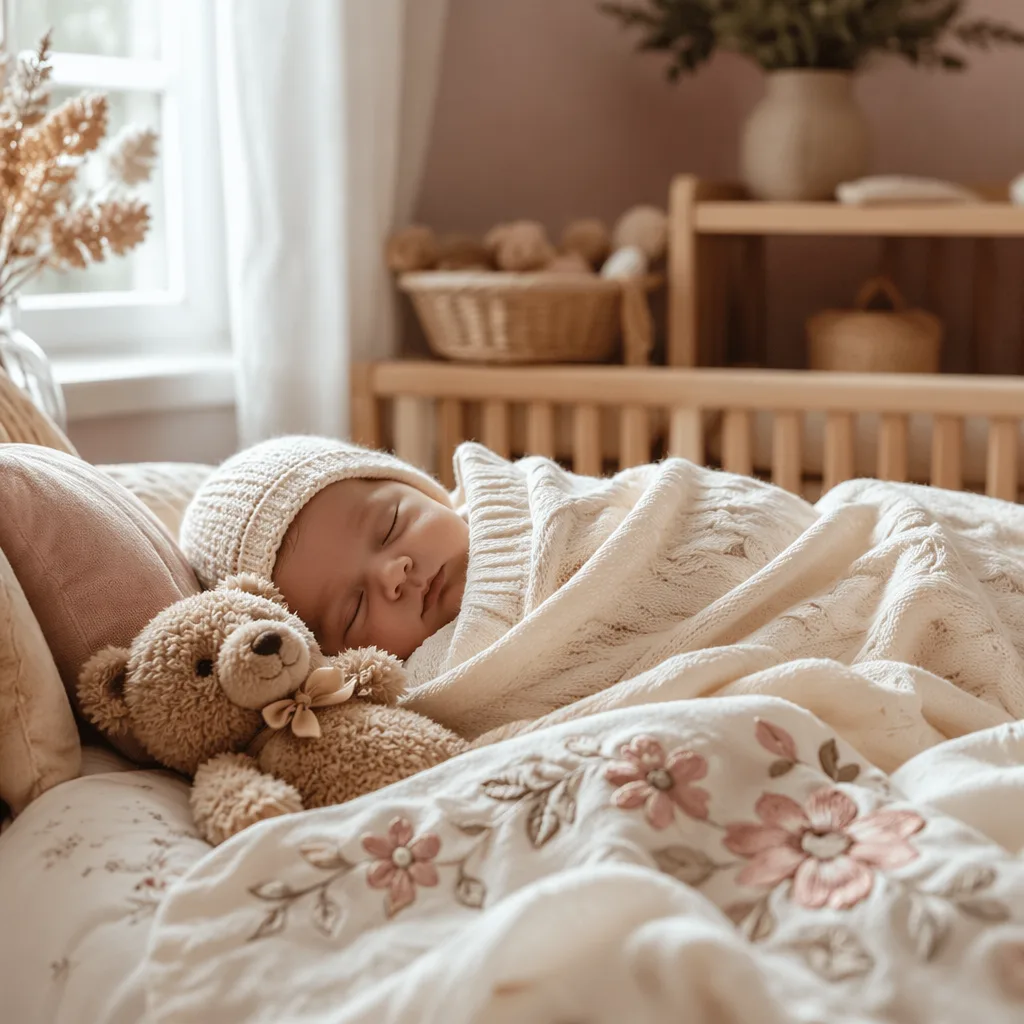
Urszula has a soft start, a clear middle, and that lovely Polish sz sound that gives it character right away. It feels graceful, but not fragile. The meaning helps explain why: Urszula comes through the Latin name Ursula, which is derived from ursa, the Latin word for "bear." Because Ursula is a diminutive form, the name is usually interpreted as "little bear" or "little she-bear." For a parent, that meaning can feel especially sweet. A bear is strong, watchful, and protective, but the "little" part keeps the name tender. It’s the kind of name that can suit a tiny newborn in a knitted hat and still feel grown-up on a woman signing her name to a book, a painting, or a serious email. Urszula is specifically associated with Polish usage and with Slavic-speaking settings where Ursula was adapted to fit local sounds and spelling. The sz in Polish is pronounced like English sh, so the name sounds much smoother than it may look to English speakers at first: oor-SHOO-lah. Once you hear it, it’s memorable and very pretty. The wider Ursula family appears in several European languages, with forms and short forms such as Ursula, Ursule, Ulla, Ursel, Uschi, and Urs. Urszula keeps the same Latin root but wears it in a distinctly Polish way. That makes it a good choice for families honoring Polish heritage, Catholic tradition, or simply a love of names with history and bite. The name also carries a religious association through Saint Ursula, a legendary early Christian figure said in tradition to have been a princess martyred by the Huns. Because that story is legendary rather than straightforwardly historical, it’s best treated as part of Christian name-lore. Still, it has helped keep the Ursula name family alive for centuries.
Why parents love it
Parents often love Urszula because it does two things at once. It sounds gentle, with that flowing oor-SHOO-lah rhythm, and it carries a strong meaning: "little bear." That’s a lovely image for a daughter. Small, beloved, and brave. It’s also a name with real roots. Urszula isn’t a modern mashup or a spelling made to be different. It’s the Polish form of Ursula, connected to Latin ursa, meaning "bear," and shaped by Polish sound and spelling. If you have Polish family ties, the name can honor that heritage clearly. If you don’t, it still offers history, warmth, and a sound that feels uncommon in English without being impossible to say. The nickname Ula is another reason to consider it. Ula is short, sweet, and easy for a toddler, while Urszula gives her a fuller formal name for later. Picture "Ula, time for breakfast" at home and "Urszula" on a graduation program. Both work. This name is best for parents who like names with substance. It’s rare in the United States, culturally specific, and quietly powerful. It won’t blend into a preschool list, but it won’t feel flimsy either.
Heritage
In Polish, Urszula feels traditional, feminine, and serious in the nicest way. It has a settled, grown-up quality, but the sound is still warm. The name belongs to the larger Ursula family, which has roots in Latin and has been used across several European languages. In Poland, the spelling Urszula reflects Polish phonetics, especially the sz sound, which English speakers can think of as sh. The name also has a Christian layer because of Saint Ursula. According to Christian tradition, Saint Ursula was a princess associated with martyrdom by the Huns, often placed in the 4th century in name references. The story is legendary, so parents who choose Urszula don’t need to treat every detail as historical fact. What matters culturally is that the name has long been tied to courage, faith, and endurance in Christian memory. There are no common taboos attached to Urszula in the source material. The main practical issue is pronunciation outside Polish-speaking circles. In an English-speaking classroom, a teacher may pause at the sz. A simple correction, "It’s oor-SHOO-lah," usually fixes it quickly. For many families, that moment is worth it because the name carries heritage so clearly. It’s recognizable to people who know Polish names, rare in the United States, and rich without feeling fussy.
Not enough popularity data to chart yet.
The "little bear" meaning gives Urszula a naturally watchful, caring feel.
Its link with bear symbolism and the Saint Ursula tradition suggests quiet strength under pressure.
The Polish spelling and sz sound make the name stand out without sounding invented.
Urszula balances strength with tenderness, which gives it a gentle family-name feeling.
Its long European history gives the name a steady, classic quality.
Original
Urszula
Maria has a familiar Polish and Christian feel that sits naturally beside Urszula.
Zofia adds a bright, classic sound and keeps the whole name strongly Polish.
Anna is simple and timeless, giving the longer first name a clean landing.
Helena brings elegance and balances Urszula’s sturdy, protective meaning.
Celina adds a lilting, graceful rhythm after the stronger opening name.
Pair two names and see how they sound, flow, and feel together.
Generate a soothing personalised bedtime story starring your child.
Reveal the life-path and destiny numbers hidden in a baby name.
Playful, name-based personality sketch to share with friends.
No stories for Urszula yet. Be the first!