Quick facts
Last updated June 2026
What it means
“Varvara is the Russian form of Barbara, traditionally meaning "foreign woman" or "stranger." Timofeyevna means "daughter of Timofey," and Golubeva comes from golub, the Russian word for "dove" or "pigeon."”
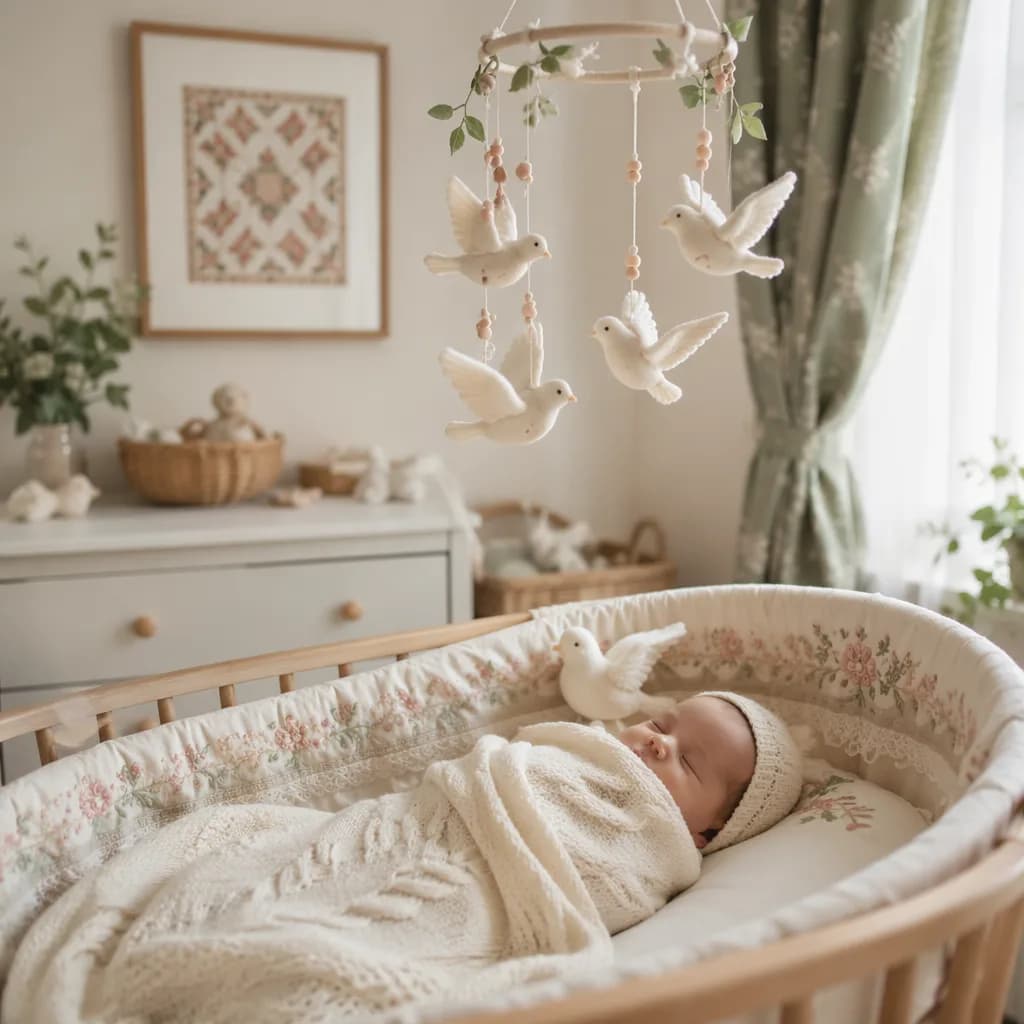
Varvara Timofeyevna Golubeva is a deeply Russian name with layers of family, faith, and old Slavic sound. The given name Varvara comes through Greek and Latin from Barbara, a name built from the Greek word barbaros, originally meaning someone who spoke a foreign language. In plain parent language, its old meaning is usually given as "foreign woman" or "stranger." That may sound a little stark at first, but names soften as people carry them. In Christian tradition, Varvara is tied to Saint Barbara, a courageous early martyr honored in Eastern Orthodox and Catholic communities. Because of that, the name has often felt less like "outsider" and more like a name of courage, conviction, and quiet strength. In Russian, Varvara has a warm, traditional feel. It belongs with names like Yevdokiya, Agrafena, and Pelageya in that it carries an old-world rhythm, but it has stayed easier for modern families to use because of its bright nicknames: Varya, Varenka, Varushka, and Varvara itself. A little girl called Varya at home can still grow into the full dignity of Varvara on documents, diplomas, and professional introductions. Timofeyevna is a patronymic, not a middle name in the Western sense. It means "daughter of Timofey." Timofey is the Russian form of Timothy, from Greek roots usually understood as "honoring God" or "honored by God." So the full middle element gently places the child within her family line. Golubeva is a Russian surname formed from golub, meaning "dove" or "pigeon." Doves are widely associated with gentleness, peace, and homecoming, though the surname itself may have begun as a nickname or family identifier rather than a symbolic choice. Together, Varvara Timofeyevna Golubeva sounds formal, graceful, and unmistakably Russian: brave in its first name, familial in its patronymic, and soft-winged in its surname.
Why parents love it
Parents often love Varvara because it gives a child room to grow. It’s not a tiny, cutesy name that might feel too small later, but it also isn’t cold. At home, Varya feels simple and affectionate. On a birth certificate, Varvara Timofeyevna Golubeva feels graceful, serious, and connected to family. There’s a lovely contrast in this name. Varvara has strength from its ancient roots and its association with Saint Barbara. Timofeyevna quietly honors the father or family line through the Russian patronymic tradition. Golubeva, with its link to golub, "dove," adds a softer image at the end. Strong, familial, gentle. That’s a beautiful mix. For Russian families, the name can feel familiar without being plain. For families outside Russia, it has a distinctive sound and a real history behind it. You won’t have to explain that it was made up, because it wasn’t. You may need to help people with the pronunciation once or twice, but the payoff is a name that feels memorable and sincere. Varvara is a wonderful choice if you want something traditional, feminine, brave, and rich with everyday nickname possibilities.
Heritage
In Russian naming tradition, Varvara Timofeyevna Golubeva follows the full three-part pattern: given name, patronymic, and family name. This matters culturally. A child may be Varya at the kitchen table, Varvara among teachers, and Varvara Timofeyevna in formal adult settings. The patronymic signals respect and family connection, especially in school, work, medical offices, and official conversation. It is not usually chosen for style the way a Western middle name might be. It is formed from the father’s given name, though families outside Russia sometimes adapt the custom in personal ways. Varvara also has strong Orthodox Christian associations through Saint Barbara, known in Russian as Svyataya Varvara. She is remembered as a martyr, and her feast day is observed in some Orthodox calendars in December. Families with religious roots may see the name as protective, brave, and spiritually serious. Even for nonreligious families, the saintly association gives Varvara a sense of history rather than trendiness. There are a few practical cultural notes. In English-speaking settings, Varvara may be mistaken for Barbara, or people may soften the first syllable too much. Russians usually stress the second syllable: var-VAH-ra. The nickname Varya is very natural in Russian, but it may need a quick pronunciation clue for English speakers. The full name is formal and quite long, yet that is normal in Russian contexts. It carries dignity, not fussiness.
Not enough popularity data to chart yet.
Varvara has a grounded, traditional sound that suggests a child who can grow into herself at her own pace.
The name’s link with Saint Barbara gives it a long association with courage and conviction.
The formal rhythm of Varvara Timofeyevna feels reflective and composed, the kind of name that invites care.
Nicknames like Varya and Varenka bring softness and affection to a name with a strong historical frame.
In English-speaking countries, Varvara stands apart without feeling invented or flimsy.
Original
Варвара Тимофеевна Голубева
Transliterations
Sergeyevna has a smooth, classic Russian cadence and pairs naturally with the strong stress of Varvara.
Andreyevna feels traditional and graceful, with a gentle flow after the crisp opening of Varvara.
Mikhailovna gives the full name a dignified, old-Russian sound many families find warm and substantial.
Alekseyevna adds softness and length, which suits parents who like formal names with affectionate nicknames.
Timofeyevna means daughter of Timofey and adds a meaningful family link with a gentle religious root.
Pair two names and see how they sound, flow, and feel together.
Generate a soothing personalised bedtime story starring your child.
Reveal the life-path and destiny numbers hidden in a baby name.
Playful, name-based personality sketch to share with friends.
No stories for Varvara Timofeyevna Golubeva yet. Be the first!