Quick facts
Last updated July 2026
What it means
“Zainab is an Arabic girl name often understood as “beauty of the father” and also associated with a fragrant flowering plant, sometimes linked with jasmine. It has a graceful, strong sound and deep roots in Muslim naming tradition.”
Zainab is one of those names that feels gentle at first, then stronger the longer you sit with it. It has a clear two-syllable sound, ZAY-nab or ZY-nab in many English-speaking settings, and it ends with that crisp final “b,” which gives it a grounded finish. For a Nigerian girl, especially in a Muslim family or a family with Arabic naming influences, Zainab can feel familiar, dignified, and full of history without sounding overly formal. The name is usually described as Arabic in origin. One common explanation connects it to the Arabic element “zayn,” meaning beauty, with “ab” interpreted as father, giving the affectionate meaning “beauty of the father.” Another traditional interpretation links Zainab, or Zaynab, with a fragrant flowering plant, often associated in English-language name sources with jasmine. Both readings give the name a tender feeling: beauty, sweetness, fragrance, and belovedness. Zainab is also closely connected to Islamic history because Zainab bint Muhammad was the eldest daughter of the Prophet Muhammad and Khadija bint Khuwaylid. That connection gives the name special emotional weight for many Muslim parents. It is not just pretty. It carries memory, family honor, and spiritual respect. You’ll also see the name written as Zaynab, Zeinab, or Zeynep, depending on language, region, and transliteration style. Zaynab is a very close spelling that keeps the Arabic “ay” sound visible. Zeinab is common in some Arabic and Persian-influenced contexts. Zeynep is the Turkish form. In Nigeria, Zainab sits comfortably beside names from Arabic, Hausa, Yoruba, Igbo, and other naming traditions, especially in families who like names that travel well across communities. It feels refined, warm, and serious in the best way.
Why parents love it
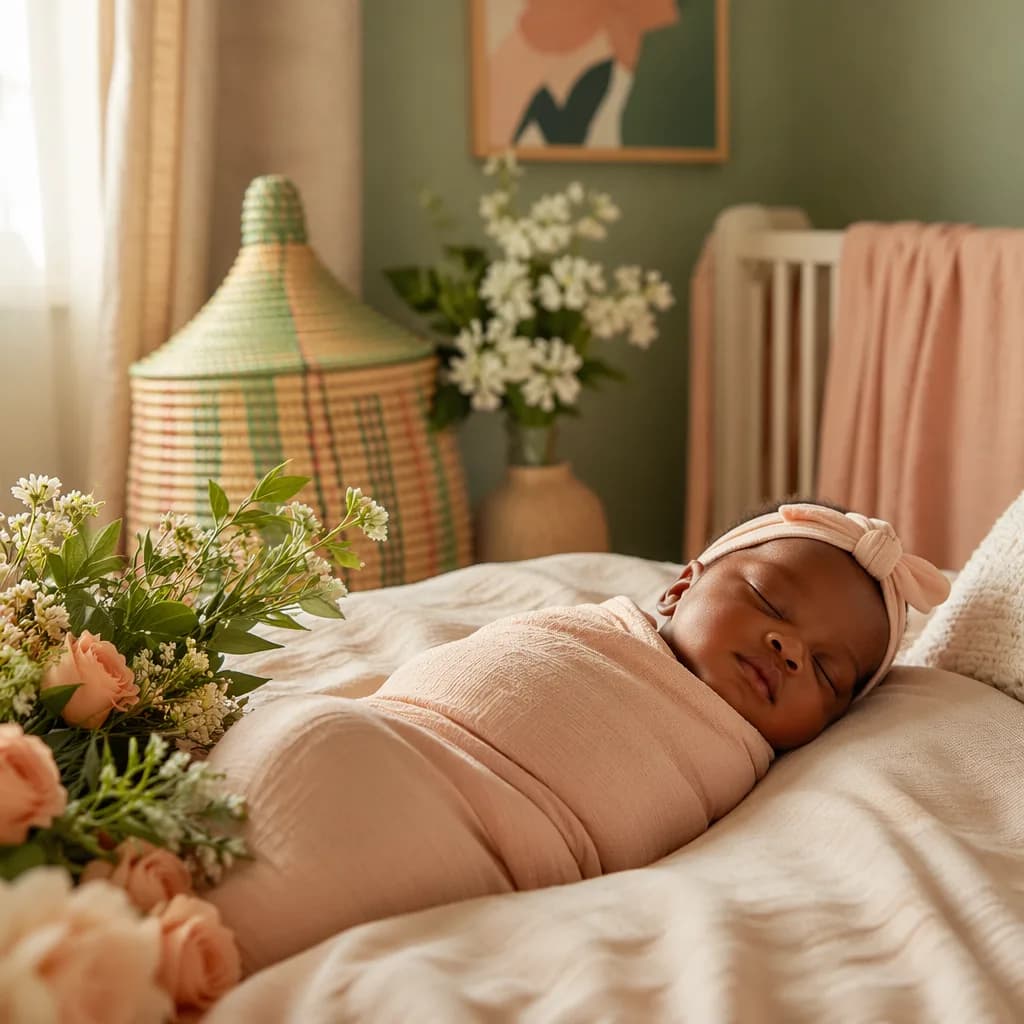
Parents love Zainab because it does a lot of work without feeling heavy. It sounds lovely, but it isn’t just decorative. It has meaning, history, faith, and a clean, confident shape. For a Nigerian girl, Zainab can feel especially natural in a Muslim family, but it also travels well beyond one place. Teachers can say it. Grandparents will recognize it. Friends may shorten it to Zai or Zee, while official documents still carry the full grace of Zainab. The name has a nice balance. It’s familiar, but not everywhere. It feels traditional, but not old-fashioned. It has that strong final consonant, so even though its meanings point toward beauty and fragrance, the name still feels capable and serious. I also like that Zainab gives a child room to grow. It works for a baby in a soft pink cap, a teenager writing her name on schoolbooks, a doctor, a designer, a lecturer, or a public servant. Some names fit only one mood. Zainab has range. If you want a name that honors faith, family, and a graceful sense of identity, Zainab is a deeply meaningful choice.
Heritage
Zainab has a strong place in Muslim naming culture because of its connection to Zainab bint Muhammad, the eldest daughter of the Prophet Muhammad. For many families, that link makes the name feel blessed, respectful, and rooted in a story parents want their daughter to grow up knowing. It’s the kind of name an auntie may say with pride at a naming ceremony because it sounds beautiful and carries religious memory. In Nigeria, Arabic-origin names are widely used in Muslim communities, especially in the North, and they also appear in families across the country through faith, schooling, marriage, and wider West African Islamic culture. Zainab works well in that setting because it is recognizable without feeling plain. It can sit easily beside names like Aisha, Fatima, Maryam, Hauwa, Khadija, and Safiya, which many families already know and love. There are no universal taboos attached to the name itself, but because of its Islamic association, many parents treat it with care. Some families may prefer the spelling Zainab for everyday English use, while others choose Zaynab to stay closer to a common Arabic transliteration. Either way, the name is usually heard as feminine, respectful, and faith-connected. Outside religious settings, Zainab also has a polished global feel. It appears among public figures in politics, activism, entertainment, and international service, which helps the name feel both traditional and current.
Not enough popularity data to chart yet.
Zainab’s meanings of beauty and fragrance give the name a calm, graceful feeling.
The strong final sound makes the name feel steady rather than overly delicate.
Its connection to early Islamic history gives the name a sense of devotion and respect.
Zainab feels approachable in daily life, with easy nicknames like Zai and Zee.
The name has been carried by women in public service, activism, and the arts, which adds a quiet confidence to its image.
Original
زَيْنَب
Transliterations
Amina shares a warm Muslim heritage and gives the full name a soft, balanced rhythm.
Maryam pairs beautifully with Zainab for parents who want a name with gentle religious depth.
Safiya adds a smooth, graceful sound after Zainab’s crisp ending.
Amara brings a bright, modern feel while still sounding at home with Nigerian naming styles.
Yasmin echoes the flower association of Zainab and makes the pairing feel especially sweet.
Halima gives the name a calm, classic quality that many families find comforting.
Pair two names and see how they sound, flow, and feel together.
Generate a soothing personalised bedtime story starring your child.
Reveal the life-path and destiny numbers hidden in a baby name.
Playful, name-based personality sketch to share with friends.
No stories for Zainab yet. Be the first!