
Baby-Led Weaning vs Purees: Choosing What Fits

Baby-led weaning vs purees: the quick answer
Baby-led weaning means offering safe, soft table foods your baby can pick up and feed themselves, usually around 6 months when they’re ready for solids. Think ripe avocado strips, very soft cooked sweet potato, or a tender piece of banana that’s easy to grasp.
Purees are smooth foods offered on a spoon. Many families start with simple, single-ingredient foods, then gradually move toward thicker textures and more advanced foods over time. With purees, table foods typically begin around 9 months.
Both approaches can work well. Baby-led weaning gives babies practice with self-feeding, fine motor skills, and different textures from the start. Purees can feel more controlled because you can see how many spoonfuls your baby eats, and they’re often familiar to grandparents or caregivers. Either way, the goal is the same: helping your baby move toward solid table foods between about 6 and 12 months.
You don’t have to pick one lane forever.
Many families use a mixed approach, like oatmeal on a spoon at breakfast and soft avocado strips at dinner. That can be a very practical middle ground, especially if you’re also managing milk feeds, pumping, bottles, or formula. If that’s your season, you may also like Pumping at Work: Schedule, Storage, and Supply Tips, Bottle Nipple Sizes: Flow Rates and When to Switch, and Formula Feeding Basics: Amounts, Prep, and Tips.
The best choice is the one your baby is ready for and you can do calmly and consistently. Watch your baby’s signals, just like you did with newborn feeding cues, and adjust as you learn what works at your table.
How to tell if your baby is ready for solids
Most babies are ready for solids around 6 months, but the calendar isn’t the only thing to look at. Readiness is more about what your baby’s body can do at the table.
Look for these signs:
- Sits with little support
- Has good head and neck control
- Brings objects to their mouth
- Shows interest in food
That last one can be tricky. A baby staring at your sandwich doesn’t always mean they’re ready for a bite. Babies are curious about everything you do, including eating, drinking, brushing your hair, and opening the fridge. Waking more at night doesn’t automatically mean they need solids either. Sleep changes happen for lots of reasons, and feeding patterns can shift during growth and development. If you’re still sorting out milk feeds, it can help to revisit basics like newborn feeding cues, formula feeding amounts and prep, or bottle nipple flow rates.
Starting too early can make meals frustrating for everyone. If a baby can’t sit well, keep their head steady, or move food safely in their mouth, solids may feel scary instead of fun. Purees and baby-led weaning both work best when your baby has enough body control to participate.
Here’s a simple gut-check: if your baby slumps sideways in the high chair after two minutes, pause. Give it a week or two, then try again.
Premature babies, and babies with feeding concerns, may need different timing. Your pediatrician or feeding therapist can help you decide what’s safest for your baby. And if you’re pumping while planning solids, pumping at work tips can make the whole feeding season feel a little less tangled.
What baby-led weaning looks like at the table
Baby-led weaning starts with safe table foods from the beginning, with baby doing the feeding instead of being spoon-fed purees. Picture a baby sitting upright in the high chair, grabbing a soft strip of banana, a wedge of steamed sweet potato, a ripe avocado spear, an omelet strip, or a very soft broccoli floret.
The shape matters. Food should be big enough for baby to hold in their fist, with some sticking out to nibble or gum. The texture should be soft enough that you can squish it between your fingers. Skip hard rounds and sticky chunks, since those aren’t beginner-friendly textures.
Your job is calm and close. Sit baby upright, stay right there, and let them explore. At first, a lot of food may be squished, dropped, licked, or worn like hair gel. That’s normal. Intake can be slow in the early weeks because babies are learning how to self-feed, move food around their mouth, and coordinate those little hands.
Gagging can happen too. It’s a normal learning reflex, but it can still rattle you, especially if you’re already nervous about choking. If that sounds like you, a slower start or a mixed approach with some purees may feel better. There’s no one right way to begin solids.
A good baby led weaning guide should always cover readiness signs, safe cuts, choking hazards, allergen introduction, and iron-rich foods. It should also be honest about the downsides: mess, food waste, slower intake at first, and the emotional load of watching your baby gag while they learn.
Feeding changes can bring up old questions too. If you’re still balancing milk feeds, these guides on newborn feeding cues, bottle nipple sizes, formula feeding basics, and pumping at work can help you keep the bigger picture steady. And if you’re in a baby-name rabbit hole during nap time, Tanmay Suresh Upadhyay: meaning & origin is a sweet little read.
What starting with purees feels like day to day
Starting with purees can feel calm and manageable, especially if you’re nervous about the first few bites. Purees are smooth foods offered by spoon. Over time, they become thicker mashed foods, then soft lumps and finger foods as your baby gets more practice.
A simple first meal might be iron-fortified infant oatmeal mixed thinly with breast milk or formula. Another day, you might offer mashed lentils thinned with breast milk or formula, plain yogurt, pear puree, or mashed peas. The texture can slowly change from “slides off the spoon” to “stays on the spoon,” then to soft mash your baby can move around in their mouth.
One real perk of purees is that it’s easier to see how much your baby ate. If they had six tiny spoonfuls of pear puree, you know that. It’s also usually less messy than self-feeding, which can be a relief on a weekday morning when everyone’s already dressed. Purees can be helpful for babies who tire quickly at meals, and reassuring if you want a gentler start before offering more textured foods.
Try to keep it responsive. Offer the spoon, then pause. Watch your baby’s face and body. If they lean in or open their mouth, offer another bite. If they turn away, clamp their mouth shut, push the spoon out, or get upset, stop. Those early full cues matter, just like the ones you may have watched for in the newborn days with hungry and full baby signs.
The one caution: don’t stay on thin purees too long. Babies need chances to practice texture, chewing motions, and self-feeding. If you’re mixing oatmeal with pumped milk, these pumping at work tips may help, and if you’re using formula, this guide to formula amounts and prep can be handy. Bottle-feeding parents may also be thinking about nipple flow rates during this same stage.
And if mealtime turns into a sweet family chat about names, Tanmay Suresh Upadhyay is waiting for your next quiet read.
Safety rules both methods share
Baby-led weaning and purees can look very different at the table, but the safety basics are the same. Choking risk is less about the label, BLW or spoon-feeding, and more about the food’s shape, texture, and how closely an adult is watching.
Some foods need to be avoided or changed before serving. Whole grapes should be cut lengthwise. Hot dogs should not be served as round coins. Nuts, popcorn, raw apple chunks, hard carrot coins, and thick globs of nut butter are common choking hazards. Cook firm foods until they’re soft enough to squish between your fingers, and thin sticky foods like nut butter with yogurt, applesauce, breast milk, formula, or water before offering.
Position matters too. Baby should sit upright in a high chair for meals, with feet supported if possible. That foot support can help them feel steady while they’re learning what to do with food. Skip snacks in car seats, strollers, or while crawling around the living room. It’s tempting, especially on busy days, but sitting still and upright is safer.
Gagging and choking can look scary, so it helps to know the difference. Gagging is usually noisy and active. Baby may cough, sputter, or push food forward with their tongue. Choking is quiet, or breathing sounds weak and ineffective. That needs immediate action.
This is one of those areas where preparation brings real peace of mind. Caregivers should learn infant CPR before solids begin, and mealtimes should be phone-free and closely supervised. Sit nearby. Watch their face. Stay present.
Also, avoid honey until after 12 months. For younger babies, safe prep is part of feeding, just like reading hunger and fullness cues. If you’re still sorting out milk feeds alongside solids, our guides on newborn feeding cues, bottle nipple sizes, formula feeding basics, and pumping at work can help keep the whole feeding picture a little calmer.
Nutrition needs to keep front and center
In the early months of solids, breast milk or formula is still doing the heavy lifting. Food is practice at first: tasting, touching, mouthing, gagging a little, learning how textures feel. Over time, those tiny tastes become more meaningful meals.
That can feel strange if your baby mostly smears avocado on the tray and eats one microscopic bite. Still normal. If you’re pumping during this stage, it can help to keep your usual milk rhythm steady with a plan like Pumping at Work: Schedule, Storage, and Supply Tips. If bottles are part of the day, Bottle Nipple Sizes: Flow Rates and When to Switch can help you keep feeds comfortable. Formula families may also like Formula Feeding Basics: Amounts, Prep, and Tips.
Around 6 months, iron and zinc deserve special attention. Think meat, poultry, fish, beans, lentils, eggs, tofu, and iron-fortified cereals. Both approaches can cover this. A baby-led weaning meal might include a soft strip of tender beef that baby can hold and suck on. A puree meal might be blended lentils thinned to a texture your baby can manage.
Allergens can usually come in safe forms once solids have started, unless your doctor has told you otherwise. Common ones include peanut, egg, dairy, wheat, soy, fish, sesame, and tree nuts. Safe form matters: thin peanut butter mixed into yogurt, finely ground nuts stirred into oatmeal, or well-cooked egg cut or mashed appropriately.
Variety helps, but pressure doesn’t. Repeated exposure counts, even if baby licks a food and drops it. Keep watching cues, just like you did with early feeds. Newborn Feeding Cues: Hungry and Full Baby Signs is a helpful refresher. And if your brain is somehow also naming a baby right now, yes, Tanmay Suresh Upadhyay: meaning & origin can wait until after lunch cleanup.
How to choose based on your real life
The best starting-solids method is usually the one your actual household can repeat without dread. Family meals, your baby’s temperament, caregiver comfort, cleanup tolerance, and childcare setup all matter.
If you eat dinner with your baby most nights, baby-led weaning may feel natural. You might offer soft pieces from your plate, like steamed vegetables, rice and lentils pressed together, or a soft tortilla with beans cut into safe shapes. Baby gets to watch you eat, practice self-feeding, and join the table.
If a grandparent or nanny is feeding twins at lunch, purees may be the calmer choice. Spoon-feeding can make it easier to track how much each baby ate and keep the mess manageable. You can still add finger food practice once a day, maybe with soft avocado strips or mashed plantain on a preloaded spoon.
Some babies want control from the start. Others get frustrated when food slips out of their hands. Some caregivers feel confident preparing soft table foods, while others are more comfortable with purees. That comfort counts, especially if your baby eats at daycare or with relatives.
Budget and culture fit here too. Starting solids doesn’t have to mean buying special foods. Congee, mashed beans, soft rice, lentils, steamed vegetables, mashed plantain, and family soups can all work with safe texture changes. The same is true for feeding routines around breast milk or formula. If you’re also sorting out pumping logistics, Pumping at Work: Schedule, Storage, and Supply Tips can help. If bottles are part of the day, Bottle Nipple Sizes: Flow Rates and When to Switch and Formula Feeding Basics: Amounts, Prep, and Tips may be useful.
There are times to get extra help before choosing a path: poor weight gain, coughing with feeds, low tone, tongue tie concerns, reflux pain, or a history of prematurity. A pediatrician or pediatric registered dietitian can help you adjust textures and timing.
Choose the calmer path. Stress at the table can make meals harder for everyone, and babies are still learning the same basic skill: how to move from milk to family foods, one safe bite at a time. If you’re watching for readiness and fullness, Newborn Feeding Cues: Hungry and Full Baby Signs is a good refresher.
A simple mixed approach for the first month
You don’t have to choose a team here. Purees and baby-led weaning can sit at the same highchair tray.
The goal in these early weeks is simple: help your baby begin moving toward table foods, practice eating skills, and fill nutrition gaps between about 6 and 12 months. Some babies love a spoon. Some want to grab everything. Many do best with both.
Week 1: Start with one meal a day. Offer either an iron-rich puree or a very soft finger food that’s prepared safely. Keep the amount tiny, because this is practice. A few tastes count. Focus on sitting well, touching the food, bringing it toward the mouth, and getting used to new smells and textures. Milk feeds should stay steady, whether you’re nursing, pumping, bottle feeding, or using formula. If you’re sorting out daytime feeds too, our guides on Pumping at Work: Schedule, Storage, and Supply Tips, Bottle Nipple Sizes: Flow Rates and When to Switch, and Formula Feeding Basics: Amounts, Prep, and Tips can help.
Week 2: Add a second texture at the same meal. For example, you might offer mashed avocado on a preloaded spoon and a soft avocado spear on the tray. Your baby can practice self-feeding while still getting the familiar support of a spoon. Mess is normal. Food in the hair is basically part of the curriculum.
Week 3: If your baby is already tolerating a few foods, and your pediatrician hasn’t advised otherwise, offer a safe allergen form. One example is thinned peanut butter stirred into oatmeal. Keep the texture smooth and easy to manage.
Week 4: Bring in more family foods, changed for safety. Try shredded soft chicken, mashed beans, or steamed zucchini sticks. This is where mixed feeding can make dinner feel less separate for everyone.
Let appetite guide the pace. The hungry and full signs you watched in the newborn days still matter, and this refresher on Newborn Feeding Cues: Hungry and Full Baby Signs may be useful. And if you need a tiny distraction while wiping zucchini off the floor, browsing a name story like Tanmay Suresh Upadhyay: meaning & origin is a perfectly reasonable parent break.
Common mistakes that make starting solids harder
Starting solids can feel surprisingly emotional. A few small choices can make meals calmer for everyone.
- Starting before baby can sit well. If your baby is slumping, tipping, or working hard just to stay upright, food can become a wobbly, stressful experience. Waiting until sitting is steadier helps baby focus on tasting, touching, and learning.
- Offering risky shapes or textures. Baby-led weaning can include safe table foods from the start, but shape matters. Be extra careful with round, slippery foods and hard pieces that can break off in chunks. Soft, graspable foods are usually easier for early practice.
- Pushing one more bite. Pressure, distraction, and airplane-spoon tricks can make feeding feel like a performance. If baby turns away, clamps their mouth, fusses, or loses interest, they may be done. Those same full-body cues matter during milk feeds too, which is why many parents also like reading about newborn feeding cues.
- Expecting real meals right away. Early solids are practice. Some food will land on the floor, in baby’s hair, and maybe in yours. That’s normal, especially with self-feeding.
- Staying on smooth purees for too long. Purees can be a lovely starting point, but textures should gradually move forward, with table foods beginning around 9 months. Smooth foods may feel safer, but babies need chances to learn.
- Comparing intake. One baby eats two bites for weeks. Another seems ready for seconds. Both can be normal. If you’re also balancing breast milk, bottles, or formula, guides like pumping at work, bottle nipple sizes, and formula feeding basics can help keep the bigger feeding picture steady.
And if you need a tiny mental break after wiping banana off the high chair, browsing a name page like Tanmay Suresh Upadhyay absolutely counts.
Frequently Asked Questions
Is baby-led weaning better than purees?
No. Baby-led weaning and purees can both work well. The better choice is the one that fits your baby's readiness, your comfort, and safe feeding practices.
Can I do baby-led weaning and purees together?
Yes. Many families offer both, such as oatmeal on a spoon in the morning and soft finger foods at dinner.
What age should a baby start solids?
Most babies are ready around 6 months, when they can sit with support, control their head and neck, and show interest in food.
Do babies choke more with baby-led weaning?
Research does not show higher choking rates when foods are prepared safely and babies are supervised. Food shape, texture, and positioning matter most.
What are good first purees for baby?
Good options include iron-fortified oatmeal, blended lentils, mashed beans, plain yogurt, sweet potato, peas, avocado, and soft fruits.
What are good first foods for baby-led weaning?
Try soft foods baby can hold, such as steamed sweet potato wedges, ripe avocado spears, banana strips, omelet strips, or very soft broccoli florets.
How much should my baby eat when starting solids?
At first, a few tastes may be plenty. Breast milk or formula still provides most nutrition, and intake usually grows slowly over time.
Should I start with vegetables before fruit?
You can offer both. Repeated exposure to many flavors matters more than a strict order.
Frequently asked questions
Is baby-led weaning better than purees?
Can I do baby-led weaning and purees together?
When is my baby ready to start solids?
Do purees delay table foods?
References
Sources
External research this article was grounded in.
- Rock-A-Bye Baby +More Nursery Rhymes - CoCoMelon - Videos For Kidskidvideo.org
- Baby-led weaning vs Puree: Which method is better? | Huckleberryhuckleberrycare.com
- Purees, Baby-Led Weaning, or Both? What Actually Matters When Starting Solids - PedsDocTalkpedsdoctalk.com
- Baby-Led Weaning vs Purées: Which Is Better? (2026) | First Foods For Babiesfirstfoodsforbabies.com
- Rule 1410: Construction Safety | Labor Code of the Philippineslaborlawphilippines.wordpress.com
Related reading
More from the journal → feeding
How to Introduce a Bottle to a Breastfed Baby Gently
A calm, practical guide to introducing a bottle to a breastfed baby with less stress, paced feeding, small practice feeds, and gentle troubleshooting.
12 min readJul 19, 2026 feeding
Bottle Feeding Newborns: Positions, Pacing, Burping
Bottle feeding a newborn can feel fiddly at first. Here’s how to hold baby, pace feeds, burp well, and spot cues that mean slow down or pause.
13 min readJul 12, 2026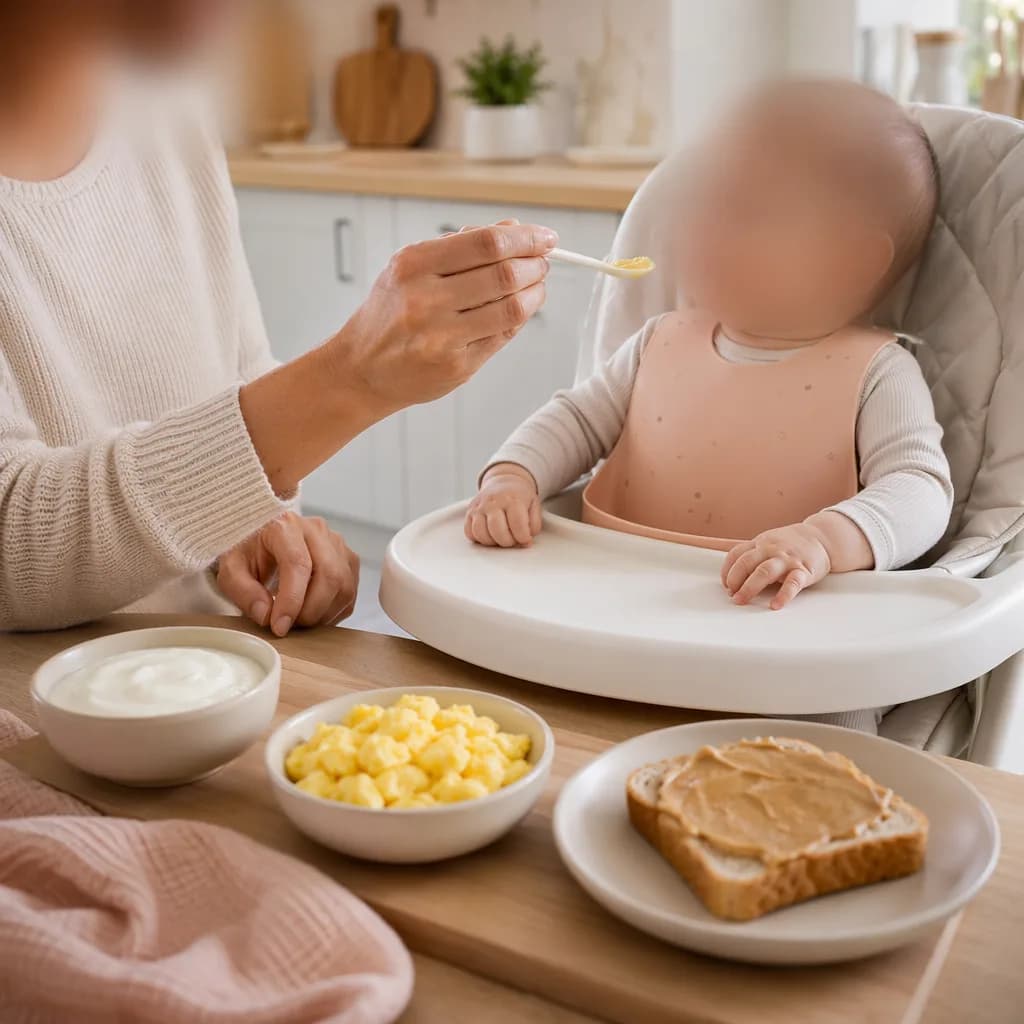 feeding
Introducing Allergens to Baby: Pediatrician Questions
A calm pediatrician question list for starting baby allergens, including readiness, high-risk signs, safe textures, reactions, and what to do next.
13 min readJul 9, 2026