
Baby Products You Don't Need: What New Parents Can Skip
Start here: why baby gear gets out of hand
Baby gear gets overwhelming fast because so much of it is sold to you before you’ve even met your baby. Before you know your feeding rhythm, your stroller habits, your sleep setup, or whether your baby likes being worn, rocked, swaddled, or left completely alone for two blessed minutes.
That’s how single-use products sneak in. A bathtub thermometer. A diaper cream spatula. A tiny bathrobe. Three specialty pillows for situations you may never have. None of it feels silly in the moment, because you’re trying to be ready.
The biggest registry mistakes usually come from a very loving place: buying for a fantasy schedule, choosing cute over useful, and accepting every recommendation without checking your actual space or budget. A city apartment, a four-story walk-up, and a suburban home with a big entryway do not need the same stroller, which is why a guide like How to Choose a Stroller That Fits Your Life can be more helpful than a generic “must-have” list.
Skipping gear is not being unprepared.
It usually means you’re leaving room to learn. Maybe you buy three kinds of swaddles, then your baby screams every time their arms are tucked. Now you know. You can adjust without a drawer full of unused extras.
Start with true essentials: a safe sleep space, a car seat that fits your vehicle, simple clothes, diapers, and feeding basics. Then build slowly. A calm, safe nursery matters more than a crowded one, and Newborn Nursery Setup: A Safe, Simple Room Guide is a good place to keep things grounded.
Baby products you don't need in the nursery
The nursery is one of the easiest places to overbuy. It’s also the room where simple usually works best, especially at 2 a.m. when you’re changing a diaper half-awake and trying not to fully wake the baby.
Skip the wipe warmer. It sounds cozy, and some parents love the idea, but many babies don’t seem to care. If a cold wipe feels too startling, hold it between your hands for a few seconds before using it. Done.
Fancy crib bedding sets are another easy pass. Quilts, bumpers, pillows, and decorative pieces may look sweet in photos, but they don’t belong in the crib. A firm mattress with a fitted sheet is the safer setup. If you’re planning the room from scratch, our Newborn Nursery Setup: A Safe, Simple Room Guide keeps the focus on what actually helps.
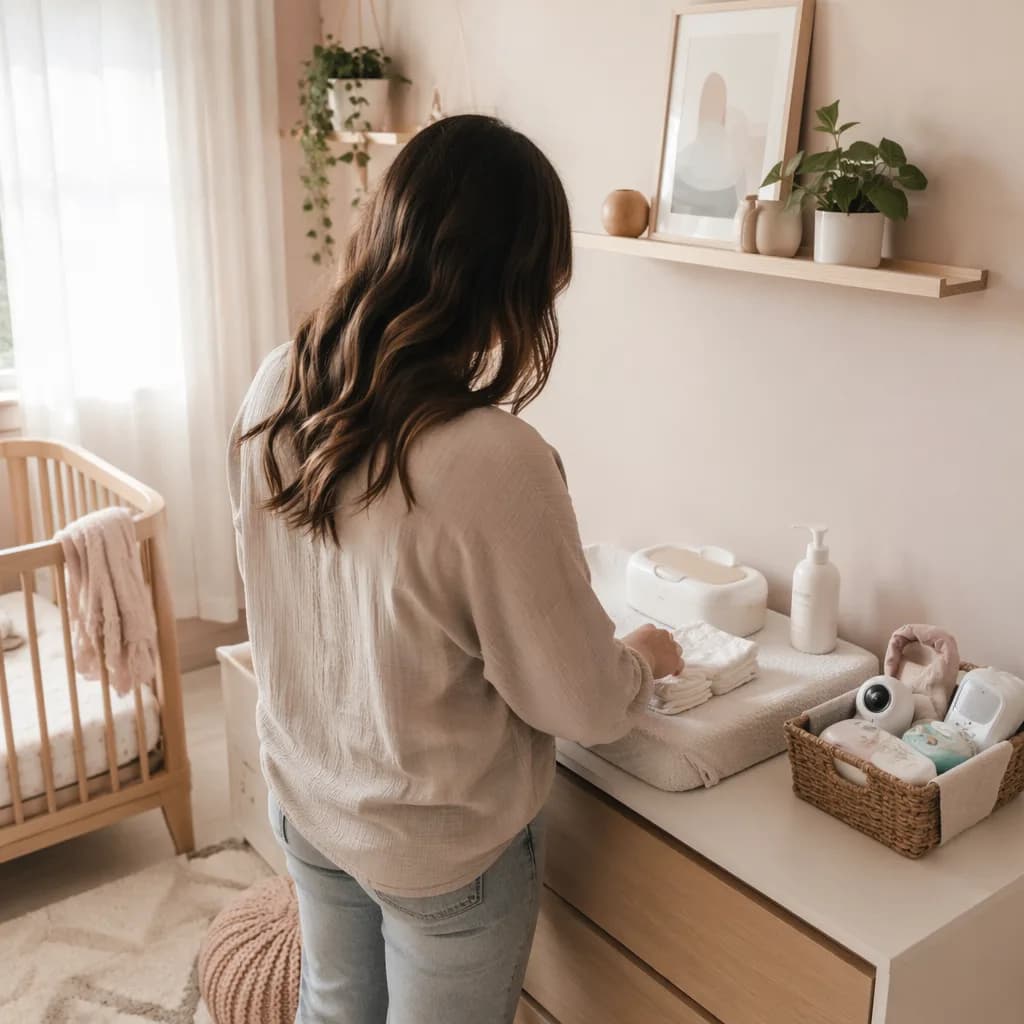
Changing tables can be useful, but only if they come with a real storage plan. A dresser with a changing pad on top often lasts longer and saves space, because you can keep using the dresser well past the diaper years. Before buying a dedicated changing table, picture where the diapers, wipes, cream, extra pajamas, and backup sheets will actually go.
Diaper stackers and themed organizers are cute, but they’re rarely easier. A small basket with diapers, wipes, diaper cream, and one clean outfit is simple to refill and easy to move from the nursery to the living room.
I’d also wait on multiple nursery gadgets before baby arrives. Sound machines, projectors, and night lights are best chosen once you know the room and your baby’s sleep habits. A bright night light might be too much. A projector might be distracting. A basic sound machine might be all you need, or maybe none at all. If you’re choosing tech for peace of mind, start with safety-focused gear like a monitor. This guide to the Best Baby Monitors for Safety-Conscious Parents can help you sort through that decision.
Save the registry energy for gear that needs more thought, like How to Choose a Stroller That Fits Your Life or Best Convertible Car Seats for Safer Family Rides. And if you need a tiny break from nursery decisions, baby name rabbit holes are allowed. Tanmay Suresh Upadhyay: meaning & origin is a sweet place to wander for a minute.
Feeding items that often sit unused
Feeding gear can take over a kitchen fast. And in the newborn haze, it’s very easy to register for every gadget that promises fewer steps at 2 a.m.
A bottle warmer is one of those “maybe, but probably not yet” items. Many families do just fine placing a bottle in a mug of warm water for a few minutes, especially if baby accepts room-temperature milk. Some babies truly don’t care. If yours does, you can always buy a warmer later.
Sterilizers are another one to pause on. After the first cleaning, many healthy full-term babies do fine with hot soapy water or the dishwasher for everyday washing, unless your pediatrician gives you different advice. If you’re trying to keep counters clear, this is a good place to start small.
Bottles are trickier because babies can be oddly opinionated. One baby loves a wide nipple, another refuses it like you’ve offered a tiny insult. Instead of buying a full set in one brand, start with a small sample set and see what your baby actually takes. Then stock up.
You can also skip the special baby food maker at first. A fork can mash banana or avocado. A blender can puree soft cooked vegetables. A regular steamer can handle most early foods when solids begin.
Tiny snack containers and specialty freezer trays can be useful later, but they’re not must-haves before your baby is even eating solids. Save that registry space for things you’ll use right away, like sleep, diapering, and safe travel basics. If you’re still building the rest of your list, it may help to focus first on bigger decisions like how to choose a stroller that fits your life, a simple newborn nursery setup, baby monitors for safety-conscious parents, and convertible car seats for safer family rides. And if you need a lighter break from registry tabs, name meanings like Tanmay Suresh Upadhyay are a sweet little detour.
Bath and grooming gear to leave off the registry
Bath time already comes with enough moving parts: warm water, a slippery newborn, a towel within reach, and maybe a tiny bit of crying from one of you. You don’t need a cabinet full of special bath gear to do it well.
Baby bathrobes are the classic example. They’re adorable for one sweet photo after the bath, but for an actual wet, wiggly newborn, a soft cotton towel is easier and more useful. You can wrap quickly, pat dry, and get baby dressed before they get chilly.
Too many hooded towels and washcloths can pile up fast, too. Two or three towels are usually enough if you’re doing regular laundry, along with a small stack of soft washcloths for faces, neck folds, and little hands. If you’re trying to keep the whole baby setup calm and practical, the same less-is-more thinking can help in the nursery. This newborn nursery setup guide is a good place to start.
I’d also skip baby cologne and heavily scented lotions. Newborn skin can be sensitive, and fragrance is often unnecessary. If baby has dry patches, keep it simple and watch how their skin responds.
Electric nail files are one of those items some parents genuinely love, especially if clipping nails makes them nervous. But they’re not required. A basic baby nail file can work slowly and gently, especially during a contact nap when those tiny hands finally relax.
Special bath thermometers are optional, too. Many parents simply test the water with an elbow or wrist. It should feel warm, not hot. If a thermometer helps an anxious bath-giver feel steadier, that’s fine. Just don’t feel like it has to earn a spot on your registry.
Travel gear that sounds useful but rarely earns its space
Travel gear is sneaky. It sounds practical because you can picture yourself using it at the airport, in the grocery store, or on a sunny walk. But some of it ends up living in the trunk, the closet, or the bottom of the stroller basket.
Here are a few pieces you can probably skip, or at least pause on before adding them to your registry.
- Bulky travel systems if you’re short on space. A car seat and stroller setup can be helpful, but the big, heavy versions aren’t always the best fit for apartment living, small entryways, or stairs. If you climb steps every day, test the stroller’s weight and fold before registering. Try lifting it with one hand while imagining a diaper bag on your shoulder. That little reality check helps. If you’re still deciding, this guide on how to choose a stroller that fits your life is a good place to start.
- Shopping cart covers. They seem useful, especially with a first baby. In real life, many parents end up wiping the cart handle, tossing down a small blanket, or using nothing once baby is older and sturdier. If you do buy one, choose something that folds small and washes easily. Otherwise, it may become another bulky item you forget in the car.
- Baby shoes for non-walkers. Tiny sneakers are adorable. They’re also mostly decorative before standing and walking begin. Socks or footed pajamas usually do the job just fine, and they’re much easier to keep on.
- Car seat accessories not made by the seat manufacturer. Skip add-ons like strap covers, head supports, or liners unless your car seat manual says they’re allowed. Extra accessories can create safety concerns because they weren’t part of the seat’s original design. If you’re comparing seats, you may also like this look at best convertible car seats for safer family rides.
- Too many diaper bags. One comfortable bag with washable pockets beats three cute ones that don’t fit your real outings. Think snacks, wipes, a change of clothes, your water bottle, and a place for the dirty stuff. Practical wins here.
For home gear, the same rule helps: choose what supports daily life and skip what adds clutter. A simple room setup, like this newborn nursery setup guide, can make that feel much easier.
Clothes and cute extras that become clutter fast
Tiny baby clothes are hard to resist. I get it. A newborn cardigan the size of your hand can make even the most practical parent pause.
But for everyday life, especially in the first sleepy weeks, simple usually wins.
- Newborn outfits with lots of buttons, stiff collars, or tiny suspenders look adorable in photos, but they’re not what you’ll reach for at 2 a.m. Zipper sleepers and soft onesies are easier when you’re changing a diaper half-awake and trying not to fully wake the baby.
- A huge newborn wardrobe can go unused fast. Some babies outgrow newborn sizes in days, and some never fit them well in the first place. It’s usually safer to register for a smaller number of newborn pieces and more 0-3M and 3-6M basics.
- Scratch mittens sound useful, but they’re easy to lose and many babies wiggle right out of them. Sleepers with fold-over cuffs often stay put better, and they’re one less tiny item to track in the laundry.
- Holiday-specific outfits in tiny sizes are risky. Babies grow unevenly, and the timing can be off by the time the holiday arrives. That “Baby’s First Thanksgiving” outfit might fit beautifully in October and be too snug by late November.
- Matching accessories add up quickly. Headbands, hats, and decorative bibs can be lovely for a photo, but they’re very easy to overbuy. A few soft, practical pieces are enough.
If you’re trimming the registry, clothing is a gentle place to start. Save that space and budget for gear you’ll use every day, like safe sleep basics from our Newborn Nursery Setup: A Safe, Simple Room Guide, or bigger purchases like How to Choose a Stroller That Fits Your Life and Best Convertible Car Seats for Safer Family Rides.
What not to put on a baby registry if money is tight
If the budget feels tight, start with the things you’ll touch every single day. Diapers. Wipes. Plain sleepers with easy snaps or zippers. Burp cloths. A safe sleep space with a firm mattress and fitted sheet. Feeding supplies. A car seat you feel confident using from the first ride home.
That’s the boring stuff. It’s also the stuff that saves you at 2 a.m.
For sleep, keep it simple and safe: no bumpers, pillows, loose blankets, or decorative extras in the crib. If you’re still planning the room, Newborn Nursery Setup: A Safe, Simple Room Guide can help you focus on what actually belongs there.
Skip duplicates until you know your baby and your routine. You don’t need two swings, three bouncers, multiple carriers, and extra monitors before the baby arrives. Some babies love a bouncer. Some act personally offended by it. Same with carriers. Same with certain bottles. Let real life tell you what’s worth adding.
A stroller is worth thinking through, but you don’t have to register for every accessory at once. If you’re unsure what fits your home, car, stairs, or daily walks, read How to Choose a Stroller That Fits Your Life before adding one.
Use registry completion discounts for the maybes. Put the “nice if we need it” items in a private list or leave them for later, then use the discount after baby arrives. This works well for things like an extra carrier, a second bouncer, or a monitor upgrade. If you’re comparing monitor options, Best Baby Monitors for Safety-Conscious Parents is a good place to start.
Add gift cards without guilt. Truly. They help with the strange little things you discover later, like a different bottle nipple size, more wipes than you expected, or a second crib sheet after a midnight leak.
One simple rule: if it solves a problem you don’t have yet, leave it in the cart for 48 hours.
The big exception is the car seat. You’ll need one right away, and it needs to fit your vehicle well. If you’re deciding between options, Best Convertible Car Seats for Safer Family Rides can help you compare what makes sense for your family.
Smart swaps for unnecessary baby items
A baby registry can get crowded fast. The goal isn’t to judge anyone’s favorite gadget. If a wipe warmer saves your sanity at 2 a.m., lovely. But if you’re trying to spend first on what helps every day, a few simple swaps can keep your setup calmer and your budget steadier.
Instead of a wipe warmer, try warming the wipe in your hand for a few seconds. For extra-sensitive changes, a warm washcloth can feel gentler without adding another plug-in item to the nursery.
Instead of a separate changing table, use the top of a sturdy dresser with a waterproof changing pad and a small basket of diapers, wipes, cream, and a spare onesie. It does the same job, and the dresser keeps working long after diaper days are over. If you’re planning the room now, this kind of practical setup fits right into a safe, simple newborn nursery.
Instead of a bottle sterilizer, choose dishwasher-safe bottles if you have a dishwasher. When sterilizing is needed, a pot of boiling water can do the job without taking up counter space.
Instead of baby shoes, go with socks, soft booties, or footed sleepers. Tiny shoes are adorable in photos, but for daily newborn life, warm feet matter more than tiny soles.
Instead of a full crib bedding set, buy fitted crib sheets and a few wearable blankets. Skip pillows, bumpers, loose blankets, and decorative extras in the crib.
Then put more of your registry energy toward the gear you’ll use constantly: a safe car seat, a stroller that fits your actual routine, and basics that make feeding, diapering, and sleep simpler. If you’re comparing bigger purchases, start with practical guides like how to choose a stroller, convertible car seats, or baby monitors.
How to decide if a baby product is worth buying later
Before you add one more thing to the cart, pause and ask: what problem does this solve, and how often will that problem actually happen?
A wipe warmer might sound nice at 2 a.m., but if your baby tolerates room-temperature wipes, it’s solving a maybe-problem. A carrier, on the other hand, can help on ordinary days when your baby wants to be held and you still need two hands for lunch, laundry, or a quick walk outside.
Then picture the item in your real home. Not the cute nursery photo. Your actual hallway, closet, laundry pile, car trunk, and kitchen corner. A stroller needs to fit the way you live, which is why a guide like How to Choose a Stroller That Fits Your Life is more useful than a trendy recommendation from someone with a totally different routine. Same with sleep gear and nursery furniture. Keep the room safe and simple first, then add only what earns its spot. This Newborn Nursery Setup: A Safe, Simple Room Guide can help with that.
Look for pieces that stretch through more than one stage: a dresser that stays useful after diapers, a convertible high chair, or a carrier with adjustable sizing. For car seats, make sure the option fits your vehicle and your child’s stage. You can compare longer-use options in Best Convertible Car Seats for Safer Family Rides.
For short-use items, borrowing or buying secondhand can make sense when safety rules allow it. Monitors, for example, are worth choosing carefully, so start with Best Baby Monitors for Safety-Conscious Parents before you spend.
Here’s the simplest test: if you can name exactly when you’ll use it this week, it may be worth buying. If you can’t, wait. You can always add it later, right next to the keepsake name list where you saved Tanmay Suresh Upadhyay: meaning & origin.
Frequently Asked Questions
What are the biggest baby products you don't need?
Common skips include wipe warmers, crib bedding sets, baby shoes, bottle warmers, shopping cart covers, and huge newborn clothing collections.
What should I avoid putting on a baby registry?
Avoid unsafe sleep items, too many newborn clothes, single-use gadgets, duplicate gear, and products you can’t picture using in your daily routine.
Are wipe warmers worth it?
Usually, no. Most babies adjust to regular wipes, and you can warm a wipe in your hand for a few seconds if needed.
Do newborns need shoes?
No. Newborns don’t need shoes until they’re walking outside. Socks, booties, or footed pajamas usually keep their feet warm.
Is a changing table necessary?
No. Many parents use a dresser with a changing pad or a safe floor setup with supplies in a basket.
How many newborn outfits do I really need?
A small set is enough to start. Think 5 to 7 easy sleepers, then adjust once you know your baby’s size and laundry rhythm.
Frequently asked questions
What baby products do new parents usually not need?
Is it better to wait before buying baby gear?
Do I need a changing table for the nursery?
Are crib bedding sets safe for babies?
References
Sources
External research this article was grounded in.
- 25 Baby Products That Are a Waste of Moneygentlenursery.com
- The Top Baby Items You Actually Need, According to Baby Gear Experts - GoodBuy Geargoodbuygear.com
Related reading
More from the journal → baby-products
Newborn Essentials Checklist: Buy This, Skip That
A calm newborn essentials checklist for what to buy now, what can wait, and what to skip so you can prep for baby without overbuying.
20 min readAug 3, 2026- baby-products
Car Seat Safety for Newborns: Fit, Position, Mistakes
Newborn car seat safety starts with fit: rear-facing straps, a snug harness, correct recline, and no bulky coats or extra padding.
12 min readAug 3, 2026 - baby-products
Babywearing for Beginners: Fit, Wraps, and Tips
New to babywearing? Start with simple fit checks, carrier types, and calm tips that help you carry baby safely and comfortably.
12 min readAug 3, 2026