
How Much Should a Newborn Sleep? A Simple Guide

How much should a newborn sleep in 24 hours?
A newborn may sleep anywhere from 8 to 18 hours in 24 hours, often in short stretches of 2 to 3 hours at a time. That range can feel huge, I know. But in the early weeks, “normal” really does vary a lot from baby to baby.
Newborn sleep is broken up because babies have small stomachs and need to wake often to feed. So instead of one long night sleep and tidy daytime naps, you might see something like this: your baby sleeps for 2 hours, wakes to feed, stays awake for 30 minutes while you change them and have a cuddle, then falls asleep again.
That counts.
Day and night can also feel very mixed up at first. Some babies seem wide awake just when you’re ready to collapse into bed, then sleep heavily through the brighter parts of the day. It doesn’t mean you’ve done anything wrong. Their sleep patterns are different from adult sleep, and frequent waking is usual.
In these early weeks, total sleep matters more than a neat schedule. A simple rhythm can come later. If you’re wondering how long your baby can comfortably stay awake between sleeps, this newborn wake windows guide may help you spot tired cues without watching the clock too closely.
And if your baby grunts, squeaks, snuffles, or sounds surprisingly noisy while sleeping, you’re not alone. Many parents find newborn sleep sounds reassuring in those quiet, anxious night hours.
If you’re worried about your baby’s sleep, feeding, weight gain, or whether they seem unwell, ask your midwife, health visitor, or GP for support.
What a newborn sleep schedule usually looks like
A newborn sleep schedule is really more of a rhythm than a clock-based plan. In those first weeks, babies sleep, feed, have a short awake spell, then sleep again. The pattern can feel random because, honestly, it often is.
The Lullaby Trust says newborns may sleep anywhere from eight to 18 hours in a day, usually only two to three hours at a time. That means a normal 24-hour stretch might include frequent feeds, several short naps, tiny pockets of awake time, and night sleep broken into chunks. If your baby wakes often, that doesn’t mean you’re doing anything wrong. Newborn sleep is different from adult sleep.
Here’s one example of what a day with a 2-week-old might look like:
- 6:30 am: Wake, feed, diaper change, cuddle
- 7:15 am: Nap
- 9:00 am: Wake and feed
- 9:30 am: Short awake time, maybe looking at your face or stretching
- 10:00 am: Nap
- 12:00 pm: Feed, diaper, brief cuddle
- 1:00 pm: Nap
- 3:00 pm: Feed, then a fussy stretch or cluster feeding
- 5:00 pm: Nap in short bursts
- 7:00 pm: Feed, quiet time, another short nap
- 10:00 pm: Feed, back to sleep
- Overnight: Wake every two to three hours, or sooner, for feeds and comfort
That’s just an example, not a target. Some babies take shorter naps. Some have one longer sleep. Some seem to “snack” all evening. Growth spurts, cluster feeding, teething later on, illness, hunger, and recovery after birth can all shift sleep from one day to the next.
Instead of forcing strict nap times, watch for sleepy cues: staring off, turning away, yawning, fussing, or getting harder to settle. Our Newborn Wake Windows: First 12 Weeks Guide can help you spot those patterns without making the day feel like a spreadsheet.
And if your baby grunts, squeaks, or wiggles in sleep, you’re not alone. Newborn sleep can be noisy, which we talk through in Newborn Sleep Sounds: What's Normal and What's Not. Strict sleep training can wait. If you’re curious later, Sleep Training Methods Compared for Tired Parents Today is there when you need it.
Newborn awake windows by age
A newborn awake window is the time from when your baby wakes up to when they fall asleep again. That includes everything: feeding, burping, changing, staring at the ceiling fan, and those sweet little minutes when they look right at you.
Typical newborn awake windows look like this:
- 0 to 4 weeks: about 30 to 60 minutes
- 4 to 8 weeks: about 45 to 75 minutes
- 8 to 12 weeks: about 60 to 90 minutes
These are guideposts, not rules. Some babies need sleep sooner, especially after a long feed. If your baby nurses for 35 minutes, that’s already 35 minutes of awake time, so they may be ready to go back down after a quick burp and cuddle.
Sleepy cues can be easy to miss at first. Watch for staring off, red eyebrows, yawning, fussing, turning away, or jerky little arm and leg movements. If you’re seeing a few of these together, it’s probably time to start winding things down.
Overtired can look confusing because it doesn’t always look sleepy. A baby may cry hard, arch their back, take short naps, or seem wired and wide awake right when you thought they’d crash. That’s often the moment to make the room calmer, keep your voice low, and help them settle before trying anything new.
If you want a deeper age-by-age breakdown, our Newborn Wake Windows: First 12 Weeks Guide is a good next read. And if those grunts, squeaks, and snuffles are making sleep feel even more mysterious, Newborn Sleep Sounds: What's Normal and What's Not can help you sort the normal noises from the ones worth checking.
How long should newborn naps be?
Newborn naps can be surprisingly short or surprisingly long. A very normal nap might be 20 minutes, and another one later that day might stretch closer to 3 hours.
That range can feel confusing, especially if you expected newborn sleep to be tidy. It usually isn’t. Newborns have short sleep cycles, and their sleep patterns are still maturing, so they may wake after one brief cycle even when they still seem tired. You might hear little grunts, squeaks, sighs, or wriggles during lighter sleep too. If those noises make you wonder what’s normal, this guide to newborn sleep sounds can help you feel less startled at 2 a.m.
Long naps can be normal too. Some babies sleep more than others, and newborns may sleep anywhere from 8 to 18 hours across a full day, often in 2 to 3 hour stretches. Still, there are times when a long nap may need a gentle limit, especially if your pediatrician wants frequent feeds or your baby is struggling to gain weight.
A practical rule: ask your baby’s doctor whether you should wake for feeds, especially in the first few weeks. That one question can take a lot of pressure off.
Contact naps are common in the newborn stage. Many babies settle best on a warm chest, and there’s nothing “wrong” with that if you’re awake and alert. But if you feel yourself getting drowsy, move your baby to a firm, flat, safe sleep surface. Tired parents nod off fast.
If you’re trying to time the next nap, our newborn wake windows guide may be useful. Sleep training can wait. For now, think rhythm, feeding, safety, and rest where you can.
Should you wake a sleeping newborn to feed?
In the newborn days, sleep and feeding are tightly linked. Newborns may sleep anywhere from eight to 18 hours in a day, but usually only for two to three hours at a time. That’s because tiny stomachs need frequent refills, and it’s very normal for babies to wake often overnight.
So, should you wake them? Sometimes, yes.
If your baby is very new, your pediatrician or midwife may want you to wake them for feeds until feeding is going well and weight gain is steady. This is especially true if there are extra concerns, such as jaundice, prematurity, low birth weight, trouble latching, fewer wet or dirty diapers than expected, or slow weight gain. In those cases, follow the plan your doctor gives you, even if your baby seems deeply asleep.
Once your baby is feeding well, putting on weight, and isn’t unwell, longer stretches may be fine. The Lullaby Trust notes that if a baby sleeps longer, there’s no need to wake them as long as they’re feeding, gaining weight, and well. Still, it’s always okay to check with your pediatrician if you’re unsure. A quick weight check can bring a lot of peace.
To wake a sleepy newborn gently, try this: unwrap the swaddle, change the diaper, hold baby skin-to-skin for a few minutes, then offer a feed. Keep the room calm and dim. You’re not trying to make them wide awake, just awake enough to eat.
And if those sleepy grunts, squeaks, and wiggles make you wonder what’s normal, this guide to newborn sleep sounds can help. You may also find it useful to pair feeds with age-appropriate rest using our newborn wake windows guide.
Day-night confusion and how to gently help
Newborns don’t arrive knowing that nights are for long sleep and days are for activity. Their sleep patterns are very different from ours, and it’s usual for them to wake often. In the early weeks, what many parents call day-night confusion can look like a baby who snoozes through the afternoon, then seems wide awake right when you’re desperate for bed.
You’re not doing anything wrong.
During the day, give your baby small clues that it’s daytime. Open the curtains for feeds. Let normal household sounds happen, like the kettle boiling, an older sibling chatting, or the washing machine running. If your baby has a short awake stretch, keep it bright and calm rather than dark and sleepy. For help spotting those tiny awake periods, our Newborn Wake Windows: First 12 Weeks Guide can be a useful next read.
At night, make everything as boring as possible. Dim lights. Quiet voices. Slow movements. Change the diaper if needed, but skip the big smiles and playful chatter at 3 a.m. The goal isn’t to force sleep. It’s to gently repeat the message: nighttime is quiet time.
A tiny bedtime pattern can help too. Something simple works best: diaper, swaddle or sleep sack, feed, song, bed. Same order, same calm tone. If your baby grunts, squeaks, or wriggles after you put them down, that can be normal newborn sleep behavior, and Newborn Sleep Sounds: What's Normal and What's Not explains what you may hear.
Expect this to improve gradually, often over the first 6 to 8 weeks, rather than in one magical night. And if you’re so tired you’re searching for bigger fixes, pause before trying anything designed to make a newborn sleep longer or deeper. The Lullaby Trust cautions that those kinds of tips and products can be dangerous because babies need to be able to wake if they need to. For older babies later on, you can compare approaches in Sleep Training Methods Compared for Tired Parents Today.
Safe sleep basics every newborn nap and night
For every sleep, place your baby on their back. Night sleep, morning nap, that tiny late-afternoon snooze after a feed. Same rule every time.
The Lullaby Trust explains that sleeping a baby on their front or side greatly increases the risk of SIDS, partly because it can affect how easily a baby wakes if they need to. Newborn sleep can look light, twitchy, noisy, and unsettled because baby sleep cycles are different from adult sleep cycles. If you’re wondering what all those grunts and squeaks mean, this guide to newborn sleep sounds can help you sort normal from concerning.
Set up the sleep space simply: a firm, flat surface with a fitted sheet only. Keep pillows, blankets, bumpers, stuffed animals, and loose items out of the crib, bassinet, or sleep space. If a blanket can cover a baby’s face, it can get in the way of their ability to wake and move their head.
Room sharing is a good middle ground for tired parents: your baby sleeps close by, but not in your bed. Ideally, keep their separate sleep space in your room for at least the first 6 months. It makes night feeds easier too, especially during those early weeks when babies wake often because their stomachs are small.
If you swaddle, keep it snug around the chest but loose around the hips, and stop swaddling as soon as your baby shows signs of rolling. Rolling changes the safety picture.
Car seats, swings, and bouncers aren’t meant for routine sleep. If your newborn nods off there, move them to a firm, flat sleep surface as soon as practical.
And if sleep feels all over the place, it probably is. Newborns may sleep anywhere from eight to 18 hours a day, often only two to three hours at a time. Pairing safe sleep with realistic newborn wake windows can make the days feel a little less mysterious.
When newborn sleep might need a doctor's advice
Newborn sleep can vary a lot. The Lullaby Trust says babies may sleep anywhere from eight to 18 hours a day in the newborn stage, often only two to three hours at a time. So yes, some sleepy stretches are normal.
But some signs are worth a call to your pediatrician, even if you’re not sure.
Call for medical advice if your baby:
- Is too sleepy to feed
- Is very hard to wake
- Has fewer wet diapers than expected
- Has a fever
- Seems to be working hard to breathe
- Has lips that look blue
- Has a weak or unusual cry
For a baby under 3 months, call urgently if their rectal temperature is 100.4°F or higher.
Feeding clues matter too. If your newborn falls asleep immediately at every feed, doesn’t seem to be swallowing, or isn’t gaining weight well, it’s time to check in. Babies do have small stomachs and wake often to feed, so a baby who can’t stay awake long enough to take milk needs support.
Breathing can sound surprisingly noisy in the early weeks, and some sounds are harmless. If you’re trying to sort out normal grunts from something more concerning, this guide to newborn sleep sounds may help. And if you’re wondering how long your baby can comfortably stay awake between sleeps, our newborn wake windows guide keeps it simple.
Please don’t worry about “overreacting” with a newborn. If something feels off, calling your pediatrician is a calm, sensible next step.
Frequently Asked Questions
How much should a newborn sleep during the day?
Many newborns sleep about 8 to 9 hours during the day, broken into several naps. The exact amount can vary a lot.
How much should a newborn sleep at night?
Newborns often sleep about 8 hours at night, but usually in short stretches of 2 to 4 hours because they need to feed.
Is it normal for a newborn to sleep all day?
Yes, newborns sleep a lot. Call the pediatrician if your baby is hard to wake, too sleepy to feed, or has fewer wet diapers than expected.
What are normal newborn awake windows?
Most newborn awake windows are short, often 30 to 60 minutes in the first month, including feeding time.
What is a normal newborn nap length?
A normal newborn nap length can be 20 minutes to 3 hours. Short naps and uneven naps are both common.
When do newborns start sleeping longer stretches?
Some babies start giving one longer stretch around 6 to 8 weeks, but many take longer. Feeding, weight gain, and temperament all matter.
Can a newborn sleep too much?
Sometimes. If your baby sleeps through feeds, is hard to wake, has poor diaper output, or seems unusually limp, call your doctor.
Should newborns follow a strict sleep schedule?
No. In the early weeks, a flexible rhythm based on feeding needs and sleepy cues works better than a strict newborn sleep schedule.
Frequently asked questions
How many hours should a newborn sleep in 24 hours?
Is it normal for a newborn to wake every 2 hours?
Should I put my newborn on a sleep schedule?
Why does my newborn sleep more during the day than at night?
When should I worry about my newborn’s sleep?
References
Sources
External research this article was grounded in.
- MUCH | English meaning - Cambridge Dictionarydictionary.cambridge.org
- Baby sleep patterns | The Lullaby Trustlullabytrust.org.uk
- Mommywise | Sleep Consultant for In-Home Baby Sleep Trainingmommywise.com
- Newborn baby: Development, milestones & growth | BabyCenterbabycenter.com
Related reading
More from the journal →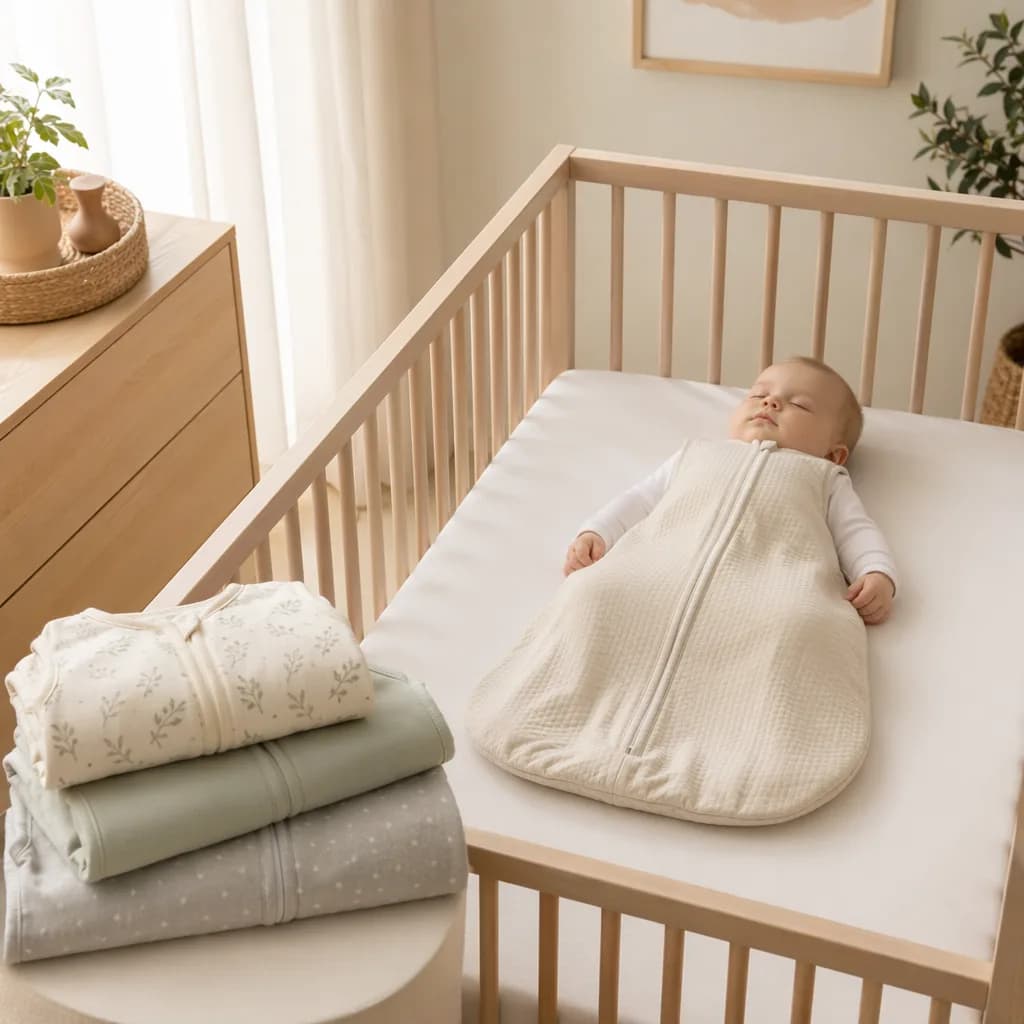 baby-sleep
Baby Sleep Sack Tog, Sizing, and Safety Guide
A calm guide to baby sleep sack TOG ratings, sizing, safe fit, and what to dress baby in for naps and bedtime.
11 min readJul 12, 2026 baby-sleep
Baby Nap Transitions: Ages, Signs, and Schedule Tips
Baby nap transitions can feel messy. Here’s when naps usually drop, the signs your baby may be ready, and simple schedule tips to make it gentler.
15 min readJul 3, 2026- baby-sleep
Newborn Sleep Basics for Calmer Days and Nights
Newborn sleep can feel messy at first. Learn what’s normal, why days and nights get mixed up, and how to build calmer sleep rhythms.
12 min readJul 3, 2026