
How to Wash Baby Clothes Without Irritating Skin
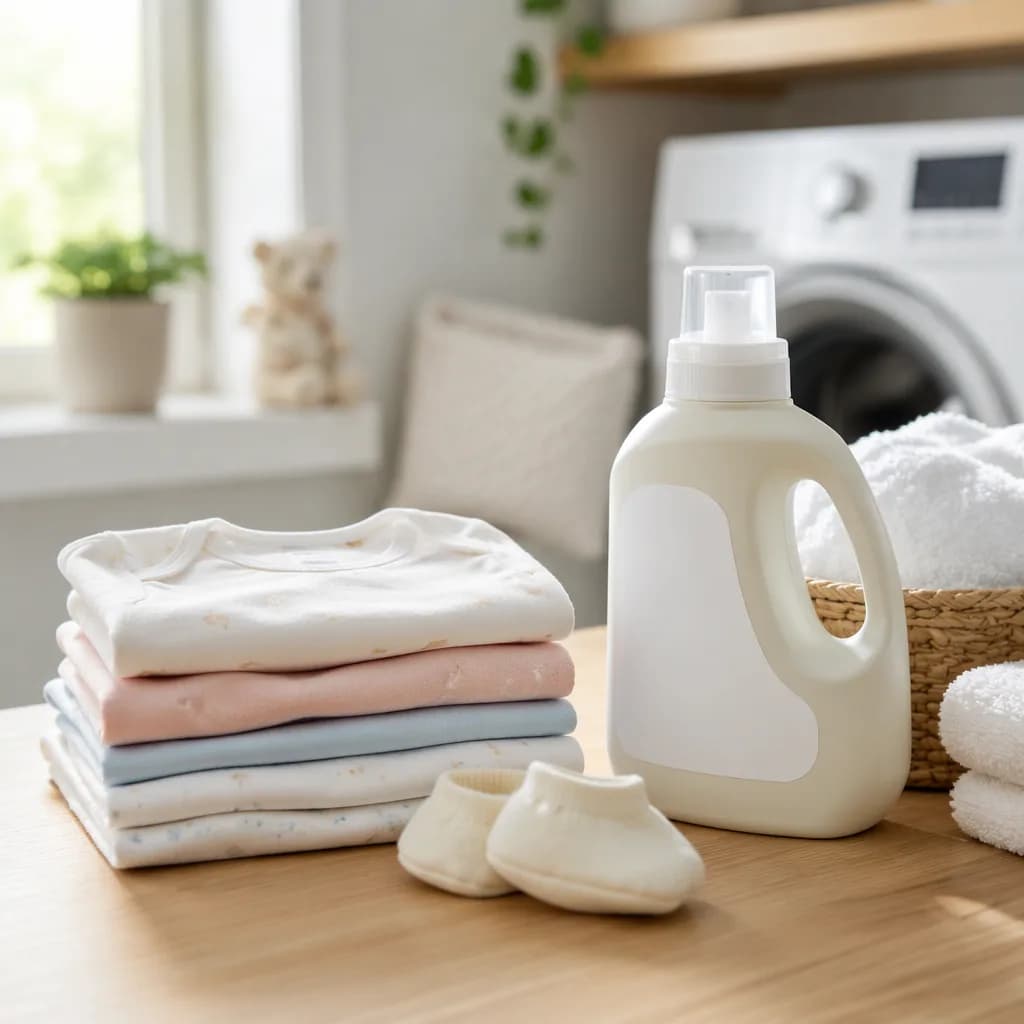
How to wash baby clothes step by step
Start with the care label. It’s a tiny step, but it saves a lot of sad laundry surprises, especially with sleepers, swaddles, knits, and anything with snaps, zippers, appliqué, or delicate trim. If the label says cool water or air-dry, believe it.
Next, sort the load in a way that matches real baby life. Keep colors together, separate heavier fabrics from light ones, and don’t toss a milk-stained burp cloth in with a tiny knit cardigan. Mess level matters. A blowout outfit may need stain treatment and its own wash plan.
Before anything goes into the machine, fasten snaps, close zippers, and turn printed pieces inside out. This helps reduce rubbing and wear, so those little pajamas last past the first few weeks.
Use a gentle cycle with warm or cold water unless the label says otherwise. Hot water can shrink some cotton pieces, so save it only for items that can handle it. Measure your detergent carefully, too. More soap doesn’t mean cleaner clothes. It can leave residue behind, which may bother sensitive skin.
If your baby has eczema, rashes, or very reactive skin, run an extra rinse. It’s a simple add-on that can help remove leftover detergent from fabric.
Dry on low heat, or air-dry anything that may shrink. Make sure clothes are fully dry before folding them into drawers or packing the diaper bag, since damp fabric can lead to mildew. Once the laundry rhythm feels easy, you can move on to the other baby prep jobs, like choosing a crib mattress or setting up the baby monitor.
Should you wash newborn clothes before baby wears them?
Yes. Washing newborn clothes before the first wear is a smart, gentle step. Tiny clothes can pick up dust, dyes, finishing chemicals, and store handling residue before they ever make it to your dresser. A quick wash helps remove those extras before the fabric sits against your baby’s skin.
Start with anything that will touch baby directly: onesies, sleepers, hats, socks, blankets, burp cloths, bibs, crib sheets, and swaddles. If you’re setting up the sleep space too, pair this with the basics from our Crib Mattress Buying Guide for Safer Baby Sleep, since clean bedding and a safe surface go hand in hand.
You don’t have to wash every single outfit right away. Keep tags on the pieces you might return, especially extra tiny sizes or seasonal outfits you’re unsure about. Wash what you know you’ll use first.
Short on time before baby arrives? Focus on newborn and 0-3 month basics, crib sheets, and a few blankets. Then add burp cloths, bibs, and the extras you’ll pack using our Diaper Bag Essentials for Newborns and Older Babies.
Secondhand baby clothes need washing too, even if they look spotless. Use a gentle detergent, dry everything completely, and fold it away clean. Then you can move on to the next nesting task, like reading a Baby Monitor Buying Guide for Safer Sleep while the dryer runs.
Choosing baby laundry detergent
For baby clothes, start simple. Look for a detergent that’s fragrance-free, dye-free, and made for sensitive skin, especially in those early months when every onesie, swaddle, and burp cloth spends so much time against your baby’s skin.
Skip fabric softeners, scent beads, fragranced dryer sheets, and heavily perfumed detergents. They can leave residue on fabric, and that leftover coating may be irritating for some babies. Clean doesn’t need to smell like lavender or “fresh linen.” Clean can just smell like nothing.
A regular free and clear detergent is often fine for baby laundry, as long as your baby’s skin tolerates it. You don’t always need a separate baby-branded bottle. If you’re already comparing newborn gear, like a crib mattress for safer baby sleep or a baby monitor, this is one place where the plain option may do the job beautifully.
Powder, liquid, and pods can all work. Liquid is especially handy for small baby loads because it’s easy to measure, and you can dab a little directly onto spit-up or diaper stains before washing.
Use the amount listed on the detergent label for your load size and soil level. Over-pouring is one of the most common baby laundry mistakes. More soap doesn’t mean cleaner clothes. It can mean more residue left behind.
If your baby develops redness where clothing touches the skin, try an extra rinse and switch to a simpler detergent before blaming the fabric. And for cloth diapers, follow the diaper brand’s wash directions. Diaper laundry has different detergent and rinse needs than everyday clothes, bibs, and the spare outfit tucked in your diaper bag.
How to remove baby clothes stains
Baby stains are easier when we catch them early. Fresh spit-up, formula, breast milk, baby food, and diaper leaks usually lift better than stains that have dried into the fabric, so it helps to keep a tiny stain plan in your head, right next to the mental list of diaper bag essentials.
Start with cool water for protein stains like milk, spit-up, poop, and baby food. Hot water can set the stain, which is deeply annoying when you’re already short on clean onesies. Rinse the mark from the back of the fabric when you can, so you’re pushing the mess out instead of deeper in.
Next, rub a small amount of gentle liquid detergent into the stain. Let it sit for 10-15 minutes, then wash according to the care label. If you’re dealing with yellow milk stains, soak the item in cool water with detergent before washing. Check the spot before drying.
Poop stains need a little extra patience. Remove any solids first, rinse from the back of the fabric with cool water, pre-treat with gentle detergent, and wash those pieces separately from lightly soiled clothes. It’s not fancy, but it works.
For greasy marks from diaper cream or food, use a tiny bit of dish soap right on the spot, rinse well, then wash with baby-safe detergent. This comes up a lot once babies start practicing with cups and meals, so if you’re planning ahead, our guide to the best cups for babies may help you cut down on some spills.
Avoid chlorine bleach on most baby clothes unless the care label says it’s okay. Oxygen-based stain removers may be gentler, but test first on a hidden area.
One last rule: don’t put stained clothes in the dryer until the mark is gone. Heat can make stains much harder to lift. Same goes for crib sheets after leaks, especially if you’re also thinking through sleep setup with a crib mattress buying guide or choosing a baby monitor for safer sleep. Clean, dry, simple. That’s the goal.
And if laundry is happening while you’re also naming a baby, feeding a baby, and trying to remember where the wipes went, you’re in good company. Some days you’re reading stain labels, some days you’re reading name meanings like Tanmay Suresh Upadhyay. Both count as preparation.
Sensitive skin and eczema laundry tips
If your baby has sensitive skin or eczema, simple and boring is usually the safest laundry plan. Pick one fragrance-free, dye-free detergent and stick with it for a while, so you’re not changing five things at once and wondering what caused the flare.
Skip the extras. That means no fabric softener, dryer sheets, wrinkle sprays, or scented laundry boosters on baby clothes, sleep sacks, burp cloths, crib sheets, or towels. Those products can leave a coating or scent behind, and some babies react quickly. If you’re also setting up sleep basics, our Crib Mattress Buying Guide for Safer Baby Sleep can help you think through the rest of the sleep space.
Soft cotton layers are a good place to start when you can. For hand-me-downs, wash them first before deciding they’re too scratchy. Sometimes a stiff onesie just needs a proper wash and rinse. If clothes still feel rough, smell strongly of detergent, or seem to bring on redness, run an extra rinse cycle.
At first, wash baby clothes separately if someone in the house uses scented detergent or fabric softener for adult laundry. It’s one less variable. Keep a small clean stash in your Diaper Bag Essentials for Newborns and Older Babies, especially if drool, spit-up, or cup practice is part of your day. Our Best Cups for Babies: Straw, Open, and Sippy Picks guide can help there too.
Don’t forget the washer. If it smells musty or has detergent buildup, clean it, since residue can transfer to tiny clothes.
If a rash keeps coming back, take a photo and call your pediatrician. Laundry changes can help irritation, but rashes can have other causes too.
How often to wash baby clothes, blankets, and bibs
A good rule: if it’s wet, smelly, or has a visible mess, wash it before baby wears it again.
Baby clothes should be washed after each wear if there’s spit-up, milk, drool, diaper leaks, or food on them. Tiny stains can set quickly, and damp fabric sitting against sensitive skin can be irritating. Pajamas are a little more flexible. If they stay clean and dry, they can usually be worn once or twice, though newborn sleepers often end up in the wash after one wear because leaks and spit-up are so common.
Bibs, burp cloths, and washcloths should go in the laundry after each use. They’re small, but they hold a lot of moisture, and damp fabric can sour fast. I like keeping a small stain basket or wet bag near the changing area, the same kind of practical habit that helps when packing diaper bag essentials for newborns and older babies.
Crib sheets are usually fine once a week, or sooner after leaks, spit-up, sweat, or illness. If you’re setting up the sleep space, our crib mattress buying guide for safer baby sleep and baby monitor buying guide for safer sleep can help with the bigger pieces too.
Blankets and swaddles can be washed after visible messes, heavy drool, or a few uses. Once babies start practicing with cups, you may also find more damp shirts in the hamper, especially while trying picks from our best cups for babies guide.
Common baby laundry mistakes to avoid
Baby laundry looks simple until a tiny sleeper comes out stiff, still stained, or smelling faintly sour. A few small tweaks can save you a lot of rewashing.
- Using too much detergent. More soap doesn’t mean cleaner clothes. It can leave residue in the fabric, which may feel scratchy and irritate sensitive skin.
- Washing everything on hot. Hot water can shrink baby clothes, fade colors, and wear out elastic faster. Check labels first, especially on sleepers, socks, and soft cotton layers.
- Letting stains sit for days. Milk, formula, and poop marks get harder to remove once they dry. If you’re out and about, stash the messy outfit in a wet bag with your diaper bag essentials, then treat it when you get home.
- Drying before checking stains. Heat can set stains into the fabric. Peek before tossing clothes in the dryer.
- Choosing scented products because they “smell clean.” Fragrance can backfire for babies with sensitive skin. Mild, fragrance-free detergent is usually the safer starting point.
- Overloading the washer. Tiny socks and folded sleepers need room to move and rinse well. A packed load can trap detergent and odor.
- Skipping mesh bags. Mittens, socks, and tiny hats love hiding inside larger items. Mesh bags help keep them together.
- Mixing diaper-leak clothes with barely worn outfits. Heavily soiled clothes can spread odor and lead to rewashing. Sort those separately, just like you’d carefully choose gear from a baby monitor guide, crib mattress guide, or baby cup list.
Frequently Asked Questions
What is the best way to wash baby clothes?
Use a gentle cycle, fragrance-free detergent, and the right water temperature for the fabric. Rinse well and dry fully before putting clothes away.
Do I need special baby laundry detergent?
Not always. A fragrance-free, dye-free detergent made for sensitive skin is usually enough, even if it isn’t labeled only for babies.
Should baby clothes be washed separately?
It can help during the newborn stage or if your family uses scented detergent. If everyone uses a gentle free and clear detergent, mixed loads are usually fine.
Can I use fabric softener on baby clothes?
It’s better to skip it. Fabric softeners and dryer sheets can leave fragrance and residue that may bother sensitive baby skin.
What temperature should I use for washing newborn clothes?
Warm or cold water works for most newborn clothes. Use the care label as your guide, and choose hot water only when the fabric allows it.
How do I get yellow stains out of baby clothes?
Rinse with cool water, pre-treat with gentle liquid detergent, soak if needed, then wash. Check the stain before drying.
Can baby clothes go in the dryer?
Most cotton baby clothes can go in the dryer on low heat, but delicate knits, special outfits, and shrink-prone items are safer air-dried.
Frequently asked questions
Should I wash baby clothes before the first wear?
What detergent is best for baby clothes?
Do baby clothes need a separate wash cycle?
Should I use fabric softener on baby clothes?
How do I wash baby clothes if my baby has eczema?
References
Sources
External research this article was grounded in.
Related reading
More from the journal → baby-products
Newborn Essentials Checklist: Buy This, Skip That
A calm newborn essentials checklist for what to buy now, what can wait, and what to skip so you can prep for baby without overbuying.
20 min readAug 3, 2026- baby-products
Car Seat Safety for Newborns: Fit, Position, Mistakes
Newborn car seat safety starts with fit: rear-facing straps, a snug harness, correct recline, and no bulky coats or extra padding.
12 min readAug 3, 2026 - baby-products
Babywearing for Beginners: Fit, Wraps, and Tips
New to babywearing? Start with simple fit checks, carrier types, and calm tips that help you carry baby safely and comfortably.
12 min readAug 3, 2026