
Newborn Essentials Checklist: What You Need
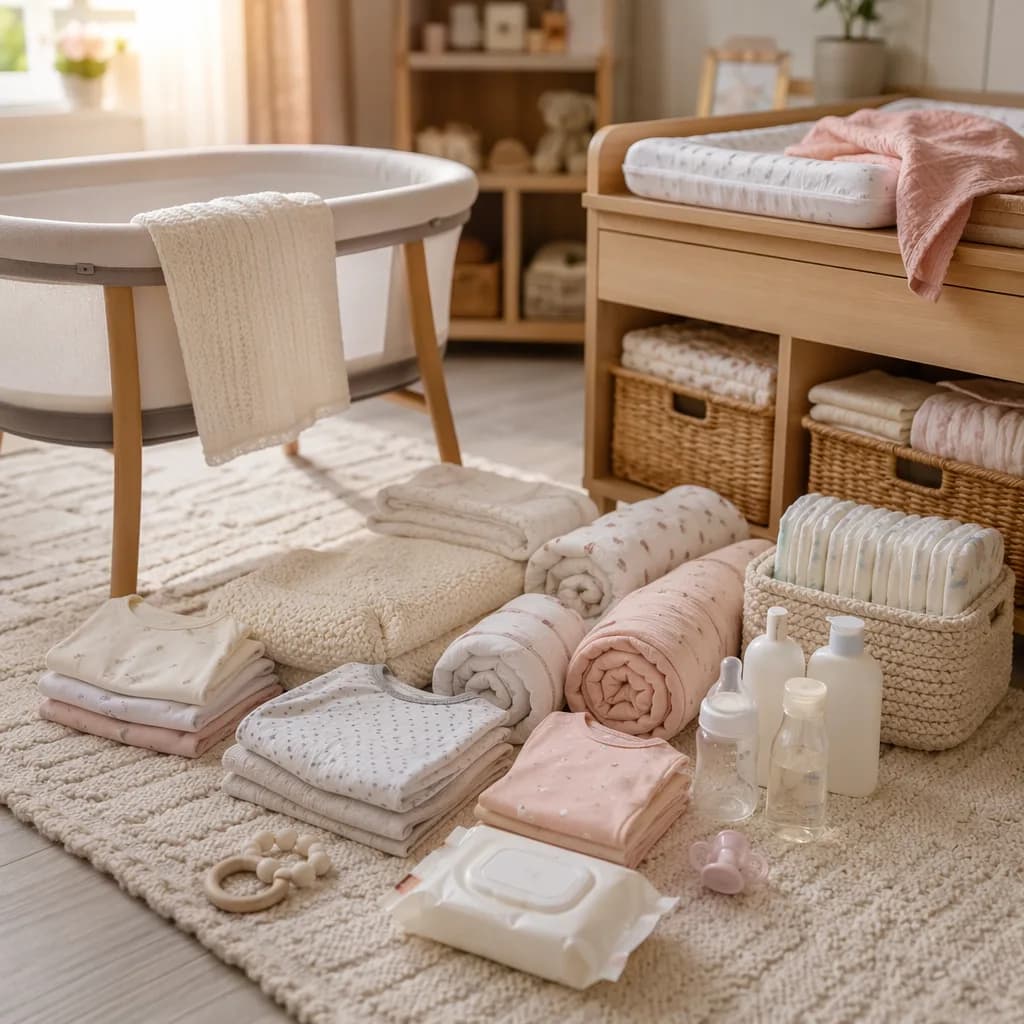
Newborn Essentials Checklist: The Short Version
When we’re preparing for a newborn, it’s easy to feel like we need everything before baby arrives. But for the first month, we can keep things beautifully simple: feeding, sleeping, diapering, warmth, comfort, and safe travel.
Here’s a quick must-have checklist by category:
Diapering
- Newborn disposable nappies or reusable cloth nappies
- Cotton wool or gentle, non-scented, alcohol-free wipes
- Changing mat or towel
- Barrier cream
Clothing
- At least 6 all-in-one sleepsuits or babygrows
- 4 to 6 vests or bodysuits
- Socks or booties
- Scratch mittens
- 2 cardigans in wool or cotton
- Weather-appropriate hat or snowsuit
Sleep
- Portable crib, carrycot, or moses basket
- Firm, flat mattress that fits snugly with no gaps
- Waterproof mattress cover
- At least 4 fitted sheets
- Sleeping bags, or sheets and a cellular blanket
Feeding
- If breastfeeding: nursing bras, breast pads, nipple cream, muslin squares
- If formula feeding: bottles, teats, caps, sterilising equipment, cleaning brushes, and formula
- Muslin squares for burping
Bathing and out-and-about
- Baby bath or washing-up bowl
- Towels
- Rear-facing infant car seat
- Fully reclining pushchair
- Blanket or shawl
- Nappy bag
What we need can vary depending on our feeding plans, climate, laundry access, and living space. Some items can wait, too, things like extra toys, a baby monitor, or a carrier may be helpful later rather than essential on day one. If we’re comparing options, this best baby monitor guide can help when the time comes.
Borrowing and buying secondhand can be a smart way to save, especially for clothes and toys. The main exceptions are the cot mattress and car seat, which should be new or carefully safety-checked. And while we’re making lists, it’s okay to enjoy the sweet extras too, like browsing names such as Olivia or Lucía.
Safe Sleep Essentials for a Newborn
When we’re setting up a newborn sleep space, simple really is best. We don’t need a picture-perfect nursery or every gadget on the registry, we just need a safe, calm place for baby to rest.
A newborn’s sleep surface should be firm and flat, with a mattress that fits snugly and leaves no gaps. The NHS lists a portable crib, carrycot, or Moses basket as suitable options, as long as the mattress is firm, flat, and well-fitted. A crib, bassinet, or play yard that meets current safety standards can all work well, so we can choose what fits our space and budget.
For bedding, we’ll want fitted sheets and a waterproof mattress protector. Having a few fitted sheets on hand makes those middle-of-the-night changes easier. The NHS suggests at least four fitted sheets, which can feel very practical once spit-up or nappy leaks enter the chat.
Instead of loose blankets, we can use baby sleeping bags, swaddles, or sleep sacks. These help keep baby warm without extra fabric in the sleep space. If we do use a blanket, the NHS recommends a cellular blanket rather than duvets or pillows, which should be skipped because of suffocation risk.
What can we leave off the list? Pillows, bumpers, positioners, weighted sleep products, duvets, and loose bedding. These are not newborn essentials, even if they look cozy.
And if we’re choosing extras, like a monitor, we can keep the same mindset: useful, not overwhelming. Our Best Baby Monitor: Audio vs Video Buying Guide can help. Then we can get back to the sweet stuff, like whether names such as Olivia or Lucía belong on the baby-name list.
Diapering Supplies You Actually Need
Diapering is one of those newborn essentials we’ll use constantly, so it helps to keep the setup simple and easy to restock.
For disposable diapers, start with a few packs of newborn diapers and a few packs of size 1 diapers. Babies can move through sizes quickly, and having both sizes ready gives us a little flexibility without overbuying. If we’re using cloth diapers, we’ll want a starter supply of reusable cloth nappies plus a plan for washing and drying them regularly.
For changes, the true basics are:
- Newborn diapers and size 1 diapers, or cloth diaper starter supplies
- Cotton wool or gentle, unscented, alcohol-free wipes
- Diaper cream or barrier cream to help protect baby’s skin
- A changing pad, towel, or washable mat
- A simple place to toss or store dirty diapers
A dedicated diaper pail can be helpful, especially if the changing area is far from the main trash. But it isn’t a must-have. A regular trash setup can work just fine if we take it out often, and cloth diapering families may prefer a washable wet bag or covered container.
Before baby arrives, we don’t need a mountain of diapers. A few newborn packs plus some size 1 diapers is a practical starting point, then we can adjust once we know baby’s size and what works for their skin.
And while we’re setting up the nursery, maybe debating gear like the best baby monitor or narrowing down names like Olivia and Lucía, this is one area where simple really is enough.
Feeding Must-Haves for Breastfeeding, Formula, or Both
Feeding a newborn can feel like its own full-time rhythm in the early days. Babies are busy learning life outside the womb, and eating is one of their biggest jobs. Whether we breastfeed, formula-feed, combination feed, or adjust plans along the way, it helps to keep the setup simple and flexible.
For breastfeeding, a few basics can make those frequent feeds more comfortable: nursing bras, breast pads, nipple cream, and plenty of muslin squares or burp cloths. A breast pump can be useful too, but it may not be something we need to rush into unless we already know we’ll be pumping. If latching or milk transfer feels tricky, it’s okay to ask a nurse or lactation consultant for help.
For formula feeding, the core items are straightforward: bottles with teats and caps, formula milk powder or ready-to-feed liquid formula, a bottle brush for cleaning bottles and teats, and sterilising equipment such as a cold-water steriliser, microwave steriliser, or steam steriliser. Muslin squares are handy here too, because burping and little spills are part of newborn life.
If we’re combination feeding, there’s a lot of overlap. Burp cloths, bottles, a bottle brush, and a calm feeding space are useful no matter what. We may also want nursing bras and breast pads if we’re breastfeeding some of the time, plus formula supplies for the feeds we bottle-feed.
The biggest money-saving tip is not to overbuy before we know our baby’s preferences. Some babies get on better with certain bottles or teats than others, and our feeding routine may change once baby arrives. Start with the essentials, then add what we actually use.
And while we’re planning practical baby gear, we can keep the rest of the list just as intentional, whether that’s choosing a monitor with this Best Baby Monitor: Audio vs Video Buying Guide or taking a sweet naming break with Olivia, meaning & origin and Lucía, meaning & origin.
Newborn Clothing: How Much to Buy
In the first few weeks, we can keep newborn clothing wonderfully simple. Babies don’t need a full wardrobe right away, just enough soft, easy pieces to get through feeds, naps, diaper changes, and the occasional surprise mess.
A practical starting point is:
- 6-10 bodysuits or onesies
- 4-8 zip sleepers or pajamas
- 4-6 pairs of socks or booties
- 1-2 soft hats
- 2-3 swaddles or sleep sacks
- 2 cardigans or light layers, especially in cooler weather
- A snowsuit for cold weather, or a sun hat for summer
Zipper sleepers are often the quiet heroes of newborn life. When we’re changing a diaper in the middle of the night, a simple zip is usually much easier than fiddly buttons, stiff fabrics, or “cute but complicated” outfits. Comfort, softness, and easy diaper access matter more than style right now.
For sizing, it helps to have a small mix. Some babies wear newborn size at first, while others move quickly into 0-3 months. If we’re unsure, buying fewer newborn pieces and a few more 0-3 month options can prevent overbuying. We can always add more once we know what fits best.
Laundry makes a difference too. If we plan to wash baby clothes every day or two, we can get by with fewer items. If laundry is less frequent, having a few extras reduces stress. Climate matters as well: warmer homes may need lighter layers, while colder months call for cardigans, socks, hats, and cozy outerwear.
And while we’re preparing the nursery, it’s fine to leave some decisions for later, whether that’s clothing extras, a name like Olivia or Lucía, or choosing the best baby monitor for our setup.
Bathing, Grooming, and Health Basics
For newborn bathing, we can keep things simple: a baby bathtub or sink insert, a few soft washcloths, gentle baby wash, and towels are enough to get started. Some families use a baby bath, while others use a clean washing-up bowl or sink setup that feels safe and manageable. We don’t need a full shelf of bath products in the early days, just the basics for keeping baby clean and comfortable.
For grooming and everyday health checks, it helps to have a small kit ready with baby nail clippers or a nail file, a thermometer, saline drops, and a nasal aspirator. Newborn nails can be surprisingly sharp, so having a gentle way to trim or smooth them can make cuddle time a little easier. A thermometer is useful to keep at home so we’re not searching for one when we’re worried.
It’s also wise to ask our pediatrician which first-aid items they recommend keeping on hand. Every baby is different, and medical guidance can help us feel more confident about what to use, when to use it, and what should wait.
In these early weeks, we can avoid using extra products too soon or without medical advice, especially anything meant to treat symptoms or go on delicate newborn skin. The goal is gentle care, not a crowded cabinet.
And while we’re setting up the nursery, maybe comparing the Best Baby Monitor: Audio vs Video Buying Guide or daydreaming over names like Olivia and Lucía, this little health-and-bath basket is one of the truly useful things to prepare.
Travel and Car Seat Essentials
Before baby arrives, it helps to have your car seat ready to go. For newborns, the NHS lists an infant car seat as an out-and-about essential, and it should be rear-facing. Whether we choose an infant seat or a convertible car seat that’s suitable from birth, the calmest plan is to install it before labor so that first ride home feels one step less overwhelming.
For getting around day to day, we can keep things simple. A pushchair with a fully reclining seat lets a newborn lie flat, while a baby carrier or sling can be helpful if we want to keep baby close and our hands free. The NHS notes that slings should hold baby upright and securely against our body, with baby’s face visible and airways clear. Their “TICKS” reminder is a good one: tight, in view, close enough to kiss, chin off chest, and supported back.
For short trips, a diaper bag doesn’t need to be fancy. Think nappies, gentle wipes or cotton wool, a changing mat or towel, barrier cream, muslin squares, and a spare outfit. We can add feeding supplies depending on whether we’re breastfeeding or formula feeding.
A few safety habits are worth building in from the start: use the car seat as directed, skip add-ons that didn’t come with it, and make sure the harness fits snugly without bulky layers getting in the way.
And if we’re researching baby gear during quiet moments, maybe while debating names like Olivia or Lucía, we may also like this guide to choosing the best baby monitor.
Comfort, Soothing, and Everyday Convenience Items
Newborn days are mostly about feeding, sleeping, changing, and cuddling, so the “extras” we choose should make those rhythms a little easier, not add more clutter or pressure.
A few comfort items can be genuinely helpful:
- Pacifiers: Babies love and need to suck, and a pacifier can help soothe some newborns. If we’re breastfeeding, it’s often best to wait until breastfeeding is well established before offering one.
- Burp cloths or muslin squares: Simple, useful, and easy to keep nearby during feeds.
- Receiving blankets: Handy for wrapping, cuddling, and keeping baby warm when needed.
- White noise machine: Optional, but some families find steady background sound calming.
- A safe place to set baby down while awake: A firm, flat, safe surface nearby can be helpful when we need both hands for a moment.
Other items, like swings, bouncers, and extra loungers, can be nice to have, but they’re not essential. Some babies love motion; others prefer being held close. If space or budget is tight, we can wait and see what our baby’s temperament is like before buying more gear.
The key reminder: swings, bouncers, loungers, and similar items are for supervised awake time only. They are not a replacement for a safe sleep space.
As we build our setup, we can also think through small practical choices, like whether a monitor fits our home with this Best Baby Monitor: Audio vs Video Buying Guide, and maybe take a sweet naming break with Olivia, meaning & origin or Lucía, meaning & origin.
Baby Registry Must Haves vs. Nice-to-Haves
When we’re building a baby registry, it’s easy to feel like every tiny product is essential. But newborn life is beautifully basic: feeding, sleeping, diapering, bathing, warmth, comfort, and safety. The true must-haves are the items that support those needs from day one.
For most families, registry essentials include newborn nappies, cotton wool or gentle non-scented alcohol-free wipes, a changing mat or towel, barrier cream, simple baby clothes, safe sleep basics, towels, an infant rear-facing car seat, and feeding supplies that match how we plan to feed. For sleep, we’ll want a portable crib, carrycot, or Moses basket with a firm, flat mattress that fits snugly, plus fitted sheets and either sleeping bags or sheets with a cellular blanket. Duvets and pillows are best left off the newborn list because of suffocation risk.
Nice-to-haves are the upgrades that may make life easier, but don’t need to be bought all at once. A baby sling or carrier, for example, can be lovely for keeping baby close, but we’ll want to learn safe use first and make sure baby stays upright, visible, close enough to kiss, with chin off chest and back supported. A monitor may also be optional depending on our home setup; if we’re unsure, this Best Baby Monitor: Audio vs Video Buying Guide can help us compare before adding one.
The biggest overbuying regrets often come from stocking up too early: too many tiny newborn outfits, too many of one bottle type, or specialty gear that promises easier sleep before we know our baby’s preferences. Babies grow and change quickly, and feeding can take some trial and adjustment.
A balanced registry strategy is to include true essentials, gift cards, larger clothing sizes, and a few postpartum parent supplies. We can also make the registry feel personal with name inspiration, whether we’re drawn to classics like Olivia or international favorites like Lucía. Specialty items can wait until we know what our baby, and we, actually need.
What You Do Not Need for a Newborn Right Away
The newborn stage is beautifully simple in many ways: babies are mostly focused on feeding, sleeping, staying clean, feeling warm, and being comforted. So while it’s easy to feel like we need to buy everything before baby arrives, plenty of items can wait.
A high chair, weaning supplies, and large feeding gear for solids won’t be needed in the early newborn months. Toys can also be minimal at first; your face, voice, cuddles, and gentle interaction are already wonderfully engaging. Shoes are another easy skip, since newborns aren’t walking, soft socks or booties are usually enough. And while nursery decor can be fun, elaborate themes, shelves of accessories, and lots of extras aren’t essential before baby comes home.
Some items are best avoided altogether if they’re unsafe or outdated. For sleep, choose a firm, flat mattress that fits snugly with no gaps, and avoid duvets or pillows because of suffocation risk. If we use a sling or carrier, we’ll want to follow safety guidance carefully: baby should be upright, close, visible, supported, and able to breathe clearly.
Delaying purchases can save money and precious storage space. It also lets us learn what our own baby actually likes and what our daily routines really need. Maybe we’ll decide later that a monitor would help, and we can compare options with a guide like Best Baby Monitor: Audio vs Video Buying Guide. Until then, we can keep things simple, and maybe spend the extra time enjoying name ideas like Olivia or Lucía.
Printable Newborn Essentials Checklist by Category
When we’re getting ready for a newborn, it helps to keep the list simple: feeding, sleeping, diapering, clothing, comfort, safety, and a few basics for leaving the house. Here’s a consolidated checklist we can use before the due date.
Sleep
- Essential: Portable crib, carrycot, or Moses basket
- Essential: Firm, flat mattress that fits snugly with no gaps
- Essential: Waterproof mattress cover
- Essential: At least 4 fitted sheets
- Essential: 2 sleeping bags, or sheets and a cellular blanket
- Avoid: Duvets and pillows, because of suffocation risk
- Optional: Baby monitor, if we’re deciding what fits our home, this audio vs video baby monitor guide can help
Feeding
- Essential if breastfeeding: Nursing bras, breast pads, nipple cream, muslin squares
- Optional: Breast pump
- Essential if formula feeding: Bottles with teats and caps, sterilising equipment, bottle brushes, formula, muslin squares
Diapers
- Essential: A few packs of newborn disposable nappies or reusable cloth nappies
- Essential: Cotton wool or gentle, non-scented, alcohol-free wipes
- Essential: Changing mat or towel
- Essential: Barrier cream
Clothing
- Essential: 6-10 onesies or all-in-one sleepsuits
- Essential: 4-8 zip sleepers or pajamas
- Essential: 4-6 vests or bodysuits
- Essential: Socks or booties
- Essential: 1-2 soft hats, season-appropriate
- Optional: 2 cardigans
- Wait-and-see: Extra outfits beyond the basics
Health and Comfort
- Essential: Scratch mittens if needed
- Optional: Pacifiers, especially once breastfeeding is well established if nursing
- Wait-and-see: Extra soothing gadgets or sleep products
Bath
- Essential: Baby bath or clean washing-up bowl
- Essential: Towels
Travel
- Essential: Rear-facing infant car seat
- Essential: Pushchair with a fully reclining seat
- Essential: Blanket or shawl
- Essential: Nappy bag
- Optional: Sling or carrier, used with safe positioning
Before baby arrives, we can do one final review: somewhere safe to sleep, a way to feed, nappies, simple clothes, and a safe ride home. The rest can come later. And if we’re still choosing a name while we pack the hospital bag, we might enjoy looking at gentle favourites like Olivia or Lucía.
Frequently Asked Questions
What are the absolute essentials for a newborn?
A safe sleep space, diapers, wipes, feeding supplies, basic clothing, burp cloths, a car seat, and simple health and bath items.
How many newborn outfits do I need?
Most families need about 6 to 8 sleepers or bodysuits, plus a few seasonal layers, depending on laundry frequency.
What should I not put on a baby registry?
Avoid unsafe sleep products, too many newborn clothes, lots of one bottle type, shoes, and items you will not use for several months.
Do I need a crib before the baby is born?
Not necessarily. A safety-approved bassinet, crib, or play yard with a firm, flat mattress is enough for newborn sleep.
How many diapers should I buy before birth?
Have one small pack of newborn diapers and one box of size 1 diapers, since babies can outgrow newborn size quickly.
Are baby swings and bouncers newborn essentials?
No. They can be helpful for supervised awake time, but they are optional and should never be used for routine sleep.
Frequently asked questions
What are the most important newborn essentials?
How many newborn clothes do I need to start with?
What does a newborn need for safe sleep?
What newborn items can wait?
References
Sources
External research this article was grounded in.
Related reading
More from the journal →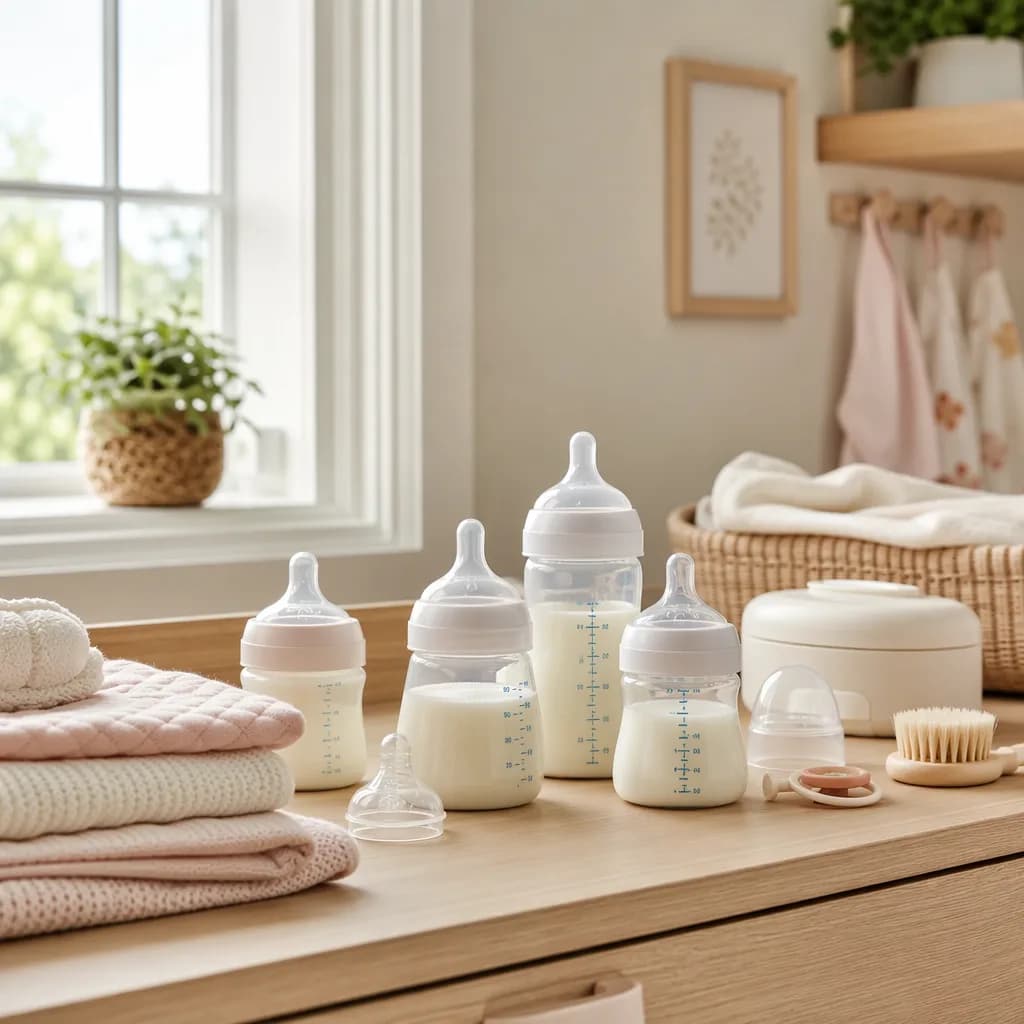 gear
gearBaby Bottle Sizes and Nipples: What Fits Your Baby
A calm guide to baby bottle sizes, nipple flow, and what to try first so feeds feel easier from newborn days through bigger bottles.
11 min readJul 29, 2026 gear
gearDiaper Bag Checklist for Newborns and Older Babies
Pack a calmer diaper bag with age-by-age newborn and older baby checklists, diaper math, outfit extras, feeding supplies, and parent must-haves.
13 min readJul 3, 2026- gear
Baby Carrier Buying Guide for New Parents
Not sure which baby carrier to buy? Start with real life: newborn naps, quick errands, longer walks, caregiver fit, safety, and easy cleaning.
14 min readJul 3, 2026