
Newborn Visitors: Calm Rules for Family Visits

Plan the first visits before baby arrives
The easiest time to set newborn visitor rules is before anyone is standing at your door holding flowers.
Start by deciding who gets invited in those first few days. For some families, that means grandparents only. For others, it’s close family who will actually help. And for plenty of parents, it means no visitors until you’re home, showered, fed, and ready to see people. Baystate Health notes that there are no universal rules for when people should meet a newborn, and Dr. Marcia VanVleet says the choice is ultimately up to the parents.
It helps to be specific.
Choose visit lengths ahead of time. A 30-minute visit can be plenty for a brand-new baby and two exhausted parents. You can always invite someone to stay longer if it’s going well, but it’s much harder to politely end a visit when you’re sore, leaking milk, or watching the baby start to fuss.
Pick a visiting window that works around feeds, naps, and your recovery. Not everyone else’s schedule. If mornings are rough, don’t offer mornings. If evenings feel chaotic, protect them. If grandparents are choosing names for themselves already, you can send them this sweet list of Grandparent Names for Every Style and Family while still keeping the visit short.
Send one clear message before birth so no one has to guess:
We can’t wait for you to meet her. We’ll invite visitors once we’re home and settled.
That’s warm and firm. If you need more wording, these Grandparent Boundaries After Baby: Scripts That Work can help.
One more sanity-saver: make one parent the point person for texts and scheduling. The recovering parent shouldn’t have to manage everyone’s feelings while healing and learning a newborn. They can focus on the baby, whether you’re still deciding between names like Aurora or reading through a meaningful full name like Tanmay Suresh Upadhyay.
Set simple rules for newborn visitors
Newborn visits go better when the rules are simple, kind, and said before anyone is standing at your door with flowers.
A good starting list is: wash hands when you arrive, stay home if you’re sick or recently exposed to something contagious, skip kisses on baby’s face and hands, and keep the visit short. Baystate Health’s Dr. Marcia VanVleet says newborns are especially vulnerable to infections in the first few months, and parents may choose to hold off on some visits until around 3 months if that feels right for their family.
Ask everyone to check in before coming over, even grandparents who live five minutes away. Surprise visits can feel heavy in those early newborn weeks, especially when you’re feeding, recovering, or finally sitting down with coffee that’s still warm. If you’re working through expectations with excited relatives, these grandparent boundary scripts can help you say the quiet part kindly.
Be specific about illness. “Not feeling well” includes a sniffle, cough, fever, stomach bug, cold sore, or recent exposure to a contagious illness. Dr. VanVleet recommends waiting at least two weeks after exposure, and not visiting while sick. Even a mild cough in an adult can be serious for a newborn.
Vaccines are another piece to decide ahead of time. Baystate Health recommends adults be up to date on vaccines like flu, COVID-19, and pertussis (whooping cough) before visiting a newborn. Ask your pediatrician what they recommend for your baby, especially if your baby was premature, has health concerns, or it’s cold and flu season. If RSV prevention comes up, let your baby’s doctor guide that call too.
You can keep the tone warm and still be firm:
“We’re keeping visits short and germ-free for now. Please wash hands when you arrive and skip kisses until she’s older.”
And if Grandma-to-be is already choosing her name, send her this sweet list of grandparent names while you send the rules. Keeps things light.
Introduce baby to grandparents without pressure
Start with what feels manageable, not what everyone else expects. Some parents genuinely want grandparents at the hospital. Others need the first day at home to be quiet, dim, and slow, with feeding supplies on the couch and nobody asking where the mugs are.
Both are okay.
The word “introduce” can mean bringing someone into a first meeting, and that’s exactly what this is: baby and grandparents meeting for the first time. It doesn’t have to be a big event. It can be ten calm minutes after a nap.
If you can, tell grandparents the plan early. A simple text helps: “We’re going to keep the hospital quiet, then we’ll invite grandparents over once we’re settled at home.” That way, they don’t feel pushed away or surprised. If you need more language for tricky family dynamics, these grandparent boundary scripts can help you say it kindly and clearly.
If one side meets baby first, name the practical reason. “My mom is coming first because she’s watching Maya during the birth.” Or, “Your parents are closer, so they’ll stop by first, then we’ll plan a visit with mine this weekend.” Distance, timing, and who is actually helping all matter.
Give grandparents a job that helps instead of a visit that drains you. They can bring dinner, fold towels, walk the dog, or sit with baby while you shower. If they’re choosing what they want to be called, you can send them this list of grandparent names for every style and family as a sweet little project.
Protect feeding and recovery time without overexplaining. “I’m going to take her back now.” That’s enough for nursing, pumping, bottle feeding, or skin-to-skin.
And if an in-person visit has to wait, photos and video calls count. A sleepy newborn named Aurora on FaceTime still gives grandparents a first glimpse. So does a quick photo of Tanmay Suresh Upadhyay wrapped in a blanket, even if the real cuddle comes later.
Keep visits calm once people arrive
Once visitors are in the house, the goal is simple: keep the baby safe, keep the room calm, and keep you from feeling like you’re hosting a party in your pajamas.
Start with the room itself. Dim the lights if you can. Keep voices low. If five people came over, you don’t need all five hovering near the baby at once. A quiet living room with one grandparent sitting nearby feels very different from a bright room full of excited chatter.
Before anyone holds the baby, ask them to sit down first. This is especially helpful with grandparents who are emotional and young cousins who are thrilled but wiggly. You can say, “Have a seat and I’ll bring her to you.” Calm, clear, done.
Put hand sanitizer near the door, or tape up a small note that says, “Please wash or sanitize hands before coming in.” It saves you from repeating yourself every ten minutes. Baystate Health’s newborn visiting guidance includes handwashing, staying home when sick, and avoiding kisses, so this isn’t you being fussy. It’s basic newborn care.
Have an ending line ready before you need it. Try: “We’re going to feed her and rest now. Thanks for coming.” You don’t have to overexplain. If you need more wording for pushy moments, the scripts in Grandparent Boundaries After Baby: Scripts That Work can help you sound kind and firm at the same time.
And no, the baby does not need to be passed around.
Holding the baby is not the price of admission for visiting. Some guests can admire from the couch, bring soup, fold burp cloths, or chat quietly about Grandparent Names for Every Style and Family while you keep baby tucked against you.
Watch the baby more than the adults. If baby cries, fusses, roots, or turns away, take baby back. No permission needed.
Maybe your baby’s name has a calm meaning, like Tanmay Suresh Upadhyay, or a bright one, like Aurora. Either way, your baby gets to set the pace.
Handle advice, comments, and hurt feelings
Even loving relatives can say the thing that makes your shoulders climb up to your ears.
Have a few calm lines ready before visits start. Simple works best: “We’re following our pediatrician’s advice,” “This is what works for us right now,” or “We’re keeping visits short while we recover.” You don’t need a speech. You need a sentence you can repeat while holding a newborn and running on broken sleep.
Try not to get pulled into long debates about sleep, feeding, pacifiers, or who gets to hold the baby. New parents don’t need a committee. If someone says, “We always let babies sleep in the swing,” you can answer, “I hear you. We’re doing it this way.” Then change the subject to something safer, like whether they’ve picked their grandparent name yet. If they haven’t, send them to Grandparent Names for Every Style and Family and let that be the conversation instead.
If someone takes a boundary personally, stay kind and steady. The rule is about your baby’s health and your recovery, not their importance in the family. Newborns are especially vulnerable to infections, and Baystate Health notes that the first 3 months are the most critical for limiting exposure. So “Please wash your hands before holding her” isn’t a judgment. It’s care.
Let your partner handle their own family whenever possible. It usually lands better from the person they raised, especially if the message is, “We love you, and we’re asking everyone to follow the same rules.”
Warmth and firmness can sit in the same sentence. “We can’t do visitors today, but we’d love a meal drop-off,” is still loving. For more wording, keep Grandparent Boundaries After Baby: Scripts That Work handy.
And if family starts debating names like Aurora or Tanmay Suresh Upadhyay, smile if you can. Some opinions don’t need a response.
Adjust visitor rules for preemies or health concerns
If your baby was premature, spent time in the NICU, or has medical needs, this is the moment to ask the pediatrician what visitor limits make sense. You don’t have to guess. A quick message like, “Who can visit, where should visits happen, and what should we ask people to do first?” can give you clear rules to repeat.
You may need tighter boundaries during RSV, flu, or COVID-19 surges too. Newborns have weak immune systems, and Baystate Health notes that the first 3 months are the most critical time for limiting illness exposure. That can feel hard when grandparents are excited, siblings are curious, and everyone’s been saving name ideas from lists like Grandparent Names for Every Style and Family. Still, safety gets to come first.
Family can feel included without holding the baby indoors. Try a short outdoor hello from a few feet away, a window visit with coffee on the porch, or a video call while baby stretches after a nap. Send a photo with the name announcement, whether you chose something classic like Aurora or a meaningful full name like Tanmay Suresh Upadhyay.
Be plain and calm:
“Her doctor asked us to avoid indoor visitors for now. We’ll send pictures and plan a visit when it’s safer.”
You don’t need to apologize for following medical advice. People can be disappointed and still respect the boundary. If someone pushes, use a short repeatable line from Grandparent Boundaries After Baby: Scripts That Work, then stop explaining.
Sample messages for setting boundaries with visitors
The word “introduce” can mean helping people meet for the first time, and with a newborn, that first meeting gets to happen on your terms. Tiny babies are still vulnerable to infections like RSV, flu, and COVID-19, and Baystate Health notes that the first 3 months are the most critical time to limit exposure. So yes, you can be warm and firm at the same time.
Before birth, try sending one clear group text:
“We’re excited for everyone to meet the baby. We’ll text once we’re ready for short visits at home.”
This sets the plan before anyone is standing on your porch with flowers and a casserole. If you’re already thinking through family roles, names, and expectations, our list of Grandparent Names for Every Style and Family can be a sweet, low-pressure place to start.
For grandparents, be specific. People do better with a time, not a vague “come by sometime.”
“We’d love for you to come Saturday from 2 to 3. Please wash hands when you arrive and skip kisses for now.”
Handwashing, avoiding kisses, and keeping visits short are all reasonable newborn precautions. If a grandparent pushes back, you might like these extra Grandparent Boundaries After Baby: Scripts That Work.
For illness, don’t soften it so much that the message gets lost.
“Let’s reschedule. Even mild symptoms feel risky with a newborn, and we’d rather be cautious.”
For surprise visits:
“Today isn’t a good day for visitors. Please text first next time so we can make sure we’re up for it.”
For long visits:
“We’re going to rest now. Thanks for coming and for understanding that visits are short right now.”
And if you don’t want anyone holding the baby yet:
“I’m going to keep him with me for this visit, but we’re so glad you came to meet him.”
If you’re still choosing a name to introduce along with the baby, you might enjoy browsing meanings like Aurora or Tanmay Suresh Upadhyay. Keep the tone simple. Kind is enough. Firm is allowed.
Frequently Asked Questions
When should newborn visitors come over?
Whenever the parents feel ready. Some families welcome grandparents right away, while others wait several days or weeks.
How long should a newborn visit last?
About 20 to 45 minutes is often plenty in the early weeks, especially if the parent is healing or baby needs to feed.
What are the basic rules for visiting a newborn?
Wash hands, come only when healthy, avoid kissing baby, keep visits short, and always ask before holding or stopping by.
Is it rude to say no to newborn visitors?
No. It's okay to protect recovery, feeding, sleep, and baby's health. A kind, clear no is still respectful.
Should grandparents meet the baby first?
Only if that works for the parents. Timing can depend on recovery, distance, hospital rules, sibling care, and baby's health.
How do you tell family not to kiss the baby?
Say it plainly before the visit: "Please don't kiss the baby yet. We're being careful about germs while she's so new."
Frequently asked questions
When should family visit a newborn?
What rules should newborn visitors follow?
How do I tell family not to kiss my newborn?
Is it okay to say no to visitors after having a baby?
References
Sources
External research this article was grounded in.
- INTRODUCE | English meaning - Cambridge Dictionarydictionary.cambridge.org
- Visiting a Newborn: What Parents and Guests Should Knowbaystatehealth.org
- Newborn Visitor Guidelines: What Parents Should Know — Scripps Healthscripps.org
Related reading
More from the journal →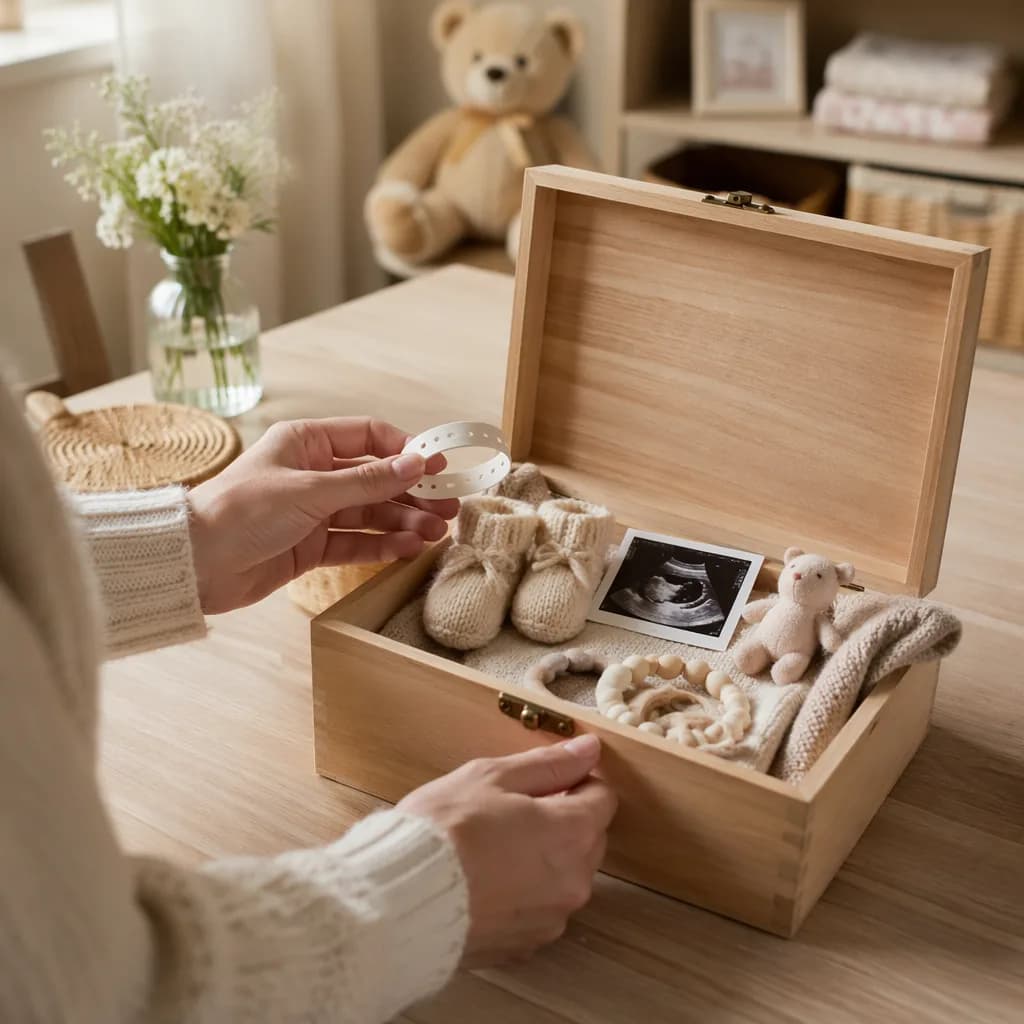 family
How to Build a Simple Baby Memory Box at Home
Build a simple baby memory box with the keepsakes that matter most, from hospital bracelets to first outfits, without turning it into clutter.
11 min readJul 19, 2026 family
How to Ask Family for Help After Baby, Guilt-Free
Asking family for help after baby can feel awkward. Here are guilt-free scripts, clear tasks, and gentle boundaries that make support easier to accept.
11 min readJul 13, 2026 family
How to Create a Family Baby Name List Without Drama
Build a family baby name list with less pressure, clearer boundaries, and room for meaningful names from both sides of the family.
13 min readJul 7, 2026