Quick facts
Last updated July 2026
What it means
“Adedamola Oluwasindara Oshodi is a Yoruba unisex name with a prayerful, honor-filled feel. Adedamola is often understood around crown, royalty, and wealth, while Oluwasindara carries a God-centered sense of wonder or divine goodness.”
Adedamola Oluwasindara Oshodi has a full, musical sound: open vowels, gentle consonants, and a steady Yoruba rhythm that feels both dignified and affectionate. It’s the kind of name that doesn’t rush. Each part has room to breathe. In Yoruba naming style, names often carry meaning beyond simple identification. They can hold family hope, gratitude, faith, birth circumstances, lineage, or a blessing spoken over the child. Adedamola is commonly read as a name built around “ade,” meaning crown, a deeply important image in Yoruba names. Crown names often suggest honor, cherished status, dignity, or the idea that a child is received as someone of value. The rest of the name is often interpreted with a sense of wealth, goodness, or blessing joining that royal image. So parents may hear Adedamola as something like “the crown has joined wealth” or “royalty is joined with blessing.” Oluwasindara has a more directly devotional sound. “Oluwa” is widely used in Yoruba theophoric names, meaning Lord or God. Names beginning with Oluwa often express thanks, trust, awe, or a family’s sense that God has acted kindly. Oluwasindara is generally understood as pointing to God’s wonder-working goodness, sometimes heard as “God still does wonders” or “the Lord is still doing good things.” It has a tender confidence to it. Not loud. Just deeply assured. Oshodi functions here as the family name. As with many Yoruba surnames, it can carry lineage weight and family history, though a careful meaning should come from the family’s own account if one is available. Put together, Adedamola Oluwasindara Oshodi feels ceremonial, faithful, and richly Nigerian Yoruba in style. It suits a child whose name is meant to be said with pride at home, at school, and in adulthood.
Why parents love it
Parents love Adedamola Oluwasindara Oshodi because it feels substantial in the best way. It has history in its bones, faith in its center, and a sound that rolls beautifully once you learn the rhythm. This is a name for families who want more than something short and fashionable. Adedamola gives a child the image of a crown, which can feel like a daily reminder of worth and dignity. Oluwasindara adds gratitude and wonder, the feeling of a parent looking at their child and thinking, “God has done something good here.” Oshodi finishes it with family identity, which matters. A child can grow into a name like this. It’s also more flexible than it first appears. At home, you might use Damola, Mola, Dara, or Ade. In formal settings, the full name has presence. On a graduation program or a professional email signature, Adedamola Oluwasindara Oshodi looks distinguished and memorable. If you’re raising a child across cultures, this name gives you a lovely opportunity to teach pronunciation, heritage, and pride early. A teacher may need a little help the first week. That’s okay. Children learn quickly when adults model respect: “It’s ah-deh-dah-MOH-lah.” Simple, calm, and proud.
Heritage
Yoruba names are often chosen with real care. A name may respond to what a family has survived, what they prayed for, the child’s birth order, the day’s emotions, or the elders’ hopes for the baby’s future. In many Yoruba families, a naming ceremony is a meaningful early event, and the name is not treated as a random label. It is part blessing, part memory, part identity. Adedamola fits into a beloved Yoruba pattern of “Ade” names. Ade means crown, and crown names can signal honor, nobility, family pride, and a sense that the child is precious. These names don’t have to mean literal royalty in everyday use. For many parents, the crown image is emotional and spiritual: this child is valued, this child carries dignity, this child arrives with blessing. Oluwasindara belongs to another familiar Yoruba pattern: names that begin with Oluwa. These names reflect faith in God and are especially common among Yoruba Christian families, though the broader idea of God-centered naming has deep cultural resonance. A name like Oluwasindara can feel like a testimony spoken gently every time the child is called. It says, in effect, that God’s goodness is still visible. There are practical cultural considerations too. Yoruba is tonal, so the exact meaning of a name can depend on tone marks and family pronunciation. In English-speaking settings, tone marks are often left off, which can flatten the sound a bit. Families may still teach the home pronunciation with pride. If you’re choosing this name outside a Yoruba community, it’s wise and respectful to learn the pronunciation from Yoruba speakers or from the child’s family elders if possible.
Not enough popularity data to chart yet.
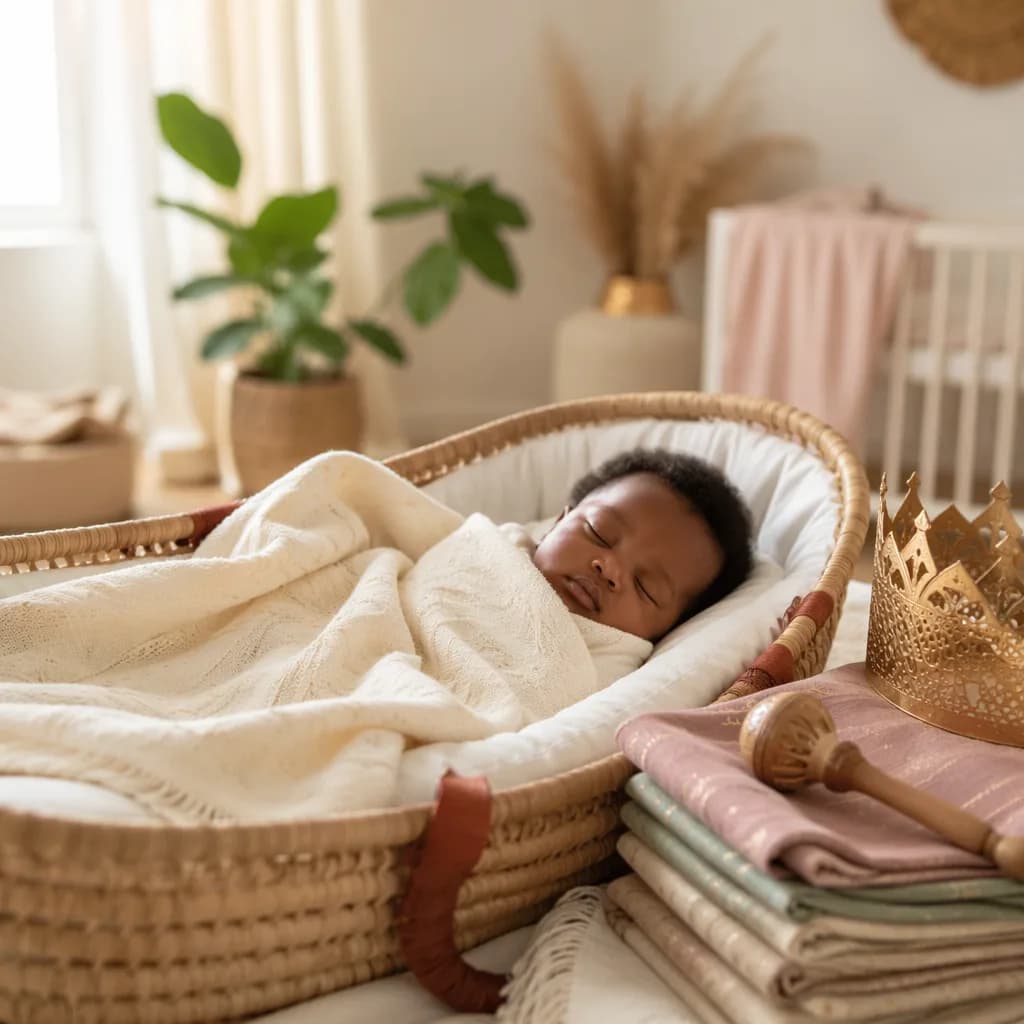
The crown imagery in Adedamola gives the name a poised, self-respecting feeling.
Oluwasindara brings a gentle spiritual confidence, like a family saying they’ve seen goodness and still believe in it.
The repeated open vowel sounds make the full name feel approachable, even though it is long and formal.
With three distinctive Yoruba name elements, this is a name people are likely to remember after hearing it once or twice.
The surname Oshodi gives the full name a family-rooted finish, so it feels connected to lineage rather than just style.
Original
Adedamola Oluwasindara Oshodi
Transliterations
Grace pairs naturally with the faith-centered meaning of Oluwasindara and gives the long Yoruba name an easy English-language bridge.
Ife means love in Yoruba, so it keeps the full name culturally connected while adding a short, soft middle element.
James is crisp and familiar, which can balance the length and musical rhythm of the Yoruba names.
Naomi has a warm, vowel-rich sound that sits comfortably beside Adedamola without competing with it.
Zion gives the full name a modern spiritual note and works well for families who like strong faith imagery.
Adeola echoes the crown theme in Adedamola, creating a layered Yoruba pairing with a strong family-name feel.
Pair two names and see how they sound, flow, and feel together.
Generate a soothing personalised bedtime story starring your child.
Reveal the life-path and destiny numbers hidden in a baby name.
Playful, name-based personality sketch to share with friends.
No stories for Adedamola Oluwasindara Oshodi yet. Be the first!