Quick facts
Last updated August 2026
What it means
“Arran is a Scottish place name from the Isle of Arran in the Firth of Clyde. Its meaning is uncertain, though it may come from a Brythonic phrase meaning "high place."”
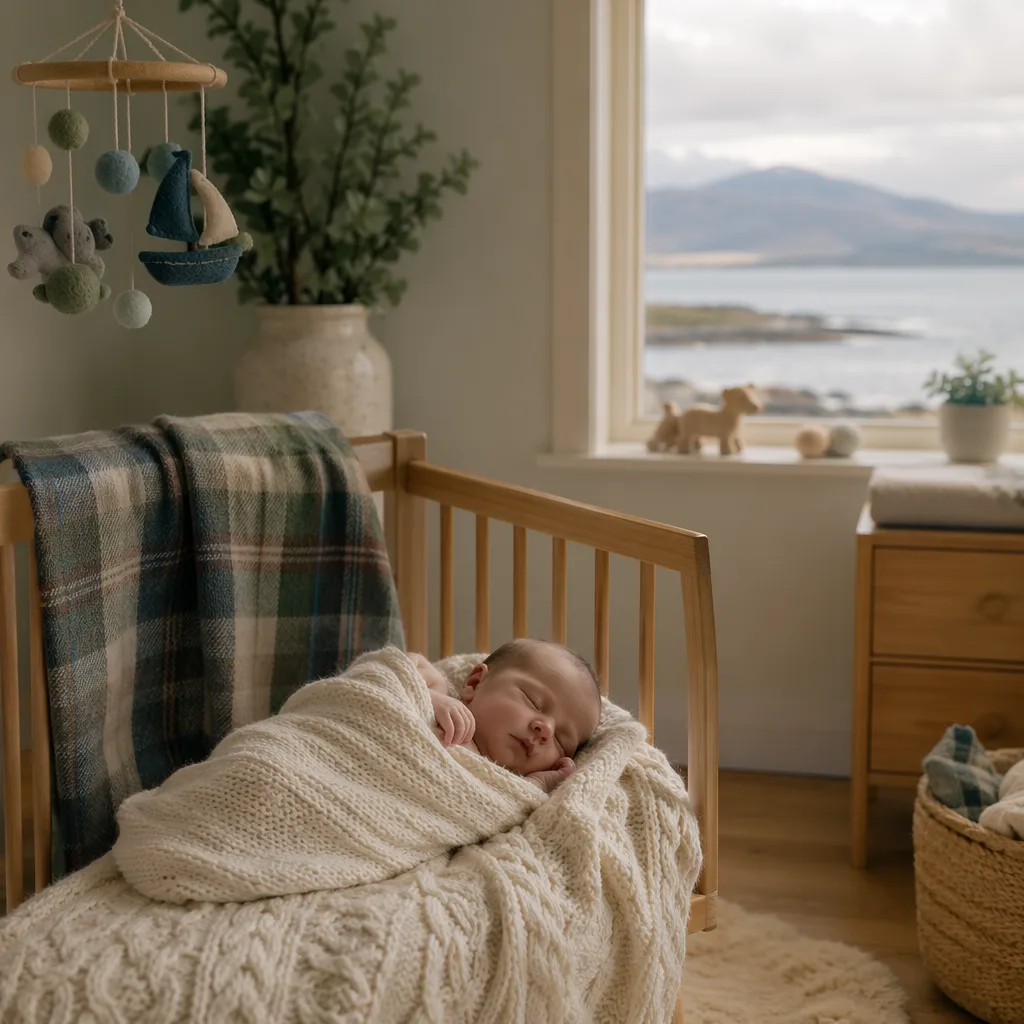
Arran is one of those names that feels gentle at first, then stronger the longer you sit with it. It has a soft opening sound, a steady middle, and a clean ending, which gives it a calm, grounded style. For parents who like Scottish names but want something less common than Hamish, Callum, or Lachlan, Arran has a lovely balance: familiar enough to say easily, rare enough to feel personal. The name is most closely tied to the Isle of Arran, an island off the west coast of Scotland in the Firth of Clyde. The island's Scottish Gaelic name is Eilean Arainn. Because Arran comes from a place rather than from a clearly documented personal-name root, its exact meaning is not settled. One widely repeated explanation is that the island name may be Brythonic in origin and may mean "high place," a fitting idea for an island whose highest point, Goat Fell, rises to 875 meters. Another theory connects the name to older Celtic language history, but the literal meaning remains uncertain. That uncertainty is part of Arran's charm. It doesn't arrive with a single fixed virtue, like "brave" or "gift." Instead, it carries landscape: hills with heather, clear seawater, village gatherings, shoreline wildlife, and the feeling of a place shaped by weather and time. VisitArran describes summer as the island's busy season, with kayaking, village fetes, the Arran Farmers' Show, Brodick Highland Games, and plentiful wildlife around the shore. Those details make the name feel lived-in, not decorative. As a boy's name, Arran works well for families who want a Scottish name with nature, place, and heritage woven through it. It sounds modern, but it has roots older than most trendier choices. It is also easy to spell once seen, though people may occasionally confuse it with Aaron or the Aran Islands. If you love names that feel outdoorsy, thoughtful, and quietly strong, Arran has a lot to offer.
Why parents love it
Parents are drawn to Arran because it feels both gentle and strong. It has the same easy, friendly shape as Aaron, but the double r and Scottish island connection make it feel more distinctive. If you want a name people can pronounce without a long explanation, yet still ask about in a good way, Arran sits in that sweet spot. The place-name story is especially lovely. Arran comes from the Isle of Arran in the Firth of Clyde, and the island gives the name real texture: hills, heather, clear seawater, local summer events, and wildlife along the shore. It is the kind of name that can grow with a child. On a toddler, it sounds sweet and bright. On a teenager, it feels cool without trying too hard. On an adult, it has quiet confidence. Arran is also a nice choice if your family has Scottish ties, loves island names, or simply wants something nature-connected without using a word name like River or Forest. It doesn't feel trendy. It feels chosen.
Heritage
Arran's cultural significance comes from its strong link to Scotland, especially the Isle of Arran in the Firth of Clyde. This is not a name with a major religious tradition attached to it, and it does not carry a known taboo in ordinary English-speaking use. Its meaning is cultural and geographic more than scriptural. That can be exactly what some parents want: a name that honors place, ancestry, landscape, or a love of Scotland without feeling formal or heavily symbolic. The Isle of Arran itself gives the name a very specific feel. It is an island off Scotland's west coast, with its largest settlement listed as Lamlash and Goat Fell as its highest elevation. The island is known as a holiday destination, and VisitArran describes summer there with flowerbeds, heather on the hills, kayaking, village fetes, dolphin and porpoise sightings, the Arran Farmers' Show, and Brodick Highland Games. For a child named Arran, that creates a name story you can actually picture. You might tell him, "Your name comes from a Scottish island, a place of hills, sea, and old community gatherings." Parents should know one practical point: Arran may be heard as Aaron in conversation, especially outside Scotland. That isn't a problem, but it may mean spelling it out at school offices or doctor's appointments. The payoff is a name with a distinctive Scottish identity and a calm, nature-rich mood.
Not enough popularity data to chart yet.
Arran's island connection gives it a steady, outdoorsy feeling, like a child who is happiest with mud on his boots and a plan in his head.
The soft sound and uncertain ancient meaning make the name feel reflective rather than showy.
As a rare Scottish name, Arran suits a boy who can stand a little apart without needing to make a fuss.
With links to hills, seawater, kayaking, and shoreline wildlife, Arran has a natural sense of movement and discovery.
Original
Arran
James gives Arran a classic, widely loved middle that keeps the full name easy and grounded.
Douglas adds a Scottish surname feel and a strong second syllable.
Finlay keeps the Scottish style going while adding a bright, friendly rhythm.
Thomas softens the rarer first name with a familiar, traditional choice.
Reid is short and crisp, which works nicely after Arran's two gentle syllables.
Alexander brings length and polish, making the full name feel substantial without being stiff.
Pair two names and see how they sound, flow, and feel together.
Generate a soothing personalised bedtime story starring your child.
Reveal the life-path and destiny numbers hidden in a baby name.
Playful, name-based personality sketch to share with friends.
No stories for Arran yet. Be the first!