Quick facts
Last updated June 2026
What it means
“Ronan is the anglicized form of Irish Rónán, meaning “little seal.” It comes from Irish rón, meaning “seal,” with a diminutive ending.”
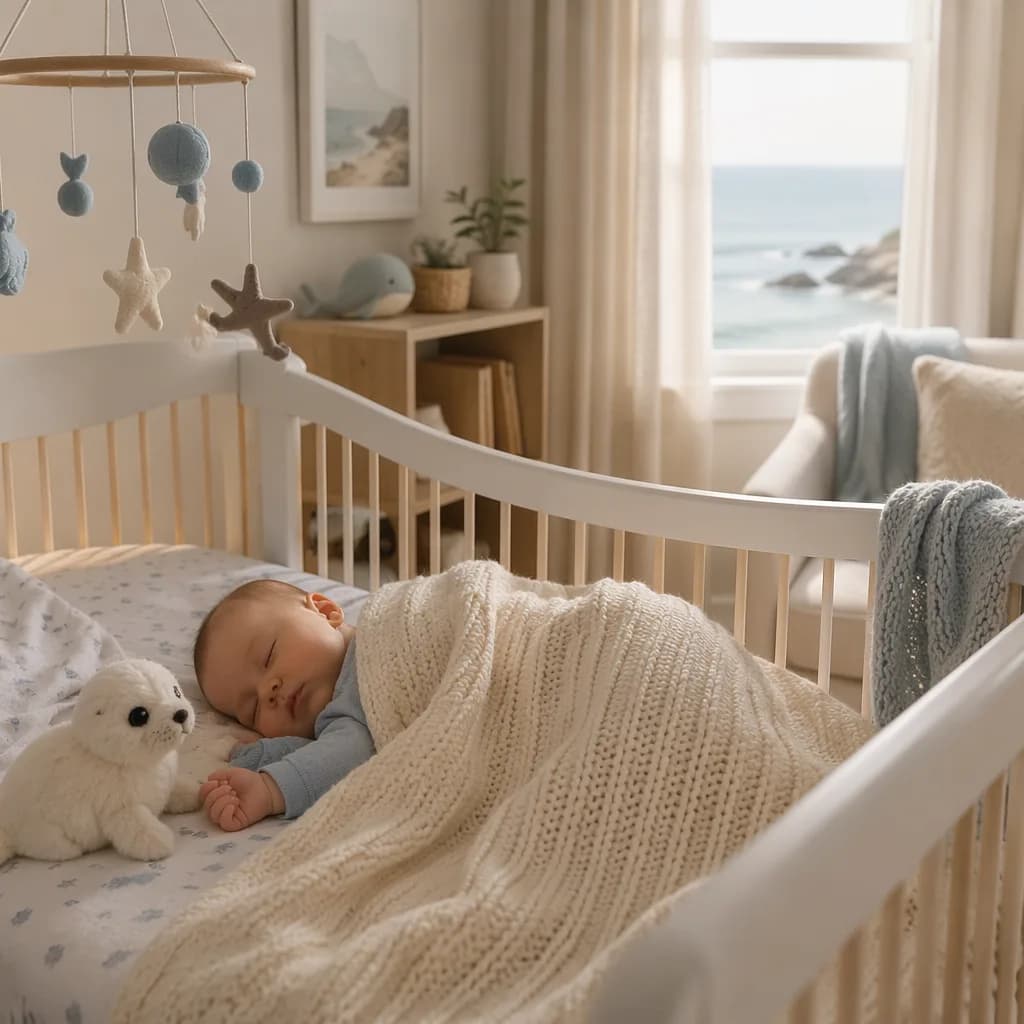
Ronan is one of those names that feels gentle at first, then stronger the longer you sit with it. Its meaning, “little seal,” comes from the Irish name Rónán, built from rón, the Irish word for “seal.” The ending gives it that small, affectionate feeling, so the name has a sweet, natural image without sounding babyish. The older Irish form is Rónán, with the accent over the o. In English, it’s usually written Ronan, and that spelling has become the familiar form for many parents in English-speaking countries. The name is used in both Irish and English, and it is also connected with Breton naming traditions. That gives Ronan a Celtic feel that isn’t hard to spell or say. There’s a lovely sea-story wrapped around the name, too. Irish mythology connects Ronan with selkie folklore, the tales of seal people who can move between ocean and human life. In the story summarized in the source material, a mother seal is swept ashore, trapped in human form, and lives with a fisherman, bearing children called “ronans,” or “little seals.” She still longs for the sea and eventually returns to it, though she keeps swimming near the shore because she can’t forget her family. For a child, that meaning can feel especially tender. A seal is playful, watchful, and at home in deep water. Ronan carries that same mix: soft but not flimsy, old but not dusty, familiar but still distinctive. It’s a name with salt air in it. You can imagine it on a preschooler in rain boots, a teenager with quiet confidence, or a grown man whose name sounds thoughtful and grounded.
Why parents love it
Parents love Ronan because it hits a rare sweet spot. It’s easy to say, easy to spell in English, and still has a meaning with real texture. “Little seal” is tender without feeling overly cute, and the selkie connection gives the name a story you can actually tell a child at bedtime. Ronan also ages beautifully. On a baby, it feels warm and snug. On a school-age kid, it has energy. On an adult, it sounds capable and thoughtful. That matters, because you’re choosing one name for every version of your son. It’s also familiar enough that people won’t be puzzled, but it isn’t everywhere. The U.S. ranking of #247 in 2025 puts it in that comfortable zone: people recognize it, yet your child probably won’t share it with three classmates. If you like names such as Rowan, Declan, Callum, or Kieran, Ronan gives you a similar Celtic feeling with its own clear identity. The sound is another reason it works. ROH-nən is soft at the edges, but the R and N sounds keep it grounded. It’s gentle, sturdy, and a little windswept. That’s a lovely combination.
Heritage
Ronan’s cultural roots are Irish, with the original form Rónán, and the name also appears in Breton use. Because it comes from the Irish word for “seal,” it carries a strong connection to the coast, to old storytelling, and to the kind of nature imagery that feels especially at home in Celtic names. The selkie association gives Ronan a tender place in folklore. Selkie stories often sit somewhere between love story and loss story: the sea calls, family pulls, and no one gets a completely tidy ending. For parents, that doesn’t make the name sad. It gives it emotional depth. Ronan can suggest belonging to family while still keeping a free, inward part of oneself. That’s a pretty powerful idea to tuck into a two-syllable name. There is also a Saint Ronan tradition reflected in the name’s long use, including cultural memory around figures bearing Rónán. The source material includes a statue of Saint Ronan and notes the name’s age, with an early form found in an ogham inscription. That matters because Ronan isn’t a modern invention dressed up to sound ancient. It has real age behind it. In English-speaking families, Ronan works well because it keeps its Irish character without causing much pronunciation stress. It feels respectful and usable. If your family has Irish roots, it can be a quiet nod to heritage. If you simply love Celtic names, Ronan offers history, sound, and meaning without feeling overly ornate.
Not enough popularity data to chart yet.
The meaning “little seal” gives Ronan a soft, affectionate quality that feels kind without being fragile.
Its selkie folklore connection suggests a child with an inner world, a strong pull toward freedom, and a need to feel trusted.
Ronan’s old Irish roots and clean two-syllable sound make it feel grounded and dependable.
The name has a quiet, reflective tone, the kind that suits a child who notices details others might miss.
Seals are lively and curious animals, and that image gives Ronan a bright, warm spark.
Original
Rónán
Transliterations
James gives Ronan a classic, steady finish that works in almost any family style.
Patrick leans into the Irish feel and has a warm, familiar sound.
Theodore adds length and softness, balancing Ronan’s crisp two syllables.
Miles keeps the whole name streamlined, gentle, and modern.
Alexander brings a strong traditional middle that makes the full name feel polished.
Jude is short and musical, which lets Ronan stay clearly in front.
Pair two names and see how they sound, flow, and feel together.
Generate a soothing personalised bedtime story starring your child.
Reveal the life-path and destiny numbers hidden in a baby name.
Playful, name-based personality sketch to share with friends.
No stories for Ronan yet. Be the first!