Quick facts
Last updated July 2026
What it means
“Finbarr is an Irish boy name meaning “white head,” “fair-haired,” or “blessed head.” It comes from Irish Fionnbharr and Old Irish Finnbarr, from finn meaning “white” or “blessed” and barr meaning “top” or “head.””
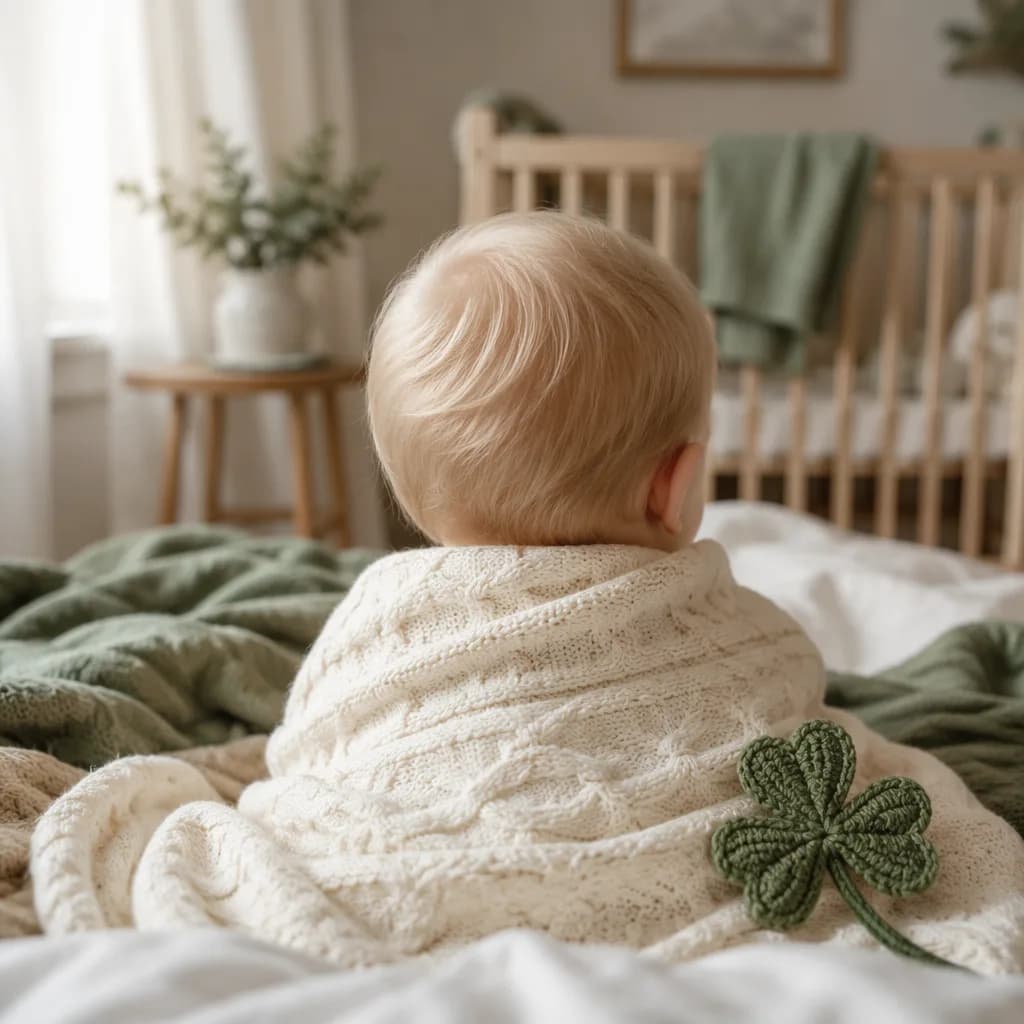
Finbarr is one of those old Irish names that feels sturdy, bright, and a little unexpected. Its roots are very clear: it is the Anglicized form of Irish Fionnbharr, from Old Irish Finnbarr. The first part, finn, means “white” or “blessed,” while barr means “top” or “head.” Put together, the name is usually understood as “white head,” “fair-haired,” or “blessed head.” For a baby, that gives Finbarr a gentle image: a child with light hair, a bright presence, or a name carrying a sense of blessing. The spelling Finbarr is a variant of Finbar, and both forms are used for the same traditional Irish name. Fionnbharr keeps the name closer to its Irish form, while Finnbarr reflects the Old Irish shape noted in name references. You may also see Fionnbarra, which feels especially Irish on the page. Finbarr sits in the same family as short, friendly forms such as Barra and Barry, both of which have been used as diminutives or related forms. What makes Finbarr especially appealing is its balance. It has the easy first syllable of Finn, a name many modern parents already like, but it doesn’t disappear into the crowd. The second syllable gives it weight and a distinctly Irish sound. It feels old without feeling fragile. The name is also tied to Saint Finbar of Cork, a 6th-century Irish bishop associated in tradition with miraculous cures. That connection gives Finbarr a deeper cultural layer for families who love Irish saints’ names, Cork connections, or names with a quiet spiritual history. It’s a name with texture: fair-haired, blessed, rooted, and memorable.
Why parents love it
Parents often love Finbarr because it gives you the best parts of an Irish name: history, meaning, and a sound that feels warm in real life. It has the friendly opening of Finn, so it won’t feel totally unfamiliar, but the full name has much more character than something you hear every day. The meaning is lovely without being sugary. “Fair-haired” is sweet for a baby, especially one born with pale fuzz or bright blond hair, but “blessed head” gives the name a deeper feeling too. It can sound like a quiet wish over your son’s life: may he be bright, protected, and well loved. Finbarr also grows nicely. Finn works for the playground. Finbarr works on a graduation program, a passport, or a wedding invitation. Barra and Barry give you other family-friendly choices if a nickname develops naturally. If your family has Irish roots, especially a Cork connection, Finbarr carries a real sense of place. If you don’t, it still works as a respectful, traditional Irish name with a clear source and a long record of use. It’s rare, but not made up. That’s a very nice place for a name to sit.
Heritage
Finbarr has a strong place in Irish naming through Saint Finbar of Cork, a 6th-century bishop remembered in tradition for miraculous cures. For families with Cork roots, the name can feel especially meaningful because Saint Fin Barre’s Cathedral and St. Finbarr’s Cemetery are both associated with Cork. It’s the kind of name that can quietly point to place, faith, and family history without needing much explanation. In Irish culture, saint names often carry more than religious meaning. They can connect a child to a local story, a parish, a county, or an older generation. Finbarr fits that pattern beautifully. It isn’t as widely heard as Patrick, Brendan, or Sean, but it belongs beside them as a genuinely Irish masculine name with long roots. The name also has a cross-cultural ripple through the Isle of Barra off Scotland, which Behind the Name notes was probably named for Saint Finbar. That link should be treated gently, since “probably” matters, but it adds an interesting geographic footnote. There are no broad naming taboos attached to Finbarr in the sources provided. The main practical issue is spelling. In an English-speaking classroom, some people may first guess Finbar with one r, while others may know Finbarr from Irish use. If you choose it, you’re giving your son a name that feels traditional, distinctive, and warmly tied to Irish heritage.
Not enough popularity data to chart yet.
Finbarr has an old Irish steadiness, the kind of name that sounds comfortable on a thoughtful child and a grown man alike.
Because the name comes from words meaning “white” or “blessed” and “head,” it carries a light, clear feeling.
Finbarr is familiar in Irish naming but uncommon enough to stand out gently on a school roster.
Nicknames like Finn, Barra, and Barry make the formal name feel friendly and easy at home.
Original
Fionnbharr
Transliterations
James gives the rare Irish first name a familiar, classic landing.
Patrick keeps the pairing warmly Irish and traditional.
Jude is short and gentle, which balances Finbarr’s strong ending.
Thomas has a calm, timeless feel that works well with a distinctive first name.
Owen keeps the sound soft and Celtic without making the full name feel too formal.
Pair two names and see how they sound, flow, and feel together.
Generate a soothing personalised bedtime story starring your child.
Reveal the life-path and destiny numbers hidden in a baby name.
Playful, name-based personality sketch to share with friends.
No stories for Finbarr yet. Be the first!