Quick facts
Last updated August 2026
What it means
“Millaray is a feminine Mapuche name meaning "golden flower." It comes from elements often given as milla, meaning "gold," and rayen, meaning "flower."”
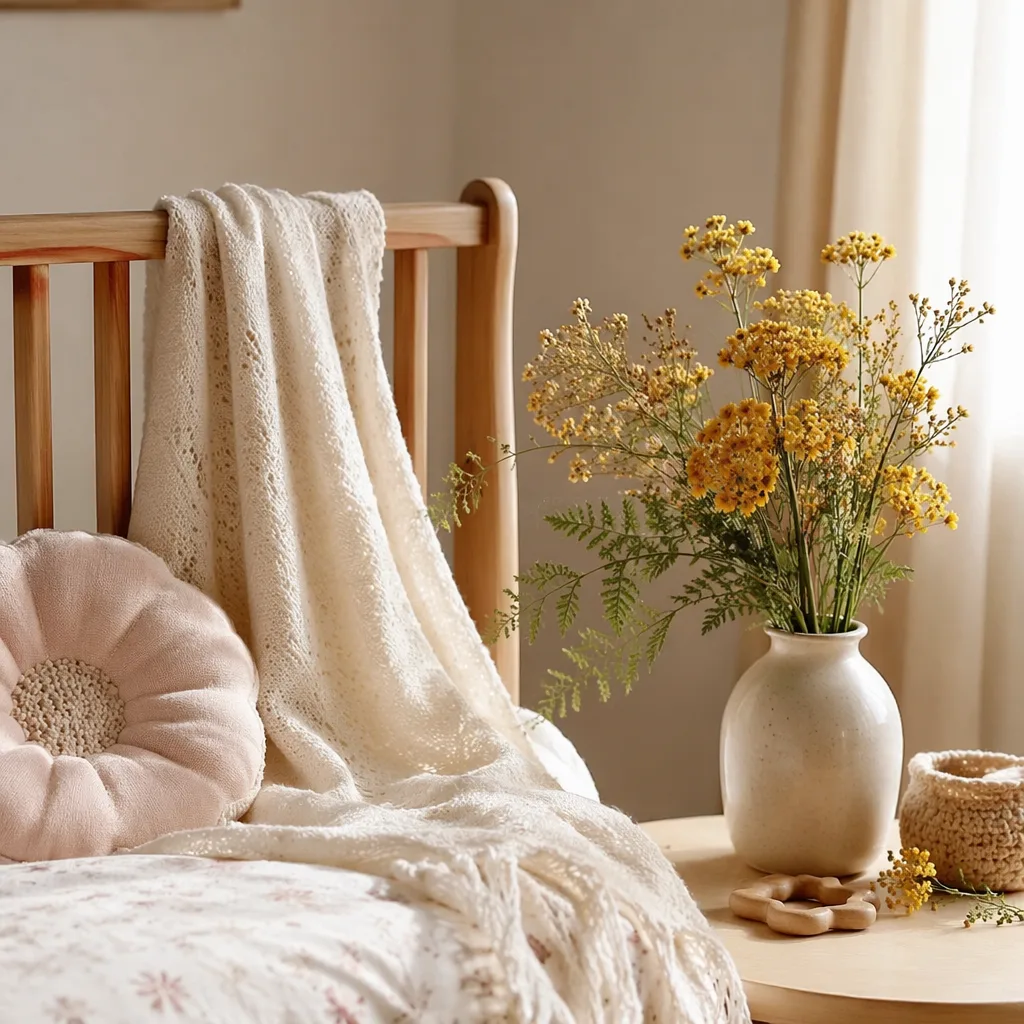
Millaray is one of those names that feels bright before you even know the meaning. Its best supported meaning is "golden flower," from Mapuche roots: milla, meaning "gold," and rayen, meaning "flower." That gives the name a lovely balance. Gold suggests warmth, value, sunlight, and endurance. Flower brings in beauty, growth, tenderness, and the idea of something opening in its own time. The name is associated with the Mapuche people, an Indigenous people whose traditional homelands are in what is now Chile and Argentina. Several name sources describe Millaray as Mapuche or Mapudungun in origin, and it is especially connected with Chile. That matters because this is not a made-up modern floral name. It has a specific cultural home and a meaning that comes from a living Indigenous language tradition. For parents who like nature names, Millaray offers something more distinctive than Lily, Rose, or Daisy, while still feeling gentle and wearable. It has the softness of Mila at the beginning, the lyric movement of three syllables, and the sunny ending sound of Ray. Some English-speaking families may say it as MEE-yah-rye, while Spanish-influenced pronunciation may sound closer to mee-yah-REY. Both reflect attempts to carry the name into different language settings, though families with Mapuche or Chilean ties may have their own preferred pronunciation. Millaray also sits nicely between familiar and rare. It looks elegant on paper, but it doesn't feel stiff. You can imagine it on a serious adult, a creative teen, or a little girl running through the yard with muddy shoes and a flower in her hand. That everyday warmth is part of its appeal.
Why parents love it
Parents are drawn to Millaray because it does a lot without feeling fussy. It has a real meaning, "golden flower," and that image is easy to love. You can picture warmth, color, and a child growing into herself at her own pace. It also gives you something rare. Millaray is much less common than many floral names, but it doesn't look impossible to say. Milla is right there as a sweet nickname, and Ray gives it a bright, modern edge. If you like names such as Amara, Elowen, Paloma, or Valentina, Millaray may sit in that same gentle, international space while feeling more unexpected. For families with Chilean or Mapuche connections, the name can carry a deeper layer of belonging. For families without that background, it asks for care and respect, which is a good thing. You'd want to teach your child where her name comes from, not just that it sounds pretty. Millaray also pairs well with many middle names. A simple middle like Luz, Clara, or Inés lets the first name shine. A longer middle like Valentina gives it a rich, musical quality. Either way, the name feels warm, distinctive, and full of light.
Heritage
Millaray is culturally significant because it comes from Mapuche naming tradition rather than from the more familiar European naming pool used across much of the Americas. The Mapuche are Indigenous to the southern cone of South America, especially Chile and Argentina, and the name is strongly tied to Chile in the available sources. For families with Chilean, Argentine, Mapuche, or broader Indigenous South American heritage, Millaray can feel like a name with roots, not just a pretty sound. The meaning "golden flower" also fits a broader Indigenous naming pattern many parents admire: names drawn from the natural world. Still, it is good to be thoughtful here. Millaray is not just a nature word floating free of context. It is tied to a people, a language, and a history. If your family does not have Mapuche heritage, the name can still be used with respect, but it helps to know how to say it, what it means, and where it comes from. A child named Millaray may eventually be asked about her name, and she deserves an answer that is accurate and kind. There is no major religious restriction attached to Millaray in the supplied sources. It is not presented as a biblical, saintly, Islamic, Hindu, or ceremonial-only name. Its significance is cultural and linguistic. Parents may choose it for heritage, for its floral meaning, for its Chilean connection, or simply because it feels luminous and grounded. A good real-life example: if you have a daughter named Millaray and a son named Mateo, the pairing quietly holds both Latin American familiarity and Indigenous Chilean depth without making the sibling set feel overly matched.
Not enough popularity data to chart yet.
The golden part of Millaray gives the name a sunny, generous feeling.
Its flower meaning brings to mind softness, patience, and quiet beauty.
Because Millaray has a specific Mapuche origin, it feels connected to place, language, and history.
The name's lyrical sound and nature meaning suit a child with imagination and a strong personal style.
A flower with a golden image suggests beauty that still has strength and staying power.
Original
Millaray
Sofia gives the rare first name a familiar, graceful middle and works well in Spanish and English.
Elena keeps the whole name soft and melodic without competing with Millaray's meaning.
Luz means "light" in Spanish, which pairs beautifully with the golden image in Millaray.
Inés is short, classic, and crisp, so it balances the longer rhythm of Millaray.
Valentina adds a romantic Latin sound and gives the full name a strong, feminine flow.
Clara feels bright and clean beside Millaray, almost like sunlight on a flower.
Pair two names and see how they sound, flow, and feel together.
Generate a soothing personalised bedtime story starring your child.
Reveal the life-path and destiny numbers hidden in a baby name.
Playful, name-based personality sketch to share with friends.
No stories for Millaray yet. Be the first!