Quick facts
Last updated August 2026
What it means
“Robin is an English unisex name closely tied to the robin bird, especially its bright reddish-orange breast and familiar springtime presence. It feels friendly, lively, and nature-filled.”
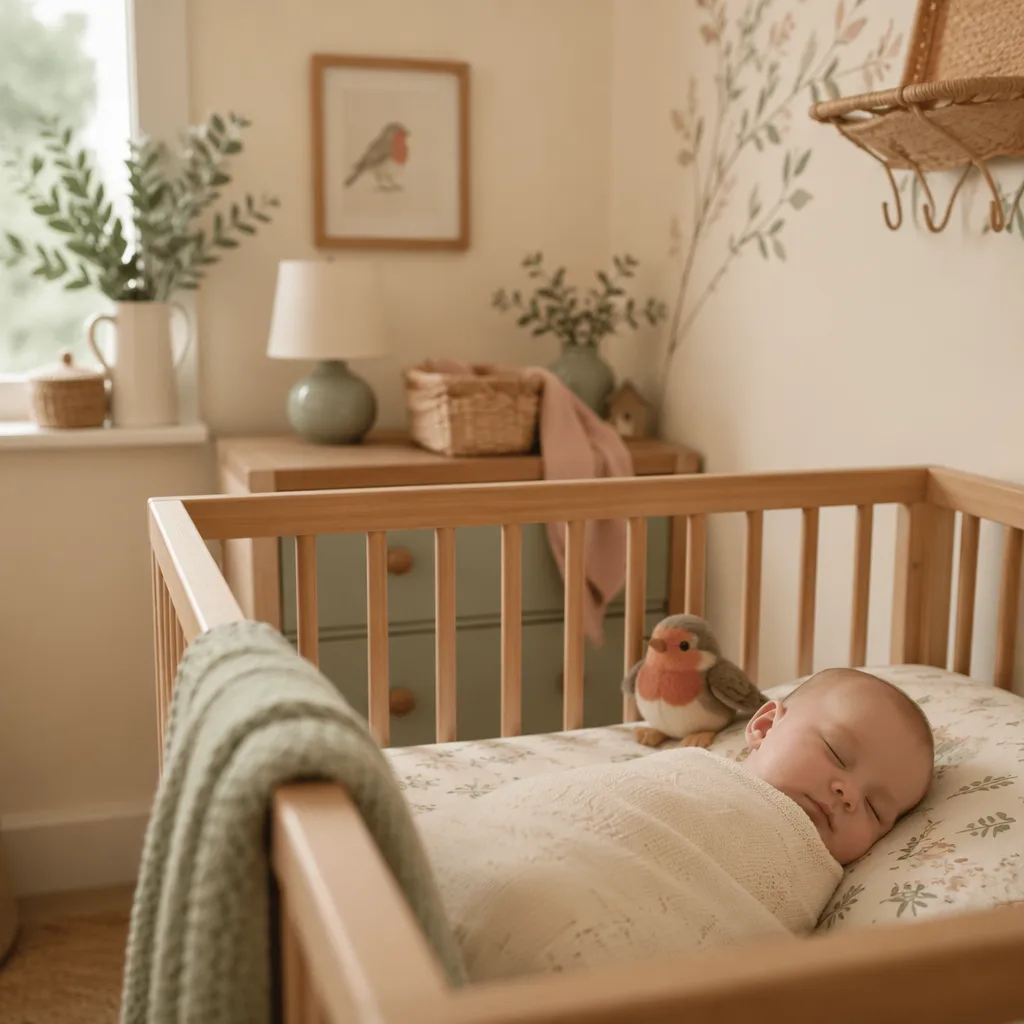
Robin is one of those names that feels like it already belongs in a family. It’s easy to say, gentle without being flimsy, and cheerful without feeling overly sweet. In English-speaking use, many parents hear the bird first: the robin with its warm reddish-orange breast, quick movements across the lawn, and clear place in everyday nature. The American robin, Turdus migratorius, is a true thrush and a familiar North American bird. It was named after the European robin because both birds have a reddish-orange breast, even though the two birds are not closely related. That small detail gives the name a lovely cross-cultural nature link: the same visual warmth inspired the shared bird name on both sides of the Atlantic. As a baby name, Robin carries that same approachable brightness. It doesn’t feel formal or distant. It has a storybook sound, but it also works on an adult. A Robin can be a toddler in rain boots watching birds hop across the yard, a teen with a sketchbook, or a grown person whose name feels steady and memorable in a meeting. The meaning parents often respond to is less like a dictionary definition and more like an image: early morning, green grass, a flash of orange, and a bird that seems both practical and hopeful. The American robin is widely distributed throughout North America and is known as a migratory bird, which adds a feeling of movement and seasonal return. If you love names that connect to nature without sounding rare or complicated, Robin sits in a sweet spot. It’s familiar, but it still has personality. It’s soft, but it isn’t fragile. And because it has long been used for more than one gender in English, it gives a child room to grow into it in their own way.
Why parents love it
Parents often choose Robin because it manages to be sweet, simple, and flexible all at once. It’s a nature name, but it doesn’t feel newly invented. It’s unisex, but it doesn’t feel vague. It has a clear sound, a friendly spelling, and a gentle image that children can understand early: a robin hopping across the yard, bright breast showing, busy and alert. Robin also gives you lots of room with sibling names. With Hazel, Wren, Rowan, or Jasper, it creates a nature-rich set that still feels familiar. With Clara, Arthur, Miles, or Lucy, it leans more classic and storybook. That flexibility is helpful if you’re naming a first child and don’t want to paint yourself into a corner for future names. The name is especially lovely for parents who want something kind but not cutesy. Robin works on a preschool cubby label, a college application, and a business card. Nicknames like Rob, Robbie, and Ro let the name shift with age and personality. And because its strongest association here is the bird, the name carries a built-in bit of wonder. It’s the kind of name that can make a child look up from the sidewalk and say, “That’s my bird.”
Heritage
Robin has a strong nature association in English-speaking culture because the robin bird is so visible and easy to recognize. In North America, the American robin is widely distributed, wintering from southern Canada to central Mexico and along the Pacific coast. For many families, it’s one of the first birds a child learns to name: round body, alert posture, reddish-orange breast, hopping through the grass after rain. That everyday familiarity gives Robin a warm, homey feeling. There’s also a seasonal feeling around the name. Robins are migratory birds, and their appearances are often connected in people’s minds with changing seasons, especially the return of milder weather. The provided bird sources describe American robins as largely stable in population, while also noting recent shifts in migration patterns and earlier arrivals at breeding grounds in some conditions. For a name page, that doesn’t mean the name itself is trending. It does add a thoughtful layer for nature-loving parents: Robin can suggest adaptability, return, and attentiveness to the world outside the window. Religiously, Robin is not tied to a single required tradition, ritual, or taboo in the provided material. That can be a real advantage. The name can fit comfortably in many households because its main meaning is cultural and natural rather than doctrinal. It has a gentle English sound, a clear spelling, and a bird connection that doesn’t need much explaining. If your family likes names with outdoor imagery, but you want something more established than many modern nature names, Robin feels grounded and kind.
Not enough popularity data to chart yet.
Robin has an open, familiar sound that makes it feel easy to say and easy to like.
The bird connection brings to mind a child who notices small things, like movement in the grass or a new sound in the trees.
Because the American robin is a migratory bird, the name gently suggests movement, change, and the ability to settle in new places.
The robin’s reddish-orange breast gives the name a bright, cozy image without making it feel overly delicate.
Original
Robin
James gives Robin a classic, steady rhythm and balances the name’s gentle nature sound.
Claire keeps the full name bright and simple, with a clean one-syllable finish.
Elias adds warmth and length, which works well if the last name is short.
Mae brings a sweet vintage note without overpowering Robin’s friendly feel.
Theodore gives the pairing a more formal middle option, useful if you want Robin to feel a bit more dressed up.
Sage doubles down on the nature feeling in a calm, modern way.
Pair two names and see how they sound, flow, and feel together.
Generate a soothing personalised bedtime story starring your child.
Reveal the life-path and destiny numbers hidden in a baby name.
Playful, name-based personality sketch to share with friends.
No stories for Robin yet. Be the first!