
Family Middle Names That Honor Loved Ones Without Pressure
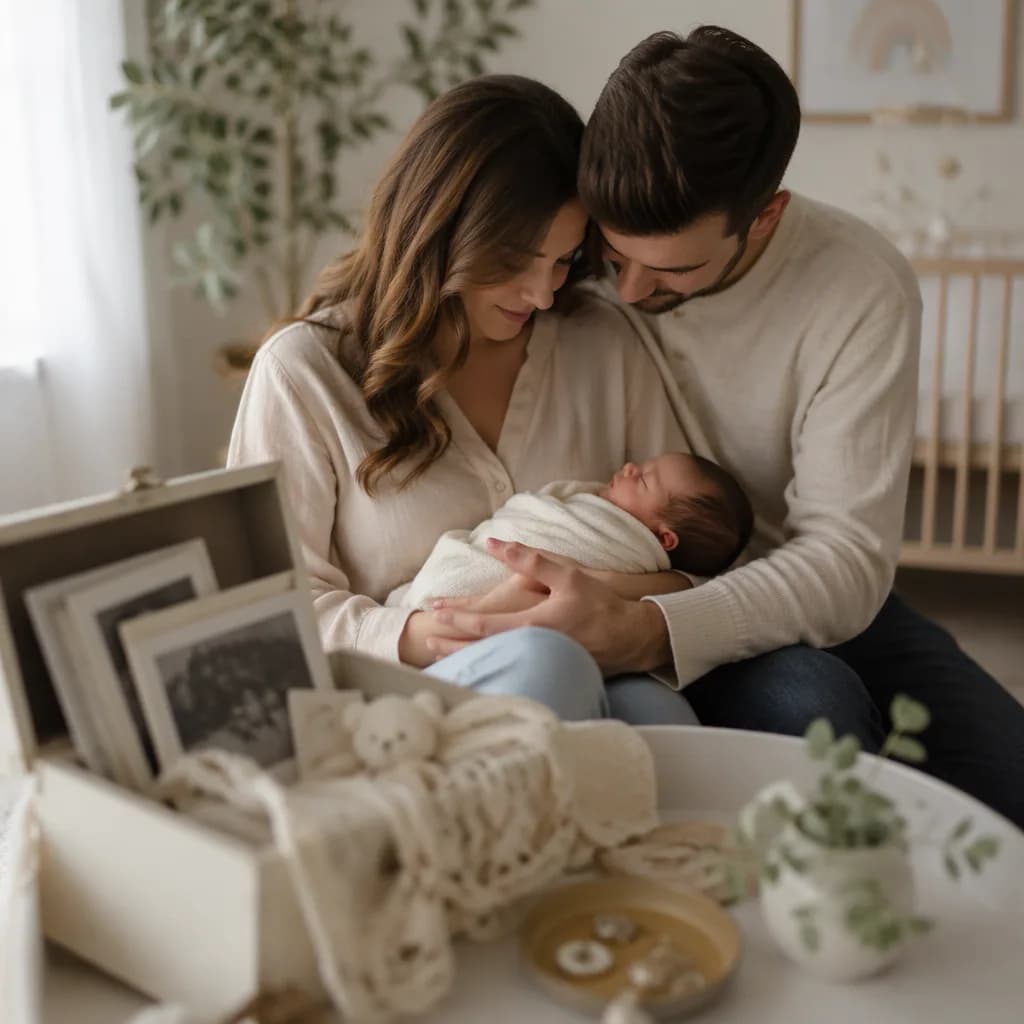
What are family middle names?
Family middle names are names chosen to honor someone who matters in your family story: a grandparent, ancestor, aunt, uncle, caregiver, close family friend, or another meaningful figure who helped shape the people you love.
They don’t have to be exact copies. An honor name can be the person’s full name, a nickname, a surname, a maiden name, shared initials, a cultural name, or a gentler variation inspired by the original. Grandma Margaret might become Maggie, Pearl, or simply M. A mother’s maiden name like Parker or Quinn can sit beautifully in the middle. A name with layered heritage, like Tanmay Suresh Upadhyay: meaning & origin, can also show how much family history a full name can carry.
The middle spot often feels lower pressure than the first name because it doesn’t have to do all the daily work. Your child can have a first name that feels right for everyday life, while the middle name quietly holds the connection. That can be especially helpful when you love the person deeply, but the name itself feels dated, unusual, or a little too loaded for the playground sign-in sheet.
For example, maybe Grandpa Jim was the steady one who fixed the crib, brought soup, and showed up without being asked. You might name your baby Oliver James or James Oliver, depending on what feels natural, without needing to use James as the everyday first name.
If family opinions are already swirling, it can help to make a short list together before emotions run high. Try creating a family baby name list without drama, and keep the conversation as practical as possible. The same calm planning helps with other tender family moments too, like asking family for help after baby, preparing a toddler for a new baby, or saving small keepsakes in a simple baby memory box.
Start with the feeling, not the family tree
Before you open the family tree, pause for a minute and ask a softer question: what do you want this name to carry?
Maybe it’s kindness. Courage. Humor. Faith. Creativity. Steadiness. Sometimes that one word points you toward a name more clearly than any chart of grandparents, great-aunts, and surnames ever could.
A meaningful family middle name doesn’t have to be the most obvious relative’s name. If Grandpa Walter was gentle, funny, and always the first person to show up with soup when someone was sick, you might use Walter. Or you might choose a name that means strength, protection, or warmth. The honor is in the story you’ll tell, not just the exact letters on the birth certificate.
Make a short list of people you’d feel proud to tell your child about one day. Not a list of everyone who expects to be included. A list of people whose lives hold something you hope your child can feel connected to. Write down one sentence beside each name: “Aunt Ruth made everyone feel welcome,” or “Uncle Bennett kept going when life got hard.”
That little note can become part of your family’s keepsakes later, tucked into something simple like a baby memory box at home.
Complicated relationships deserve tenderness too. A hard relationship might still inspire a name indirectly, perhaps through a shared surname, a variation, a nickname, or the meaning behind the original name. But you don’t owe anyone that choice. Middle names can help honor loved ones and preserve family surnames, but they shouldn’t become a peace offering you feel pressured into making.
If relatives are already sharing strong opinions, it can help to create a calm process before the baby arrives. A shared list, clear boundaries, and a few agreed-upon rules can make the conversation feel less loaded. This guide on creating a family baby name list without drama is a good place to start.
And if the bigger family season feels tender, asking for practical support matters too. Naming a baby, preparing siblings, and managing everyone’s feelings can pile up quickly. You’re allowed to ask for help, just like you’re allowed to protect the name choice. For that part, keep asking family for help after baby, guilt-free in your back pocket.
Middle name ideas that still feel like honor names
Honor names don’t have to feel heavy. The middle spot gives you room to love someone, remember someone, or carry a family thread forward while still choosing a first name that feels right for daily life.
You can use the exact first name. Ruth is a lovely example: short, steady, and full of warmth. Michael, Elena, or Patrick can work the same way if the name already feels wearable in the middle. Think of something like Clara Ruth or James Patrick. Simple. Clear. No explaining required.
A surname or maiden name can be just as meaningful, especially if it has a strong sound. Family names like Anderson, Harrison, Bennett, Brooks, Douglas, Parker, Morgan, Sullivan, Kennedy, Murphy, Quinn, and Campbell all sit naturally in the middle name position. A maiden name can be especially tender because it preserves a branch of the family that might otherwise disappear from everyday use.
Nicknames are another gentle option. If Theodore feels too formal, Theo may feel lighter. Margaret could become Mae, since Peggy is also connected to Margaret in family naming traditions. Leonard could become Leo. This gives you the emotional link without asking your child to carry the full original name.
Initials can be a quiet nod too. Nora Jane for Grandma Nancy Jean keeps the pattern and feeling, even though the names are different. This works well when you want privacy around the tribute or when the original name doesn’t quite fit your style. If family opinions are already getting loud, it can help to make a shared list early. Here’s a calm way to approach it: How to Create a Family Baby Name List Without Drama.
You might also honor the meaning instead of the exact name. Clarence means bright or clear, so Clara could feel connected to a relative with a bright meaning. Mildred means gentle strength, which could inspire a softer name that still carries that feeling.
Place names can be beautiful when they truly belong to the story. Florence might honor a grandmother, a family trip, or a place someone loved. Austin, Georgia, or Juneau can work the same way if the connection feels natural rather than forced.
Some families choose a shared birth month, flower, gemstone, saint, or cultural reference. June, Pearl, or a meaningful saint’s name can feel personal without being obvious to everyone else.
And if this name is part of a bigger season of preparing your home and heart, tiny keepsakes matter too. You might tuck the name story into a box with a hospital bracelet or first photo using How to Build a Simple Baby Memory Box at Home. If you’re also preparing an older sibling, Preparing Toddler for New Baby: A Calm Parent Guide can make the transition feel less abrupt.
The goal isn’t to satisfy every relative. It’s to choose a name that feels loving, livable, and true to your child. If you need support around the family side of new baby life, How to Ask Family for Help After Baby, Guilt-Free may help. And if you enjoy seeing how full names carry meaning across cultures, Tanmay Suresh Upadhyay: meaning & origin is a thoughtful example.
How to use family names for baby without creating a contest
Family middle names can be deeply meaningful. They can honor grandparents, remember loved ones who’ve died, or keep a family surname from fading out. The middle spot is especially useful when a name matters to you, but doesn’t feel quite right as an everyday first name.
Still, family names can stir up big feelings fast.
A good first step is to decide privately before inviting outside opinions. You and your partner can sit with the names, say the full combinations out loud, and ask, “Does this feel right for this baby?” before anyone else gets a vote. If you want a softer starting point, make your own short list first using a low-pressure process like How to Create a Family Baby Name List Without Drama.
Try not to make future promises to smooth over today’s disappointment. “We’ll use your side next time” sounds kind in the moment, but future children aren’t guaranteed, and future feelings can change. You don’t need to borrow from a someday baby to calm an adult right now.
Fairness doesn’t always mean equal turns between families, either. One child might carry Grandma Ruth’s name because she raised you after school every day. Another might have a surname from a stepdad who showed up in all the quiet, daily ways. A chosen auntie, a foster grandparent, or a beloved family friend may be part of the story too. Blended families are real families, and love doesn’t always follow a tidy family tree.
If someone feels hurt, keep the script simple:
“We chose this name because it felt right for this baby, not because we’re ranking anyone.”
Then stop talking.
You can honor people in more than one way. A middle name is lovely, but so is a photo in a simple baby memory box, a bedtime story about someone special, or asking a relative to be part of baby’s early days in a practical way, like in How to Ask Family for Help After Baby, Guilt-Free.
And if there’s an older sibling listening to all this name talk, keep the tone steady. Preparing Toddler for New Baby: A Calm Parent Guide can help you make the whole thing feel less like a shake-up.
A baby name is not a family award ceremony. It’s a name for a real child, with their own life ahead. Choose with love, not pressure. If you’re drawn to layered names with family meaning, even a full-name example like Tanmay Suresh Upadhyay: meaning & origin can remind us how much story a name can hold.
What if two relatives expect to be honored?
This is where family middle names can get tender fast.
One grandparent may hope to be chosen. A late relative’s name may carry deep emotion. A cultural naming tradition may matter to one side of the family more than the other. Suddenly, what started as a sweet middle name idea can feel like a seating chart at a very emotional wedding.
You don’t have to stack every full name to prove love.
Sometimes initials or meanings can do the work more gently. If you want to honor Mary and Renata, Sofia Maren could carry pieces of both without using either exact name. It feels fresh, but the story is still there. You can say, “Maren reminds us of Mary and Renata, two women we love,” and that explanation is often more meaningful than a name chosen out of pressure.
Two middle names can work beautifully, especially if they flow well and both names have real weight for you. They can also be a lovely option when each side of the family has a tradition you want to respect. But if the full name starts to feel crowded, hard to say, or more like a compromise than a gift, pause. A baby’s name shouldn’t feel like a receipt proving everyone was included.
If expectations are already bubbling up, it may help to make a private list before opening the conversation. Our guide to creating a family baby name list without drama can keep the process calmer. And if relatives are offering opinions along with support, this is also a good time to practice the same kind boundaries you’ll need when you ask family for help after baby, guilt-free.
Choose the name you can explain warmly and honestly.
That might be a direct honor name, a surname, a shared initial, or a meaning that points back to someone beloved. You can also preserve the longer story in a keepsake, like a note tucked into a simple baby memory box, so your child grows up knowing why the name mattered.
When an honor name feels too painful or loaded
Sometimes a family middle name carries more than love.
It might belong to someone you miss so much that saying the name still catches in your throat. It might be tied to an estranged relative, a complicated childhood, or a family member who expects the name to be used and is making that expectation very clear. In those moments, the middle spot can start to feel less like a gift and more like pressure.
You’re allowed to pause.
Family middle names can be a beautiful way to honor grandparents, departed loved ones, or family surnames that might otherwise fade over time. They can create a real generational thread. But honoring someone doesn’t have to mean repeating a name that feels painful, heavy, or wrong for your baby.
There are softer ways to carry love forward. You might use the same initial, choose a name connected to their birth flower, borrow from a song they loved, or use a place name tied to a shared memory. A language variation can also give you breathing room. If Grandma Margaret feels too direct, maybe a related form or a name with a meaning that reminds you of her feels gentler. You can also honor the meaning of a family name rather than the exact name, which is a thoughtful option when the original feels dated or difficult.
A loved one’s name can stay sacred, too.
You don’t have to give it to a child for it to matter. Maybe it belongs in stories, photos, recipes, or a keepsake tucked into a memory box. If that feels right, How to Build a Simple Baby Memory Box at Home can help you make space for those memories without putting them on the birth certificate.
If relatives push, keep the sentence simple: “We love them deeply, and we’ve decided not to use the name for the baby.”
Then stop explaining.
For bigger naming conversations, a shared list can help keep things calmer. How to Create a Family Baby Name List Without Drama is a good next step if everyone has opinions and you need a little structure. And if the pressure is part of a larger pattern of needing support without strings attached, How to Ask Family for Help After Baby, Guilt-Free may help you set kind, clear limits before baby arrives.
How to check if the middle name works
Once a family middle name makes the shortlist, try it in real life for a few days. Say the full name out loud: first, middle, and last. Use it the way you actually would.
“Amelia Ruth Carter, please put your shoes by the door.”
That tiny kitchen test tells you a lot. You’ll hear the rhythm, notice if anything feels clunky, and catch pronunciation issues before the birth announcement goes out. Check the initials too, including monograms if your family uses them. Look at spelling on paper. Some names feel lovely when spoken but need constant correction when written.
Then think about the story. If the middle name honors Grandpa Walter, Aunt Ruth, or a family surname that might otherwise fade, ask yourself: is this a story we’d be happy to tell our child someday? It doesn’t need to be grand. “You share your middle name with my grandmother, who made pancakes every Sunday” is enough. If you’re gathering keepsakes around that story, a small note in a baby box can make it feel even more special. Here’s a sweet, simple guide to building a baby memory box at home.
Also picture the name on legal forms, school rosters, birthday invitations, and next to sibling names. If you’re preparing an older child for the baby, saying the name together can make it feel more familiar, much like the small routines in this calm guide to preparing a toddler for a new baby.
Try not to chase every possible nickname. Kids are creative. We can’t control it all.
Before announcing, give yourself a short cooling-off period. A day or two can soften family pressure and help you feel steady. If opinions are already getting loud, this guide on creating a family baby name list without drama pairs well with naming conversations, as does this gentle reminder on asking family for help guilt-free. For a real example of how layered names can carry meaning, you might also like Tanmay Suresh Upadhyay: meaning & origin.
Gentle ways to announce a family middle name
Family middle names can carry so much love, but the announcement doesn’t have to carry everyone’s expectations.
If opinions tend to get loud in your family, it’s okay to share the name after the baby is born. A finished announcement is often easier than an open discussion. Instead of asking, “What do you think of Rose?” you get to say, “She’s here. Her name is Clara Rose.”
Keep the explanation short and warm: “Her middle name is Rose, after my grandmother, who always made everyone feel welcome.” That’s enough. You don’t need a speech about why one relative was chosen over another, especially in a public post where people may start comparing.
If you’re still sorting through options, a private list can help you think clearly before anyone weighs in. This guide on how to create a family baby name list without drama is a gentle place to start.
When someone feels disappointed, try kind and firm: “We love you, and this name felt right for this baby.” Then stop talking. More explaining can accidentally invite more debate.
If the honored person is living, consider writing them a private note. “We chose your name because Sunday dinners at your house made me feel safe.” Tuck a copy into a simple baby memory box. That quiet keepsake may mean more than a big announcement ever could.
Frequently Asked Questions
Are family middle names only for grandparents?
No. Family middle names can honor parents, siblings, aunts, uncles, cousins, ancestors, step-relatives, or chosen family.
Can I use a family name if I don't like the exact name?
Yes. Try the same initial, a nickname, a surname, a related meaning, or a name from the same cultural background.
Is it rude not to use an expected family name?
No. A baby name is a parent decision, not a debt. You can be kind without giving in to pressure.
Do two middle names work for honor names?
They can, especially if both names are short and meaningful. Say the full name aloud and check how it looks on forms.
How do I explain using one side of the family and not the other?
Keep it simple: 'This name felt right for this baby. It isn't a ranking of our families.'
Can a middle name honor someone who has died?
Yes. Many parents choose honor names after a loss, but it's also okay to choose a gentler reference if the exact name feels too heavy.
Frequently asked questions
What is a family middle name?
Do I have to use the exact name to honor someone?
How do I handle family pressure about middle names?
Can I honor more than one loved one with a middle name?
References
Sources
External research this article was grounded in.
- EDT to UTC Converter - Convert Eastern Time to Universal Time - World Time Buddyworldtimebuddy.com
- Family Middle Names: Using Heritage Names to Honor Loved Ones | BabyNameScoutbabynamescout.com
- EDT to UTC Time Converter · Convert Eastern Daylight Time (North America) to Coordinated Universal Timeutctime.info
- 300+ Baby Middle Names (Classic, Modern & Unique Ideas)teamgroupnames.com
- etymology - What's the origin of “yo”? - English Language & Usage Stack Exchangeenglish.stackexchange.com
Related reading
More from the journal →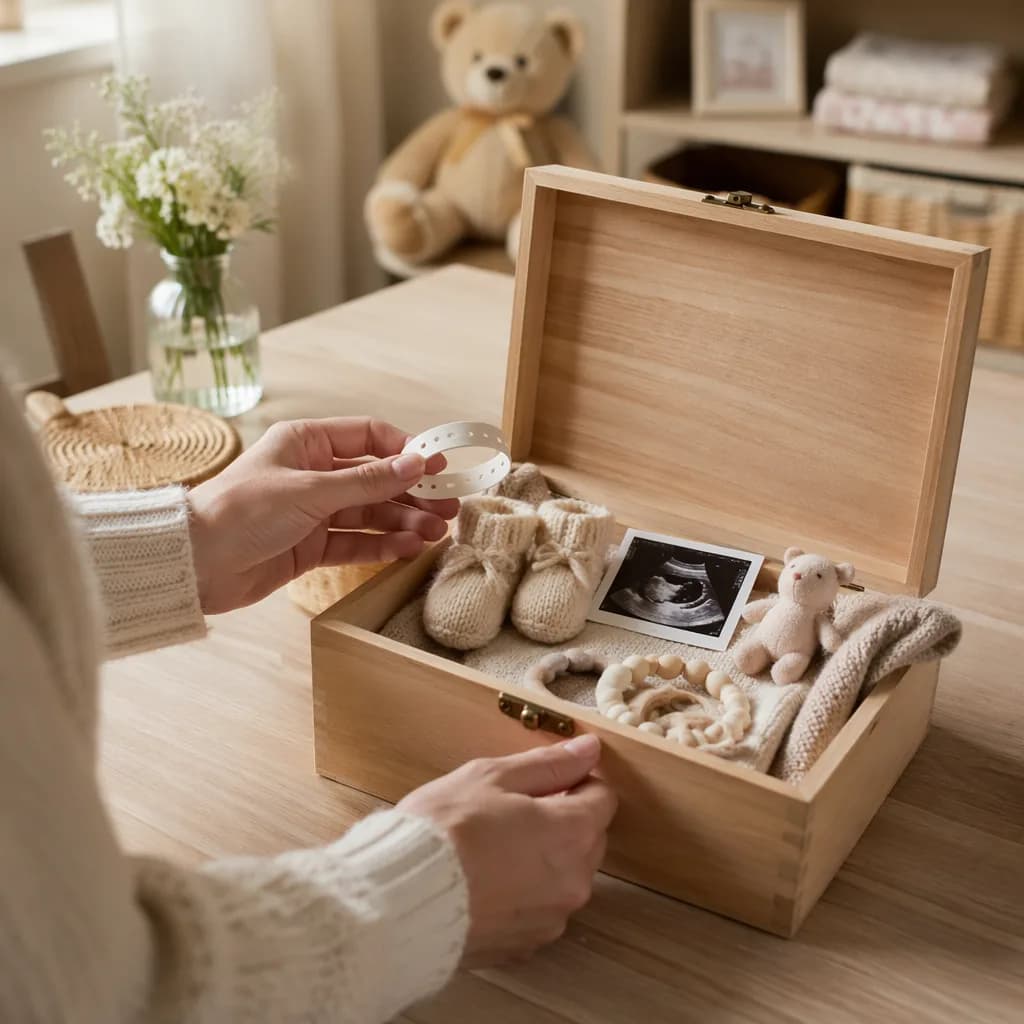 family
How to Build a Simple Baby Memory Box at Home
Build a simple baby memory box with the keepsakes that matter most, from hospital bracelets to first outfits, without turning it into clutter.
11 min readJul 19, 2026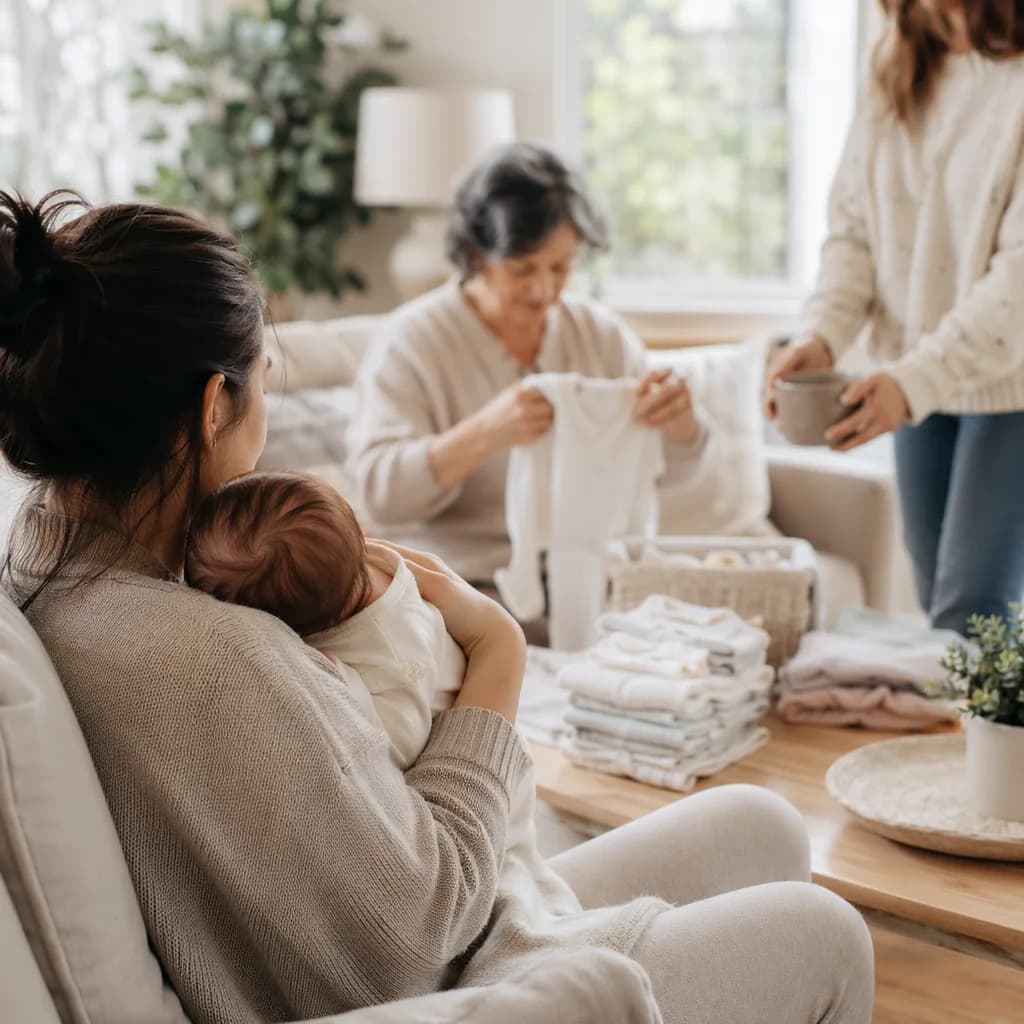 family
How to Ask Family for Help After Baby, Guilt-Free
Asking family for help after baby can feel awkward. Here are guilt-free scripts, clear tasks, and gentle boundaries that make support easier to accept.
11 min readJul 13, 2026 family
How to Create a Family Baby Name List Without Drama
Build a family baby name list with less pressure, clearer boundaries, and room for meaningful names from both sides of the family.
13 min readJul 7, 2026