
Postpartum Identity: Feeling Like Yourself After Baby

What postpartum identity shift means
Postpartum identity is the change in how you see yourself after becoming a parent. It can feel tender and strange at the same time, because your body, routines, relationships, and priorities have all been rearranged while you’re also caring for a brand-new baby.
And no, it isn’t always one clean emotion.
You might feel deep love and pride one minute, then grief or resentment the next. You might adore your baby and still miss the version of you who could answer work emails with both hands free, shower without listening for cries, or leave the house without packing like you’re moving for the weekend. Those feelings can sit side by side. They don’t cancel each other out.
Maybe you pull on an old pair of jeans and feel oddly far away from the person who wore them before pregnancy. Or you scroll past a photo from a dinner out, hair done, shoulders relaxed, and think, “Was that really me?” That little ache is part of the shift many new parents feel.
Feeling like yourself after baby usually comes back in pieces, not all at once. A meal that steadies you. A five-minute walk. A real laugh with your partner. A small routine that makes you feel human again. If closeness feels different right now, Relationship After Baby: Stay Close as New Parents may help. For the everyday basics, Postpartum Meal Planning for Recovery and Busy Days, Postpartum Self Care That Helps You Feel Human, and Postpartum Exercise: Gentle Ways to Move After Birth can offer gentle starting points.
Why you may not feel like yourself after baby
If you don’t feel like yourself after having a baby, it doesn’t mean you’re doing anything wrong. Postpartum begins right after birth and is often described as the first six to eight weeks, but the physical and emotional changes can last much longer. That alone can feel disorienting.
Your body is healing from a major event. You may be dealing with bleeding, cramping as your uterus shrinks, soreness, swelling, breast engorgement, headaches, hot flashes, or incision pain after a C-section. Add sleep loss on top of that, and even a tiny decision, like whether to wash bottles now or lie down for 12 minutes, can feel strangely heavy.
Feeding can take over the day, too. Breastfeeding, pumping, formula prep, washing parts, tracking ounces, watching hunger cues, and wondering if the baby got enough can make time feel chopped into little pieces. Eating something nourishing helps, but it’s hard to plan food when you’re holding a baby at 3 p.m. and realizing you haven’t had lunch. Simple support, like postpartum meal planning for recovery and busy days, can make the basics feel less impossible.
Then there’s the mental load. Diapers. Naps. Bottles. Pumping parts. Appointments. Laundry. Baby cues. Which cry was gas? When was the last wet diaper? Did you text the pediatrician back?
No wonder your old routines feel far away.
Relationships can shift quickly, too. You and your partner may be tired, touched out, proud, scared, and snippy all in the same hour. Sex may feel complicated. Your body image may feel tender. Work, friendships, exercise, and even the quiet way you used to drink coffee can change overnight. If closeness feels different right now, Relationship After Baby: Stay Close as New Parents may help you name what’s happening without blaming each other.
Social media can make this even messier. Everyone else may look calm, showered, and polished while you’re sitting in yesterday’s shirt, googling baby sleep sounds and wondering who you are now. A small piece of self-care, like stepping outside for two minutes or reading Postpartum Self Care That Helps You Feel Human, can be a gentle start. Later, when your provider says it’s okay, gentle postpartum exercise may help you reconnect with your body in a kind way.
And if your brain wanders to names, memories, or the person you imagined you’d be as a parent, that’s normal too. Even something as specific as reading about Tanmay Suresh Upadhyay: meaning & origin can remind you that identity is layered, personal, and still unfolding.
Signs your new mom identity is still settling
You can love your baby with your whole heart and still miss your old life.
That mix can feel confusing at first. Maybe you’re proud of what your body just did, then five minutes later you feel trapped under a sleeping baby and want to cry because you can’t get up for water. Maybe you’re touched out by dinner, craving a quiet room with no one needing your body, your voice, or your attention. Maybe you miss being able to leave the house without timing feeds, diapers, naps, and your own healing body.
These are common signs that your new identity is still taking shape:
- Missing your old routines, privacy, or freedom
- Feeling touched out, even when you want closeness
- Craving silence or alone time
- Feeling proud and trapped in the same day
- Wondering, “Who am I now?”
- Feeling guilty because you wanted this baby and still feel unsettled
Postpartum can bring physical and emotional changes for weeks, and some changes last longer. Your body is healing, your hormones are shifting, and your daily life looks completely different. Of course your sense of self may feel wobbly.
There’s a difference, though, between normal adjustment and feeling like nothing matters anymore. Missing brunch with friends is one thing. Losing all interest in people, hobbies, work, food, or small pleasures that once felt like you deserves support. You don’t have to wait until things feel unbearable to tell your healthcare provider.
Postpartum wellbeing is emotional and practical. It can look like honest talks with your partner about staying connected after baby, simple recovery meals, tiny acts of self-care, or gentle movement when your provider says you’re ready. If you need a soft place to start, these guides on Relationship After Baby: Stay Close as New Parents, Postpartum Meal Planning for Recovery and Busy Days, Postpartum Self Care That Helps You Feel Human, and Postpartum Exercise: Gentle Ways to Move After Birth can help. Even choosing or revisiting a meaningful name, like Tanmay Suresh Upadhyay: meaning & origin, can remind you that identity grows through stories, family, and love.
Small ways to feel like a person again
Postpartum can make the smallest parts of your old day feel far away. A quiet cup of coffee. A shower where you’re not half-listening for cries. Two minutes of thinking about something besides feeds, diapers, swelling, bleeding, sleep, and whether you’re doing any of this right.
Start tiny. Pick one repeatable ritual that belongs to you before the day starts asking for everything. Maybe you drink coffee outside for five minutes before checking baby apps or messages. Not a whole morning routine. Just five minutes with your mug, your feet on the ground, and no tracking.
That counts.
You can also choose one pre-baby habit to keep, but shrink it until it fits your real life right now. If you used to read every night, read two pages instead of finishing a chapter. If you used to take long walks, step outside and walk to the corner when your body feels ready, especially in those early weeks when healing and rest matter so much. If gentle movement is something you miss, Postpartum Exercise: Gentle Ways to Move After Birth has ideas that meet you where you are.
Ask for help in a way that’s clear and hard to misunderstand. Try: “Can you take the baby for 30 minutes after dinner so I can shower without listening for cries?” Specific beats vague. It also gives your partner or support person a real job, not a hint they have to decode while everyone is tired. If you and your partner are trying to stay connected in this foggy season, Relationship After Baby: Stay Close as New Parents can help you talk about the small things before they become big things.
Make room for interests that have nothing to do with parenting. Listen to a basketball podcast. Water your plants. Look up a name meaning just because you love names, like Tanmay Suresh Upadhyay: meaning & origin. You’re allowed to have thoughts that aren’t useful to the baby.
And please don’t treat self-care like a prize you earn after doing everything perfectly. Eating something steady, resting when you can, showering, and having a few minutes alone are basic maintenance. If food is the thing that keeps falling apart, Postpartum Meal Planning for Recovery and Busy Days may make the day feel less sharp around the edges.
You’re still in there. Maybe changed, maybe tender, maybe very tired. But still you. For more simple ways to feel human in this season, keep Postpartum Self Care That Helps You Feel Human close.
How to talk about the identity shift with your partner
This can be strangely hard to say out loud.
Everyone asks, “How’s the baby?” first. Then maybe, “Are you sleeping?” But fewer people ask, “Do you still feel like yourself?” So you may start to wonder if missing your old rhythms, your privacy, your body, your work brain, or your quiet cup of coffee means you’re doing something wrong.
It doesn’t.
A gentle place to start is with one honest sentence: “I love our baby, and I miss feeling like me.” You might also try, “I’m happy we’re parents, and I’m grieving parts of my old life,” or “I don’t need you to fix this tonight. I need you to hear me.”
These conversations go better when they’re specific. Instead of “I’m drowning,” try, “I need one hour on Saturday where nobody touches me or needs me.” Instead of “You never help,” try, “Can you take the 6 a.m. diaper and baby handoff so I can sleep until the next feed?”
Talk through the daily pressure points: sleep, personal time, chores, feeding roles, meals, and emotional check-ins. If dinner is becoming the thing that breaks the evening, make it practical and boring. A freezer meal, a snack plate, or ideas from Postpartum Meal Planning for Recovery and Busy Days can matter more than a long heart-to-heart at 7 p.m.
Your partner may be changing too. They may feel unsure, left out, protective, or overwhelmed. Still, if you gave birth, you may also be healing physically while dealing with hormonal shifts, soreness, bleeding, breast changes, and serious exhaustion. That’s a lot to carry.
Keep checking in, even for ten minutes. “What felt hard today?” “What do you need tomorrow?” “Where did we feel like a team?” For more on staying connected in this season, Relationship After Baby: Stay Close as New Parents is a helpful next read. And if you need small ways to feel human again, start with Postpartum Self Care That Helps You Feel Human, not a giant life overhaul.
Returning to work, friendships, and old routines
Going back to work can feel strange, even if you missed your job. Staying home can feel strange too, even if you chose it with your whole heart. Either way, there can be emotional whiplash.
You might feel pulled between two versions of yourself: the person who used to answer emails without thinking about feeding windows, and the person who now measures the day in naps, laundry, and whether you got five quiet minutes to eat. That push and pull doesn’t mean you made the wrong choice. It means your identity is adjusting after a huge life change.
Friendships can shift in this season too. Some friends will understand that a 7 p.m. dinner now sounds impossible. Others may not know what to do with the fact that your schedule, energy, and priorities have changed. You may miss the old ease of texting “want to meet in an hour?” and actually going. That loss can sting.
Start smaller than you think you “should.” A short walk with a friend might feel more doable than a full dinner out. A quick voice note may be easier than a long catch-up call. If movement sounds good in your body, gentle ideas from Postpartum Exercise: Gentle Ways to Move After Birth can help you reconnect without turning it into another task to perform.
Routines can come back in pieces. Maybe Sunday meal prep now means washing berries and making one easy lunch, not filling the fridge with labeled containers. If food feels like one more thing, Postpartum Meal Planning for Recovery and Busy Days has practical ways to keep yourself fed when the day keeps changing.
It’s also okay to set boundaries with people who expect the old you to show up right away. You can love them and still say, “I’m not up for that yet,” or “I’d love to see you, but I need something short and low-key.” The same goes for your partner. Staying connected may take more intention now, and Relationship After Baby: Stay Close as New Parents can help if you’re both feeling stretched.
You’re still you. Just don’t rush yourself back into a life that no longer fits exactly the same. Tiny acts of care, like a shower, a real snack, or ten quiet minutes, count too. Postpartum Self Care That Helps You Feel Human is a good place to start.
When the shift may be something more
Some identity wobble after birth makes sense. Your body is healing, your sleep is broken, and your days may look nothing like they did a few weeks ago.
But there’s a point where “this is hard” starts to feel like “I’m not okay.” Please don’t brush that off.
Watch for signs like persistent sadness, rage that feels bigger than you, panic, scary intrusive thoughts, feeling detached from your baby, or thoughts that you don’t want to be here. These symptoms can feel frightening, especially if you expected this season to feel softer or more joyful. They don’t mean you’re a bad parent. They mean you deserve support.
Postpartum depression, anxiety, OCD symptoms, and trauma symptoms are treatable. You do not have to wait until things are unbearable, and you do not have to prove you’re struggling “enough” to ask for help.
A good first step is contacting your OB, midwife, primary care doctor, therapist, or a local postpartum support line. If you have a postpartum checkup coming up, write down what’s been happening before you go. It’s much easier to hand over a note that says, “I’m having panic at night and I feel numb toward the baby,” than to try to explain it while you’re exhausted.
Basic care still matters, but it isn’t a substitute for mental health support. Food, rest, movement, and connection can sit alongside treatment. If you need gentle ideas, Postpartum Self Care That Helps You Feel Human, Postpartum Meal Planning for Recovery and Busy Days, Postpartum Exercise: Gentle Ways to Move After Birth, and Relationship After Baby: Stay Close as New Parents may help you feel a little less alone.
And if you think you might hurt yourself or your baby, seek emergency help right away. Call emergency services or go to the nearest emergency room now.
What feeling like yourself again can actually look like
Feeling like yourself again after birth usually doesn’t mean snapping back to the exact person you were before. Too much has changed for that, physically and emotionally. Postpartum begins right after childbirth and is often described as the first six to eight weeks, but many of the changes can stretch beyond that window. So if your sense of self feels blurry for longer than you expected, you’re not doing anything wrong.
A more realistic goal is integration.
You’re a parent now, and you still get to have preferences, humor, opinions, ambition, rest needs, and private thoughts. You can love your baby deeply and still miss quiet mornings, easier plans, or the version of you who could finish a sentence without checking the clock. That mix can feel strange, but it’s also very human.
Sometimes the return of “you” shows up in tiny flashes. You’re pushing the stroller, listening to a podcast, and suddenly you laugh out loud. Then you realize you haven’t thought about feeding schedules for ten whole minutes. Not because you forgot your baby, but because another part of you got a little air.
Those moments count.
They may come alongside practical care too: a simple plan for food from Postpartum Meal Planning for Recovery and Busy Days, a few minutes of gentler movement when your body is ready with Postpartum Exercise: Gentle Ways to Move After Birth, or one honest conversation with your partner after reading Relationship After Baby: Stay Close as New Parents. Small supports can make it easier to feel like a whole person, not just the person on call.
Postpartum identity often grows steadier with time, support, sleep, and room to be more than one role. You’re not lost forever. You’re becoming familiar to yourself again, bit by bit.
Frequently Asked Questions
Is it normal to feel like I lost myself after having a baby?
Yes. Many parents feel this way after birth because their body, time, relationships, sleep, and daily choices change so quickly.
How long does postpartum identity shift last?
It varies. Some parents feel steadier within a few months, while others notice changes across the first year or longer, especially with limited support.
How can I start feeling like myself after baby?
Start small. Keep one personal ritual, ask for protected alone time, talk honestly with someone safe, and get support if sadness or anxiety feels heavy.
Can I love my baby and miss my old life?
Absolutely. Missing freedom, sleep, work, hobbies, or quiet does not mean you love your baby any less.
When should I get help for postpartum wellbeing?
Reach out if you feel persistently sad, panicked, numb, angry, hopeless, detached, or scared by your thoughts. You deserve care quickly.
Frequently asked questions
Is it normal to not feel like myself after having a baby?
How long does the postpartum identity shift last?
What can help me feel more like myself postpartum?
When should I ask for help with postpartum feelings?
References
Sources
External research this article was grounded in.
- Postpartum: Stages, Symptoms & Recovery Timemy.clevelandclinic.org
- Who Am I Now? Coping With Postpartum Identity Loss | Psychology Todaypsychologytoday.com
- Postpartum period - Wikipediaen.m.wikipedia.org
- Postpartum Identity Loss: How to Feel Like Yourself Againexpectful.com
- Postpartum Identity Crisis: Complete Guide for New Moms | TeachToddlerteachtoddler.com
- Postpartum: The Authoritative Guide (2026) | APAamericanpregnancy.org
Related reading
More from the journal →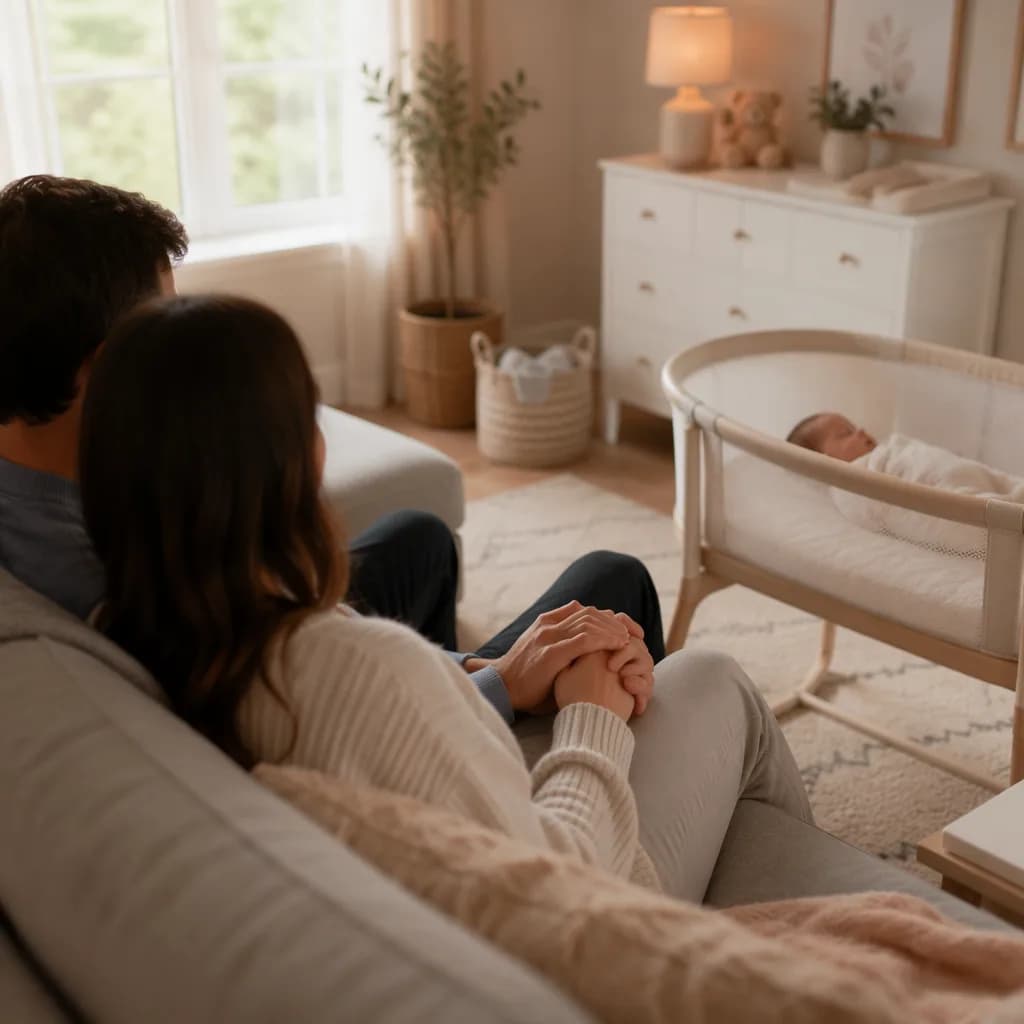 wellness
Relationship After Baby: Stay Close as New Parents
Baby changes your relationship fast. Here’s how to talk, share the load, repair after hard moments, and stay close in the postpartum weeks.
11 min readJul 25, 2026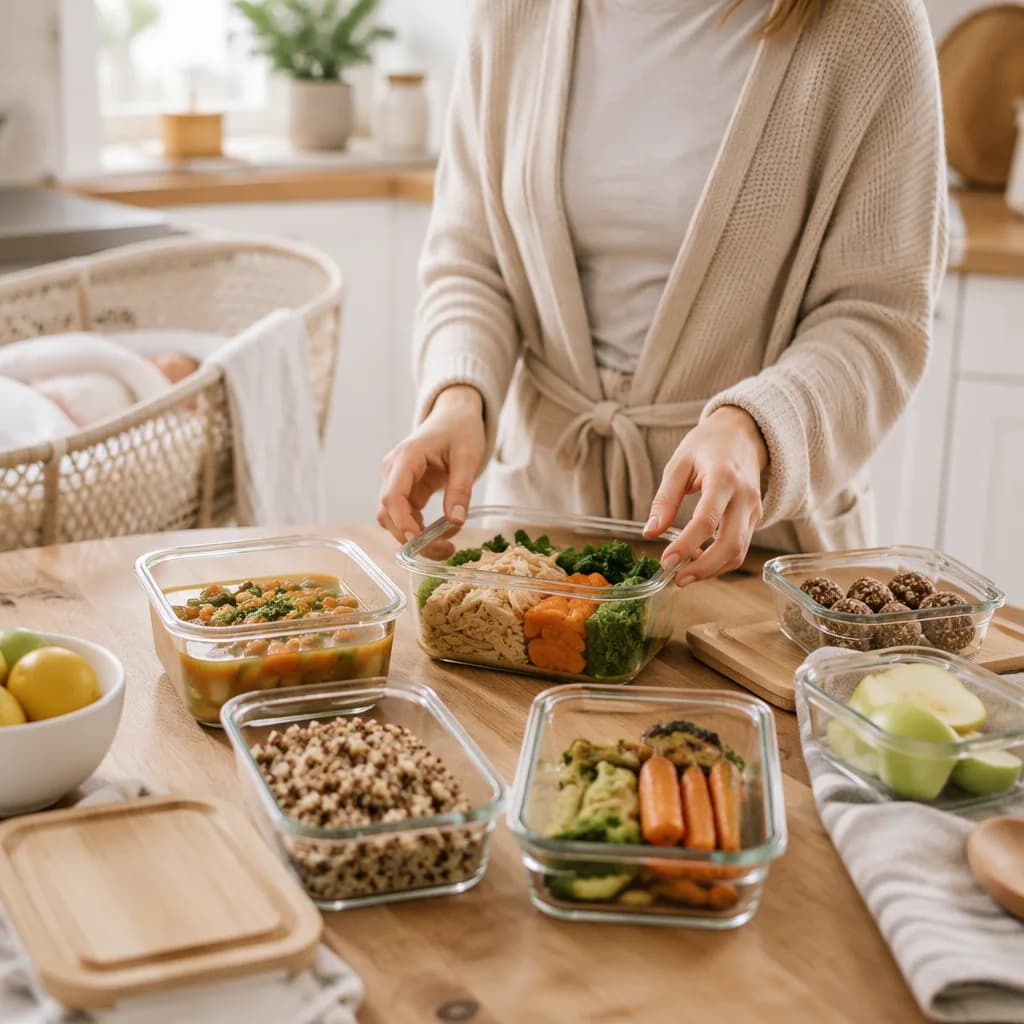 wellness
Postpartum Meal Planning for Recovery and Busy Days
Simple postpartum meal planning for healing, steady energy, and busy newborn days, with easy meals, snacks, freezer ideas, and one-hand options.
12 min readJul 23, 2026 wellness
Postpartum Self Care That Helps You Feel Human
Postpartum self care can be tiny and still matter. Start with food, water, rest, comfort, and support that helps you feel human again.
14 min readJul 20, 2026