
Third Trimester Checklist for Birth and Baby Prep
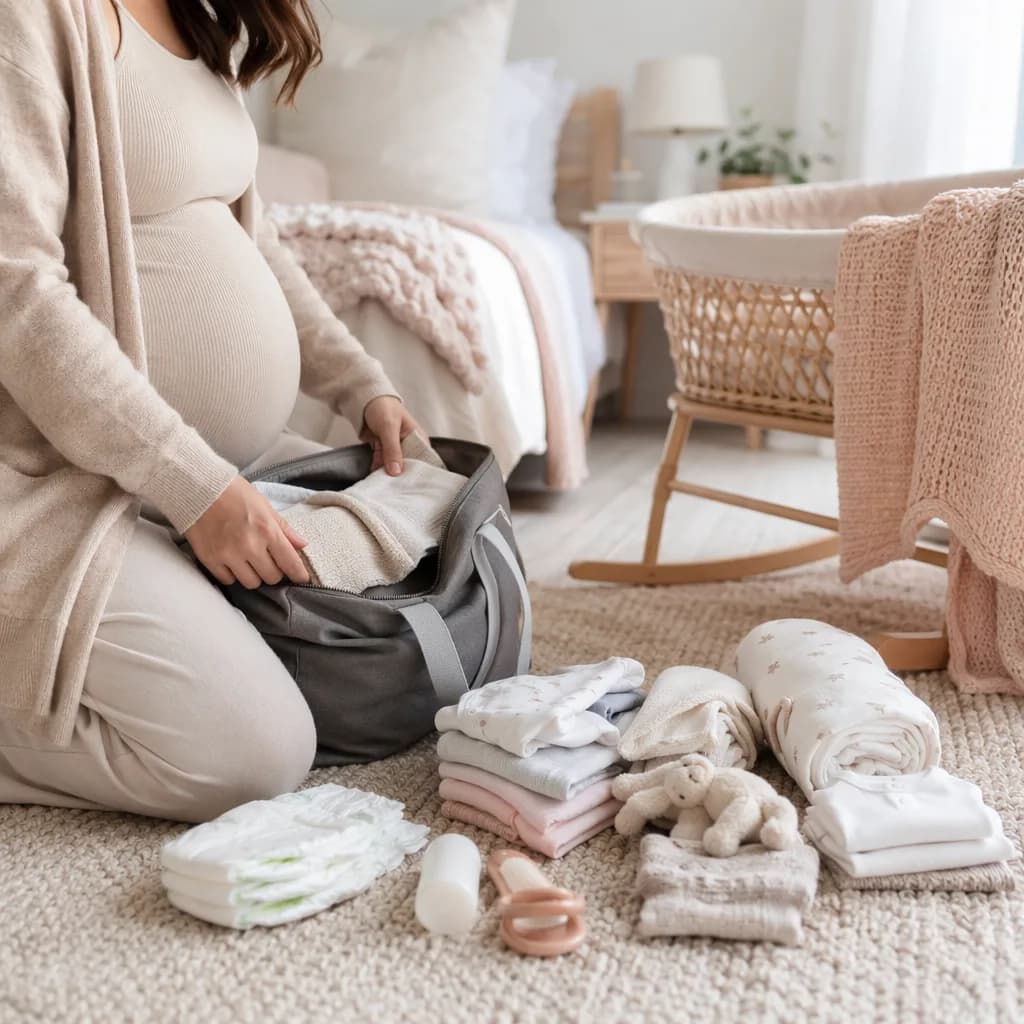
Third trimester checklist by week
Here’s a simple week-by-week third trimester checklist you can use from week 28 through delivery. If you’re having twins, planning a C-section, managing a high-risk pregnancy, or expecting an earlier delivery, your timing may shift. Follow your care team’s plan first.
Weeks 28-32: get your care and support lined up
Schedule your third trimester appointments and bring any lingering questions. This is also a good time to review birth class options, especially if you like knowing what to expect before things get real. If your provider recommends kick counts, ask exactly when and how they want you to track them.
Choose a pediatrician now, then save the office number in your phone. You’ll be glad it’s done.
If you’re still sorting out dates, this guide to Pregnancy Due Date: How It Is Calculated can help you understand your timeline. You can also peek back at the First Trimester Checklist for a Calm Start if you like seeing how far you’ve come.
Weeks 33-36: prep the practical stuff
Install the car seat and have it checked if you’re unsure. Wash baby clothes, sheets, and swaddles. Pack hospital bags for you, your partner, and baby, using a clear list like this Hospital Bag Checklist for Parent, Partner, and Baby or this Hospital Bag Checklist for Labor, Birth, and Baby.
Finalize work or leave paperwork too. Boring, yes. Helpful later, absolutely.
Weeks 37-40: stay ready
Keep bags by the door, confirm your ride, review signs of labor with your provider, and stock simple meals at home. Think freezer meals, snacks, and anything you can eat one-handed.
And if you’re still playing with baby name ideas, even browsing something specific like Tanmay Suresh Upadhyay: meaning & origin can be a sweet little pause in the waiting.
Birth prep checklist for the final months
A birth prep checklist is there to steady you, not grade you. Think of it as a simple way to reduce the number of decisions you’re making when you’re tired, excited, uncomfortable, or all three at once.
Start with the people. Choose who you want with you during labor, who can be on standby for older kids or pets, and who should get updates once baby arrives. Then save the phone numbers for your hospital, birth center, provider, doula, and pediatrician in your phone. If you’re giving birth somewhere unfamiliar, check where to park, which entrance to use, and what to do if you arrive after hours.
It also helps to write your birth preferences on one page. Keep it plain and easy to scan. You might include:
- Pain relief preferences
- Movement during labor
- Monitoring preferences
- Newborn procedures
- Feeding plans
- C-section preferences, if needed
This doesn’t mean birth will follow the page exactly. It just gives your care team a quick picture of what matters to you.
At one of your final prenatal appointments, ask your provider about signs of labor, when to call, and what counts as urgent. Ask the questions that feel too basic. “If my water breaks but contractions haven’t started, do I call right away?” is exactly the kind of thing that’s better to know before you’re standing in the kitchen at 2 a.m.
A very practical move: after 37 weeks, keep a towel, phone charger, water bottle, and copy of your ID in the car. It’s small, but it can make a surprise change of plans feel less chaotic.
If you’re still building your pregnancy rhythm, you may like the First Trimester Checklist for a Calm Start or this simple guide to Pregnancy Due Date: How It Is Calculated. For packing, use the Hospital Bag Checklist for Parent, Partner, and Baby or the Hospital Bag Checklist for Labor, Birth, and Baby. And if name ideas are still floating around, Tanmay Suresh Upadhyay: meaning & origin is a sweet one to save for later.
Hospital Bag Checklist for Parent, Baby, and Partner
Packing one giant bag sounds simple, until you’re trying to find lip balm during contractions or a clean shirt after a long night. I’d separate everything into three smaller sections: birthing parent, baby, and support person. Zip pouches, packing cubes, or even labeled grocery bags work just fine.
If you want the full version, keep our Hospital Bag Checklist for Parent, Partner, and Baby open while you pack.
For the birthing parent, start with the true must-haves:
- ID and insurance card
- Phone charger, ideally with a long cord
- Toiletries: toothbrush, toothpaste, deodorant, face wash
- Hair ties or clips
- Lip balm
- Loose clothes for after birth
- Nursing or pumping bra
- Comfortable going-home outfit
- Any daily medications
For baby, keep it simple. Most newborns don’t need much in the hospital, but you’ll want:
- Going-home outfit in newborn size
- Going-home outfit in 0-3 month size, just in case
- Blanket for the ride home
- Properly installed car seat
- Hat, if you’d like one for photos or extra warmth
- Pediatrician contact details saved in your phone or written down
For your partner or support person, think comfort and stamina. Labor can be long, and hospital chairs are not exactly cozy.
- Snacks
- Refillable water bottle
- Hoodie or warm layer
- Chargers
- Basic toiletries
- Change of clothes
Most hospitals usually provide things like diapers, wipes, mesh underwear, pads, basic baby blankets, and peri bottles, but check your own facility before you assume. Some are generous. Some are bare bones.
If you’re still early in planning mode, our First Trimester Checklist for a Calm Start can help you get organized from the beginning, and Pregnancy Due Date: How It Is Calculated is helpful if you’re still working out your timeline. For another packing pass, you can also use this Hospital Bag Checklist for Labor, Birth, and Baby.
Prepare for baby checklist: gear you actually need
By the third trimester, baby gear can start to feel like a full-time research project. You don’t need a giant registry-style list to bring your baby home. You need the safe, useful basics ready before birth, then you can add the extras later if they truly fit your life.
Start with sleep. Set up a crib or bassinet with a firm mattress and fitted sheets only. Keep the sleep space clear of loose blankets, pillows, and stuffed animals. A few sleep sacks are helpful because they’re simple, washable, and easy to grab during those half-awake nighttime changes.
For feeding, think about what you’ll actually reach for at 2 a.m. Keep burp cloths nearby, bottles if you’re using them, formula if that’s your plan, and clean breast pump parts if you’ll be pumping. Nipple cream can live in a small nightstand feeding basket with snacks, a water bottle, and anything else you’ll want within arm’s reach. It doesn’t have to be cute. It has to be useful.
Diapering is another place to keep it simple. Have diapers in a couple of sizes, wipes, diaper cream, and a changing pad or mat. Decide where the dirty diapers will go too. A regular trash can can work if that’s your plan, but you’ll want the bags and setup ready before you’re holding a wiggly newborn in one arm.
Travel gear is non-negotiable. You’ll need a properly installed rear-facing car seat before baby comes home. A stroller or baby carrier is helpful for early outings, and your diaper bag only needs to be stocked for one short trip at first: diapers, wipes, a change of clothes, feeding supplies, and a small bag for messes.
For clothing, zip sleepers are the quiet hero. Add onesies, socks, and hats if the weather calls for them. Wash baby clothes, sheets, and swaddles ahead of time in baby-safe detergent, then keep a simple laundry plan so tiny clothes don’t take over the house.
The nice-to-have items can wait. Wipe warmers, swings, bottle sterilizers, and fancy nursery decor may be lovely, but they’re not the first layer of preparedness.
If you’re still lining up the bigger picture, you might also like our First Trimester Checklist for a Calm Start, this guide to Pregnancy Due Date: How It Is Calculated, and a practical Hospital Bag Checklist for Parent, Partner, and Baby. For packing day itself, keep the Hospital Bag Checklist for Labor, Birth, and Baby close. And if name ideas are still floating around during all this prep, Tanmay Suresh Upadhyay: meaning & origin is a sweet one to read with a cup of tea.
Home basics to set up before baby arrives
Before baby comes home, picture a regular Tuesday at 2:13 a.m. You’re tired, the baby is hungry, and you don’t want to search the house for wipes or a clean burp cloth. A few small stations can make those early days feel much less chaotic.
Start with a feeding spot where you’ll actually sit. That might be the nursery chair, your side of the bed, or one corner of the couch. Keep a basket nearby with a big water bottle, easy snacks, burp cloths, a phone charger, and a dim light. Nothing fancy. Just the things you’ll reach for when you’re feeding a newborn and trying not to fully wake yourself up.
If your home has more than one floor, set up a diaper station on each level if you can. A simple basket works beautifully: diapers, wipes, diaper cream, and one spare outfit. Add a small changing pad or towel so you’re not running upstairs after every blowout. Future you will be grateful.
Your bathroom deserves a little prep too. Stock it with postpartum basics: pads, a peri bottle, comfortable underwear, and any pain relief your provider has approved. If your provider recommends a stool softener, have that ready as well. You can tuck everything into one bin so it’s easy to grab.
Food is another home basic that matters. Prep a few freezer meals, stock breakfast items, and buy one-handed snacks like granola bars or muffins. If paper plates lower the mental load for the first week, use them. This is not the season for proving anything.
Add a few quick safety checks while you’re at it: test smoke detectors, clear walkways for night feeds, and keep pet supplies or toddler toys away from the baby’s sleep space.
If you’re still working through the bigger prep list, our Hospital Bag Checklist for Labor, Birth, and Baby pairs well with this stage. You might also like the calmer early planning in the First Trimester Checklist for a Calm Start, especially if you’re helping a pregnant friend get organized from the beginning.
Medical, paperwork, and money tasks
This is the unglamorous part of the third trimester checklist, but truly, it’s one of the kindest things you can do for your future tired self.
Try to group these tasks into one or two “life admin” sessions before contractions start or newborn sleep stretches take over. Put on a show, grab a snack, and get the boring stuff handled.
Start with health insurance. Confirm exactly what you’ll need to do to add the baby after birth, including any forms, deadlines, or documents they’ll ask for. If you’re using short-term disability or parental leave through work, finish those forms now too. This is also a good time to write simple handoff notes for your job: current projects, passwords or file locations if allowed, key contacts, and what can wait.
Choose a pediatrician and save their number in your phone. Ask how soon they want to see the baby after discharge so you’re not trying to figure it out while holding a newborn and running on two hours of sleep.
If your hospital or birth center offers pre-registration, get that done. Then gather the basics in one folder or pouch: IDs, insurance cards, medication lists, hospital paperwork, and important phone numbers. Tuck it near your packed bag, or use it as a reminder while working through your Hospital Bag Checklist for Parent, Partner, and Baby or Hospital Bag Checklist for Labor, Birth, and Baby.
Money and home logistics matter too. Talk through bills, childcare deposits, meal help, pet care, older-kid plans, and who will handle errands during the first two weeks.
If you like timeline planning, your Pregnancy Due Date: How It Is Calculated can help you work backward. And if you’ve been checking things off since the First Trimester Checklist for a Calm Start, this is where the early organizing really starts to pay off.
One tiny side quest: if you’re still playing with name ideas, pages like Tanmay Suresh Upadhyay: meaning & origin can be a sweet break from the paperwork.
Postpartum recovery plan for the first two weeks
Postpartum planning can sound intense, but really, it’s just making the first two weeks softer. You’re not trying to control everything. You’re setting up a little safety net for the tired, tender, leaky, emotional days after birth.
Expect rest to be the main job. Bleeding is common after birth, soreness can make basic movement feel slow, and night wakings are part of the early rhythm. Your emotions may swing too. You might cry because the baby is tiny, because the toast burned, or because someone asked how you’re doing. That doesn’t mean you’re failing. It means your body and mind are doing a lot.
Before baby arrives, make a simple recovery basket near your bed or bathroom. Add pads, a peri bottle, comfy underwear, pain relief if your provider has recommended it, and easy snacks. If you’re still packing, this pairs well with a Hospital Bag Checklist for Parent, Partner, and Baby or a Hospital Bag Checklist for Labor, Birth, and Baby.
Keep your provider’s number somewhere obvious, and ask for help right away if you have heavy bleeding, fever, severe headache, chest pain, trouble breathing, leg swelling or pain, or thoughts of self-harm. Put that list on the fridge if you need to. Sleepy brains forget things.
Make visitors useful. A short help list can save you from hosting when you should be healing:
- Bring dinner
- Walk the dog
- Fold towels
- Hold the baby while you shower
- Refill your water bottle
For feeding, save a lactation contact ahead of time if you plan to breastfeed. If you’re using formula, have bottles and formula supplies ready. In the early days, make a simple plan for tracking wet and dirty diapers, even if it’s just a note on your phone.
If you’re having a C-section, add high-waisted underwear, a pillow to hold against your belly when coughing or riding in the car, and keep essentials at waist height so you’re not bending all day.
If you like planning in stages, your First Trimester Checklist for a Calm Start and Pregnancy Due Date: How It Is Calculated can help you see how far you’ve come. And if name tabs are still open at 2 a.m., something gentle like Tanmay Suresh Upadhyay: meaning & origin can be a sweet little pause.
What can wait until after birth
You do not need to finish every baby task before your due date. Truly.
Nursery decorating can wait. Stocking every diaper size can wait. Buying a high chair can definitely wait, since a newborn won’t be sitting in it for a while. And you don’t need to open, wash, and assemble every baby gadget before you know what your actual days with baby look like.
A good rule: leave tags on some clothes and gear until you’ve met your baby. You may find out they skip newborn sizes quickly, prefer one kind of bottle, or barely use that fancy swaddle everyone recommended. Keep receipts where you can find them, and give yourself permission to return what doesn’t fit your baby’s size, feeding style, or daily routine.
The real must-haves are much simpler: a safe place for baby to sleep, a properly installed car seat, diapers, feeding supplies, a few clean clothes, and basic postpartum care for you. If the crib sheet is clean and there’s food in the freezer, you’re doing enough.
If you like a list to keep your brain calm, you can work backward from your date with Pregnancy Due Date: How It Is Calculated, or keep the early months simple with our First Trimester Checklist for a Calm Start. Then, closer to birth, focus on packing what you’ll actually use with the Hospital Bag Checklist for Parent, Partner, and Baby.
Frequently Asked Questions
What should be on a third trimester checklist?
A third trimester checklist should include birth prep, provider appointments, hospital bags, car seat installation, baby sleep space, feeding supplies, diapers, postpartum items, and key paperwork.
When should I start preparing for baby in the third trimester?
Many parents start around 28-32 weeks, then finish bigger tasks like the car seat, hospital bag, and home setup by 36-37 weeks.
What do I need to buy before the baby is born?
Buy or borrow a safe sleep space, rear-facing car seat, diapers, wipes, a few outfits, feeding supplies, swaddles or sleep sacks, and postpartum recovery basics.
When should I pack my hospital bag?
Packing by 35-36 weeks is a good goal. If you have a higher chance of early delivery, ask your provider if you should pack sooner.
What should I do at 37 weeks pregnant?
At 37 weeks, keep your hospital bag ready, confirm your ride, review labor signs, install the car seat, and make sure your baby sleep space is set up.
What baby items can wait until after birth?
A high chair, lots of toys, nursery decor, extra gadgets, and big clothing stockpiles can usually wait until you know what your baby actually uses.
Frequently asked questions
When should I start my third trimester checklist?
What should I pack in my hospital bag for birth?
What baby items should be ready before delivery?
What should I ask my provider near the end of pregnancy?
References
Sources
External research this article was grounded in.
- Ordinal Numbers in English – Rules, List, Usage & Examplesvocaberry.com
- Third Trimester Checklist: The Essentials + The Extrasminimalistmama.co
- Third Trimester Checklist to Get You Totally Prepared Before You're Due!blog.mommylabornurse.com
- Third trimester checklist: Getting ready for your baby | Floflo.health
Related reading
More from the journal → pregnancy
Pregnancy Announcement Ideas: Simple Ways to Share
Simple pregnancy announcement ideas for family, friends, social media, siblings, holidays, and work, with low-pressure ways to share your happy news.
14 min readJul 15, 2026 pregnancy
Choosing a Baby Name During Pregnancy Without Stress
Pick a baby name without pressure. Start early, build a shared list, test real-life fit, and keep a few calm backup choices for birth.
10 min readJul 13, 2026 pregnancy
Third Trimester Checklist for Baby and Birth Prep
A calm third trimester checklist for birth, baby gear, home prep, hospital bags, postpartum supplies, and the final weeks before baby arrives.
13 min readJul 3, 2026