
When Can Babies Drink Water? Safe Age-by-Age Guide
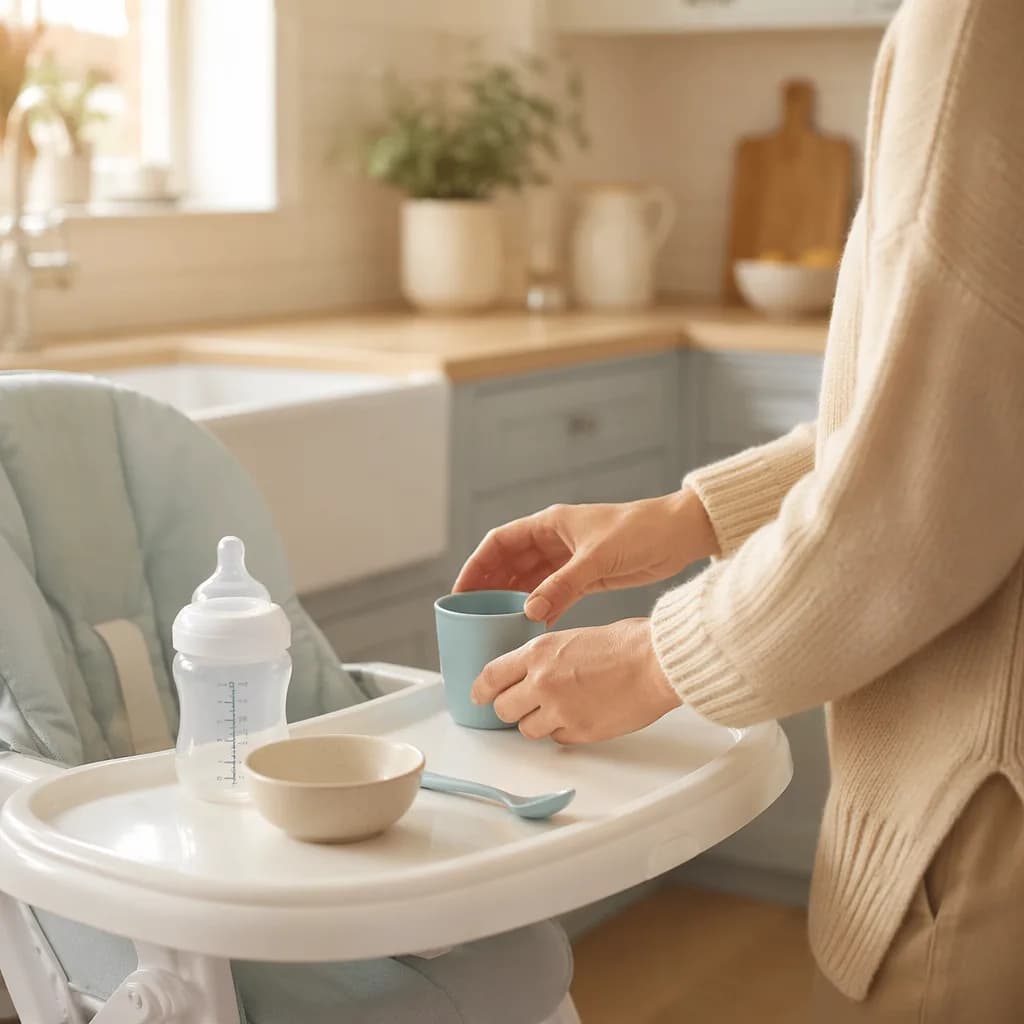
When can babies drink water?
Most babies can start having small sips of water around 6 months, right when they’re ready to begin solid foods. Think tiny amounts, not a full cup. At first, water is mostly for learning how to drink from an open cup or straw cup.
Before 6 months, babies don’t need plain water on its own. Breast milk or formula should meet their fluid needs, even on warm days in most situations. Offering water too early can fill their little belly and make them less interested in breast milk or formula, which are still their main sources of nutrition and hydration.
Around 6 months, you can offer a few sips of water with meals. A small open cup is great practice. A straw cup works too. Keep it simple: pour in about 1 fluid ounce and let your baby explore. Spills count as practice. So does coughing a little while they figure out the new mouth movements. Drinking from a cup is different from sucking at the breast or bottle.
If you’re also getting ready for food, our Starting Solids Guide: First Foods Step by Step can help you pair those first meals with calm, low-pressure cup practice.
Keep breast milk or formula as the main drink through the first year. These guides may help if you’re sorting out daily feeds: Breast Milk Storage Guidelines for Fridge and Freezer, Breastfeeding Positions for a Comfortable Latch, and How Much Formula Does a Baby Need by Age?.
Call your pediatrician sooner if your baby has a medical condition, poor feeding, fever, vomiting, diarrhea, or special formula instructions. And if you landed here while browsing baby names like Tanmay Suresh Upadhyay: meaning & origin, welcome. The water question comes up for nearly every parent.
Can newborns drink water?
No. Newborns shouldn’t drink plain water unless a doctor specifically tells you to give it.
In those early weeks, breast milk or properly mixed formula is what a baby needs for both hydration and nutrition. Plain water can fill a newborn’s tiny stomach, which may make them take less breast milk or formula. That means fewer calories and fewer nutrients at a time when every feed matters.
There’s also a safety concern. Too much water can lower the sodium levels in a newborn’s blood, and that can be dangerous. This is one reason water is not recommended on its own before 6 months of age.
A real-life example: if your 3-week-old feeds for a short time and still seems thirsty or unsettled, offer more breast milk or properly mixed formula instead of a bottle of water. If you’re pumping, safe storage matters too, so it can help to keep a simple guide like these Breast Milk Storage Guidelines for Fridge and Freezer handy. If nursing feels tricky or baby keeps popping on and off, adjusting positioning can sometimes help, and our guide to Breastfeeding Positions for a Comfortable Latch walks through that gently.
One more important piece: never water down formula unless a medical professional directs you to. Formula should be mixed exactly as instructed so your baby gets the right balance of fluid and nutrients. If you’re unsure about amounts, this age-by-age guide on how much formula a baby needs can help.
How much water can baby have by age?
Here’s the simple version: before 6 months, babies usually don’t need plain water. Breast milk or formula is their hydration. Once solids start, water is mostly for practice with a cup.
| Baby’s age | How much water? | What to offer instead or alongside |
|---|---|---|
| 0-5 months | No plain water unless your doctor directs it | Breast milk and/or formula |
| 6-8 months | Small sips with meals, usually less than 4 oz total per day | Breast milk or formula remains the main drink |
| 9-11 months | Small sips with meals, up to about 8 oz per day | Breast milk or formula still provides most hydration |
| 12-24 months | About 8-32 oz per day | Water can become a regular drink, along with whole milk if recommended |
For babies 6-12 months, think “practice,” not “hydration goal.” A little water in an open cup or straw cup during meals helps build cup-drinking skills, especially as you work through a starting solids routine. Many babies do well with about 2-4 ounces total per day at first. It’s also fine if they spill most of it.
Under 6 months, plain water can fill a baby’s belly and make them less interested in breast milk or formula. If you’re pumping, safe storage matters too, so keep a trusted guide handy for breast milk storage. If formula feeding, your baby’s main fluid needs still come from correctly prepared formula, and you can check typical intake ranges in this guide to how much formula babies need by age.
Exact amounts aren’t one-size-fits-all. Appetite, warm weather, activity, constipation, and illness can change what a child needs. Day to day, wet diapers, alertness, and normal feeding are usually more useful signs than chasing a strict ounce target.
And if you’re nursing often while sorting all this out, comfort counts. A small latch adjustment from these breastfeeding positions can make those frequent feeds easier. Parenting tabs pile up fast, sometimes right next to baby name pages like Tanmay Suresh Upadhyay. Totally normal.
Why babies under 6 months usually do not need water
For babies under 6 months, water usually isn’t needed because breast milk and properly mixed infant formula are already designed to meet a baby’s hydration needs. They’re fluids, yes, but they also bring calories, minerals, and nutrients in the balance a young baby needs for growth.
Tiny babies have tiny stomachs. If water takes up that little space, a baby may be less motivated to breastfeed or finish a bottle, which can mean they miss out on the nutrition they actually need. This is why guidance is clear: before 6 months, offer breast milk and/or formula, not water on its own. If you’re pumping, safe storage matters too, so keep Breast Milk Storage Guidelines for Fridge and Freezer handy. If feeds are feeling hard, small adjustments from Breastfeeding Positions for a Comfortable Latch can sometimes help.
Too much water can also raise the risk of electrolyte imbalance. Water intoxication is rare, but it’s serious. Treat symptoms like unusual sleepiness, vomiting, swelling, low body temperature, seizures, or your baby acting very unlike themselves as urgent.
Hot day? In many cases, younger babies need more frequent breast milk or formula rather than water. Formula-fed families can check typical intake ranges in How Much Formula Does a Baby Need by Age?.
Around 6 months, small sips of water in a cup can begin alongside solids, and our Starting Solids Guide: First Foods Step by Step walks through that stage. And if you’re worried about dehydration or poor feeding, call your pediatrician. Trust that instinct.
Tiny side note for parents reading during a late-night scroll: if you’re also naming a baby, Tanmay Suresh Upadhyay: meaning & origin is there when you want something lighter.
Best ways to offer water for babies starting solids
Once your baby starts solids, offer water with meals rather than leaving a cup out for sipping all day. At this stage, water is mostly for practice. Breast milk or formula should still be doing the real hydration and nutrition work, so it helps to keep water tied to the high chair routine.
A tiny cup is enough. You can use an open cup, straw cup, or small training cup, whichever feels manageable for your baby and less chaotic for you. If you’re just getting started with food, our Starting Solids Guide: First Foods Step by Step can help you picture how water fits into the bigger mealtime rhythm.
Here’s a real-life version: pour 1 ounce of water into a small cup at lunch, place it on the high chair tray, and help your baby bring it to their mouth. They may take one sip. They may dump it straight onto the bib. Both count as practice.
Cup drinking asks babies to use their lips, tongue, and swallow muscles in a different way than bottle or breast feeding. So yes, gagging on a sip, coughing a little, dribbling, or spitting water out can happen while they learn. Go slowly, pause between sips, and keep the amount small.
Try not to put your baby to bed with a bottle of water, especially as teeth come in and sleep routines start to stick. If you’re balancing milk feeds with solids, these guides may help too: How Much Formula Does a Baby Need by Age?, Breast Milk Storage Guidelines for Fridge and Freezer, and Breastfeeding Positions for a Comfortable Latch.
What kind of water is safe for babies?
Once your baby is around 6 months and starting solids, small sips of water from a cup can be part of mealtimes. For many families, safe tap water is fine for this. The bigger question is whether your local water is considered safe where you live.
If you use well water, have older plumbing, or live somewhere with known water concerns, it’s sensible to check your local water safety guidance before offering it to your baby. If you’re unsure, ask your pediatrician what they recommend for your area.
Fluoride is another thing parents often wonder about. Fluoridated water can help support teeth, but too much fluoride over time may cause faint markings on teeth. If you’re mixing formula often or your baby drinks water daily after their first birthday, your dentist or pediatrician can help you decide what’s right.
Bottled water isn’t automatically safer. Some bottled waters don’t contain fluoride, and some aren’t sterile. So if you’re choosing bottled water, still read the label and ask your baby’s doctor if you’re using it for formula or regular drinking.
For formula prep, follow the formula label and your pediatrician’s guidance, since advice can vary based on your baby’s age, health, and local water supply. If you’re balancing feeds with solids, these guides may help too: How Much Formula Does a Baby Need by Age?, Breast Milk Storage Guidelines for Fridge and Freezer, and our Starting Solids Guide: First Foods Step by Step.
Signs your baby may need medical care instead of extra water
Sometimes a baby who seems thirsty actually needs medical advice, not more water. Call your pediatrician if you notice fewer wet diapers, very dark urine, a dry mouth, no tears when crying, a sunken soft spot, unusual sleepiness, or poor feeding.
Babies can get dehydrated quickly, especially with vomiting, diarrhea, fever, or heat exposure. If your baby is under 6 months and showing signs of dehydration, don’t try to fix it with plain water at home. At this age, breast milk or formula should meet hydration needs, and water can fill their belly in a way that crowds out the nutrition they need. If you’re breastfeeding and intake has dropped, small practical supports can help while you’re waiting for guidance, like checking latch comfort with Breastfeeding Positions for a Comfortable Latch or making sure stored milk is safe with Breast Milk Storage Guidelines for Fridge and Freezer. Formula-fed babies may need their usual feeds offered carefully, and this guide on How Much Formula Does a Baby Need by Age? can help you talk specifics with your clinician.
Oral rehydration solution should only be used with medical guidance for babies, because the right plan depends on age and symptoms.
Seek urgent care right away for severe symptoms: trouble waking, fast breathing, blue lips, a seizure, or no wet diaper for many hours. For babies around 6 months starting solids, water is still just small sips for cup practice, as covered in our Starting Solids Guide: First Foods Step by Step. And if you landed here from a totally different rabbit hole, like Tanmay Suresh Upadhyay: meaning & origin, you’re still in the right place for a calm safety check.
Common mistakes with water for babies
Water feels so simple, which is exactly why it can trip parents up. A few small choices matter.
- Watering down formula. Don’t dilute formula to make it last longer or to try to help constipation. Babies need formula mixed exactly as directed, and extra water can crowd out nutrients and increase the risk of electrolyte imbalances. If you’re unsure how much formula your baby needs, this age-by-age guide on how much formula a baby needs can help you sanity-check the amounts.
- Giving water to a newborn for hiccups or fussiness. Before 6 months, babies should have breast milk and/or formula, not plain water. If a newborn seems uncomfortable, feeding, burping, holding, or changing position is usually the safer next step. If nursing feels tricky during those fussy stretches, these breastfeeding positions for a comfortable latch may help.
- Letting a 6- to 12-month-old carry water all day. Once solids begin, water is for small sips and cup practice. A cup available all day can fill little bellies and take space from breast milk, formula, and food. Think 1 ounce at meals to start, not constant sipping. Our starting solids guide walks through that stage.
- Using juice instead of water. Babies under 12 months shouldn’t have juice unless a clinician recommends it. Water, breast milk, and formula are the usual drinks.
- Assuming more water will fix constipation. A few sips with solids may help, but more isn’t always better. Ongoing constipation is a reason to call the pediatrician. If you’re pumping and storing milk during this phase, keep the breast milk storage guidelines handy.
Frequently Asked Questions
Can newborns drink water?
No. Newborns should have only breast milk or properly mixed formula unless a doctor gives different instructions.
What is the safe baby drinking water age?
Most babies can start small sips of water around 6 months, usually when they begin eating solid foods.
How much water can baby have at 6 months?
A few sips with meals is enough. Many 6-month-olds only need about 1-2 ounces total per day while they practice.
How much water can baby have at 9 months?
Many 9-month-olds can have small amounts with meals, often around 2-4 ounces per day, while breast milk or formula stays the main drink.
Can babies drink water in hot weather?
Babies under 6 months usually need more frequent breast milk or formula, not water. Older babies can have small sips with meals and extra fluids as advised.
Can water help a constipated baby?
For babies over 6 months, small sips of water with solids may help. For younger babies or ongoing constipation, call the pediatrician.
Is bottled water better for babies?
Not always. Safe tap water is often fine for babies over 6 months, while well water, local safety issues, and formula prep may need pediatrician guidance.
What happens if a baby drinks too much water?
Too much water can lower sodium levels and may cause serious symptoms, including vomiting, unusual sleepiness, swelling, or seizures.
Frequently asked questions
When can babies start drinking water?
Can newborns drink water?
Why is water not safe before 6 months?
How much water can a 6-month-old have?
Can I water down formula if my baby seems thirsty?
References
Sources
External research this article was grounded in.
- CAN | English meaning - Cambridge Dictionarydictionary.cambridge.org
- Can Babies Have Water? When and How Much? We've Got Answerssolidstarts.com
- Hydration tips for children | healthdirecthealthdirect.gov.au
Related reading
More from the journal → feeding
Newborn Feeding Cues: Hunger and Fullness Signs
Learn early newborn hunger cues, late feeding signs, and fullness signals so feeds feel calmer and you know when your baby has had enough.
11 min readAug 3, 2026- feeding
Bottle Feeding Newborn Basics for Calm Feeds
Newborn bottle feeding can feel messy at first. Learn hunger cues, typical amounts, pacing, burping, and when to call your pediatrician.
10 min readAug 3, 2026 - feeding
Breastfeeding Positions for Newborn Comfort
Comfortable breastfeeding starts with your body supported, baby tucked close, and a position that helps both of you relax into the latch.
11 min readAug 3, 2026