
When Do Babies Laugh? Milestones and Giggle Tips
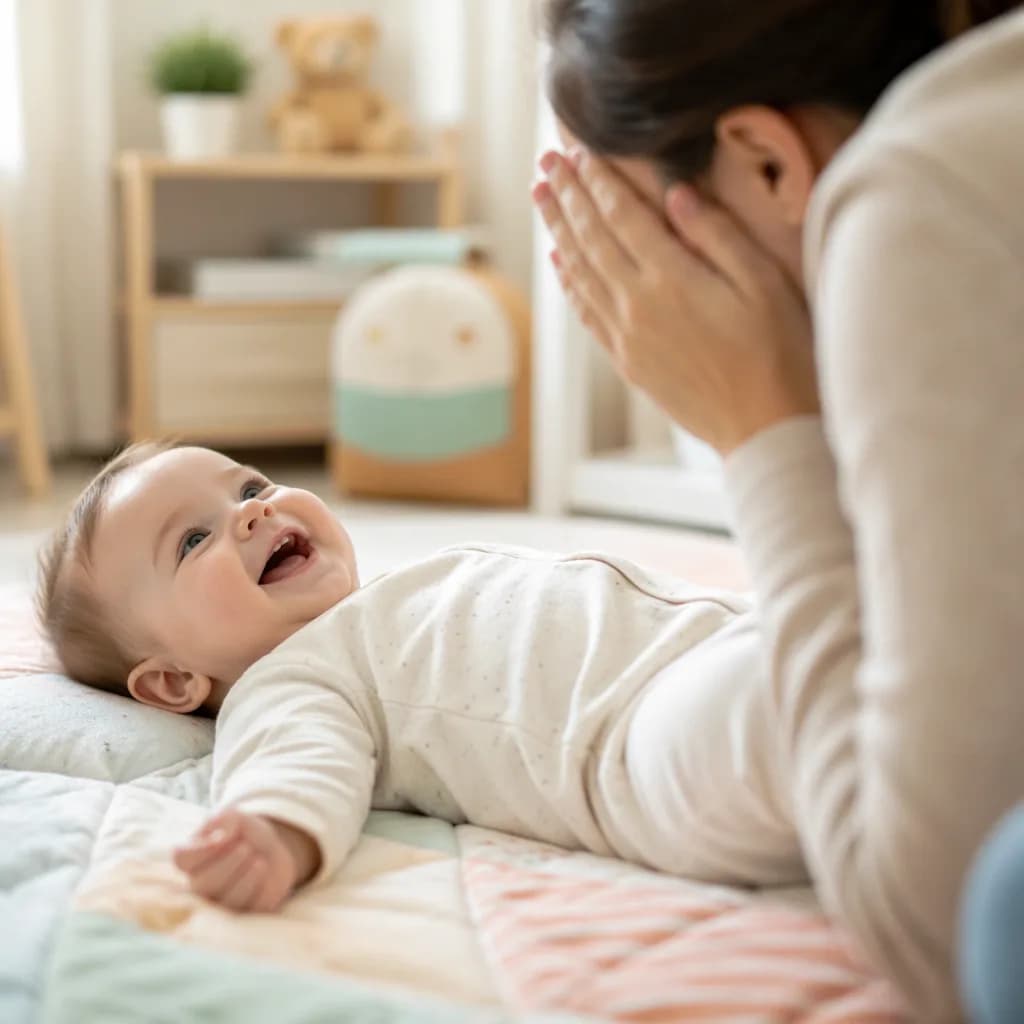
When do babies laugh for the first time?
Most babies give their first real laugh around 3 to 4 months old. Some start a little earlier, and some take until closer to 5 or 6 months. That range is normal.
At first, laughter may not sound like the big belly laugh you’re imagining. It might be a tiny chuckle, a squeal, or a breathy little giggle that catches you by surprise during a diaper change. One day you make a silly popping sound with your lips, and suddenly your baby answers with something that sounds almost like a laugh. Then you spend the next week trying to recreate it.
Those first laughs usually happen during close, face-to-face play. Babies often laugh at silly sounds, gentle tickles, peekaboo, exaggerated eyebrows, or a parent making an unexpected expression. It’s less about “getting the joke” and more about connection, surprise, rhythm, and your familiar face.
Newborns may smile in their sleep or make laugh-like noises, but those early expressions are usually reflexive. Around 6 to 8 weeks, many babies begin showing more social smiles, especially when they see your face or hear your voice. True laughter tends to come after that, once babies are more socially engaged and starting to respond to play.
Try not to compare too closely. Milestones like laughing, rolling, sitting, crawling, and talking all unfold on a range. If you’re tracking other baby stages too, you might like these guides on when babies roll over, when babies sit up, when babies crawl, and when babies start talking.
If your baby is alert, feeding well, making eye contact, and beginning to smile, they may simply need a little more time. And if you’re naming a future giggler, Rami is a sweet one to tuck away.
Baby Laughing Milestone by Age
Baby laughter tends to arrive in little steps, not all at once. This timeline can help you know what to look for, but it’s a guide, not a strict checklist. A baby’s temperament, tiredness, prematurity, and daily routine can all affect when those first giggles show up.
From 0 to 2 months, you may see sleepy smiles, tiny facial expressions, or a soft smile when your baby is warm, fed, and comfortable. True laughter usually isn’t expected yet. At this age, babies are still adjusting to the world, and comfort is the big “conversation.” Your face, voice, and touch are laying the groundwork.
Around 2 to 3 months, social smiles often become more reliable. Your baby may watch your face closely, coo back at you, or brighten when they hear a familiar voice. This is the stage where you might find yourself doing the same silly sound 12 times because you got one big grin. Worth it.
Many babies begin laughing around 3 to 4 months, especially during playful back-and-forth moments with a parent or caregiver. Think raised eyebrows, a pause, then a funny little “boo.” Early laughs may sound like a breathy chuckle, squeal, or quick giggle. Like other milestones, such as rolling over or learning when babies sit up, the timing can vary.
From 4 to 6 months, giggles often become easier to trigger. Funny noises, belly kisses, exaggerated sneezes, and peekaboo may suddenly become comedy gold. Some babies love big expressions. Others prefer gentle games and quiet repetition.
By 6 months and older, laughter often becomes more social and intentional. Your baby may laugh to keep a game going, get your attention, or invite you to do “that funny thing” again. This playful back-and-forth is part of early communication, just like the sounds that later grow into talking. As babies get stronger and more mobile, laughter may show up during floor play too, right alongside early signs of crawling.
And if your baby is more of a serious observer? That can be normal too. Some babies, like a calm little Rami studying every face in the room, take their time before sharing the laugh.
What Baby Laughter Says About Social Development
Baby laughter is more than a sweet sound. It’s part of social development because it shows your baby is paying attention, feeling connected, and starting to respond emotionally to the people around them.
A laugh often means something surprised or delighted them. Maybe your voice suddenly went squeaky. Maybe you made a silly face and then smiled big afterward. That warm reaction from you can make the moment feel socially rewarding, almost like your baby is thinking, “Oh, that was fun. Do it again.”
Laughter usually grows alongside other early social skills. You may notice your baby holding eye contact a little longer, smiling back when you smile, cooing during face-to-face play, turning toward familiar voices, or getting wiggly and excited when you start a favorite game. These small moments are all connected. They’re early ways your baby joins in before words arrive. Later, those back-and-forth sounds and expressions become part of the bigger path toward communication, much like the early steps described in When Do Babies Start Talking? Age-by-Age Milestones.
Here’s a real-life example: a 4-month-old may laugh when Dad pretends to nibble their toes. The next time Dad leans in and says, “I’m gonna get those toes,” baby may kick, grin, and wait for it. That anticipation is part of the fun.
Babies learn through repetition. If peekaboo or toe nibbles make them laugh today, they may light up tomorrow as soon as they recognize the setup. This is also why social milestones can feel linked with physical ones, from the body control in sitting up to the curiosity that shows up when babies roll or crawl. Early personality peeks through too, whether you have a quiet observer or a bright spark like Rami, ready to laugh at the same silly sound again and again.
How to Encourage Baby Giggles
The best time to try for giggles is when your baby is fed, rested, changed, and calm. A tired or hungry baby is much more likely to fuss than laugh, even if yesterday’s peekaboo was a huge hit.
Start with simple face-to-face play. Lay your baby on the floor, hold them on your lap, or use a diaper change as a quick play window while they can clearly see your face. Smile, raise your eyebrows, make a tiny silly sound, then wait. Babies often need a beat to process what just happened before they answer with a grin, squeal, or little chuckle.
Try easy games like:
- Peekaboo with a burp cloth
- Gentle bicycle legs during a diaper change
- Silly animal sounds
- Lip trills
- Soft raspberries on the belly
- Big pretend sneezes, followed by a surprised face
Pause after each silly moment. That pause matters. Your baby may stare at you first, then smile, then finally laugh after the second or third repeat. Babies love patterns, so if the exaggerated sneeze works, do it again tomorrow. Familiar play often brings the biggest giggles.
Follow your baby’s cues closely. If they turn away, stiffen, cry, hiccup, arch, or suddenly look overwhelmed, stop and give them a break. Laughter should feel playful, not like a performance. Tickling can make some babies laugh, but it can also be too much fast, so keep touch gentle and watch their face and body.
These little play moments also support the back-and-forth connection that shows up later in other milestones, from rolling over and sitting up to early sounds and talking. And if your baby has a serious little personality, that’s okay too. Some babies, like a thoughtful Rami, seem to study the room before they let the giggles out.
Why some babies laugh later than others
Some babies are tiny comedians from the start. Others are the quiet observers at the baby gym, watching every face, sound, and movement before they decide it’s funny. That more serious temperament can be completely normal. A baby may smile at you, study your mouth, kick their legs, and still hold back the giggle for another few weeks.
Premature babies may also reach the baby laughing milestone closer to their adjusted age. That means their timeline is based on their due date rather than their birth date. The same adjusted-age idea can come up with other milestones too, like when babies sit up, roll over, or begin early communication skills before starting to talk.
Mood and timing matter, too. A baby who is teething, fighting a cold, sleeping poorly, going through a growth spurt, or recovering from a busy day with too much noise and passing from arm to arm may laugh less than usual. The same peekaboo routine that worked yesterday might get a blank stare today. Babies are allowed to have off days.
Sometimes, hearing, vision, muscle tone, or broader developmental differences can affect how a baby responds socially. That doesn’t mean a later laugh alone tells the whole story. If your baby is smiling, cooing, making eye contact, turning toward voices, and enjoying interaction in their own way, those are reassuring signs.
Bring up any worries at regular well-child visits. Pediatricians look at the full pattern of development, much like we do when tracking crawling, babbling, or even choosing a name with meaning, like Rami.
When to Ask the Pediatrician
Most babies find their laugh in their own time. Some are quick to giggle at every silly noise, while others study your face like a tiny professor before deciding anything is funny. Still, there are moments when it’s wise to check in.
Call your pediatrician if your baby isn’t smiling socially by around 3 months or isn’t laughing by around 6 months, especially if other social responses also feel limited. Bring it up if you’re noticing little eye contact, no response to familiar voices, very few sounds, stiff or floppy body tone, poor feeding, or any loss of skills your baby once had.
You don’t need to wait for a milestone chart to “prove” your concern. If something feels off, ask sooner. A calm check-in is never a waste of time.
At the visit, your doctor may ask about feeding, sleep, hearing, vision, movement, and how your baby interacts at home. They might ask what happens when you smile, talk, sing, or play a simple game like peekaboo. It can help to mention other milestones too, such as rolling, sitting, early sounds, or movement patterns. If you’re tracking those pieces, you may also find these guides helpful: When Do Babies Roll Over? Timeline and Safety Tips, When Do Babies Sit Up? Timeline, Signs, Practice, When Do Babies Start Talking? Age-by-Age Milestones, and When Do Babies Crawl? Timeline, Signs, and Tips for Parents.
Try not to panic if your baby is late to laugh. Many babies who take longer are still developing just fine. Early support can help when it’s needed, and reassurance can help you breathe easier. Sometimes the appointment ends with a plan. Sometimes it ends with, “Let’s watch and check again.” Both can be useful.
And if your baby finally laughs later that afternoon because someone says Rami in a funny voice, well, babies do like to keep us humble.
Frequently Asked Questions
When do babies giggle instead of just smile?
Many babies start giggling around 3 to 4 months, after social smiling is well established.
Is it normal if my 3-month-old has not laughed yet?
Yes. Some babies laugh closer to 4 or 5 months, especially if they are smiling, cooing, and reacting to you.
What counts as a baby's first laugh?
A first laugh may be a squeal, chuckle, or breathy giggle in response to play, not always a big belly laugh.
Do premature babies laugh later?
They might. Premature babies often reach milestones based on adjusted age, counted from their due date.
Can I make my baby laugh every day?
Maybe, but don't force it. Try playful faces, peekaboo, and silly sounds when your baby is rested and calm.
When should I worry if my baby is not laughing?
Ask your pediatrician if your baby is not laughing by around 6 months or has limited smiling, eye contact, or sound response.
Frequently asked questions
When do babies usually laugh for the first time?
What does a baby’s first laugh sound like?
How can I encourage my baby to laugh?
Should I worry if my baby isn’t laughing yet?
References
Sources
External research this article was grounded in.
- DO | English meaning - Cambridge Dictionarydictionary.cambridge.org
- When Do Babies Laugh? A Simple Milestone Guidemaydollybaby.com
Related reading
More from the journal →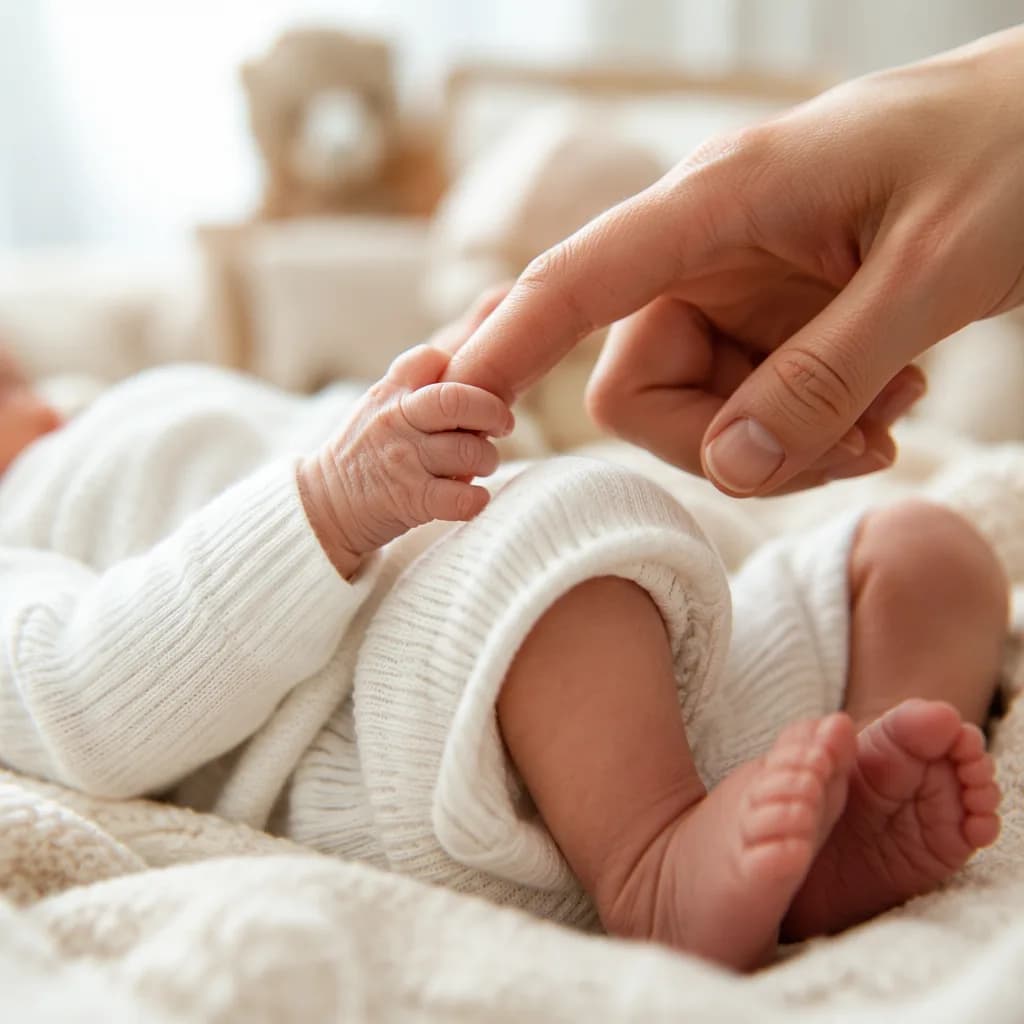 development
Newborn Reflexes Explained: What Parents Notice Early
Newborn reflexes can look surprising at first. Here’s what rooting, sucking, grasping, startle, and stepping reflexes mean in the early weeks.
13 min readJul 17, 2026 development
When Do Babies Roll Over? Milestones and Safe Practice
Most babies roll between 4-6 months, but the direction matters. Here’s what rolling usually looks like, how to practice safely, and when to ask for help.
10 min readJul 3, 2026- development
Tummy Time by Age: Newborn to Crawling Guide
A calm age-by-age tummy time guide, from sleepy newborn chest time to rolling, reaching, and early crawling practice.
14 min readJul 3, 2026